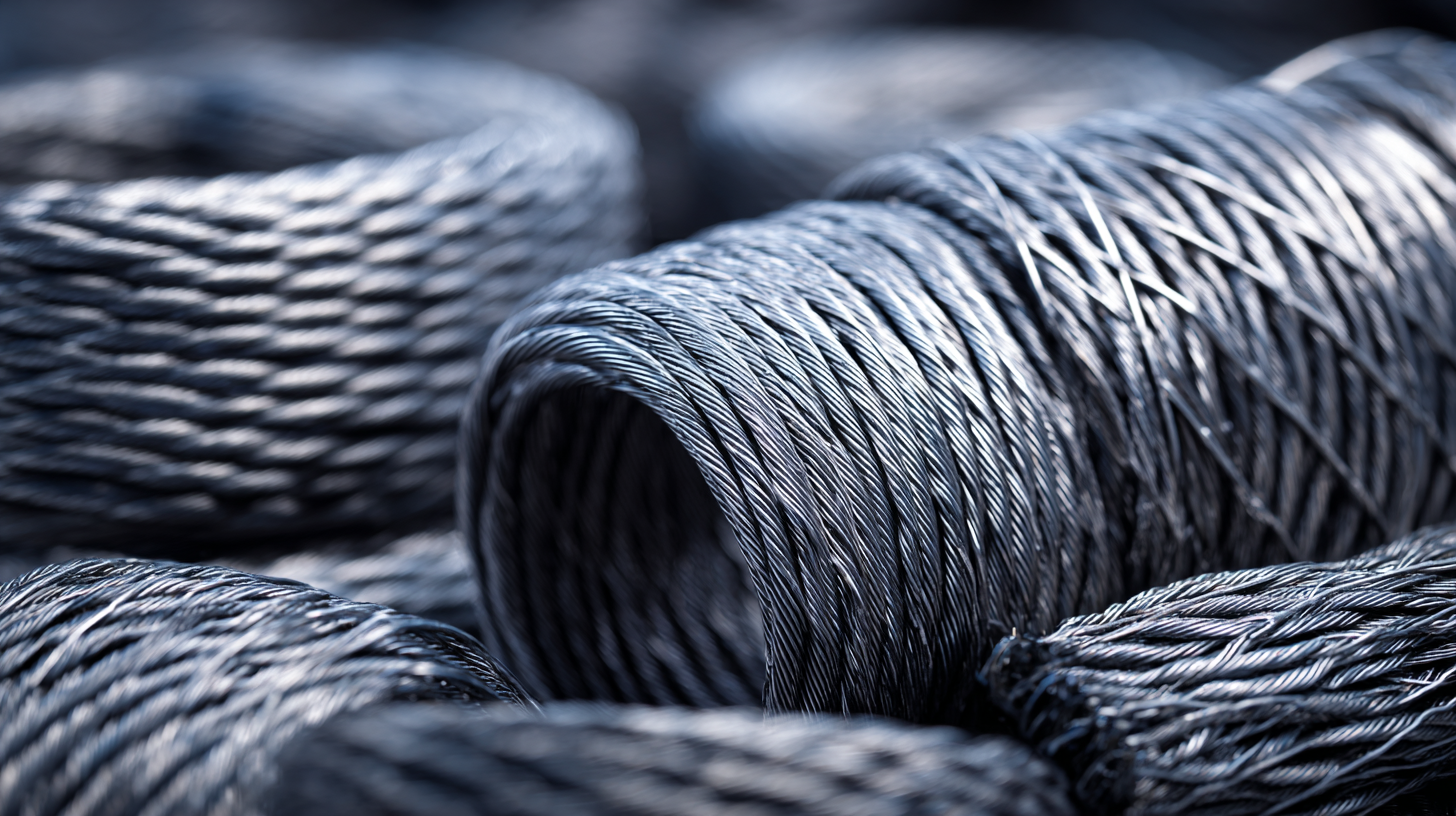
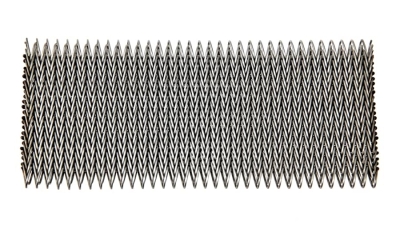
You know, these days, the demand for high-quality Wire Belt Systems is really on the rise. It’s all thanks to the growing need for efficient Material Handling in various industries. A recent report from Grand View Research showed that back in 2021, the global market for Industrial Conveyor systems was valued at about$6.78 billion, and they reckon it’s set to grow at a rate of 4.9% each year until 2030. Pretty impressive, right? Leading the pack in this field is JIANGSU HUADA Metal Mesh Belt CO., LTD., which is all about innovation.
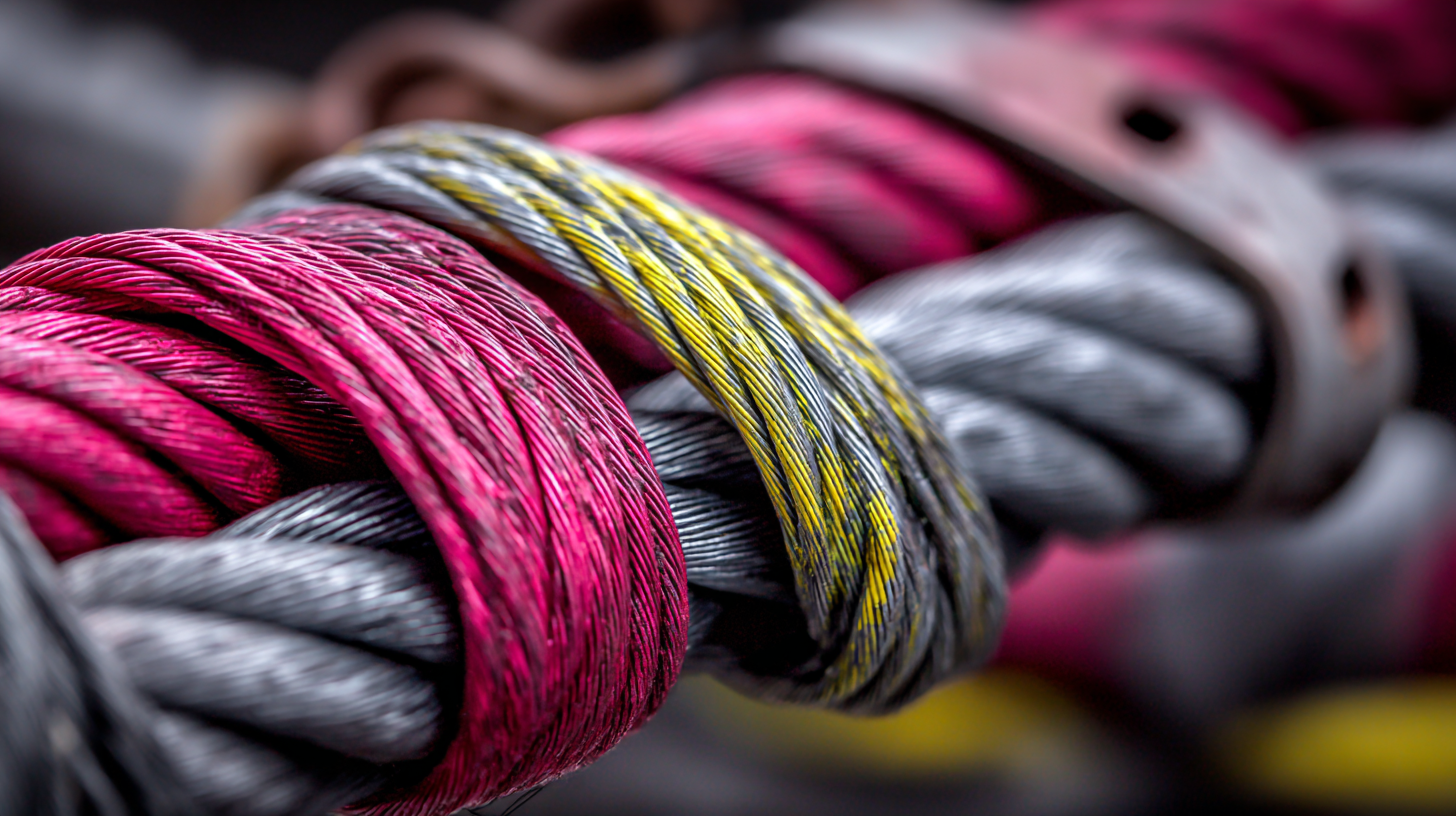
They’re delivering precision-engineered wire mesh belts and chain-driven systems to over 20 countries around the globe. And get this, their production facilities are ISO 9001 and CE certified, so you know they’re meeting international quality standards. This blog is here to help you untangle the complexities of export certifications, ensuring you’re fully equipped to make the best Wire Belt purchases out there. So let’s dive in and navigate this landscape together with confidence and a bit of know-how!
Understanding the Importance of Export Certifications in Wire Belt Purchases
So, when you're diving into the world of wire belts for industrial use, it's super important to get a grip on export certifications. You know, these aren't just some boring paperwork; they really do guarantee that the products are top-notch and meet international standards. If your business is thinking about buying wire belts from around the globe, checking for these certifications can really help you spot manufacturers that are serious about safety and performance. It's all about making sure the products hit those specific industry benchmarks, which is crucial for keeping your production processes safe and running smoothly.
And here's the thing—export certifications also make transactions a whole lot easier and can cut down on those pesky customs delays. Every country has its own rules for importing stuff, and having the right certifications can really speed things up. This not only helps keep your supply chain flowing but also builds a bit of trust between you and the manufacturers. In the end, being clued up about these certifications empowers companies to make smarter buying choices, ensuring they get high-quality wire belts that can handle the tough stuff.
Key Export Certifications Required for Wire Belts Across Different Regions
So, if you're thinking about buying wire belts to export globally, it's super important to get a handle on the certifications required in different places. You’ll find that a lot of reports say that keeping up with export certifications not only makes sure the product is up to snuff but also really boosts the competitiveness of wire belt manufacturers on the worldwide stage. Take the ISO, for example—the International Organization for Standardization gives out these crucial guidelines that tons of countries follow, like ISO 9001 for quality management systems. Recent data shows that around 80% of manufacturers in the wire belt field pinpoint these ISO certifications as a major player in landing export contracts.
And let’s not forget about places like the
European Union, where getting that
CE marking is a must for a bunch of products—including wire belts, of course. Reports have pointed out that manufacturers who skip the CE certification hit some serious roadblocks, with their market access dropping by a whopping
50%. Over in
North America, you can't ignore the standards from the
American National Standards Institute (ANSI) if you want to export wire belts. According to the numbers, wire belts that meet ANSI standards scored a
30% better success rate in snagging contracts compared to those that didn't. So, really understanding and navigating these certifications isn’t just about ticking off regulatory boxes; it’s a
game-changing strategy for businesses hoping to make it big in the cutthroat global market.
How to Verify the Authenticity of Wire Belt Export Certifications
So, when it comes to buying wire belts for international trade, checking whether those export certifications—especially Certificates of Origin—are legit is super important. I mean, these aren’t just some bureaucratic checks; they actually confirm where a product comes from and are essential for keeping up with customs and trade rules. The International Chamber of Commerce (ICC) puts it really well: a Certificate of Origin is a must-have for businesses wanting to prove their products are the real deal and make cross-border transactions a whole lot easier.
Take, for example, what happened recently with the Indian government asking Nepal to double-check the authenticity of a soybean oil certificate. It just goes to show how critical proper documentation is. With billions of dollars' worth of soybean oil zooming around the globe every year, it's crucial for both exporting and importing countries to keep those Certificates of Origin solid. If these documents aren’t verified, it could lead to some serious financial headaches and regulatory problems. As the wire belt industry keeps on growing, making sure that the COs that come with your orders are the real McCoy will definitely help reduce risks and build trust with your trading partners.
And here’s a stat for you: industry reports say around 30% of export-related disputes are due to bad documentation. That really highlights how necessary strong verification processes are. So, putting some time and effort into confirming the authenticity of wire belt export certs isn’t just a smart move; it’s crucial for boosting your business's credibility in the global marketplace!
Navigating Compliance: Meeting Regulatory Standards for Wire Belt Exports
You know, when it comes to exporting wire belts, getting a grip on all those international regulations is super important. Here at JIANGSU HUADA METAL MESH BELT CO., LTD., we totally get why sticking to these rules matters. It's not just about meeting local standards; it’s about making sure our products can shine in all kinds of markets around the world—five continents and counting! With our ISO 9001 and CE certifications in hand, we’re proud to say that our precision-engineered wire mesh belts and chain-driven systems are crafted to the highest quality, making international trade a breeze.
Now, let’s be honest—the wire belt export scene can feel pretty overwhelming at times. But by really paying attention to the ins and outs of compliance, manufacturers can truly simplify their operations. This means keeping up with various certification processes and making sure products fit their intended uses. At JIANGSU HUADA, we're all about helping our clients tackle these hurdles. We want to equip you with the info and support you need so you can make smart purchasing decisions while trusting in the reliability and top-notch quality of what we offer.
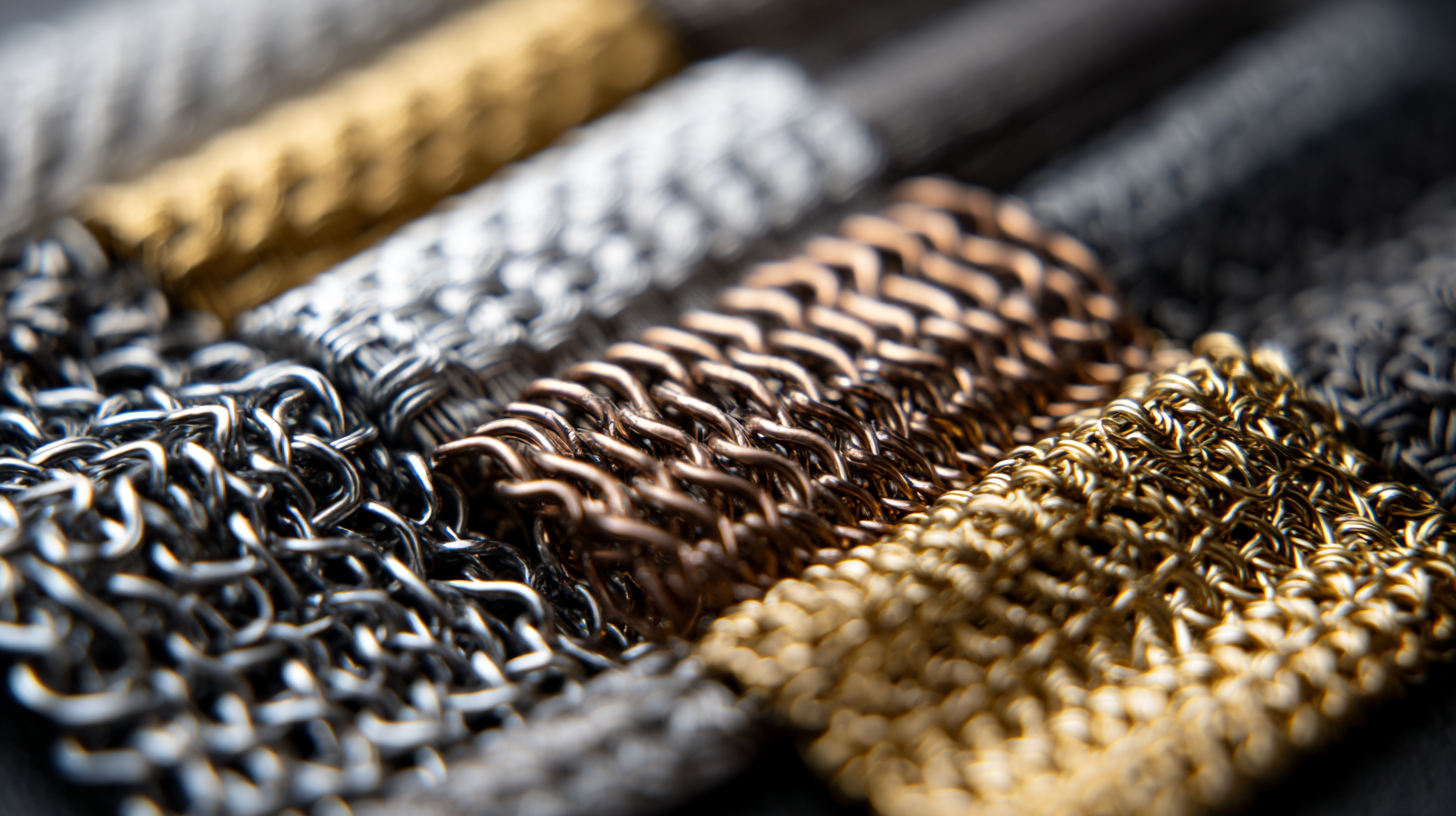
Tips for Selecting Reliable Suppliers with Proper Export Certifications
Diving into the tricky waters of international exports can be quite the adventure, right? One of the key things you really need to keep in mind is picking reliable suppliers who have the right export certifications. This is super important when you're looking to buy wire belts because those certifications mean that the vendors are up to snuff with the industry standards and regulations. It’s a comforting thought, knowing you’re getting quality and safe products. To find trustworthy suppliers, you might want to check out platforms or directories that highlight verified manufacturers. It’s a great way to simplify the whole selection process and cut down on the risks of importing from sources you’re not familiar with.
And hey, don’t forget about doing your homework! Besides checking those certifications, make sure to really research potential partners. Look for suppliers that have solid reputations, glowing reviews, and a history of successful export transactions. It can even help to reach out directly with some questions—this way, you can get a clearer picture of their capabilities and how committed they are to compliance. By keeping these factors in mind, businesses can tackle export certifications more smoothly, ensuring they align with suppliers who truly value quality and integrity, all while meeting the global trade standards.
The Future of Export Certifications in the Wire Belt Industry
You know, the wire belt industry is really changing fast, and with that, the whole idea of export certifications is becoming super important for businesses wanting to expand their global footprint. As international regulations ramp up and consumers crave more transparency, wire belt manufacturers have to keep up with new certification standards that guarantee both quality and safety. This shift changes how companies operate and also shapes the trust and reliability that clients around the world feel. In a market where cross-border trade is fierce, those who make getting and keeping the right export certifications a priority are probably going to come out on top.
On top of that, technology is shaking things up, too. Thanks to new digital platforms and automated systems, it’s getting a whole lot easier for companies to handle compliance with regulations. This means manufacturers can breeze through the certification process and get the documents they need without all the usual delays. Plus, this tech integration not only speeds things up but also adds a layer of authenticity to the certifications, giving clients that extra peace of mind. As the wire belt industry keeps evolving, it's crucial for companies to stay ahead by hopping on board with innovative solutions and ensuring they’re hitting all the right benchmarks for successful international trade.
Navigating Export Certifications for Best Wire Belt Purchases Worldwide
| Region | Certification Type | Requirements | Processing Time | Cost Range (USD) |
| North America | ISO 9001 | Quality Management System | 3-6 months | $5,000 - $15,000 |
| Europe | CE Marking | Compliance with EU Directives | 1-2 months | $2,000 - $10,000 |
| Asia | ISO 45001 | Occupational Health and Safety | 4-8 months | $4,000 - $12,000 |
| South America | ANVISA Certification | Health and Safety Standards | 2-5 months | $3,000 - $9,000 |
| Africa | SABS Certification | Standards of the South African Bureau | 3-4 months | $2,500 - $7,500 |
Elevate Your Style: Discover the Versatility of the Compound Balance Weave Belt
Elevate Your Style: Discover the Versatility of the Compound Balance Weave Belt
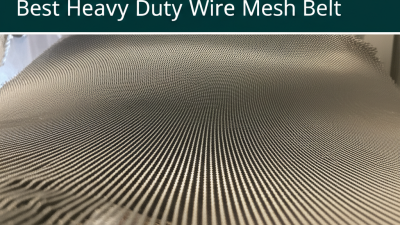
In the world of industrial applications, the compound balance weave belt stands out not just for its functionality but also for its remarkable versatility. Designed to cater to a broad range of requirements, these belts can be adapted to suit various industries, enhancing operational efficiency while maintaining the highest standards of performance. Whether you're engaging in heavy-duty mining operations or delicate food processing tasks, the double-layer compound balance weave conveyor belt is engineered to handle it all.
What truly sets these belts apart is their ability to withstand extreme conditions. For instance, the high-temperature compound balance weave mesh can endure temperatures of up to 800°C, making it ideal for industries that operate under intense heat. In environments where abrasion is inevitable, the abrasion-resistant compound weave belt assures durability, essential for mining applications. Moreover, for automotive stamping processes or electronic manufacturing, you can benefit from low-deflection and anti-static options that prioritize precision and safety. With custom-pitch designs available, businesses can tailor the belts to their specific needs, ensuring the perfect fit for any challenge they face. Embrace the adaptability of compound balance weave belts and watch as they elevate both your operations and style.
FAQS
: Export certifications ensure quality and compliance with international standards, helping businesses identify manufacturers that adhere to safety and performance regulations.
They help minimize delays at customs by meeting specific regulations for importing materials, which can expedite the approval process and reduce disruptions in supply chains.
A Certificate of Origin confirms the 'nationality' of a product and is essential for complying with customs and trade regulations, facilitating smoother cross-border transactions.
Failing to authenticate these documents can lead to financial losses, regulatory issues, and disputes between trading partners.
About 30% of export-related disputes stem from improper documentation, highlighting the need for robust verification processes.
Look for verified manufacturers through established platforms, conduct thorough research on supplier reputation, and engage directly with potential suppliers to assess their capabilities and commitment to compliance.