Leave Your Message
The 139th Canton Fair is just around the corner, and honestly, it’s a pretty fantastic platform for folks all over the world—especially if you’re in the Furnace Belt Replacement business. I remember Peter Thompson from ThermalTech Industries saying something like, “Getting into the nitty-gritty of Furnace Belt Replacement can really make a difference in how smoothly your production runs.” It kind of hits home—meaning, it’s super important for buyers to connect with the right suppliers at the fair.
Looking ahead to 2026, things are going to get even more exciting. The fair will feature cool stuff like AI-powered search tools and smart navigation, which should make finding suppliers a whole lot easier. Want to find someone with ISO or CE certification? No problem. But man, with over 1.55 million square meters of exhibition space—yeah, it’s huge—making your way around can be overwhelming. Thankfully, these new tech features are designed to help streamline that process.
That said, it’s worth remembering that not every supplier will be the perfect fit for what you need. Taking the time for a good evaluation is crucial—because, when it comes to Furnace Belt Replacement, a bad choice can end up costing you big time. So, don’t rush it—do your homework, get to know what suppliers really offer, and make sure they can meet your specific requirements. Trust me, a little effort up front can save a lot of headaches later on.

When selecting a furnace belt, understanding its type is crucial. Different belts serve various applications in the manufacturing process. For instance, a Spiral Freezer Belt is designed for effective cooling. Its unique design allows for maximum airflow, making it suitable for fast cooling of products.
Tips: Always check the material of the belt. Some materials are better suited for high temperatures. Evaluate the specific conditions of your operation to ensure optimal performance.
Another important aspect is the belt's dimensions. Correct sizing is essential for proper functioning. A belt that is too long or too short can lead to inefficiencies. Make sure to take accurate measurements before purchasing a new furnace belt.
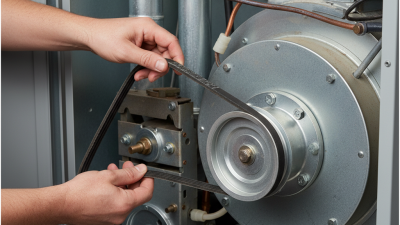
Tips: Consider the installation process. Sometimes, replacing a furnace belt can be tricky. Seek professional advice if you're unsure about the installation steps. Regular maintenance can also extend the life of your belt. Pay attention to wear and tear signs during inspections.
| Belt Type | Material | Temperature Resistance (°C) | Typical Applications |
|---|---|---|---|
| Fiberglass Belt | Fiberglass | 300 | Ceramic tiles, Glass processing |
| Teflon Belt | Teflon-coated fiberglass | 260 | Food processing, Packaging |
| Steel Mesh Belt | Stainless Steel | 800 | Metal forging, Heat treatment |
| Silicone Belt | Silicone rubber | 200 | Electronic circuits, Textile processing |
| Kevlar Belt | Kevlar | 400 | Aerospace, Automotive components |
When it comes to selecting the right chain drive belt for optimal performance, several key factors must be considered based on the specific requirements of your application. The industrial landscape is evolving, and the choice of a chain drive belt can significantly impact efficiency, durability, and maintenance costs. Industry reports suggest that the global chain drive belt market is expected to grow by over 5% annually, highlighting the increasing demand for innovative, high-performance solutions.
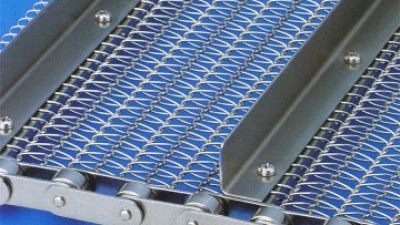
One essential feature to look for is the construction material of the belt. For heavy material handling, a high-torque chain drive belt made from robust alloy steel is recommended. These belts can withstand substantial loads and are specifically engineered to provide high efficiency and longevity, reducing the frequency and costs of replacements. Furthermore, if your application involves a corrosive environment, consider a corrosion-resistant chain drive belt crafted from 316L stainless steel, known for its superior resistance to harsh conditions.
Another critical consideration is the maintenance requirements of the chain drive system. Low-maintenance options, like belts with self-lubricating links, offer the advantage of minimum downtime and reduced operational costs. In high-speed applications, such as automotive assembly lines, a high-speed chain drive belt can enhance productivity by ensuring smooth and quick transitions. For specialized needs, custom-pitch chain drive solutions for bulk material transport can be tailored to fit unique operational demands, ensuring seamless integration into existing systems.
: Select a belt material that suits your specific furnace conditions. Different materials react differently to temperature and pressure.
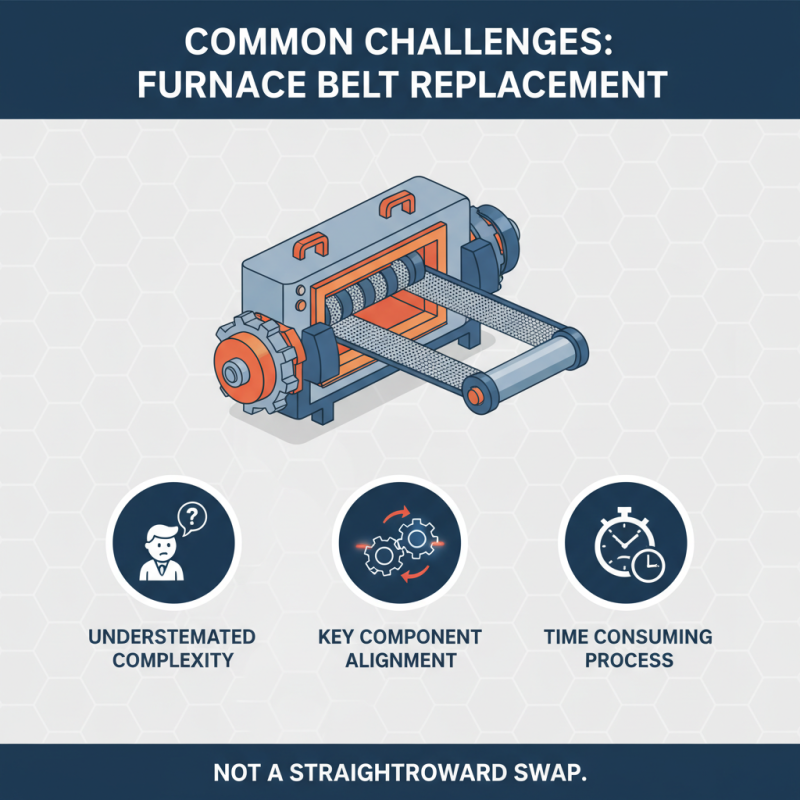
Proper installation is crucial. A misaligned belt can cause operational failures and increase costs significantly.
Inspect for wear, fraying, or cracks. These signs indicate that the belt may not perform effectively.
Regularly inspect and clean the belt. Remove dust and debris to ensure optimal performance.
A reputable vendor usually has a history of good performance. However, even trusted suppliers can face challenges.
Yes, checking samples before finalizing deals helps assess quality. Hesitation to provide samples can be a red flag.
The belt should not be too loose or too tight. Both conditions can lead to uneven wear and operational issues.
Use manufacturer-recommended lubricants. Avoid over-lubrication to prevent attracting dirt, which can harm performance.
Inadequate packaging or unclear warranty policies can be problematic. Always clarify these details before making a decision.
Regular inspections are essential. Early detection of issues can save time and prevent costly repairs later on.
The article "Furnace Belt Replacement Guide for Global Buyers at Canton Fair" provides a comprehensive overview of the crucial aspects involved in furnace belt replacement. It begins by exploring the various types of furnace belts and their specific applications, emphasizing the importance of choosing the right type for effective performance. Key considerations for replacement are outlined, including how to assess when a belt needs to be replaced, ensuring timely and efficient maintenance.
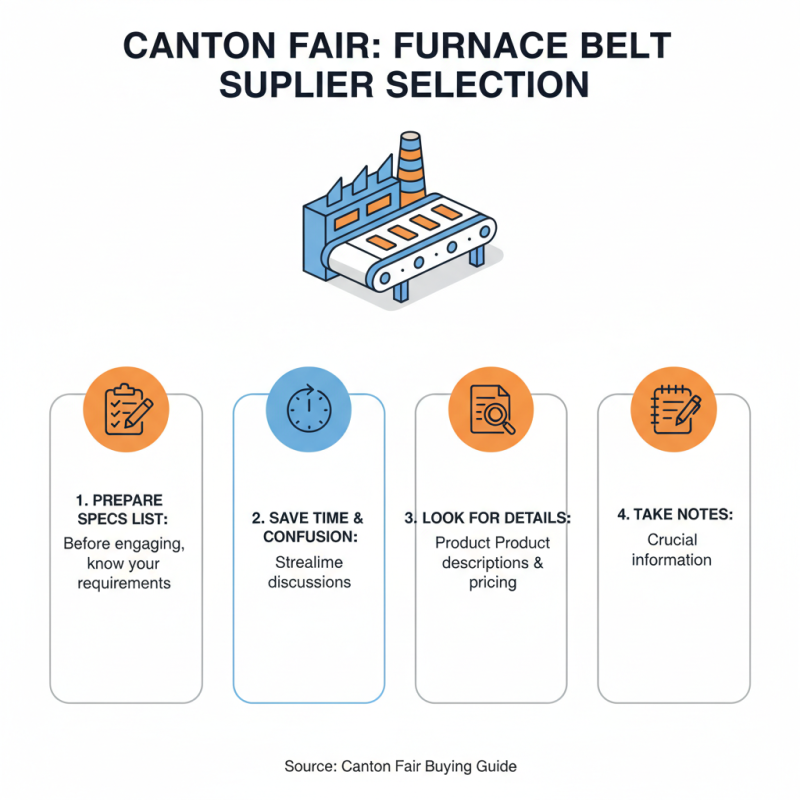
The guide offers a step-by-step approach to furnace belt installation, highlighting common challenges that may arise during the process and how to overcome them. Additionally, it discusses the importance of selecting a reputable supplier at the Canton Fair to ensure quality and reliability. Finally, the article concludes with valuable post-replacement maintenance tips for furnace belts, helping buyers maintain optimal performance over time. Overall, this guide serves as an essential resource for global buyers navigating furnace belt replacement.