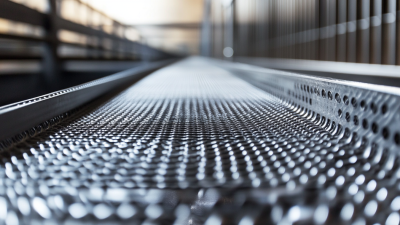
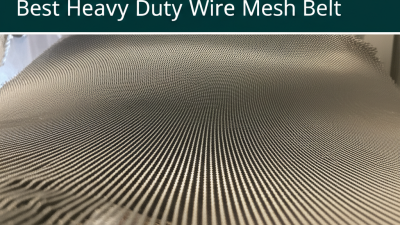
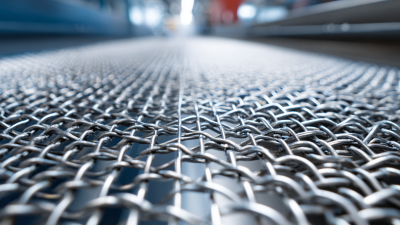
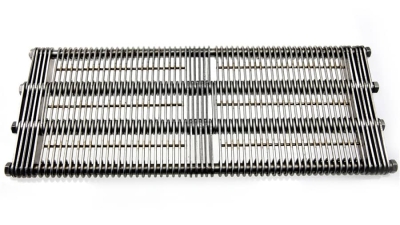
Hey there! So, you know how the manufacturing world is always changing, right? Well, these days, the need for tough and efficient production solutions is more important than ever. That’s where stainless steel wire mesh belts come into play—they’re really making waves in industries like food processing, pharmaceuticals, and automotive. It’s all thanks to their incredible strength, flexibility, and resistance to corrosion. Recent industry reports even suggest that the market for Metal Conveyor belts, especially these stainless steel ones, is looking at a growth rate of over 5% a year through 2025. This growth is largely fueled by the rising demand for automation and smarter material use. At JIANGSU HUADA METAL MESH BELT CO., LTD., we’re pretty proud to be one of the leaders in this space. We’re dedicated to delivering high-quality wire mesh belts and chain-driven systems to over 20 countries on five continents. And our production facilities? They’re all ISO 9001 and CE certified. In this blog, we’ll take a closer look at the trends you can expect for 2025 and provide a handy checklist for those looking to safeguard their production processes with stainless steel wire mesh belts. Stick around!
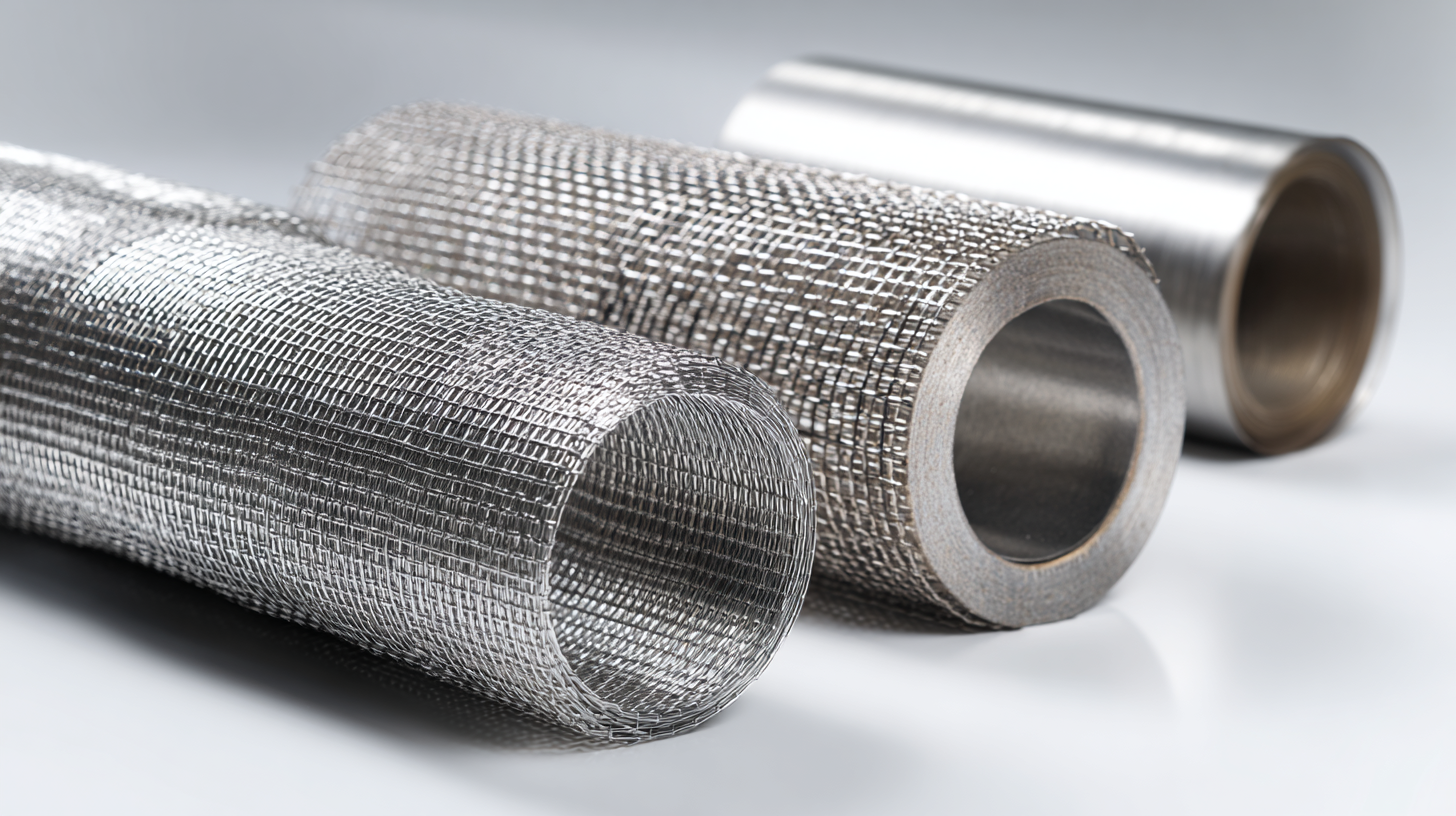
Emerging Trends in Stainless Steel Wire Mesh Belt Technology for 2025
Looking ahead to 2025, it's pretty clear that the stainless steel Wire Mesh Belt industry is gearing up for some exciting advancements that are going to reshape manufacturing around the globe. Can you believe the wire mesh market is set to grow from about USD 8.48 billion in 2025 to a whopping USD 11.70 billion by 2034? That’s a big deal! As a result, we're seeing a surge in demand for innovative and efficient belting solutions. New technologies are popping up, aiming to boost durability, resist corrosion better, and increase load capacity. This is making stainless steel wire mesh belts super essential in sectors like food processing and material handling.
Take Jiangsu Huada Metal Mesh Belt Co., Ltd. for example; they’re really leading the pack in this space. They perfectly mix precision engineering with top-notch quality. With their ISO 9001 and CE certifications, you know their products are built to handle the complexities of modern manufacturing. By keeping up with the latest trends in wire mesh technology and using cutting-edge materials, manufacturers can keep their production lines running smoothly and stay competitive. And let’s not forget about the trade shows that are popping up everywhere to showcase these innovations! It’s crucial for industry players to keep their eyes peeled on the latest developments to ensure they can future-proof their operations and boost productivity with state-of-the-art belt systems.
Key Considerations for Selecting Durable Stainless Steel Wire Mesh Belts
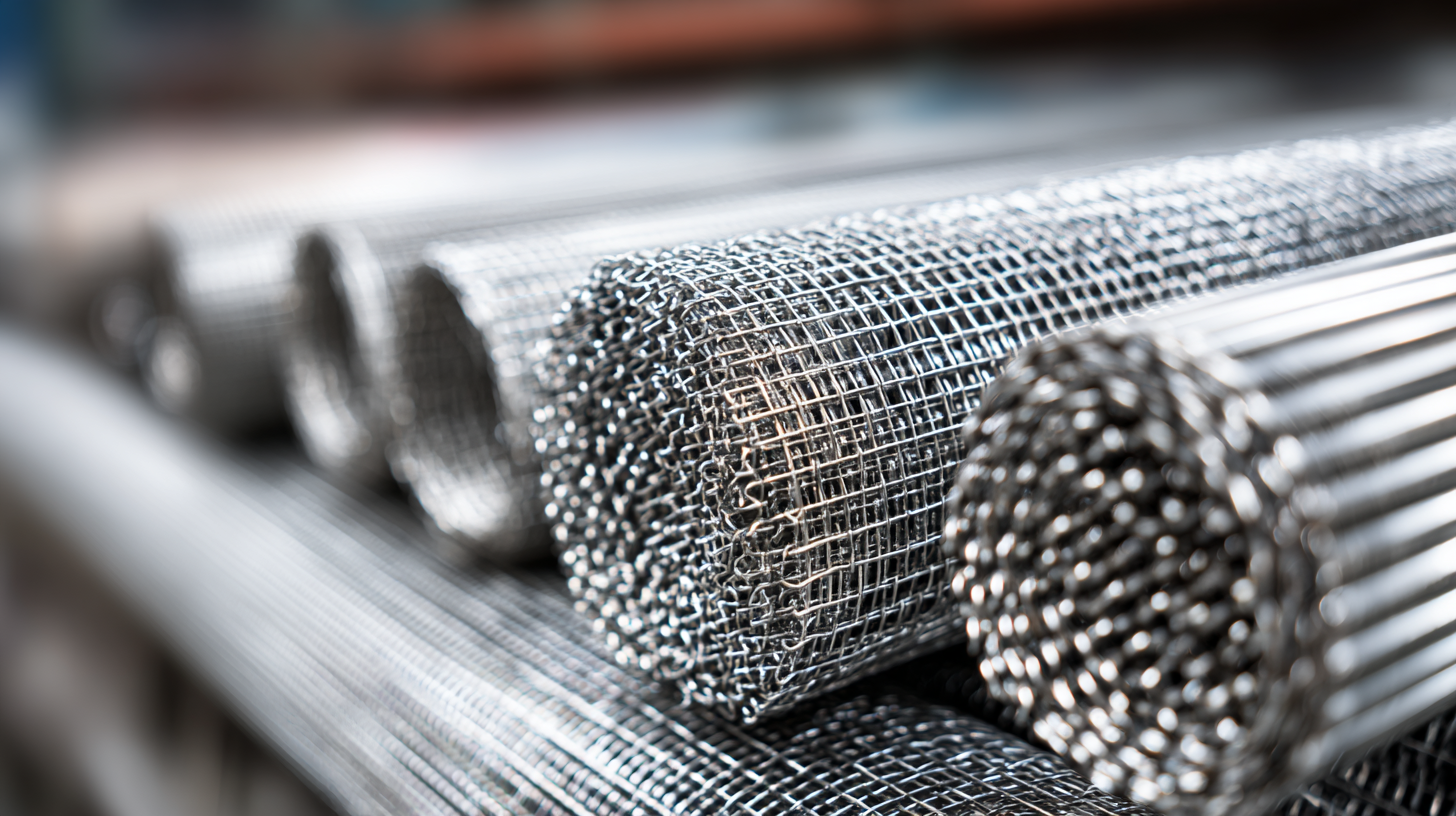
When you're on the hunt for stainless steel wire mesh belts for your production line, there are a few important things to keep in mind if you want them to last and work efficiently. First off, think about the grade of stainless steel. Going for high-grade stuff like 304 or 316 is a smart move since they’re way better at resisting corrosion and tend to hold up longer. This makes them great for all sorts of applications, especially in tough environments where other materials might let you down.
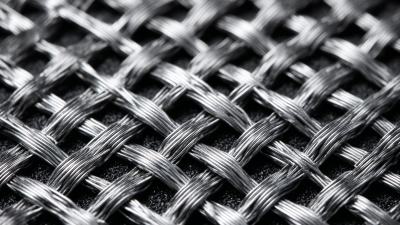
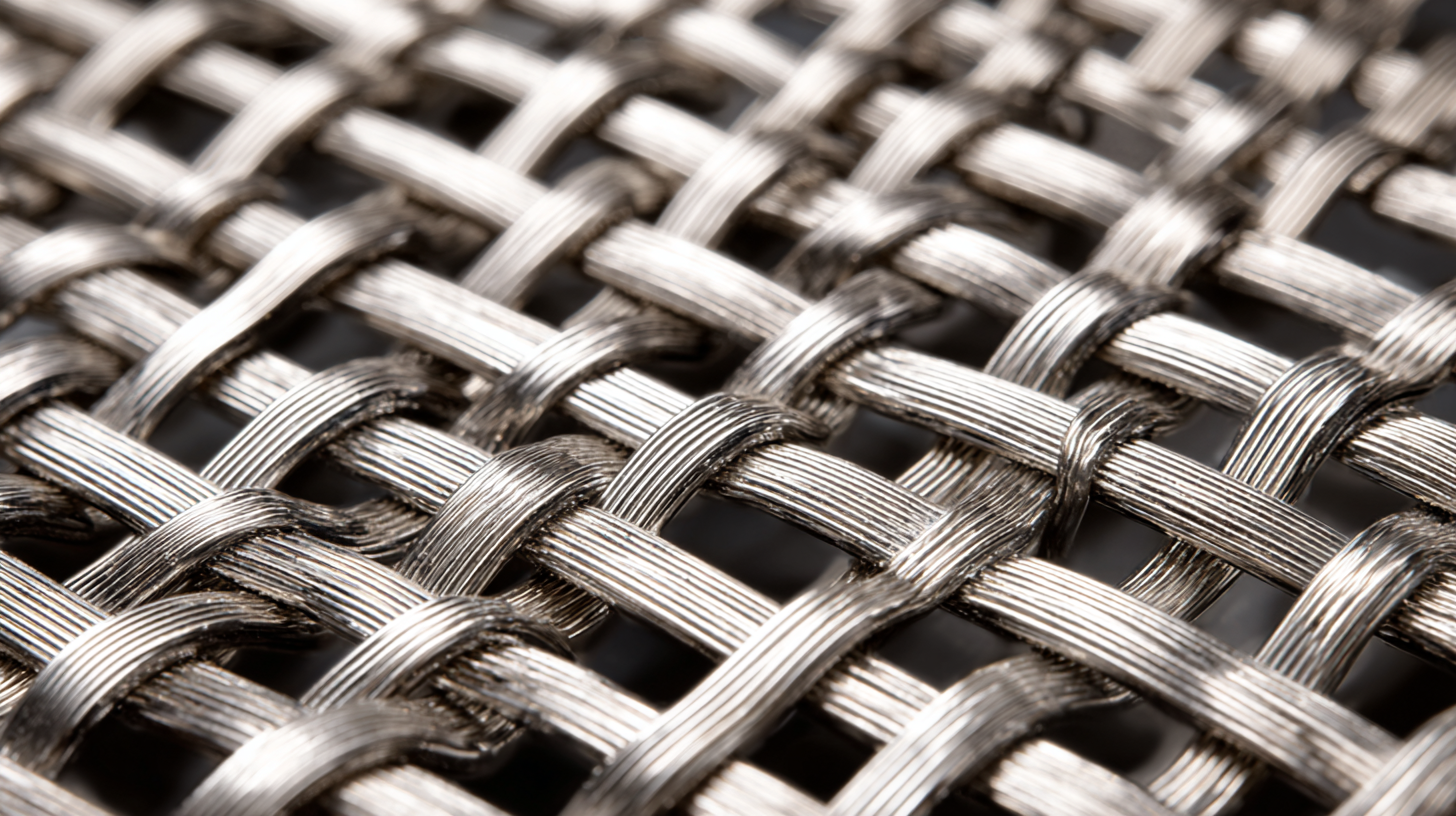
You should also take a close look at the mesh design and how it’s woven together—this can really affect how strong and flexible the belt is, as well as how much weight it can handle without buckling under pressure.
Oh, and don’t forget about the surface finish and treatment! Options like passivation can seriously boost corrosion resistance, and a smoother finish can help reduce friction and cut down on product loss. Plus, you've got to think about your specific needs—like temperature limits and what kinds of products you’re moving around.
By keeping all these factors in mind, you’ll be better equipped to make smart choices that will help your stainless steel wire mesh belts perform well and last longer, ultimately keeping your production processes on point for the future.
Innovative Applications of Stainless Steel Wire Mesh Belts Across Industries
You know, as different industries keep changing and evolving, stainless steel wire mesh belts are really becoming a big deal in so many areas—everything from food processing to some really high-tech manufacturing. It’s pretty wild to see how the market for these wire mesh belts is expected to grow. I mean, it’s projected to jump from around 8.48 billion bucks in 2025 to a whopping 11.70 billion by 2034! That’s a compound annual growth rate (CAGR) of 3.64% during that time, which really shows just how versatile and reliable these wire mesh belts are when it comes to boosting production efficiency and keeping things safe.
One cool application that’s really taking off is the use of high-performance hybrid belts, especially in those super demanding thermal environments. These advancements are not just making the belts more durable; they’re also helping to streamline production processes in various industries. So, if you’re thinking about investing in stainless steel wire mesh belts, it’s really worth looking into how compatible they’ll be with your existing manufacturing processes and what specific performance traits you'll need for your particular application.
A couple of tips: When you’re picking out a wire mesh belt, don’t forget to check the temperature and load requirements for your operations. And hey, regular maintenance of your conveyor systems can really save you from costly downtime and even extend the lifespan of your equipment. Keeping up with the latest innovations can definitely give your business that competitive edge in today’s fast-changing market.
Sustainability and Eco-Friendliness in Stainless Steel Belt Production
You know, as more people start caring about sustainable manufacturing, those stainless steel wire mesh belt makers are really stepping up their game when it comes to being eco-friendly. A recent report by Smithers pointed out that the global market for stainless steel wire mesh is on track to hit a whopping $5.4 billion by 2025! A big chunk of that growth is thanks to greener production methods. These manufacturers are putting their money where their mouth is by investing in energy-efficient techniques and sourcing materials from sustainable suppliers. It's like they’re really trying to do their part in reducing carbon footprints, which is great to see.
And don’t forget about recycling! There's been a big push to incorporate recycling practices in stainless steel belt production too. The folks over at the International Stainless Steel Forum have shared that around 70% of stainless steel comes from recycled materials. How cool is that? Not only does this help conserve resources, but it also cuts down on waste. By focusing on eco-friendly practices, these manufacturers can not only keep up with ever-growing regulations but also grab the attention of an increasing number of environmentally conscious consumers. This is really a game changer as businesses adapt to a market that’s shifting towards sustainability, balancing the need for efficient production with a sense of environmental responsibility.
Cost-Effective Solutions: Maximizing ROI in Wire Mesh Belt Purchases
When you think about investing in stainless steel wire mesh belts, getting the most bang for your buck is super important if you want to succeed in the long run. So, where do you start? It’s a smart move to take a good look at what your specific production needs really are. Before you go ahead and make that purchase, take a moment to consider the dimensions, load capacities, and of course, the unique environmental conditions of your production setting. By figuring these things out, you can pinpoint which wire mesh belt fits your needs just right, and dodge any unnecessary costs on features you might not even need.
And, hey, don’t forget to think about how durability and maintenance will play into your ROI, too! Choosing high-quality materials and designs can really cut down on those pesky downtime and maintenance costs as time goes on. Investing in a wire mesh belt that stands up well to operational stress can save you a bunch of cash in the long haul. Plus, think about the energy efficiency of your production processes when using these belts; a more efficient setup means lower operational costs and a better impact on the environment. By managing these factors thoughtfully, you’re setting yourself up for a more profitable operation and a production line that's ready for the future.
Future-Proofing Your Production: 2025 Trends in Stainless Steel Wire Mesh Belt Purchases
Essential Maintenance Tips for Ensuring Longevity of Your Wire Mesh Belts
Let's talk about making those stainless steel wire mesh belts last! Keeping them in good shape is super important. I came across a report from the International Wire and Cable Manufacturers Association that says regular maintenance can actually extend the life of these belts by as much as 30%. That’s huge, especially for industries cranking out products in high volumes, where even a little downtime can really hit the wallet.
To keep everything running smoothly, you should definitely set up a routine cleaning schedule. This helps get rid of any contaminants and prevents corrosion. The folks over at the Wire Mesh Institute recommend using gentle cleaning agents, like mild detergents, to keep that stainless steel intact without any damage. Plus, don’t forget to give those moving parts a little love by lubricating them each month. It cuts down on friction and wear, which can seriously help the belts last longer.
If you stick to these maintenance tips, you not only boost your operational efficiency but also save on replacement costs down the line. It’s really an investment in the future of your production setup!
Elevate Your Style: The Versatility and Charm of Wire Ring Belts in Modern Fashion
In the fast-paced world of modern fashion, style and functionality often go hand in hand. This is particularly evident with wire ring belts, which have recently gained traction for their versatility and charm. The innovative design of these belts allows them to seamlessly blend with various outfits, making them suitable for both casual and formal occasions. The aesthetic appeal of wire ring belts lies not only in their unique look but also in their ability to complement a wide range of fabrics and colors, enhancing any wardrobe without overwhelming it.
Moreover, wire ring belts offer practical advantages beyond style. For instance, our 316L Stainless Steel Wire Ring Belt is engineered for high-performance applications, particularly in beverage processing. Certified as EHEDG, our CIP-Ready Beverage Conveyor Belt ensures hygiene and efficiency in bottling plants. The durability of the materials used, such as the anti-corrosion properties in the Wire Ring Belt for Brewery Bottling Lines, reflects a growing demand for equipment that not only looks good but also withstands harsh environments. In fact, industry reports indicate that the adoption of food-grade wire ring mesh is skyrocketing in sectors requiring meticulous cleanliness, like can and bottle cleaning.
As the beverage production sector evolves, low-maintenance solutions like the Quick-Drain Wire Ring Conveyor are becoming essential. These innovations facilitate faster drying processes and minimize operational downtime, ultimately leading to higher productivity. The focus on non-toxic materials, supported by FDA regulations (like FDA 21 CFR 177.2600), further emphasizes the industry's commitment to safety and sustainability, proving that modern fashion is about making informed choices that elevate utility along with style.
FAQS
: The stainless steel wire mesh market is projected to grow from USD 8.48 billion in 2025 to USD 11.70 billion by 2034.
Emerging technologies focus on improvements in durability, resistance to corrosion, and enhanced load capacity, making the belts suitable for industries such as food processing and material handling.
Jiangsu Huada Metal Mesh Belt Co., Ltd. is ISO 9001 and CE certified.
High-grade stainless steel, such as 304 or 316, is recommended for better corrosion resistance and longevity in harsh environments.
The mesh design and weave structure influence the strength, flexibility, and the belt's capacity to handle heavy loads.
Regular cleaning schedules and lubrication of moving parts can extend the lifespan of wire mesh belts by up to 30%.
Mild detergents are recommended as appropriate cleaning agents to maintain the integrity of the stainless steel without causing damage.
Lubrication of moving parts should be applied monthly to reduce friction and wear.
Buyers should consider material grade, mesh design, surface finish, temperature tolerances, and the types of products being transported.
Proper maintenance can boost operational efficiency and minimize replacement costs, making it a valuable investment for production facilities.