Leave Your Message
0%

So, when you're picking out the right Wire Belting, don't just go by the price tag or how it looks—think about what it actually has to do. Like, a belt that's carrying small baked goods isn't going to need the same support and spacing as one hauling hot metal parts. You gotta pay attention to the size, weight, shape, and temperature of whatever you're moving. Then, factor in how fast the process runs, how wide the belt needs to be, and whether you need to turn or transfer stuff along the way. Honestly, the little things can make a big difference. You know, if the gap's too tight, it can snag the product, but if the mesh is way too open, well, the product might end up with no support at all.

When you're deciding on a material, you really have to think about where it's going to be used. For instance, stainless steel is a go-to if there's moisture or you're doing frequent washdowns, but other steel grades might work better for different temperatures or load requirements, and of course, budget matters. But here's the catch – don't just rely on the name like "stainless" and assume it'll do the job. Always double-check the manufacturer's specs, because the material name alone doesn't guarantee it'll perform as expected. And while you're at it, take a look at the wire diameter, mesh pattern, edge construction, and how the drive is arranged. Each of those factors tweaks flexibility, tracking, strength, and how easy it is to clean. So yeah, it's a lot to consider, but paying attention to all these details makes a big difference. You know, that last point is really easy to miss. A belt might run just fine, but if it's trapping residue, you're going to end up with extra maintenance work – and nobody wants that.

Before you go ahead and order, it's worth checking the belt specs against what's actually happening on the line—think start-up loads, any heat or chemical exposure. Don't just take the catalog at face value; get the supplier to send over the technical data, and ask them to spell out any limits on tension, speed, and how hot it can get. If you're still not sure, running a trial on a small section can show you issues that paper drawings won't catch. Honestly, there's rarely one perfect belt out there. When you're picking out wire belting, the best option really comes down to a few key things. It has to meet your process needs reliably – no surprises there. Then it needs to fit the equipment properly. And finally, it should be something you can actually inspect and maintain without pulling your hair out. That's the sweet spot.
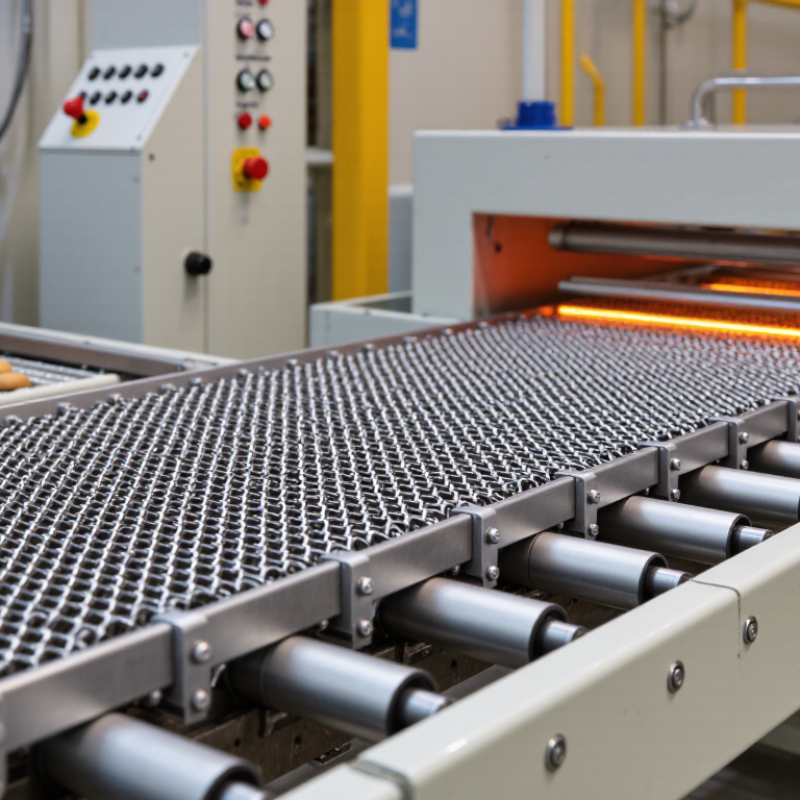
How to Choose the Best Wire Belting for Your Needs?

Identify the Conveyor’s Operating Requirements

Before selecting Flat Wire Belting, document what the conveyor actually carries and how it runs. Record product weight, smallest and largest item dimensions, belt speed, operating hours, and transfer-point spacing. Note whether the line sees heat, moisture, oil, abrasive debris, or frequent washdowns. Small details matter: a sharp-edged part can catch where a smooth sample does not.

The U.S. Bureau of Labor Statistics’ Employer-Reported Workplace Injuries and Illnesses, 2023 reported 2.6 million nonfatal injury and illness cases in private industry, or 2.4 cases per 100 full-time-equivalent workers. This figure is not conveyor-specific, but it reinforces the value of assessing access, guarding, cleaning, and maintenance before specifying equipment. A belt that is difficult to inspect may create avoidable risks and downtime.

Match the belt opening and wire diameter to the product, while checking load capacity, drive conditions, and support spacing with the conveyor supplier. For hot products, confirm the belt material’s working-temperature range; for wet lines, consider drainage and corrosion exposure. Do not rely on a generic “heavy-duty” label. I would also recheck assumptions against actual production data—estimates are often wrong, especially for peak loads and washdown frequency.

Compare Wire Belt Materials and Surface Finishes

Choosing wire belting starts with the conditions around the conveyor. Stainless steel can resist moisture and many cleaning chemicals, while carbon steel may suit dry, lower-temperature duties. Neither choice is automatic. Check the chemical, heat, load, and washdown conditions together. A material that handles heat well may still corrode in a damp process area. Details matter.

Surface finish affects more than appearance. A smooth finish can help reduce residue buildup and make cleaning easier, especially when products leave oils or fine particles behind. A rougher or coated surface may offer more grip, but coatings need to withstand abrasion and operating temperatures. Ask how the finish changes friction and cleanability. Not always obvious.

When evaluating Ashworth Flat Wire Belting, compare the Wire Material and finish against the actual product and cleaning routine, not just a specification sheet. Open area also matters: it influences airflow, drainage, and support beneath small items. Look closely at joints and edges, where residue can collect. If conditions vary by shift, record those changes before choosing. A short trial under real operating conditions can reveal problems that calculations miss; it may not capture every seasonal change, though.

How to Choose the Best Wire Belting for Your Needs?

Compare typical thermal conductivity of common wire-belt materials at approximately 20°C. Higher conductivity can help transfer heat more quickly; actual values vary by alloy composition and product condition.

Surface finish matters, too: Bright-annealed wire has a smooth, clean appearance; electropolishing further smooths and passivates stainless steel; and a mechanically polished finish can reduce surface roughness. Choose the finish based on cleaning, corrosion, and product-release requirements. Finish does not have a universal numerical rating, and its effect depends on the belt and operating environment.

Choose a Belt Style and Mesh Configuration

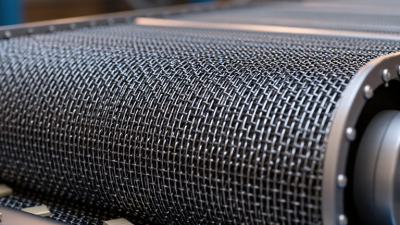
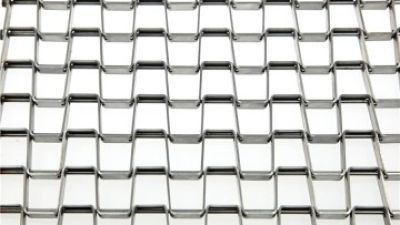
When choosing Wire Mesh Belting, start with the product and process, not a catalog photo. A balanced-weave belt works for many general conveying tasks, while compound-weave construction can support smaller parts and tighter transfer points. For delicate items, check whether the mesh leaves marks or lets edges catch. Small parts matter.

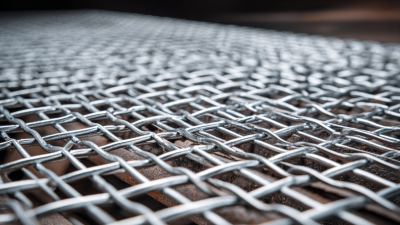
Mesh opening size affects airflow, drainage, and product support. Open mesh can help heat or liquid pass through, but it may create uneven contact beneath some products. Measure the smallest item and watch its orientation during loading; a part that turns sideways can behave differently. Do not judge by open area alone.

Belt style also depends on load, temperature, speed, and drive arrangement. A heavier weave may resist distortion, yet add mass and require more drive capacity. Confirm sprocket compatibility, edge finish, and tracking needs with the conveyor builder or a qualified supplier. If the line starts and stops often, test a representative sample under real conditions. Real lines surprise you.

How to Choose the Best Wire Belting for Your Needs? - Choose a Belt Style and Mesh Configuration

Belt Style Typical Mesh Configuration Airflow and Product Support Common Applications Best Fit When You Need Selection Considerations
Balanced weave Alternating left- and right-hand spiral wires joined by straight cross rods; mesh opening varies by wire diameter and pitch. Open construction provides good airflow and drainage while supporting many small and medium-sized products. Baking, cooling, washing, drying, and general conveying. A versatile belt for straight-running conveyors and a broad range of product sizes. Check minimum product size against the openings. Confirm belt width, load, temperature, and any required edge finish.
Double-balanced weave Two spirals are typically fitted into each opening, creating a denser mesh than a comparable balanced weave. Smaller openings offer improved support for small parts, with less open area than a more open mesh. Small-part handling, Heat Treatment, and conveying products that could fall through wider openings. More stable support for smaller items while retaining a flexible woven-belt construction. Compare open area and airflow with process requirements; a denser mesh can affect heating, cooling, or cleaning time.
Compound-balanced weave Multiple spiral wires are combined between cross rods to form a tight, closely supported mesh. Provides a relatively smooth carrying surface and supports smaller products; airflow is generally lower than in open weaves. Food processing, small-product conveying, and applications where product support is important. A finer carrying surface or reduced risk of small products entering the belt openings. Review cleaning access, drainage, airflow, product dimensions, and the extra belt mass associated with a denser weave.
Flat-wire belt Flat metal strips are linked by cross rods; opening size and strip spacing vary with the design. Broad, flat carrying surfaces support products well; open area depends on strip spacing. Food handling, washing, drying, and conveying products that benefit from a flatter surface. Good product support and a comparatively even conveying surface. Consider drainage and airflow through the openings, belt tracking, load, and whether the product can mark or catch on the surface.
Chain-driven Wire Mesh Wire mesh is attached to side chains; the mesh may use a balanced, compound-balanced, or other specified weave. Positive drive can suit heavier loads or longer conveyor runs; airflow and support depend on the selected mesh. Industrial ovens, washers, cooling lines, and conveyors requiring a driven, guided belt. More controlled drive and guidance, or integration with a chain-driven conveyor system. Specify chain type, pitch, sprocket arrangement, operating temperature, load, and compatibility with the conveyor.
Rod-reinforced or ladder-style belt Transverse rods connect formed wire links; openings are often relatively large and the layout can be configured for the application. Open construction allows substantial airflow and drainage, with less continuous product support than a fine mesh. Cooling, drying, washing, and conveying larger or robust products. High exposure to air or liquid and a simple, open carrying surface. Check whether the product can bridge the openings, and confirm rod spacing, load capacity, edge construction, and conveyor geometry.

Mesh opening, open area, load capacity, and temperature limits depend on wire material, wire diameter, belt pitch, width, and construction. Confirm these details with the belt specification and the conveyor operating conditions before selecting a design.

Check Load Capacity, Speed, and Temperature Limits

Choose wire belting by its worst operating conditions, not a typical shift. Record the product’s maximum weight, belt width, support spacing, and any impact during loading. Include the belt’s own weight and start-up load; a steady 30-kilogram tray can create a much higher peak when dropped onto the mesh. Ask for the rated working load at your actual temperature and speed. Do not treat a catalog rating as a universal limit.

Speed needs equal care. Measure normal and peak line speeds, then note frequent starts, stops, and turns. Faster movement can increase vibration, tracking problems, and heat around bearings. Small details matter. Temperature-check both the product and the surrounding air, including brief heat spikes and washdown periods.

Wire alloy, diameter, welds, and tension all affect performance; “stainless steel” alone does not define a safe operating temperature. CEMA’s belt conveyor design guidance also stresses matching equipment to operating conditions, but wire-belt limits should be confirmed for the specific construction.

As a safety reminder, the U.S. Bureau of Labor Statistics reported 2.6 million nonfatal workplace injuries and illnesses in private industry in 2023. That figure is not conveyor-specific, but it supports careful risk checks.

Heat changes everything. Test a representative load and inspect the belt after a full production cycle; the first estimate may still be wrong.

Assess Cleaning Needs and Maintenance Requirements

Cleaning needs should shape wire-belt selection from the start. Look at what sticks to the product, not just what falls through the openings. Sticky coatings, fine crumbs, and oily residues can collect around cross wires and belt edges. A more open mesh may improve access for rinsing, but it will not solve every buildup problem. Check whether brushes, scrapers, or manual access are needed during routine cleaning.

Consider the actual cleaning process. How often is the belt washed, and how much downtime can the line tolerate? Water pressure, cleaning chemicals, and temperature changes can affect belt materials and joints. Follow the equipment supplier’s guidance before changing cleaning methods. Cambridge Wire Belting can be one search term when comparing options, but confirm the belt’s construction and suitability against your operating conditions. Details matter here.

Maintenance should be practical for the people doing it. Inspect edges, joints, and drive contact points for wear, trapped debris, or unusual movement. Keep a simple record of cleaning time and recurring residue; patterns often reveal a poor fit. It is easy to miss. A belt that looks clean from above may still hold debris underneath. That deserves a closer check. Cleaning access, inspection time, and replacement intervals should all be considered before choosing.

Confirm Belt Dimensions and System Compatibility

A wire belt can look like a close match and still run poorly if its dimensions are off. Measure the existing belt’s width, length, wire diameter, and opening size. Check how the belt is joined, too; a splice can affect the usable length. Small details matter. Record measurements from the conveyor itself rather than relying only on an old order sheet, which may not reflect a later system change.

Fit comes first. Confirm that the belt matches the drive style, sprocket pitch, and support arrangement. A mismatch can cause tracking problems, uneven wear, or unwanted movement at the edges. Check the available clearance around guards and rollers, especially where the belt passes through a tight frame. Compare the belt’s opening size with the products being conveyed, and consider whether small parts could catch or fall through.

Operating conditions matter as much as fit. Note the load, belt speed, temperature, washdown routine, and any sharp or abrasive materials. These details help determine whether the wire pattern and construction suit the job. It is tempting to trust a belt that appears to fit during a quick inspection; I would still check alignment and tension after installation. A short trial run can reveal rubbing, noise, or uneven tracking before regular operation begins.

Evaluate Durability, Cost, and Supplier Support

How to Choose the Best Wire Belting for Your Needs?

Evaluate Durability, Cost, and Supplier Support

Durability and Cost

Durability starts with the operating conditions, not the catalogue description. Check the belt’s wire material, mesh opening, and joint construction against heat, moisture, cleaning chemicals, and product weight. A belt handling hot parts may need different materials from one carrying damp food products. Ask for documented temperature limits and load guidance. Then compare expected service life, not just purchase price. A cheaper belt can cost more if it needs frequent replacement or causes production downtime. Still, lifespan estimates are estimates; actual wear depends on tension, alignment, and cleaning routines.

Supplier Support

Supplier support matters after installation. Look for clear specifications, practical guidance on measurement, and responsive help with troubleshooting. Ask how replacement sections are matched and what information is needed for a quote. A technically detailed answer is useful. A confident answer without evidence is less so. I’d be cautious about choosing from price alone; even a careful comparison can miss an awkward fit or maintenance issue.

Tips

Record belt width, wire diameter, mesh pitch, operating temperature, and load before requesting quotes. Share photos of the conveyor ends and drive area. Confirm lead times and recommended inspection intervals in writing. Then review the choice with the maintenance team. Their feedback may change your assumptions.

China Flat Wire Belt Suppliers: Food-Grade, High-Temperature, Anti-Static Custom Solutions from the Factory

China flat wire belt suppliers provide factory-direct solutions for food processing, high-temperature production, electronics assembly, and other demanding applications. Food-grade belts made from 316L stainless steel are available for hygienic processing, with options designed to meet applicable food-contact requirements. For elevated temperatures, flat wire furnace belts rated for applications up to 800°C can support industrial heat-treatment lines. Anti-static designs help manage electrostatic buildup in electronics assembly, while low-profile conveyors offer efficient handling of small parts.

Custom options include corrosion-resistant belts in marine-grade 316Ti, custom-width mesh for packaging lines, and hygienic designs with EHEDG-certified options. Precision alignment systems can help maintain consistent belt tracking, while heavy-duty constructions suit metal-stamping operations. For bakeries and confectionery lines, non-stick flat wire belts can support product release and routine cleaning. Factory customization can cover belt width, material, opening size, edge finish, and configuration, helping buyers match each conveyor to its operating conditions and production layout.

FAQS

How should I choose between stainless steel and carbon steel?

Match the material to moisture, chemicals, heat, and load. Stainless steel can suit damp washdown areas; carbon steel may fit dry, cooler duties. Check the full process.

Does surface finish affect cleaning?

Yes. A smooth finish may reduce residue and ease cleaning. Rougher or coated finishes can improve grip, but abrasion and heat may wear them.

How does mesh opening size affect product handling?

Openings influence airflow, drainage, and support. Measure the smallest item and observe how it sits on the belt. Small parts matter.

Which belt weave suits delicate or small products?

Balanced weave can handle many general tasks. Compound weave may support smaller parts and tighter transfers. Test for marks or caught edges.

What should I consider when selecting belt strength?

Compare load, speed, temperature, and drive setup. A heavier weave may resist distortion but adds weight and may need more drive capacity.

Can open mesh prevent residue buildup?

It can improve rinsing access, but sticky coatings, crumbs, and oil may still collect around wires and edges. Look underneath, too.

What cleaning details should I check before choosing?

Record wash frequency, downtime, water pressure, chemicals, and temperature changes. Confirm cleaning guidance before altering the routine. Easy to overlook.

What should routine belt inspections include?

Check edges, joints, and drive contact points for wear, debris, or unusual movement. Track cleaning time and recurring residue. I would still run a real-line trial; a short test may miss seasonal changes.

Conclusion

Choosing the best Wire Belting starts with understanding the conveyor’s operating conditions, including the products being carried, the production environment, and any exposure to moisture, chemicals, or heat. Compare available belt materials and surface finishes, then select a belt style and mesh opening that support the required product flow, stability, and drainage.

Before making a decision, check the belt’s load capacity, operating speed, and temperature limits against your system’s needs. Consider how easily the belt can be cleaned and maintained, and confirm that its dimensions, tracking requirements, and connection style are compatible with the conveyor. Finally, weigh expected durability and total cost against the level of technical support and replacement assistance available. A careful review of these factors can help you choose a reliable belt that fits both your process and long-term operating priorities.
Ethan

Ethan

Ethan is a dedicated marketing professional at Jiangsu Huada Metal Mesh Belt Co., Ltd., a leading metal conveyor belt manufacturer in China. With a deep expertise in the company's products, Ethan plays a crucial role in promoting Huada's precision-engineered wire mesh belts and chain-driven......
Previous Who Are the Top 10 Conveyor Belt Manufacturers in China?