Industrial Belting is actually pretty important when it comes to modern manufacturing and construction, you know? I read somewhere—like in a report by Grand View Research—that the global market for industrial belting could hit around $20 billion by 2025. That just goes to show how much folks are really needing dependable and efficient belting solutions across different industries. John Smith, a consultant over at BeltTech Industries, puts it simply: "Choosing the right industrial belting can make a huge difference in how productive a whole operation is."
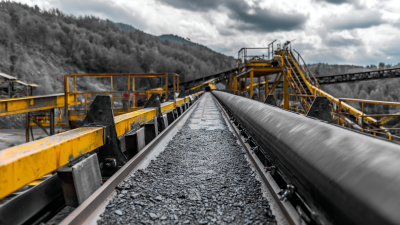
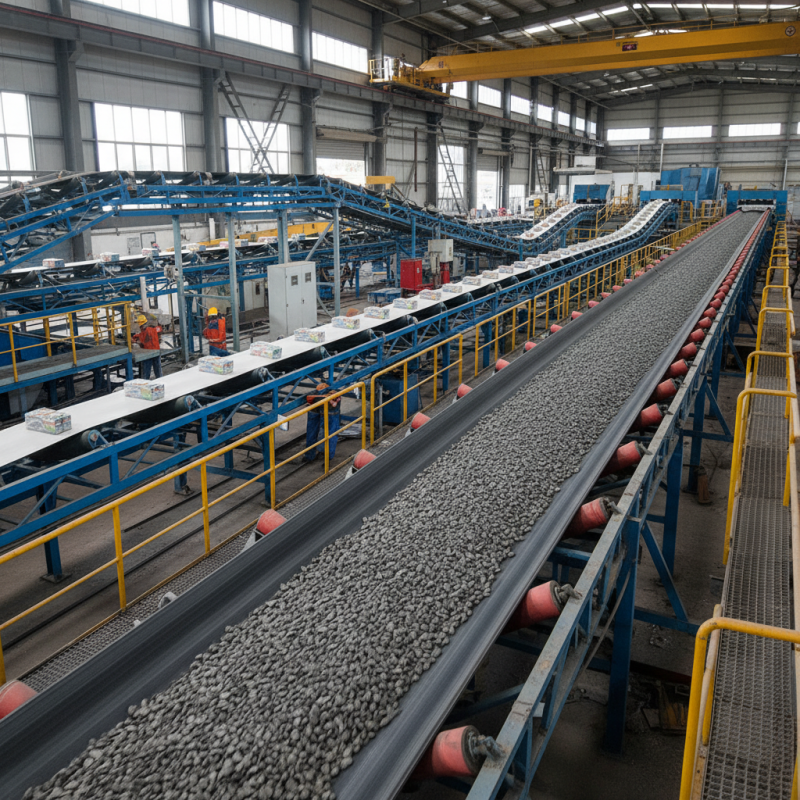
In all kinds of applications, industrial belting acts as the backbone — whether we're talking farming, mining, or food processing, it keeps things running smoothly and helps avoid costly delays. Conveyor Belts, for example, are super important for moving stuff efficiently, but if they start degrading, it can cause serious disruptions. That’s why picking the right materials and design is so crucial for keeping things running without a hitch.
That said, a lot of companies kinda overlook how vital regular maintenance is for their belting systems. Neglecting this can lead to unexpected breakdowns, which nobody wants. Doing routine inspections can really help extend how long your belts last and keep your operations reliable. As businesses grow and change, it’s pretty clear that understanding industrial belting isn’t just useful—it’s pretty much essential if you want to stay ahead of the competition.
What is Industrial Belting? An Overview of Function and Importance
Industrial belting plays a crucial role in various manufacturing processes. It consists of flexible materials that help in the movement of products and machinery components. These belts transfer energy to machinery, helping to ensure operations run smoothly and efficiently. The materials used can vary, impacting durability and purpose.
In many cases, the choice of industrial belting can affect production speed. Poorly selected belts might lead to frequent breakdowns, causing delays. On the other hand, high-quality belting can enhance operational efficiency. Regular maintenance is essential to ensure the belts function optimally. Ignoring this can lead to costly repairs and reduced productivity over time.
Industries employ different types of belts for specific tasks. For instance, some belts are designed for heavy loads, while others excel in transporting small items. Understanding the unique requirements of each application is vital. Failure to do so can result in inefficiency or even safety hazards in the workplace. Balancing cost and performance is often a challenge, requiring careful consideration of all factors involved.
What is Industrial Belting and How Does it Work?
| Dimension | Description | Material Types | Applications |
| Width | Refers to the lateral expanse of the belt | Polyurethane, Rubber, PVC | Packaging, Manufacturing |
| Thickness | The measurement of the belt's depth | Rubber, Fabric, Metal | Conveyor Systems, Mining |
| Length | Total linear measurement of the belt | Nylon, Rubber, Polyester | Agricultural, Food Processing |
| Tensile Strength | The maximum stress a belt can withstand | Synthetic Fibers, Steel Reinforced | Heavy-duty Transport, Industrial Automation |
Types of Industrial Belts: Analyzing Material and Application
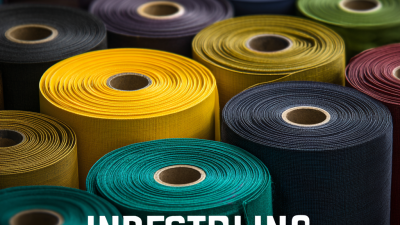
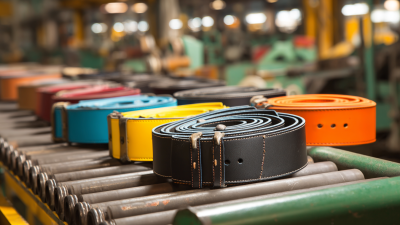
Industrial Belts come in various types, each designed for specific purposes. Understanding the material and application is crucial. Some common types include rubber belts, PVC belts, and fabric belts. Rubber belts are versatile and often used in manufacturing. They can withstand heat and abrasion, making them ideal for heavy-duty applications.
On the other hand, PVC belts work well in food processing environments. These belts are easy to clean and resistant to chemicals. Fabric belts typically have a woven texture. They are often used for lighter loads in non-critical applications. Analyzing the right type of belt for your machinery can prevent costly downtime.
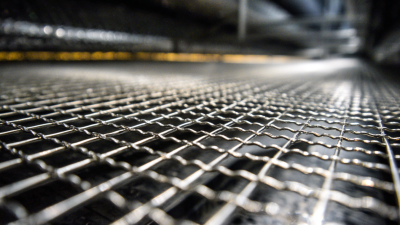
**Tip:** Regularly inspect your belts for wear and tear. Early detection can save time and resources. Consider the working environment of the belts. For instance, in areas involving moisture, Industrial Mesh belts might be the better choice.
Choosing the wrong belt could lead to failures. Remember, not all belts fit every system. Understand the demands of your specific application to avoid mistakes. Each type of industrial belt offers unique advantages and challenges. Selecting the right one takes careful thinking.
Key Components of Industrial Belting Systems and Their Roles
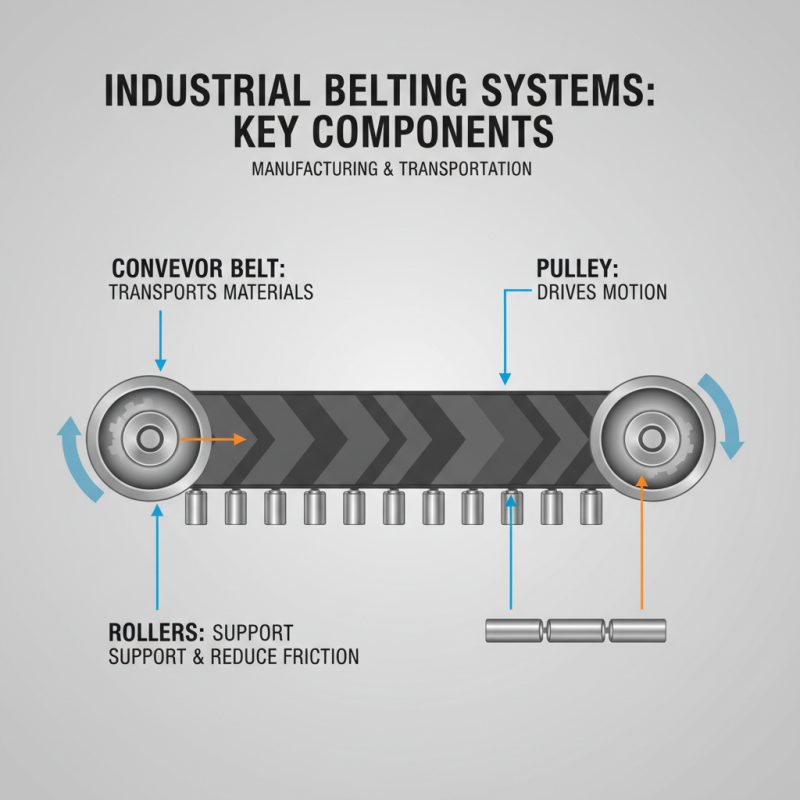
Industrial belting systems play a vital role in various manufacturing and transportation processes. The main components include the conveyor belt, pulleys, and rollers. Each has a specific function that contributes to the overall effectiveness of the system. The belt transports materials from one point to another, while pulleys drive the motion. Rollers support the belt and reduce friction, enhancing efficiency.
Tips: Regular maintenance is essential for Industrial Belts. Check for wear and tear frequently. This can prevent unexpected breakdowns.
The construction of industrial belts varies based on their applications. Some belts are made from rubber or fabric, while others may be metal. Choosing the right material can impact durability. However, some forget to consider load requirements, leading to potential issues.
Proper alignment of belts is crucial. Misalignment can cause uneven wear and reduced lifespan. Monitoring the tension is also important. Too tight or loose can lead to problems. Keep an eye on adjustments regularly to ensure optimal performance.
How Industrial Belting Operates: Mechanics and Dynamics Explained
Industrial belting plays a crucial role in various sectors. It serves as a key component in the transfer of materials, power, and motion. The mechanics behind industrial belting are fascinating. Belts are typically made from rubber, fabric, or metal. They transfer energy between rotating shafts. For instance, conveyor belts carry goods in factories, while V-belts drive machinery.
The dynamics of these systems are equally important. According to industry reports, the global Conveyor Belting market is expected to reach USD 6.5 billion by 2025. This growth highlights the demand for more efficient and reliable belting solutions. Belts operate under tension to prevent slipping, ensuring effective transfer of energy. However, wear and tear can lead to performance issues. Regular maintenance is needed, yet many overlook this crucial aspect.
In real-world applications, challenges arise. Misalignment can reduce efficiency and cause premature failure. Moreover, environmental factors like temperature and moisture can affect performance. It’s clear that while belting systems are robust, they require constant attention. Balancing maintenance with operational demands can sometimes be a struggle for industries.
Industry Standards and Specifications for Industrial Belting
Industrial belting plays a crucial role in manufacturing processes. Various industries rely on it for efficient Material Handling. The standards for industrial belting focus on safety, durability, and performance. These specifications ensure that belts can withstand harsh conditions, including extreme temperatures and heavy loads.
One key aspect is understanding the material composition. Different materials offer distinct properties. For example, rubber belts are flexible, while polyurethane belts are resistant to abrasions. This variation can significantly affect the efficiency of production lines.
Tips: Always evaluate the operational environment when selecting a belt. Consider factors such as temperature and the types of materials being transported. Small misjudgments could lead to costly downtimes later. Additionally, consult industry standards for guidance. Regular inspections are essential to meet safety and performance criteria. A slight oversight here may result in failures down the line.
Factors Influencing the Performance and Lifespan of Belts
When considering industrial belting, various factors impact its performance and lifespan. The material of the belt plays a crucial role. Different materials offer unique durability and flexibility. For instance, rubber belts often provide excellent traction. But they may wear faster in abrasive environments. Adjusting the belt's tension is also vital. Too loose, and there’s slippage. Too tight, and it may lead to premature wear.
Temperature and humidity affect the belts too. High heat can soften some materials. This leads to a loss of structural integrity. On the other hand, moisture may cause rust in metallic components. Regular maintenance is essential. It is important to inspect for any signs of wear and tear. Neglecting this can result in costly downtimes. In Industrial Conveyor systems, proper alignment is critical. Misalignment leads to uneven wear and increased friction. Addressing these factors ensures that operations remain smooth and efficient.
Future Trends in Industrial Belting: Innovations and Sustainability
The future of industrial belting is bright, with innovations paving the way for enhanced efficiency and sustainability. New materials are emerging, making belts stronger and lighter. These advancements reduce energy consumption in manufacturing processes. As industries focus on eco-friendly solutions, sustainable materials gain traction. Recycled plastics, for example, are being implemented in belt production, minimizing waste.
Moreover, the rise of automation influences belt designs. Smart belts equipped with sensors provide real-time data about wear and tear. This allows for timely maintenance, reducing downtime. However, this technology isn’t without challenges. Integration with existing systems can be complicated and costly. Not all businesses can afford such upgrades, limiting the reach of these innovations.
In addition to technology, the use of Industrial Wire Mesh is becoming more prevalent. It offers versatility in various applications, from food processing to material handling. However, ensuring that it meets regulatory standards remains a concern. Companies must address these hurdles for a successful transition to innovative belting solutions. Sustainability in industrial belting is not just a trend; it is essential for future growth.
FAQS
: This product is designed to enhance user experience. It improves efficiency and productivity in daily tasks.
It is suitable for a wide range of users. Individuals, professionals, and teams find it beneficial.
It streamlines various processes. Users can complete tasks faster and with less effort.
Some users may take time to adapt. However, many find the interface intuitive and easy to navigate.
Users may encounter technical issues occasionally. Feedback suggests that troubleshooting can be time-consuming.
Yes, users can personalize settings. Customization enhances usability and meets specific needs.
Customer support is accessible through various channels. Users can get help via email or online chat.
Some features may not work as intended. Users report that performance can vary based on system compatibility.
Updates are released regularly. These include bug fixes, new features, and performance improvements.
Many appreciate the overall design. Some note that not all features meet their expectations, prompting reflection for improvement.
Conclusion
Industrial belting plays a crucial role in various manufacturing processes, facilitating the movement of materials and ensuring efficiency within production systems. This overview explores the different types of industrial belts based on material and application, highlighting their importance in various industries. Key components of industrial belting systems, such as pulleys, rollers, and tensioners, work together to optimize performance and reliability.
Understanding the mechanics and dynamics of how industrial belting operates is essential for maintaining these systems. Factors such as wear, environmental conditions, and operational loads significantly influence the performance and lifespan of belts. With industry standards guiding the specifications for industrial belting, continuous innovations are emerging to enhance sustainability and functionality. The future of industrial belting looks promising, with advancements aimed at improving efficiency and reducing environmental impact.