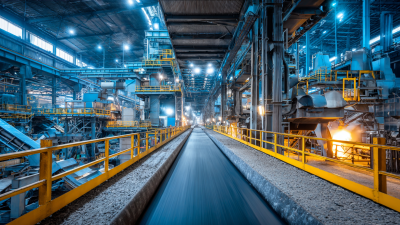
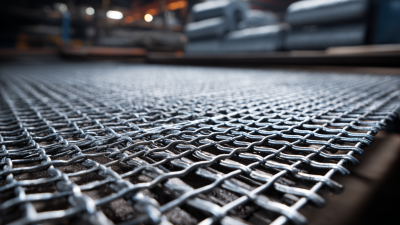
In the world of industrial manufacturing, the performance and durability of machinery can make a huge difference when it comes to productivity and keeping things running smoothly. One piece of equipment that’s super important—especially for processes like baking, curing, and drying—is the Industrial Oven Belt. This part has to handle a lot, like high temperatures and constant movement, all without breaking a sweat or losing reliability.
Picking the right Industrial Oven Belt isn’t just a simple choice; it’s a key step toward making sure everything runs efficiently and lasts longer. With so many materials and designs out there, it can get pretty overwhelming trying to figure out which one fits your specific needs. That’s why I put together this guide—covering the top 10 Industrial Oven Belts, what they’re made of, their pros and cons, and where they might be used. By choosing the right belt, companies can boost their productivity, cut down on maintenance costs, and generally make their operations smoother and more reliable.
Types of Industrial Ovens and Their Applications
Industrial ovens come in various types, each designed to cater to specific applications across multiple industries. One common type is the convection oven, which uses fans to circulate hot air, ensuring even heat distribution. This makes them ideal for baking, drying, and curing processes. Convection ovens can significantly enhance production efficiency by reducing cooking times and improving product consistency.
Another prevalent type is the Belt Oven, known for its continuous operation and high production capacities. These ovens use a conveyor belt to transport products through different heating zones, making them suitable for processes like metal finishing, thermal processing, and even food production. The ability to control temperature and time precisely allows manufacturers to achieve desired results while maintaining high throughput.
Moreover, infrared ovens provide rapid heating by directly transferring heat through electromagnetic radiation. This type is particularly beneficial for applications requiring quick drying or curing without significant waiting times. Additionally, radiant ovens, utilizing gas or electric heat sources, are effective in processes requiring even temperature control. Each type of industrial oven plays a crucial role in enhancing performance and durability, tailored to the needs of a diverse range of industries.
Top 10 Industrial Oven Belt Options for Enhanced Performance and Durability
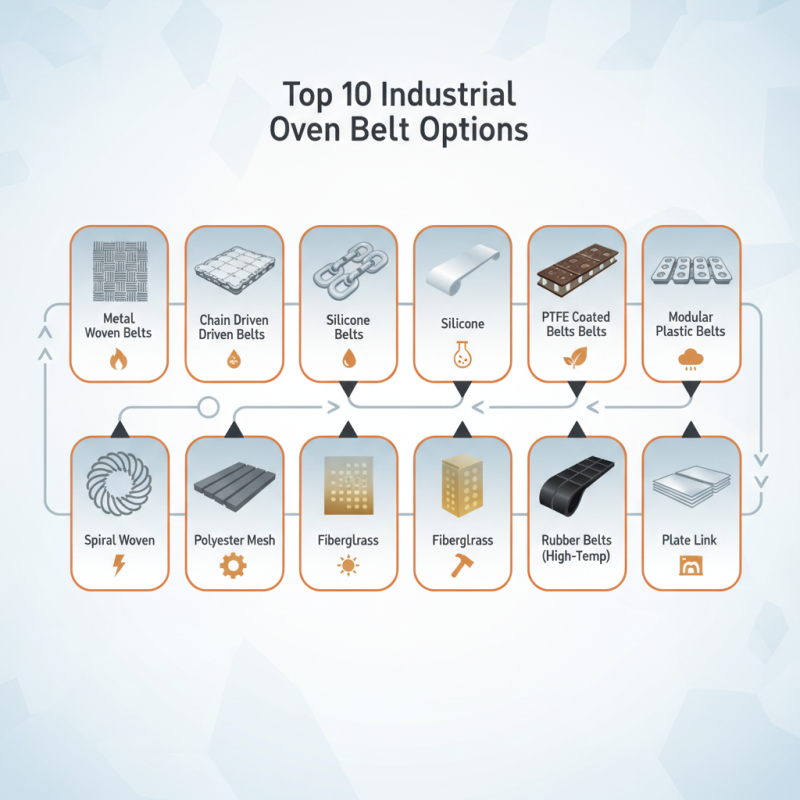
This chart displays the performance ratings and durability estimates for the top 10 industrial oven belts used in various applications.
Key Features to Consider When Choosing Oven Belts
When selecting an industrial oven belt, several key features should be taken into account to ensure optimal performance and durability. First, consider the temperature tolerance of the belt material. Depending on the type of oven and the products being processed, belts must withstand varying degrees of heat without compromising their structural integrity. Additionally, the belt's resistance to chemicals and oils is essential, especially in environments where spills are common. Look for materials that can endure these elements while providing a consistent surface for product movement.
Another critical aspect to evaluate is the belt's design and construction. Features such as thickness, weave type, and any reinforcement can significantly affect the belt's lifespan and functionality. A well-constructed belt minimizes wear and tear, which is crucial for maintaining efficiency and reducing downtime.
Tip: Regular maintenance checks can identify wear patterns early, allowing for timely replacements that prevent costly interruptions. Ensure that your oven belt is compatible with your specific oven configuration and processes—this helps in achieving seamless operation. Another tip is to invest in belts that offer easy cleaning options, as maintaining hygiene is vital in many industrial settings.
Material Options for Industrial Oven Belts: Pros and Cons
When selecting industrial oven belts, the choice of material is critical for optimizing performance and durability. Common materials include Steel Mesh, fiberglass, and silicone-coated fabrics, each with distinct advantages and potential drawbacks. For instance, steel Mesh Belts are known for their strength and high-temperature resistance, making them ideal for heavy-duty applications. However, they can be prone to rust if not coated properly, which may require regular maintenance.
Fiberglass belts, on the other hand, offer excellent heat resistance and flexibility. They are less durable than metal options under extreme mechanical stress but are often more cost-effective for lighter applications.
Another popular choice is silicone-coated fabric belts, which provide a non-stick surface and are resistant to a wide range of chemicals. These belts excel in processes that require easy cleaning and maintenance, yet they may not withstand the highest temperatures as effectively as their metal counterparts. According to industry data, the growth in the demand for specialty belts made from advanced materials is expected to increase by 15% annually over the next five years, reflecting the push for enhanced efficiency and longevity in manufacturing processes.
Tips for choosing the right industrial oven belt include assessing the specific temperature and chemical exposure involved in your processes. Additionally, consider the ease of maintenance necessary for optimal functionality. Regular inspections and cleaning routines can extend the lifespan of any belt material, so invest in a solution that aligns with your operational needs while also factoring in your long-term maintenance capabilities.
Maintenance Tips for Enhanced Performance of Oven Belts
Proper maintenance of industrial oven belts is crucial for ensuring optimal performance and longevity. Regular inspections should be conducted to identify signs of wear and tear, such as fraying edges or uneven surfaces. Performing routine cleaning helps to remove any residue or buildup that may impair functionality. Use appropriate cleaning agents that are compatible with the belt material to avoid causing damage. A clean belt not only promotes better heat transfer but also reduces the risk of contamination in the products being processed.
In addition to cleaning, tension adjustments are vital to maintain the correct operating conditions for the oven belt. An overly tight belt can lead to increased friction and premature wear, while a loose belt may slip and disrupt the production process. Monitoring the temperature settings and ensuring they align with the belt’s specifications will also contribute to its durability. Furthermore, lubricating the bearings and checking alignment regularly can help prevent unnecessary strain on the belt, maximizing efficiency and extending its service life. Implementing these maintenance practices will ensure enhanced performance of oven belts, resulting in a seamless industrial operation.
Top Brands in Oven Belt Manufacturing for Reliability
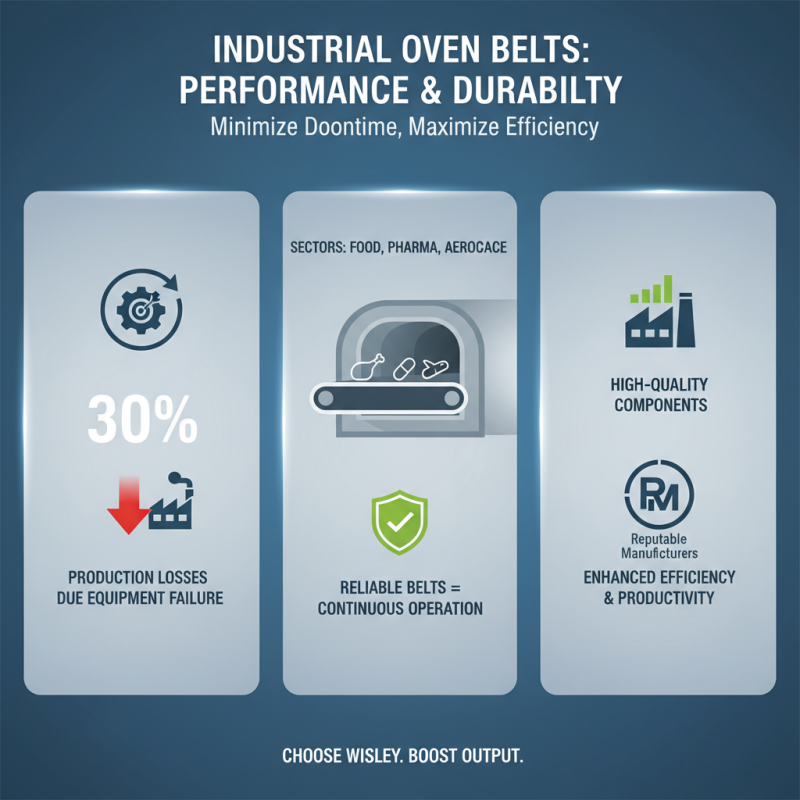
In the competitive landscape of industrial oven manufacturing, the choice of oven belts significantly impacts both performance and durability. Reliable oven belts are essential for ensuring continuous operations and minimizing downtime in various sectors, including food processing, pharmaceuticals, and aerospace. According to a recent industry report, about 30% of production losses can be attributed to equipment failure, with inadequate or inferior quality components often at fault. Selecting high-quality oven belts from reputable manufacturers can mitigate these risks, enhancing efficiency and productivity.
Leading manufacturers in the oven belt sector are focusing on innovative materials and engineering techniques to improve belt longevity and reliability. Recent advancements have led to the development of belts that withstand extreme temperatures and corrosive environments, with some materials demonstrating up to 50% longer service life than traditional options. Furthermore, industry analyses suggest that investing in premium oven belts can provide a return on investment of up to 20% by reducing maintenance costs and increasing overall equipment effectiveness. As businesses strive for optimal performance and reliability, the emphasis on quality oven belts is becoming more pronounced, driving manufacturers to elevate their standards in production processes.
Innovative Technologies in Oven Belt Design and Functionality
The evolution of industrial oven belt technology has significantly transformed the manufacturing landscape, enhancing both performance and durability. With advancements in materials science, modern oven belts are now designed to withstand extreme temperatures and heavy loads, resulting in increased productivity. Reports indicate that high-temperature resistant materials, such as silicone and PTFE, can endure temperatures up to 500°F (260°C) without compromising structural integrity. This not only prolongs the lifespan of the oven belts but also reduces maintenance costs, allowing manufacturers to allocate resources more efficiently.
Innovative designs, such as modular belt systems and seamless joint technology, contribute to improved functionality. These designs minimize the risk of belt slippage and wear, which can halt production processes and lead to costly downtimes. Recent industry analyses reveal that employing modular belts can enhance operational flexibility, allowing for quicker adjustments in response to varying production demands.
Furthermore, integrating smart technologies into industrial oven belts provides real-time monitoring capabilities, enabling proactive maintenance and data-driven decisions that optimize the performance of oven systems. As industries continue to seek more efficient processes, these advancements in oven belt technology are undoubtedly paving the way for enhanced operational excellence.
Cost Considerations for Industrial Oven Belt Upgrades
Upgrading the industrial oven belt is a crucial investment for businesses aiming to enhance operational efficiency and product quality. However, cost considerations are essential when contemplating this upgrade. While the initial expenditure might seem high, it is important to assess the long-term benefits that a high-performance oven belt can provide. Improved durability often translates to reduced maintenance costs and fewer replacements over time. Thus, businesses should conduct a thorough cost-benefit analysis to determine the feasibility of the investment.
Moreover, the choice of belt material and design can significantly affect the total cost. Selecting a belt that aligns with the specific needs of the production process can lead to better heat distribution and energy efficiency, ultimately impacting the bottom line positively. Additional costs such as installation, training for staff, and potential downtimes during the switch-over should also be factored in. Taking these variables into account will help in making an informed decision that balances upfront costs with future savings and performance enhancements.
FAQS
: When choosing an industrial oven belt, consider the temperature tolerance of the belt material, its resistance to chemicals and oils, and the design and construction features such as thickness and weave type. Regular maintenance checks are also important for identifying wear patterns early.
The material of the oven belt is crucial because it determines its ability to withstand heat and resist chemicals or oils, ensuring that the belt maintains structural integrity and provides a consistent surface for product movement.
To prolong the lifespan of your oven belt, choose a well-constructed belt that minimizes wear and tear, and ensure it is compatible with your specific oven configuration. Regular maintenance checks can also help identify issues before they lead to more significant problems.
Investing in high-quality oven belts can mitigate the risk of production losses due to equipment failure. Premium belts enhance efficiency, reduce maintenance costs, and can provide a return on investment by improving overall equipment effectiveness.
Recent advancements include the use of high-temperature resistant materials, modular belt systems, seamless joint technology, and the integration of smart technologies for real-time monitoring, all of which contribute to improved performance and durability.
Modular belts improve operational flexibility by allowing for quicker adjustments to production demands, minimizing the risk of slippage and wear, which can lead to costly downtimes during production processes.
Regular maintenance is essential for monitoring wear and tear, allowing for timely replacements that prevent costly interruptions and ensure continuous operation of industrial processes.
Yes, modern oven belts made from materials like silicone and PTFE can withstand extreme temperatures up to 500°F (260°C), prolonging their lifespan and reducing maintenance costs.
The design and construction of an oven belt, including aspects like weave type and reinforcement, affect its functionality by influencing wear resistance, overall durability, and the efficiency of operations in manufacturing processes.
It's important to invest in oven belts that offer easy cleaning options, particularly in industries where maintaining hygiene standards is crucial, like food processing and pharmaceuticals.
Conclusion
This article explores the top ten options for industrial oven belts, emphasizing their performance and durability. It begins by outlining various types of industrial ovens and their specific applications, which highlights the importance of selecting the right oven belt to match operational needs. Key features for consideration when choosing oven belts, such as temperature resistance and durability, are discussed alongside different material options, presenting their respective advantages and disadvantages.
Additionally, the article provides essential maintenance tips to enhance the performance and longevity of oven belts. It also reviews emerging technologies in the design and functionality of industrial oven belts, ensuring that users stay updated on innovations that can improve efficiency. Lastly, cost considerations are addressed, guiding users in making informed decisions regarding upgrades for their industrial oven systems. Overall, understanding these aspects of industrial oven belts is crucial for optimizing production processes and ensuring reliability in industrial applications.