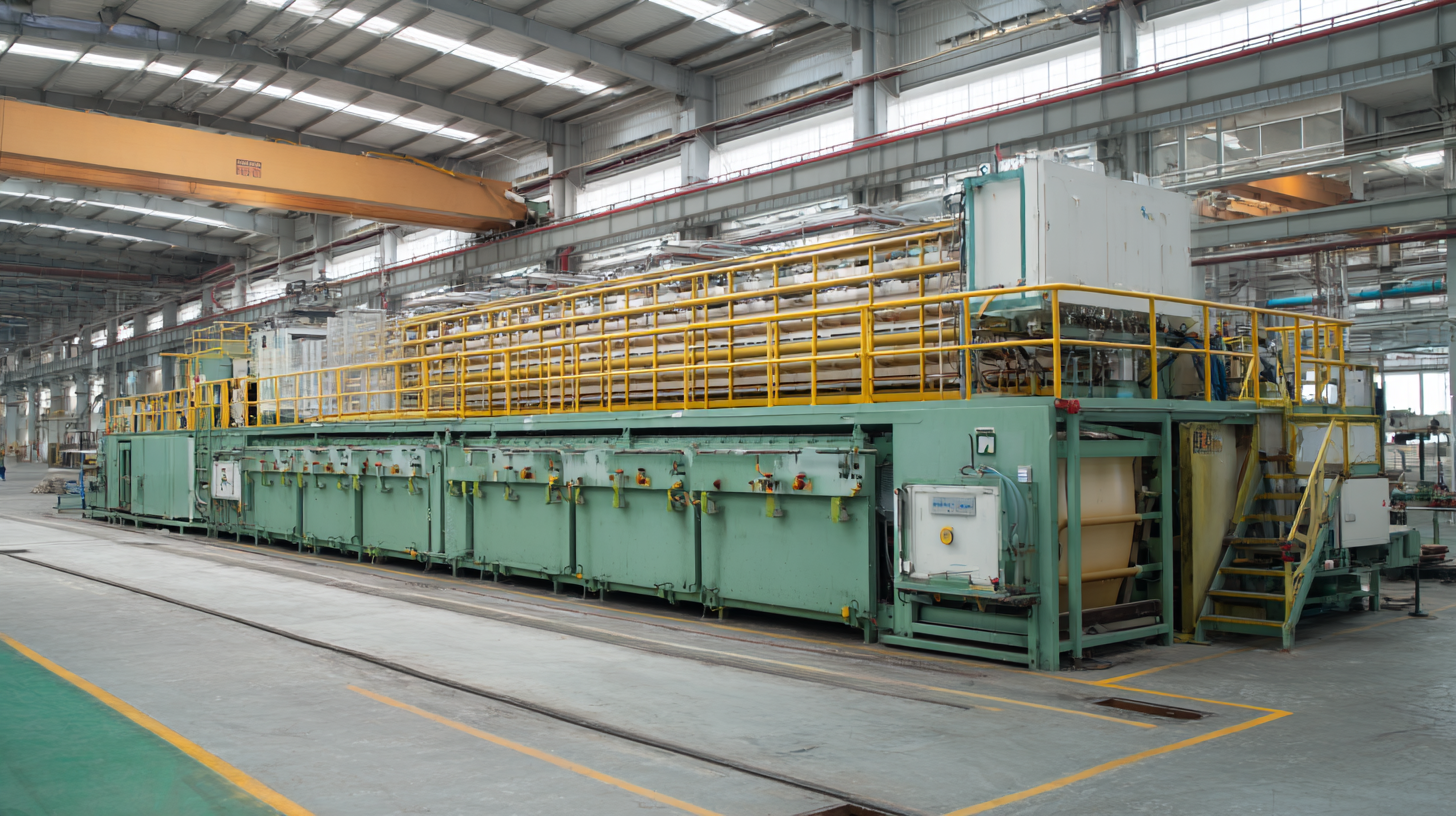
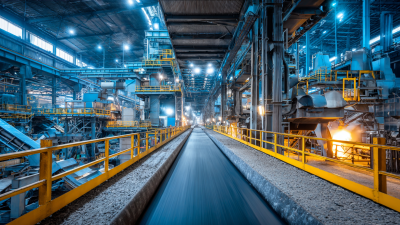
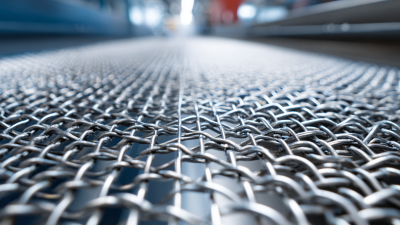
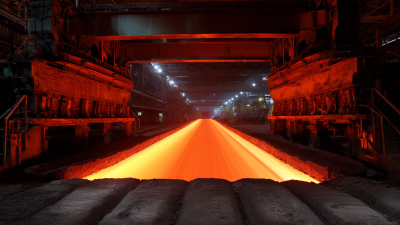
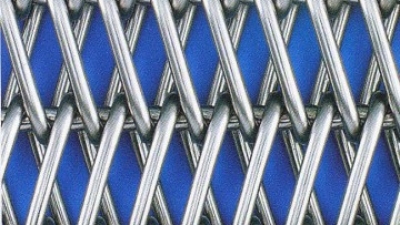
In today’s fast-moving manufacturing world, it’s hard to overstate just how important Industrial Oven Belts really are. These belts are a crucial part of lots of industrial processes—they handle the transportation and heating of products through ovens, which helps ramp up production speeds and boost product quality.
You know, JIANGSU HUADA Metal Mesh Belt CO., LTD.is one of China's leading names when it comes to making metal conveyor belts. They’re really good at creating precision-engineered Wire Mesh belts tailored specifically for industrial ovens. With a real focus on innovation and top-notch quality, theirISO 9001 and CE certified facilities have made it possible to provide advanced solutions to over 20 countries across five continents.
In this write-up, I want to dive into why Industrial Oven Belts are so essential in modern manufacturing, and I’ll share some handy tips on how to get the most out of them—making sure they last longer and work better, which ultimately means smoother operations and better products.
Importance of Industrial Oven Belts in Enhancing Production Efficiency
Industrial oven belts might not be the most glamorous part of manufacturing, but they're totally essential when it comes to keeping things running smoothly. As the tech in manufacturing keeps getting better and more sophisticated, having top-notch components like oven belts becomes even more important. They help maintain consistent heating and handle materials efficiently during production—stuff that’s a big deal in industries like food processing and textiles. Thanks to recent upgrades in oven tech, we can now get more precise temperature control and even baking that's more even, which means better quality products and less wasted material.
But here’s the thing—these belts aren’t just about making things easier. They also open the door for automation, which is a game-changer. Take bakeries, for example—they’re heavily investing in cool new tech that guarantees quality and keeps everything consistent. By combining smart systems with reliable oven belts, bakeries can churn out uniform products more consistently, giving them a real edge against competitors. And with markets like carbon black growing, the need for efficient heating solutions becomes even more obvious. Industrial oven belts play a big part here, helping to optimize processes and cut costs, all while steering manufacturing toward a more sustainable future.
Understanding the Importance of Industrial Oven Belts in Modern Manufacturing Processes
| Dimension | Details |
| Material Type | High-Temperature Resistant Fabrics |
| Average Lifespan | 3-5 Years |
| Temperature Range | Up to 250°C (482°F) |
| Maintenance Frequency | Every 6 Months |
| Impact on Production Efficiency | Reduction in Downtime, Improved Product Quality |
| Common Applications | Food Processing, Electronics, Automotive Parts |
Key Types of Industrial Oven Belts and Their Specific Applications
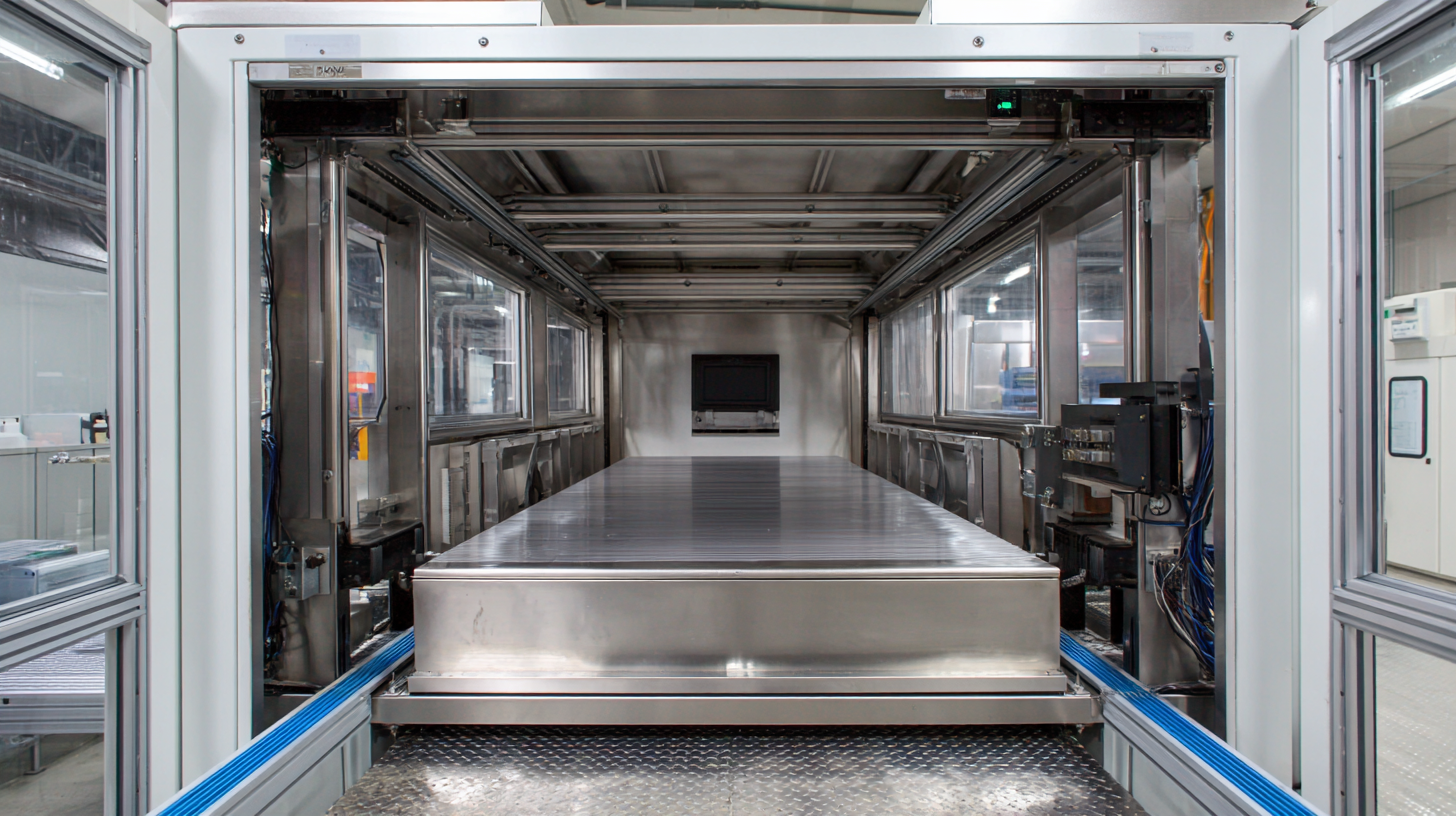 Industrial oven belts might not be the flashiest part of manufacturing, but they’re pretty much the backbone when it comes to moving products through high-heat zones smoothly. If you wanna keep things running efficiently, it really pays to understand the different types of oven belts out there and what they're best for. Knowing your options can make a big difference in your production line.
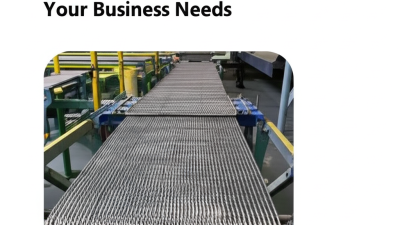
Now, the main types of industrial oven belts include wire mesh belts, fiberglass belts, and silicone-coated belts. For example, wire mesh belts are super popular in metalwork and food processing because they’re tough and can handle a lot of heat without giving in. Interestingly, a recent report from Allied Market Research says the global market for these belts is expected to grow by about 8.2% each year—mainly because manufacturing is getting more automated, which means more demand for reliable conveyor solutions.
If you're trying to pick the right belt, a few tips can help. First off, make sure the material can handle the temperatures and any chemicals or substances it’ll be exposed to. Like, silicone-coated belts are perfect for baking because they can handle sticky stuff without causing any mess or damage. Also, don’t forget to check your belts regularly for signs of wear and tear. Keeping an eye on them can save you from unexpected downtime and even boost safety around the shop.
In the end, choosing the right industrial oven belt based on your specific needs isn’t just about keeping things moving—it’s about making sure everything keeps running smoothly and lasts longer. So, a little attention now can go a long way in the long run.
Maintenance Tips for Prolonging the Life of Oven Belts
Industrial oven belts are pretty essential in today’s manufacturing world—they help make sure products heat up evenly and efficiently. But, just like any other piece of equipment, they need regular care to stay in good shape and keep things running smoothly. A little bit of maintenance here and there can save you from those costly downtime moments and actually boost overall productivity.
One good tip is to make it a habit to check the belt for any signs of wear and tear—things like cracks, fraying, or if it’s stretching out too much. These little issues can really mess with the belt’s performance. Also, don’t forget to keep the oven itself clean; removing debris from the belt and inside the oven not only helps it run better but also cuts down on contamination risks for whatever you're processing.
Another thing is to regularly lubricate the bearings and rollers that support the belt. Using the right kind of lubricant can really cut down on friction and wear, making the whole system run more smoothly. And, it’s a good idea to peek at the belt’s alignment from time to time. If it’s out of whack, that can cause uneven wear and even lead to early breakdowns. Stick to these simple maintenance tricks, and you’ll likely extend the lifespan of those oven belts while keeping the production line rolling without hiccups.
Selecting the Right Oven Belt Material for Your Manufacturing Needs
Picking the right oven belt material is super important if you wanna keep your production running smoothly these days. You know, in industries like baking, curing, or drying—where heat is a big deal—the type of belt you choose can really make or break the final product’s quality, not to mention how long your equipment lasts. Different materials come with their own perks—things like heat resistance, flexibility, and how much weight they can handle—so it’s worth giving some careful thought to what best fits your specific needs.
Here at JIANGSU HUADA METAL MESH BELT CO., LTD., we totally get that every manufacturing setup has its own unique quirks. We’re proud to be one of China’s leading metal conveyor belt makers, focusing on delivering precision-engineered wire mesh belts and chain systems for all kinds of applications. Our products are certified with ISO 9001 and CE, so you know they’re built to handle high temperatures and keep performing at their best.
By choosing the right oven belt material from our wide range, manufacturers can really boost their productivity and keep quality steady throughout the process. At the end of the day, it’s all about helping our partners stay competitive and succeed in a tough market.
Common Issues Faced with Industrial Oven Belts and How to Troubleshoot
Industrial oven belts are pretty much the unsung heroes of modern manufacturing — they keep things running smoothly and help ensure your products come out right. But, truth be told, these belts can run into a variety of issues that throw a wrench in production. Common problems? Things like wear and tear, misalignment, or getting contaminated, all of which can cause the equipment to run less efficiently and lead to more downtime than you'd like. That's why catching these problems early is so important — it keeps things flowing without a hitch.
Some handy tips? Make it a habit to regularly check the belts for signs of aging, like fraying or cracking. And don’t forget to double-check the alignment — if it's off, it puts uneven stress on the belt and can cause it to break down sooner than expected. If you suspect dirt or debris has gotten on the belt, take a moment to give it a good clean. Also, look around the area for possible sources of contamination that might be lurking nearby.
A solid routine maintenance plan is your best friend here. Regular check-ups not only make the belts last longer but also help catch issues before they turn into costly breakdowns. Plus, training your team to spot those early warning signs can make a real difference. When everyone’s on the lookout, you can jump in with fixes before things get messy — saving time and keeping your production on track.
Common Issues Faced with Industrial Oven Belts
Future Trends in Industrial Oven Belt Technology and Manufacturing Processes
You know, as industrial oven tech keeps advancing, the role of oven belts in manufacturing is becoming more and more important, especially in the food biz. It's pretty wild—by 2024, the market for dual oven trays and containers is expected to hit around $1.7 billion, and the projection shows it growing to about $2.27 billion by 2032. That’s roughly a 3.7% yearly growth. This spike? It’s mainly because everyone’s looking for faster, more automated ways to get things done, and cutting-edge conveyor systems are really making a difference.
Plus, with the rise of smart perception tech and AI, industrial processes are changing fast. These innovations are helping boost both efficiency and the quality of what we’re producing. The food industry, in particular, looks pretty optimistic—estimations say oven-related markets will jump from about $10.2 billion in 2024 up to over $13 billion by 2032, growing at roughly 3.2% each year. Many companies, even the big players, are jumping on these tech upgrades to ramp up their production. Long story short—things are looking really promising for industrial oven belts and related tech, with plenty of potential for growth and sales down the line.
Market Trends and Innovations in Fitness Equipment: A Deep Dive into the Rising Popularity of the Double Balance Belt
The fitness equipment market has witnessed a significant shift towards more specialized and innovative solutions, with a notable rise in the popularity of double balance belts. These belts, characterized by their unique weaving techniques and high durability, are becoming essential in various health and fitness applications. With advancements in material technology, users can benefit from products like the High-Temperature Double Balance Weave Furnace Belt, which operates efficiently at temperatures up to 800°C, or the Heavy-Load Double Layer Balance Weave Conveyor System that offers robust support for lifting heavy loads.
In addition to their application in fitness equipment, double balance belts are gaining traction in diverse industries such as mining and automotive. The Abrasion-Resistant Double Balance Belt designed for mining operations showcases superior durability in harsh environments, while the Precision Double Layer Balance Belt is crucial for automotive stamping processes where precision is key. Moreover, the increasing demand for food-grade materials has led to the development of FDA & EHEDG compliant products like the Food-Grade Double Balance Weave Mesh, ensuring safety and reliability in food industries.
As these trends continue to evolve, innovations such as the Corrosion-Resistant Double Balance Weave made from 316L stainless steel marine-grade material stand out for their longevity and performance in challenging conditions. Companies can maximize productivity and efficiency by investing in solutions like the Anti-Static Double Layer Balance Belt for electronics assembly, or the Quick-Release Double Balance Belt for maintenance tasks. This diversification and specialization are shaping the future landscape of fitness equipment and beyond.
FAQS
: Regularly inspect the belt for wear or damage, keep the oven clean, lubricate bearings and rollers, and check belt alignment periodically.
Look for cracks, fraying, or excessive stretching on the belt, which can compromise its integrity and efficiency.
Cleaning the oven reduces debris that can accumulate, improving performance and minimizing the risk of product contamination.
Regularly apply the appropriate lubricant to bearings and rollers associated with the oven belt for smoother operation.
Misalignment can lead to uneven wear and may cause premature failure of the belt, highlighting the need for periodic alignment checks.
Common issues include wear and tear, misalignment, and contamination, which can disrupt production and lead to inefficiencies.
Implementing a routine maintenance schedule and training staff to recognize early warning signs can help prevent unexpected breakdowns.
The rising demand for efficient automated manufacturing processes and advancements in technology, particularly in the food industry, are driving market growth.
The market for dual oven trays and containers is expected to grow from $1.695 billion in 2024 to $2.272 billion by 2032, reflecting a compound annual growth rate of 3.73%.
Innovations in smart perception technologies and AI are enhancing efficiency and product quality in manufacturing processes, indicating a strong future for industrial oven belts.
Conclusion
Industrial oven belts might not always get the spotlight, but they actually play a pretty big role in boosting production efficiency these days. If you get to know the different types of oven belts and what they’re best suited for, manufacturers can really fine-tune their operations and end up with better-quality products. Keeping these belts in good shape through regular maintenance is super important — it helps them last longer and keeps things running smoothly. Plus, choosing the right material for your specific needs is a game-changer. Of course, like anything, oven belts can run into issues now and then, but most of the common problems are usually easy enough to troubleshoot, which means way less downtime for your line.
On the industry side, JIANGSU HUADA METAL MESH BELT CO., LTD. is a pretty big name. They make precision-engineered wire mesh belts that serve a whole bunch of manufacturing needs around the world. They’re all about quality, holding ISO 9001 and CE certifications, and they’re always staying ahead of the curve when it comes to the latest trends in industrial oven belt tech. Basically, they’re continuously evolving to keep up with what modern manufacturing demands.