Leave Your Message
0%

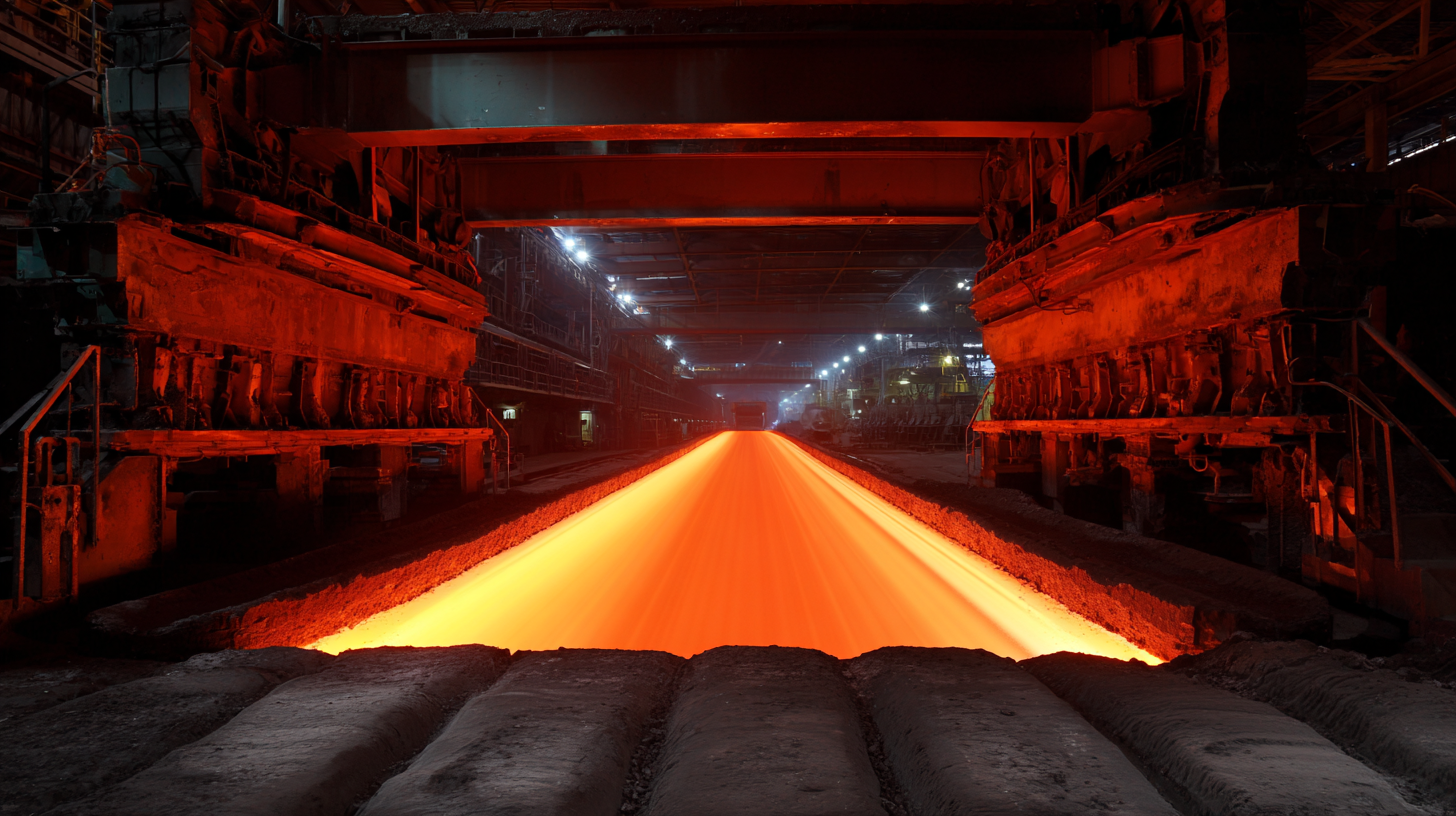
You know, when it comes to industrial processes—especially sintering ones—efficiency really makes a big difference. Not just in how smoothly everything runs, but also in how much energy is wasted and what that costs overall. The International Energy Agency (IEA) says that these kinds of processes gobble up nearly 30% of the world's energy, which is a huge chunk. That's why optimizing these systems is such an important deal. One key part of that is the Sintering Furnace Belts—they help boost efficiency and can even cut energy use by up to 30%.
Maximizing Efficiency: The Role of Sintering Furnace Belts in Reducing Energy Consumption by 30%

Now, leading the charge in this space is JIANGSU HUADA Metal Mesh Belt CO., LTD.—a pretty innovative Metal Conveyor belt manufacturer out of China. They producetop-notch wire mesh belts that meet strict standards like ISO 9001 and CE certification. By combining smart designs with cutting-edge materials, HUADA is really working to lower energy consumption while keeping productivity high. It’s pretty awesome because, in the end, they’re helping build a more sustainable industrial scene—serving clients across more than 20 countries on five continents.

Impact of Sintering Furnace Belts on Operational Efficiency

Sintering furnace belts are pretty essential when it comes to making manufacturing processes run smoothly and efficiently. Basically, these belts are specially designed to help materials move seamlessly through the furnace, making sure everything heats and cools just right. When they provide even support and keep friction low, they really help keep product quality consistent — which means fewer defects and less waste overall.

Plus, modern sintering belts can actually help save quite a bit of energy. They’re built to work at lower temperatures, cutting down energy use by up to 30%. That’s a huge plus—not only does it save some bucks on utility bills, but it’s also better for the environment since it reduces the carbon footprint of the whole process.

So, upgrading to high-quality sintering furnace belts isn’t just good for production—it’s also a smart move for manufacturers who want to stay efficient and eco-friendly at the same time.

Understanding Energy Consumption in Sintering Processes

Figuring out how much energy goes into sintering processes is a pretty big deal if you want to make manufacturing more efficient and eco-friendly. You see, sintering — that process where materials are fused together with heat — tends to gulp down a lot of energy. So, industries really need to take a close look at their energy use to cut costs and do their part for the environment. The good news is, by tweaking and fine-tuning how they run sintering, manufacturers can cut their energy bills significantly — we're talking as much as 30% savings, which is pretty impressive.

A big factor in making this happen is choosing top-notch sintering furnace belts. These belts are specially designed to boost how efficiently heat is used and to cut down on heat being wasted. Picking belts with great insulation can seriously lower the amount of energy needed to keep everything at just the right temperature during the process. Plus, going for materials that last longer means fewer replacements and less money spent on upkeep over time.

Some practical tips for cutting down energy use? Regularly maintaining your furnace belts so they stay in tip-top shape, running energy audits to spot any leaks or waste points, and using smart monitoring systems to keep an eye on energy consumption live as things go. Putting these ideas into action can make a real difference — saving money and making your production a bit more green. And hey, even small changes in how you run the whole sintering process can add up over time to big energy savings.

Maximizing Efficiency: The Role of Sintering Furnace Belts in Reducing Energy Consumption by 30%

Technological Advances in Sintering Furnace Belt Design

You know, the development of sintering furnace belts is pretty crucial when it comes to making manufacturing more energy-efficient. Thanks to some cool new tech, industries are now able to cut down on energy use — we're talking about savings of up to 30%, which is pretty huge these days when everyone’s looking to be more sustainable. These improvements mainly come from smarter design approaches that better distribute heat and move materials around more smoothly, so operations run more seamlessly and they don’t have to stop and start as often.

Maximizing Efficiency: The Role of Sintering Furnace Belts in Reducing Energy Consumption by 30% Focusing on materials that handle heat really well and improving airflow has made a big difference, giving more control over the sintering process, which means higher quality products and less waste.

Oh, and it’s pretty awesome how these sintering tech advancements aren’t just sticking to one industry. They’re being used in jewelry making, watchmaking, even automotive manufacturing. For example, the rise of 3D printing techniques like Binder Jetting in auto manufacturing shows how much confidence industries are putting in these new materials and methods. Plus, with more automated sintering systems coming into play, things are expected to get faster and more efficient — it’s like a whole new level of production. As these technologies keep improving, they’ll not only make current manufacturing methods better but also open doors to totally new ways of doing things, helping us move toward a greener, more sustainable future.

Strategies for Reducing Energy Costs in Manufacturing

Manufacturing companies are really feeling the squeeze from rising energy costs, and it’s hitting their efficiency and profits pretty hard. In the UK, though, the government’s new Industrial Strategy is trying to help out. They've rolled out a ten-year plan aiming to cut energy bills for over 7,000 businesses by up to a quarter. It’s not just about saving money—this initiative also aims to shake up supply chains and boost innovation through big investments in new tech. That way, they’re working toward building a more sustainable manufacturing scene. Cutting energy costs like this could save companies a staggering roughly £1 billion, which they can then put into R&D or use to stay ahead in the market.

On top of that, adopting smarter, energy-efficient practices—like using sintering furnace belts—can really make a difference. For example, some studies show that switching to advanced sintering tech can cut energy use by up to 30%. Focusing on these kinds of innovations helps manufacturers not only stay aligned with the goals of the Industrial Strategy but also move in step with the global push for greener, more sustainable practices. As more companies jump on board with these energy-saving techs, they’ll likely see their costs drop and their carbon footprint shrink, which is a win-win for everyone trying to get closer to sustainability targets.

Environmental Benefits of Efficient Sintering Operations

Efficient sintering operations are really a game-changer when it comes to cutting down energy use, which is pretty much a win for the environment. Using high-performance furnace belts can actually help industries slash their energy consumption by up to 30%. That means not only saving on costs, but also doing our part to reduce the carbon footprint of the entire sintering process. As more industries push toward greener practices, embracing these kind of advanced technologies is becoming pretty much essential.

On top of that, switching to better sintering furnace belts helps cut down greenhouse gases, thanks to more even heat distribution and better thermal efficiency. This means materials are processed more effectively and we rely less on fossil fuels. Plus, using less energy can also lessen the environmental impact linked to mining and raw material production—another good step toward a more sustainable economy. Moving toward these efficient sintering methods isn’t just about boosting productivity; it’s a crucial move toward building a more environmentally responsible industry that cares for the planet and future generations.

Energy Consumption Reduction in Sintering Operations

This chart illustrates the impact of implementing efficient sintering furnace belts on energy consumption within sintering operations. The data shows a comparison between traditional furnace operations and those utilizing advanced sintering belts, highlighting a 30% reduction in energy usage.

Innovative Solutions for Enhanced Durability: The Advantages of Rod Reinforced Belts in Modern Applications

In modern industrial applications, durability is paramount, and the implementation of rod reinforced belts presents innovative solutions that meet this demand. These belts are designed to withstand extreme conditions, making them ideal for various sectors, including mining, manufacturing, and food processing. For instance, the Mining Grade Rod Reinforced Ore Transport Belt excels in transporting heavy loads with ease, while the High-Temperature Rod Reinforced Furnace Belt can endure temperatures up to 800°C. Such features ensure that these belts maintain their structural integrity in challenging environments, reducing downtime and maintenance costs.

Beyond their temperature and load-bearing capabilities, rod reinforced belts offer versatility across applications. The Customizable Pitch Rod Reinforced Heavy-Duty Belt allows for tailored solutions that fit specific operational needs, enhancing efficiency. In sectors where safety is crucial, the Anti-Static Rod Reinforced Belt for Automotive Stamping minimizes the risk of static discharge, safeguarding both equipment and personnel. Additionally, the 316L Stainless Steel Rod Reinforced Food-Grade Belt meets high hygiene standards, making it suitable for food processing environments. With options like the Low-Noise Rod Reinforced Conveyor for Precision Assembly, businesses can also enhance their operational environments by reducing noise pollution.

These innovative rod reinforced belts stand out not only for their durability but also for their ability to adapt to a variety of industrial requirements, ensuring that production lines run smoothly and efficiently.

FAQS

: What is the role of sintering furnace belts in manufacturing processes?

: Sintering furnace belts facilitate the smooth movement of materials through the furnace, ensuring optimal heating and cooling patterns, which enhances operational efficiency and product quality.

How do advanced sintering furnace belts contribute to energy savings?

They operate at lower temperatures, reducing overall energy consumption by up to 30%, which lowers operational costs and aligns with sustainability goals.

Why is understanding energy consumption in sintering processes important?

Analyzing energy usage is crucial for cost reduction and environmental benefits, as sintering processes often consume significant amounts of energy.

What benefits do high-quality sintering furnace belts provide?

They improve thermal efficiency, minimize heat loss, and reduce the energy required to maintain optimal temperatures, leading to decreased operating costs over time.

What maintenance practices can help minimize energy consumption in sintering processes?

Regularly maintaining furnace belts, conducting energy audits, and utilizing advanced monitoring systems can enhance efficiency and track energy usage in real-time.

How does the UK Industrial Strategy aim to address rising energy costs for businesses?

The strategy aims to cut energy bills by up to 25% for over 7,000 businesses, reshape supply chains, and support innovation through substantial investment in technology.

What is the potential economic impact of reducing energy costs in manufacturing?

Reducing energy costs could lead to savings of approximately £1 billion, allowing companies to reinvest in research and development and enhance their competitive edge.

What percentage of energy savings can advanced sintering technologies yield?

Advanced sintering technologies can yield energy savings of up to 30%.

How do energy-efficient practices contribute to sustainability in manufacturing?

Implementing energy-saving technologies such as advanced sintering methods helps decrease operational costs and the carbon footprint, contributing to sustainability goals.

What strategies can manufacturers implement to enhance their energy efficiency?

Manufacturers can regularly maintain their furnace belts, conduct energy audits, utilize monitoring systems, and invest in energy-efficient equipment to enhance efficiency.

Conclusion

Hey, I recently came across this article called "Maximizing Efficiency: The Role of Sintering Furnace Belts in Reducing Energy Consumption by 30%." It really dives into how these belts are a game-changer when it comes to making manufacturing processes more efficient. The piece explains how overhauling belt designs can actually cut down energy use significantly — like, we're talking substantial savings — which not only boosts productivity but also helps cut down costs. It’s pretty eye-opening how understanding the ins and outs of energy use in sintering can help manufacturers figure out smarter ways to reduce waste and work better.

Plus, the article touches on the environmental perks of making sintering more efficient. It’s all about how tech innovations in this space can make a positive difference. By the way, JIANGSU HUADA METAL MESH BELT CO., LTD., a leader in making metal conveyor belts, is a big player here. They supply precision-engineered Sintering Furnace Belts to various industries around the world, really pushing forward energy efficiency and sustainability in manufacturing. Honestly, it’s a pretty compelling read if you’re into how tech can make a real impact on both business and the planet.
Aria

Aria

Aria is a dedicated marketing professional at Jiangsu Huada Metal Mesh Belt Co., Ltd., a pioneering manufacturer of metal conveyor belts in China. With a deep expertise in the industry, Aria is committed to showcasing the precision-engineered wire mesh belts and chain-driven systems that the......
Previous Solutions for Durable and Efficient Belt Hinge Designs