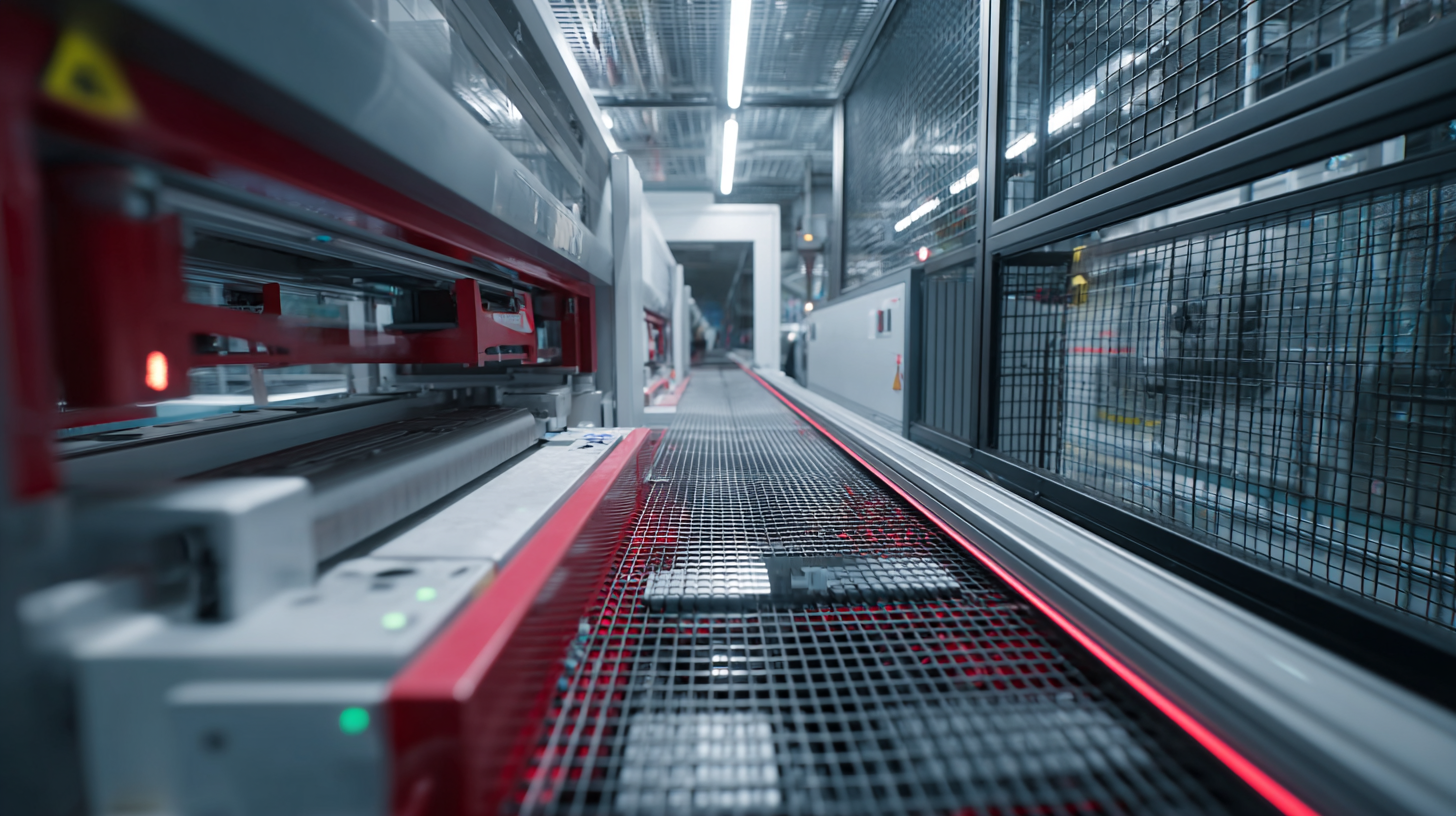
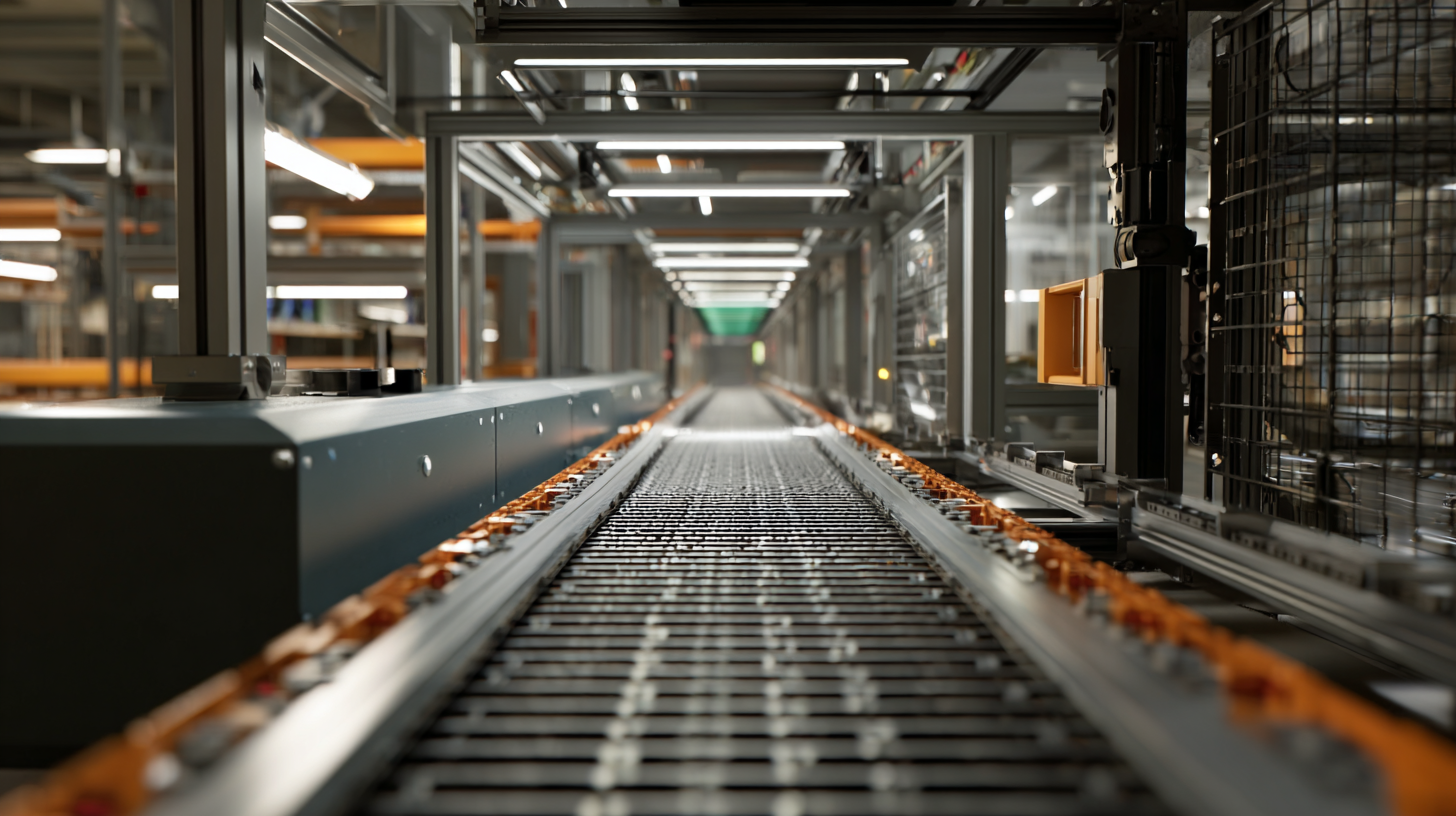
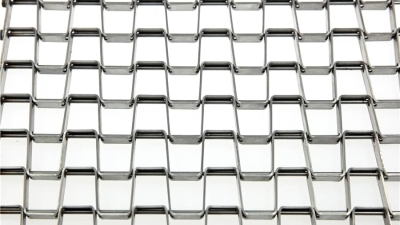
In today’s fast-moving world of manufacturing, keeping production efficient is pretty much essential if you want to stay ahead. I came across a report in the International Journal of Production Research that highlights how tweaking conveyor systems like Mesh Belts can really boost manufacturing performance — some companies have seen improvements of around 30%! As one of the leading manufacturers of Metal Conveyor Belts,JIANGSU HUADA Metal Mesh BELT CO., LTD. has a knack for precision-engineered wire mesh belts and chain-driven systems that deliver solid results. They’re actually working with clients in over 20 countries across five continents! With ISO 9001 and CE certifications, HUADA’s all about raising the bar in manufacturing standards.
In this blog, I’ll dive into ten ways Mesh Belts can not only make your operations smoother but also ramp up productivity — helping manufacturers stay competitive in a pretty diverse market out there.
Benefits of Mesh Belts for Streamlined Production Processes
In today's manufacturing world, being efficient is more important than ever. One pretty cool upgrade that's really making a difference is using mesh belts on conveyor lines. These things can actually boost production speeds by up to 30%! They're super versatile and bring a bunch of advantages, especially in food processing and automotive sectors. I came across a report in the International Journal of Advanced Manufacturing Technology that mentioned companies switching over to wire mesh belts saw their material handling times drop, and their products stayed better quality — all leading to a nice boost in overall productivity.
Now, a leader in this space is JIANGSU HUADA METAL MESH BELT CO., LTD. They’re pretty much leading the charge with high-quality, precision wire mesh belts that are shipped to over over 20 countries around the globe. Their factories have ISO 9001 and CE certifications, so you know stuff's made to last, even in tough manufacturing setups. Using mesh belts helps keep the production lines running smoothly, and it's a big plus because it allows for quick changeovers. Plus, it cuts down on contamination risks, which is a huge deal, especially when strict quality control is needed. Overall, adopting these advanced systems helps manufacturers speed things up, get more out of their lines, and stay competitive out there in the market.
Enhanced Durability: How Mesh Belts Outlast Traditional Options
Mesh belts really shook up manufacturing, especially because they last so much longer than the traditional ones. Unlike the old-school belts that tend to wear out pretty quickly and need replacing all the time, these mesh belts — think from companies like Jiangsu Huada Metal Mesh Belt Co., Ltd. — are built to last. That means less downtime, fewer maintenance headaches, and a much smoother, more efficient production process. In fact, some reports suggest that when companies switch to these high-tech belts, they can boost their overall efficiency by up to 30%. Pretty impressive, right?
And it’s not just a small trend — the worldwide market for mesh belts is set to grow big time, especially as industries like automotive and consumer electronics keep expanding. Those sectors need reliable conveyor systems, and mesh belts fit the bill perfectly. Plus, we’re seeing a CAGR of around 4.4% in things like restorative dentistry alone, which shows that as manufacturing keeps improving, so does the market’s potential. More and more manufacturers are catching on to the benefits of using mesh belts, leading to stronger gains in productivity and efficiency across the board. It’s an exciting time for this tech, for sure.
Reduced Downtime: The Role of Mesh Belts in Seamless Operations
In today’s manufacturing world, how smoothly things run really determines how productive and profitable a business ends up being. One thing that can make a big difference? Mesh belts. Here at JIANGSU HUADA METAL MESH BELT CO., LTD., we get it—keeping downtime to a minimum is key for keeping things flowing without hiccups. That’s why we design our wire mesh belts to be super precise; they help handle materials more efficiently and cut down on delays. Plus, thanks to their sturdy build, they’re less likely to wear out quickly and need less maintenance compared to older conveyor systems. This means production lines stay up and running without too many interruptions.
On top of that, our chain-driven systems are pretty flexible—they can be easily integrated into different kinds of manufacturing setups. Whether you’re into food processing, packaging, automotive assembly, or something else, our mesh belts support and move materials smoothly and accurately. We’re proud to be a forward-thinking manufacturer with ISO 9001 and CE certifications, so quality is a top priority at HUADA. Our belts are built to last, which means fewer breakdowns and less hassle for producers. By choosing our advanced mesh belt solutions, manufacturers can seriously step up their operations—leading to around a 30% boost in productivity and efficiency.
Improving Product Quality with Efficient Material Handling Solutions
Mesh belts have really started to change the game in manufacturing, especially when it comes to boosting product quality through better material handling. Using mesh belts allows manufacturers to get better airflow and keep temperature steady during production—stuff that’s super important for industries like food processing, textiles, and pharma. Because of their open design, mesh belts handle heat and drying much more evenly, helping products stay high-quality without the risk of overheating or trapping moisture.
Plus, they’re pretty flexible and tough, which makes the whole manufacturing process run smoother. They fit easily with automated systems, cutting down on contamination chances and keeping things flowing nicely. This means less fuss and fewer defective products making it to the end customer. All in all, choosing mesh belts is a smart move if you want to improve product quality and stay competitive in today’s busy market.
Cost Savings Through Energy Efficiency and Reduced Waste
In the busy world of manufacturing, every little detail can make a big difference—especially when it comes to saving costs and boosting efficiency. One game-changer that's been making waves is the use of mesh belts. They've really proven their worth by helping to save energy and cut down on waste. These belts are designed to let air and moisture move around freely, which creates just the right conditions for drying and cooling. That extra airflow means machinery doesn't have to work as hard, which ends up reducing energy use and, in turn, lowering overall operating costs.
On top of that, the way mesh belts are built helps minimize material waste. That's a big deal for sustainability-minded manufacturers. Unlike your standard conveyor setups, mesh belts are super easy to clean and maintain, which means less downtime and fewer resources spent on upkeep. This kind of efficiency not only saves energy but also keeps production running smoothly and materials used effectively throughout the entire process. As more industries try to hit that sweet spot between making money and being environmentally responsible, switching to mesh belts feels like a smart move—one that can boost energy savings and cut down on waste, pushing overall manufacturing efficiency up by around 30 percent.
Impact of Mesh Belts on Manufacturing Efficiency
Implementing Mesh Belts: Key Steps for a Smooth Transition in Manufacturing
Implementing mesh belts in your manufacturing process can really give your operations a boost. I mean, if you've read that piece called "10 Ways Mesh Belts Improve Manufacturing Efficiency by 30 Percent," you’ll know these belts help products move smoothly along the line. That means less downtime and getting more done in less time. JIANGSU HUADA METAL MESH BELT CO., LTD. is actually a leading name in this space—they offer some pretty advanced wire mesh solutions that suit all sorts of industries. And because they’ve got ISO 9001 and CE certifications, you can trust their stuff to hold up under tough conditions—shipping to over 20 countries, too.
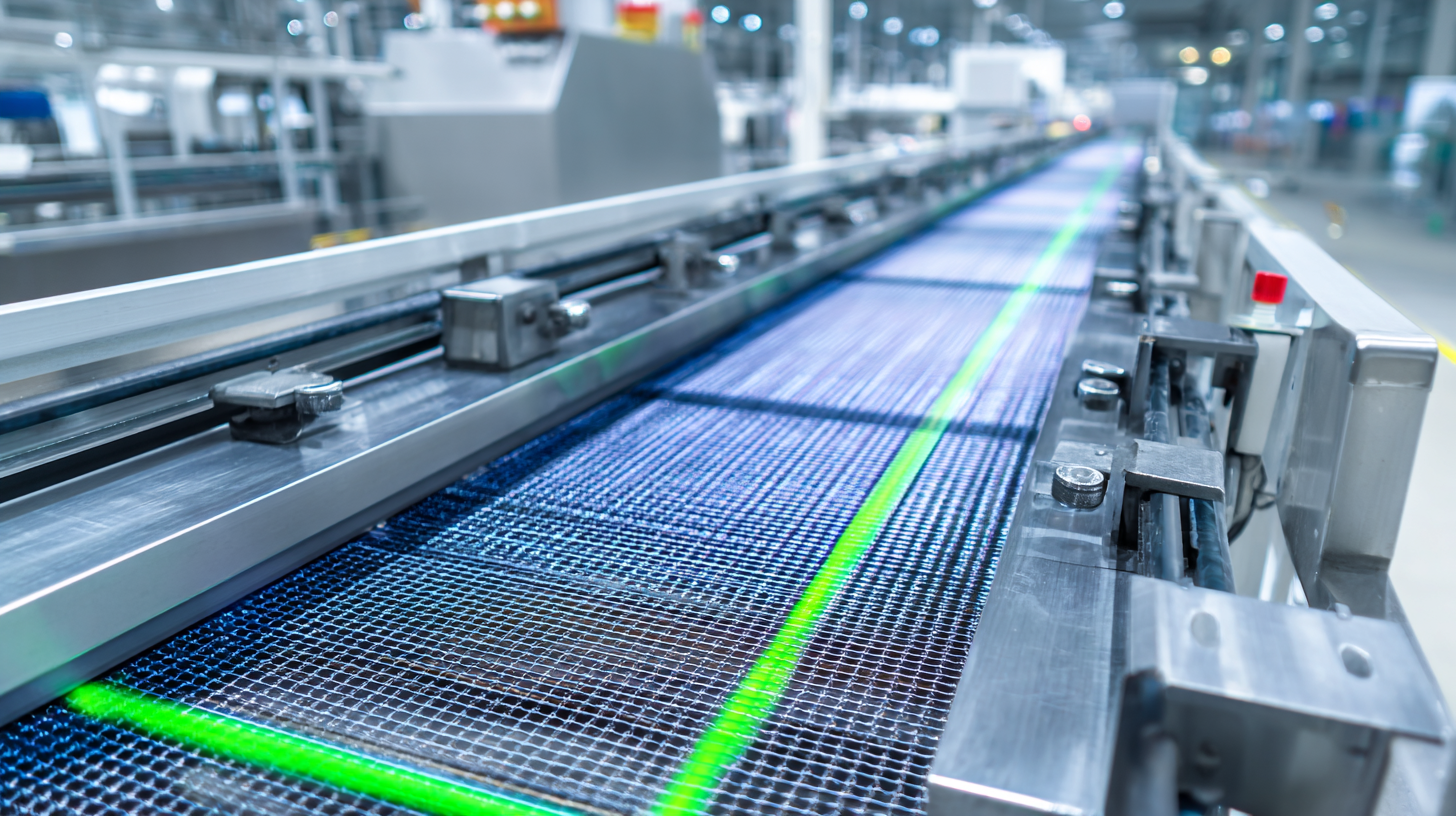
Switching over to mesh belts isn’t just about installing new equipment, though. It’s a bit of a process. You really need to evaluate your current setup, figure out if mesh belts will actually solve some issues or improve things, and make sure your team is trained on any new procedures. Working with experts during this transition? Definitely a smart move. It helps things go smoothly and cuts down on any unexpected hiccups.
Oh, and here’s a quick tip: don’t forget regular maintenance. Checking your mesh belts for wear and tear on a routine basis can seriously extend their life and keep things running efficiently. Catching issues early makes all the difference.
Another tip—try combining automation with these mesh belt systems. When you pair modern tech with top-notch belts, you can really push your efficiency higher and keep your operations firing on all cylinders.
Enhancing Manufacturing Efficiency: Insights from Industry Reports on Flat Wire Belt Applications and Market Trends
In the ever-evolving landscape of manufacturing, enhancing efficiency is crucial to maintaining a competitive edge. The recent industry reports highlight the remarkable versatility and application of flat wire belts across various sectors. These belts are not only integral to high-temperature operations, such as those found in furnaces—capable of withstanding temperatures up to 800°C—but they also offer FDA-compliant options for food-grade applications, ensuring safety and hygiene in food processing environments.
Flat wire belts come in various specifications tailored to specific industry needs. For instance, anti-static flat wire belts are tailored for electronics assembly, reducing the risk of static discharge that can compromise delicate components. On the other hand, heavy-duty flat wire belts for metal stamping provide the resilience required in high-pressure manufacturing settings. Additionally, custom-width mesh for packaging lines and hygienic options with EHEDG certification enhance operational flexibility while adhering to stringent hygiene standards. This diversity underscores the importance of selecting the right belt for your application to optimize production processes effectively.
FAQS
: Mesh belts are precision-engineered wire belts that streamline material handling processes, reduce downtime, and minimize operational delays in manufacturing environments.
Mesh belts have a robust design that is less prone to wear and requires less frequent maintenance than traditional conveyor systems, allowing production lines to run smoothly.
Mesh belts can be used in various industries, including food processing, packaging, and automotive assembly, providing consistent support and precise movement for different materials.
The mesh belts are produced in ISO 9001 and CE certified facilities, ensuring high-quality manufacturing that enhances durability and reduces operational interruptions.
Key steps include assessing the current system, identifying beneficial areas for mesh belts, and training staff on new operational procedures to ensure a smooth transition.
Regular maintenance, including periodic inspections for wear and tear, can significantly extend the lifespan of mesh belts and maintain their efficiency levels.
Manufacturers can achieve a significant boost in operational efficiencies, leading to a potential increase in productivity by up to 30 percent.
Integrating automation with mesh belt systems can further enhance efficiency, pushing operational productivity even higher.
Conclusion
In today’s super busy manufacturing world, switching over to Mesh Belts can really give your operations a boost—potentially bumping up productivity by as much as 30%. These belts come with some pretty solid benefits. For starters, they’re more durable than traditional conveyor belts, which means less downtime and a smoother overall workflow. Plus, their clever design helps with handling materials more efficiently, leading to better product quality and serious savings—think lower energy bills and less waste. It’s a win-win.
Now, I won’t lie, making the switch to Mesh Belts isn’t something you do overnight. It needs some good planning, but trust me, the benefits totally outweigh the initial effort. Companies like JIANGSU HUADA METAL MESH BELT CO., LTD. are pretty much leading the way in China with top-notch, precision-engineered solutions that are ready for modern production needs. They’ve got those ISO 9001 and CE certifications, so you know you’re in capable hands. All in all, it’s a smart move for streamlining your production and setting up for long-term success.