Leave Your Message
0%

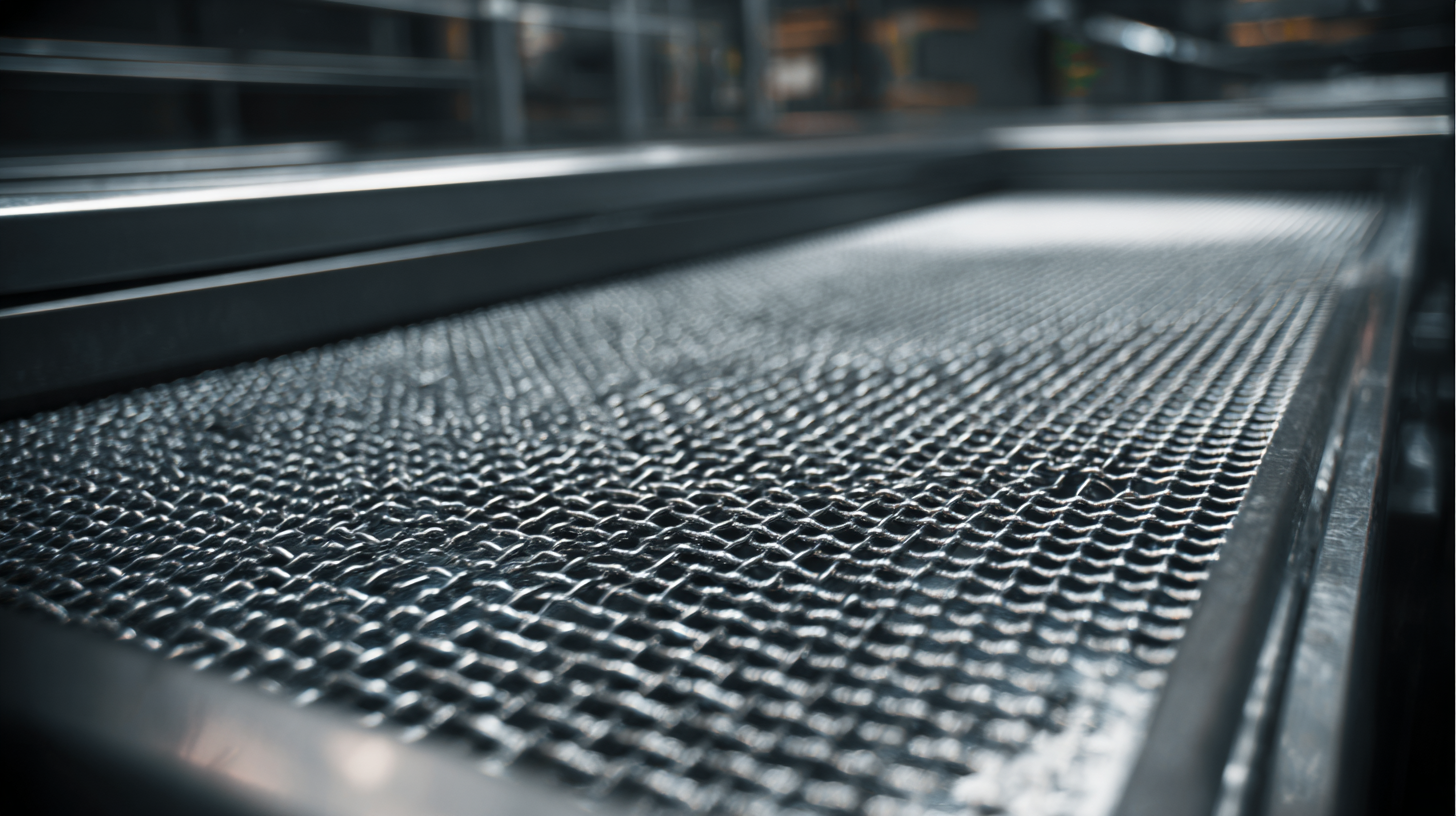
In today’s fast-changing world of industrial manufacturing, fine-tuning your Continuous Oven Mesh Belt isn’t just a good idea—it’s pretty much a must if you want to stay efficient and get things done faster. Industry folks say the global conveyor system market is set to hit around $9.2 billion by 2025, and a big chunk of that comes from fancy mesh belt tech. Companies like JIANGSU HUADA METAL MESH BELT CO., LTD., a top player in China when it comes to making metal conveyor belts, are really driving this trend. They ship super precise wire Mesh Belts and chain systems to over 20 countries worldwide. And with certifications like ISO 9001 and CE, HUADA makes sure their products are up to snuff in quality and durability. Honestly, in 2023, keeping your Continuous Oven Mesh Belt optimized isn’t just about smooth operations anymore — it’s a strategic move for businesses eager to boost efficiency and stay competitive in the global scene.
7 Essential Tips to Optimize Your Continuous Oven Mesh Belt for Maximum Efficiency in 2023

Comparative Analysis of Continuous Oven Mesh Belt Materials for 2023 Efficiency

If you're looking to maximize the efficiencyof your continuous Oven Mesh Belts in 2023, one of the key things to pay attention to is the kind of materials you choose for making these belts. Thematerial composition really makes a difference—it affects how well the belt retains heat, how durable it is, and how it performs in those super hot environments. You’ve got options like stainless steel, carbon steel, and some pretty advanced composites, each bringing its own set of perks. For example, stainless steel’s great if you need something resistant to rust and corrosion, especially when you’re working with moist or acidic stuff. On the other hand, carbon steel is often preferred because it’s tough and can withstand being deformed under heat without giving up.

It’s not just about the material’s strength though—things like weight and flexibility really also play a part in how quickly and smoothly your production line runs. Lighter belts made from newer composite materials can help speed things up by moving products through the oven faster, which cuts down on cycle times. But, here’s the thing—it's all about finding that sweet spot. You want a belt that’s lightweight but still tough enough to handle the tough conditions without breaking or wearing out too quickly.

Taking the time to analyze what your specific needs are and weighing the pros and cons of each material can really help in picking the best continuous oven mesh belt. That way, you’ll get the most out of your setup, making sure it lasts longer and runs more efficiently throughout the year. It’s all about balancing performance, durability, and efficiency—pretty much like everything else in manufacturing, right?

Evaluating Energy Consumption: Traditional vs. Advanced Continuous Oven Technologies

When you look at how food gets made these days, energy efficiency is honestly a pretty big deal. Companies are always trying to cut costs, of course, but they’re also looking to be more eco-friendly. That’s where the choice between old-school ovens and the newer, high-tech continuous ovens really comes into play. The traditional ovens—while they’ve been around forever and do the job—often aren’t the most efficient energy-wise. They tend to use outdated heating methods and don’t spread heat very evenly, which can mean those energy bills start climbing, and so does your carbon footprint. Not exactly what you want if you're trying to keep up with modern environmental standards, right?                                                                                “You know, the newer ovens, with things like infrared heating and energy recovery systems, actually use a lot less energy. They’re way better at controlling temperature precisely, so there's less waste and your product quality gets a boost, too. Plus, over time, switching to these tech-savvy options can save a bunch on operational costs and ramp up production. Honestly, moving to these modern solutions isn’t just about keeping up anymore — it’s pretty much a must if you wanna stay competitive and eco-conscious in today’s market, especially in 2023.”

Energy Consumption: Traditional vs. Advanced Continuous Oven Technologies

Impact of Belt Tension and Speed on Product Quality in Continuous Ovens

When it comes to continuous baking ovens, the way belt tension and speed interact really matters for the final quality of the products. Lately, new tech has shown us just how crucial it is to keep that tension dialed in right – it directly impacts how evenly things bake and how nice the surface turns out. Turns out, even small tweaks in belt tension can cause uneven baking, leading to shapes that don’t quite match up and surface blemishes. That’s why having good quality controls in place during production is a must — it helps keep these factors in check, so everything runs smoothly and efficiently.

On top of that, using real-time quality analysis has completely changed the game for producers. Thanks to advanced tech, plants can now quickly spot the key quality issues with much more accuracy. This doesn’t just cut down on the chances of rejects — it also makes sure that every single batch meets the standards. For example, by constantly monitoring the process, smaller and medium-sized bakeries can maintain high quality while also keeping things running efficiently. It really helps them stay flexible and meet the different needs of the market without sacrificing performance.

7 Essential Tips to Optimize Your Continuous Oven Mesh Belt for Maximum Efficiency in 2023

Tip No. Tip Description Belt Tension (lbs) Speed (ft/min) Product Quality Rating (1-10)
1 Maintain Optimal Belt Tension 40 120 9
2 Monitor Belt Speed Regularly 35 150 8
3 Regularly Clean the Mesh Belt 45 130 9
4 Check and Adjust Roller Alignment 40 140 8
5 Utilize Proper Lubrication Methods 50 125 10
6 Implement Regular Maintenance Schedule 38 135 9
7 Train Staff on Equipment Usage 42 145 10

Cost-Benefit Comparison of Regular Maintenance vs. Preventive Measures for Mesh Belts

When you're looking to get the most out of your continuous oven mesh belts, it’s really important to understand what maintenance strategies mean for your wallet. Doing a proper cost-benefit analysis—comparing regular upkeep with more preventative measures—can quickly show you the long-term perks of taking a proactive stance. Sure, regular maintenance is necessary, but if you’re not careful, it often just leads to reactive repairs that can get pretty expensive—think downtime, replacement parts, the whole shebang. On the flip side, preventive measures are all about catching problems early before they turn into big, costly headaches, helping your mesh belt run smoothly without unexpected breakdowns.

Putting money into preventive maintenance can actually save you quite a bit in the long run. It extends the life of your belts and keeps your operations running efficiently. Scheduling routine checks and maintenance tasks means fewer surprises—less risk of sudden failures and fewer urgent repairs eating into your budget. That means saving money, yes, but also sticking more closely to your production schedule and cutting back on overtime costs for urgent fixes. Bottom line? Having a smart maintenance strategy not only keeps those belts running at their best but also helps your overall operation stay sustainable and aligned with your business goals for 2023 and beyond.

7 Essential Tips to Optimize Your Continuous Oven Mesh Belt for Maximum Efficiency in 2023

Assessing Heat Distribution Uniformity: Key Differences in Continuous Oven Designs

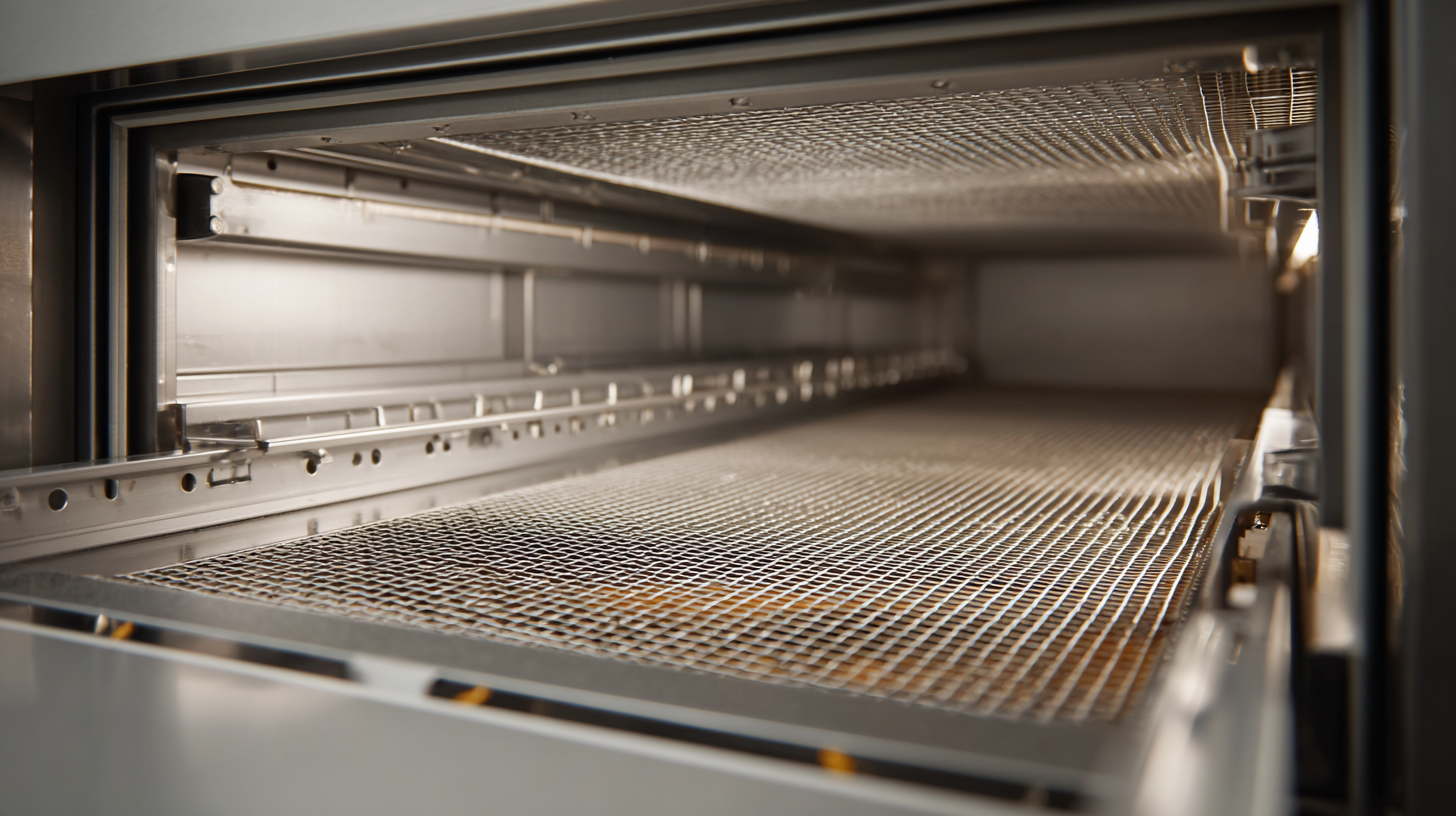
When you're trying to get the most out of continuous ovens, understanding how evenly they distribute heat really matters. Different oven designs can make a big difference in how consistently heat spreads inside the chamber. I came across a study from the Food Processing Industry that says ovens with advanced airflow systems can cut temperature differences by up to 30%. That’s pretty impressive, because it means your products come out more consistently every time. Plus, this kind of setup not only boosts efficiency but also helps save energy—since these ovens can run at lower temperatures and still get the job done right.

7 Essential Tips to Optimize Your Continuous Oven Mesh Belt for Maximum Efficiency in 2023

Oh, and don’t forget about the mesh belt! Its design is actually pretty important when it comes to heat transfer. There was a report in the Journal of Thermal Engineering pointing out that the material and structure of the belt can really influence thermal efficiency. For example, belts made from high-conductivity materials can improve heat transfer rates by nearly 25%. That means food cooks more evenly across the belt, which is a win for everyone. As food manufacturers look to crank up production and cut down on waste, choosing the right oven setup and really fine-tuning heat distribution will be key to staying competitive in 2023.

Enhancing Stability and Performance: Insights from Industry Reports on the Benefits of the Double Balance Belt

In the ever-evolving landscape of industrial applications, enhancing stability and performance is paramount. The Double Balance Belt has emerged as a versatile solution that addresses various challenges faced by different sectors. Industry reports reveal its remarkable benefits, particularly regarding load-bearing capabilities and resilience under extreme conditions. Whether in high-temperature environments or heavy-load scenarios, the Double Balance Belt provides unmatched durability, allowing seamless operations that minimize downtime.

For companies operating in demanding fields such as mining or food processing, selecting the right type of Double Balance Belt is crucial. The High-Temperature Double Balance Weave Furnace Belt, rated for temperatures up to 800°C, exemplifies how tailored solutions can meet specific operational needs. Meanwhile, the Food-Grade Double Balance Weave Mesh complies with FDA and EHEDG standards, ensuring safety and hygiene in food handling. Additionally, the Abrasion-Resistant Double Balance Belt for Mining Operations showcases its ability to withstand harsh environments while maintaining performance.

In automotive stamping and electronics assembly, precision and efficiency are key. The Precision Double Layer Balance Belt contributes to accurate manufacturing processes, while the Anti-Static Double Layer Balance Belt ensures safe operations in electronic component assembly. By exploring these specialized solutions, industries can significantly enhance their performance metrics and ensure operational stability, paving the way for innovative advancements across the board.

FAQS

: What are the key materials used in continuous oven mesh belts for 2023?

: The key materials include stainless steel, carbon steel, and advanced composites. Each material has unique properties that affect heat retention, durability, and performance in high-temperature settings.

Why is stainless steel a popular choice for continuous oven mesh belts?

Stainless steel is favored for its resistance to corrosion, making it ideal for applications that involve moisture or acidic substances.

What advantages does carbon steel offer compared to other materials?

Carbon steel is known for its strength and resistance to deformation under heat, which makes it suitable for demanding conditions in food production.

How does the weight of the mesh belt materials affect production efficiency?

Lighter belts, particularly those made from advanced composites, can enhance the speed of product movement through the oven, thereby reducing cycle times.

What is the importance of balancing strength and weight in mesh belt materials?

It is crucial to maintain a balance between strength and lightweight characteristics to ensure the belt's integrity is not compromised in challenging environments.

How do traditional continuous ovens differ from advanced continuous ovens in terms of energy efficiency?

Traditional ovens often have outdated heating methods and less efficient heat distribution, leading to higher energy bills, while advanced ovens utilize modern technologies that significantly minimize energy consumption.

What technologies do advanced continuous ovens use to improve efficiency?

Advanced continuous ovens employ technologies such as infrared heating and energy recovery systems, which enhance thermal efficiency and allow for precise temperature control.

What are the benefits of transitioning to advanced continuous oven technologies?

Transitioning allows companies to reduce operational costs over time, improve product quality, and meet modern environmental standards, making it essential for competitiveness and sustainability.

How can analyzing material properties impact the choice of mesh belts?

Evaluating the specific requirements of an application and understanding the pros and cons of each material can lead to selecting the optimal mesh belt, maximizing efficiency and longevity in production processes.

Why is energy efficiency a pivotal concern in food production?

As manufacturers aim to cut costs and enhance sustainability, maximizing energy efficiency is vital for reducing expenses and minimizing environmental impact.

Conclusion

Back in 2023, if you’re looking to get the most out of your Continuous Oven Mesh Belt, a few tweaks can really make a difference — both in how efficient your process is and the quality of your final products. We’ve done a deep dive into what really matters, like choosing the right materials for your mesh belt. It's also worth comparing how energy use stacks up between older traditional ovens and newer, high-tech models. Oh, and don’t forget about belt tension and speed — they can really influence your results. Regular maintenance is key, but thinking ahead with preventive care can help your equipment last longer and perform better.

On top of that, making sure heat distributes evenly across different oven designs is super important — it’s the secret to consistent cooking. At JIANGSU HUADA METAL MESH BELT CO., LTD., we’re all about delivering precision-engineered solutions that keep up with industry demands. By following these basic tips, operators can really boost their oven’s performance, leading to smoother operations and better outcomes overall.

Sophia

Sophia

Sophia is a seasoned marketing professional at Jiangsu Huada Metal Mesh Belt Co., Ltd., a leading manufacturer of metal conveyor belts in China. With a deep understanding of the industry and a passion for showcasing the company's innovative products, she plays a pivotal role in driving brand......
Previous Solutions for Durable and Efficient Belt Hinge Designs