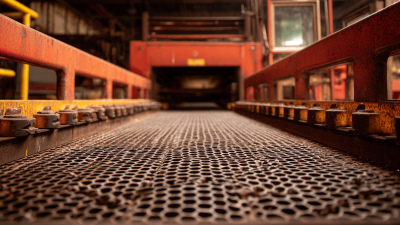
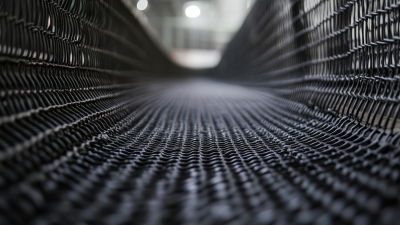
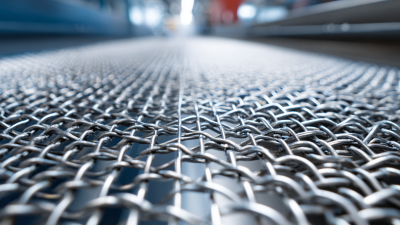
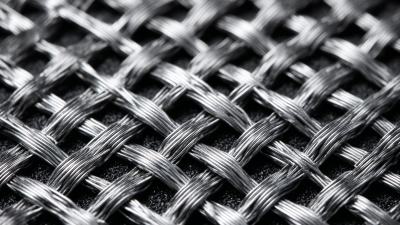
In today’s world, where saving energy and making equipment last longer are such big priorities, tuning up your Furnace Mesh Belt is super important if you want top-notch performance. Did you know that, according to the International Energy Agency, industrial furnaces gobble up around 30% of the energy used in manufacturing? That’s a lot, which really shows why having efficient systems is a must. As a leading maker of Metal Conveyor belts, JIANGSU HUADA METAL MESH BELT CO., LTD. is all about providing high-quality, precisely engineered wire mesh belts and chain systems that work across a ton of different industries. We’ve shipped our products to over 20 countries on five continents! Our factories are ISO 9001 and CE certified, so you can trust that our Furnace Mesh Belts not only meet but often go beyond industry standards. This helps manufacturers boost efficiency and cut down on downtime. Plus, by using smart optimization techniques, businesses can really stretch out the lifespan of their furnaces and, in the process, save a good chunk of money on operational costs.
Benefits of Regular Maintenance for Furnace Mesh Belts: Boosting Efficiency
Keeping up with regular maintenance of your Furnace Mesh Belts is really important if you want everything to run smoothly and last longer. When you check and service those belts regularly, they tend to work way better — you get higher production rates and end up saving energy too. Doing little checks often can catch small issues early on, so they don’t turn into expensive repairs down the line. That way, your operations stay smooth without any unexpected hiccups, and you get the most out of your system.
Plus, routine maintenance is great for spotting signs of wear and tear before things go out of hand. It’s a smart move that helps your mesh belts last longer and keeps your furnace running more efficiently. Simple things like cleaning and lubricating the belts reduce friction and stop dust and buildup from messing things up. When airflow is better and resistance is minimal, your furnace works at its best — which means less energy use and lower costs overall. If you put some effort into consistent upkeep, you can trust your furnace belts will perform reliably, and that’s good news for your bottom line.
Key Factors Influencing the Longevity of Mesh Belts in Industrial Furnaces
When it comes to getting the most out of your furnace mesh belts — like making sure they last as long as possible — it really helps to understand the key factors that impact their lifespan. Here at JIANGSU HUADA METAL MESH BELT CO., LTD., we put a lot of emphasis on precision engineering and top-notch quality in manufacturing our wire mesh belts. That’s what helps them stay durable, even in those tough high-temperature industrial settings. Things like the materials we choose, how the belt is designed, and how you take care of it all make a big difference in how well the belt performs over time.
It’s also super important to keep an eye on your belts and do regular maintenance. Little things like warping or thinning can happen if you neglect them, and those are often what lead to early failure. Keeping the right tension and making sure everything’s aligned properly not only boosts the efficiency of your furnace system but also helps your belts last longer.
Our ISO 9001 and CE certified facilities are committed to delivering high-quality solutions tailored to a variety of applications across more than 20 countries. Investing in good quality mesh belts from a dependable manufacturer like HUADA can really help keep your operations running smoothly and cost-effectively for years to come.
Optimizing Airflow: Enhancing Thermal Efficiency with Proper Mesh Belt Design
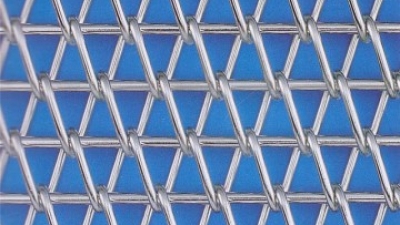
Getting the airflow just right is pretty much the key to boosting how efficiently your furnace works, especially when it comes to those mesh belt systems. The way the mesh belt is designed really matters—it's what controls how air moves through the furnace. When you have a well-thought-out mesh belt, airflow tends to be more even, which means heat gets transferred better to whatever you're processing. Choosing the right materials and setup can make a big difference by cutting down resistance and helping airflow flow smoothly. That not only saves energy but also makes the whole operation run much more efficiently.
Oh, and don’t forget about where you place and how you orient the mesh belt in relation to the heating elements. For example, belts with bigger openings can allow more air around the products without sacrificing the heat needed for the process. It’s really about customizing the design to suit your specific needs—this can really boost thermal efficiency and even help your furnace last longer. When airflow is optimized, the heating elements don’t have to work as hard, which means less wear and tear, and you save on maintenance in the long run. Bottom line? Putting some thought into your mesh belt setup can pay off big time, both in terms of efficiency and durability.
Material Selection for Furnace Mesh Belts: Impact on Performance and Durability
Choosing the right materials for furnace mesh belts isn’t just a technical detail — it really impacts how well they perform and how long they last. Picking the right stuff means your belt can handle those crazy high temperatures and corrosive conditions without giving in, so it stays in good shape over time. For example, stainless steel is a pretty popular pick because it’s tough against heat and lasts a long time. Its ability to fight off oxidation and other chemical reactions makes it perfect for tough furnace jobs, which can save you money since you won’t need to replace them all the time.
But stainless steel isn’t the only game in town. Materials like Inconel and some other special alloys are definitely worth considering if you’re working with super high temperatures. They tend to perform really well in tough environments and can help your furnace belts last even longer. Oh, and don’t forget about coatings — adding a protective layer can boost resistance to wear and tear, which ramps up overall efficiency. When you choose your materials carefully, it’s easier to keep your furnace running smoothly, reduce downtime, and make sure your products stay consistent quality-wise.
Monitoring and Diagnosing Wear: Techniques for Prolonging Mesh Belt Lifespan
Keeping an eye on your furnace mesh belts—making sure to catch wear early on—is such a smart move if you want them to last longer and run smoothly. I recently came across a report from the American Foundry Society, and it mentioned that doing regular inspections focused on the main signs of wear can really make a difference. By catching issues before they get serious, you can cut down on those unexpected downtimes by up to 30%. One trick that's pretty handy involves thermal imaging—basically looking for hot spots that can tell you if there's too much friction or if the belt's out of alignment. Spotting these early can save you from premature wear and also helps keep energy use efficient, which is a big deal when you're trying to save on production costs.
Plus, seasoned pros in the industry swear by vibration analysis as a reliable way to keep tabs on how those mesh belts are doing. According to data from the North American Manufacturing Association, about 70% of machinery failures happen due to misalignment or unbalanced parts. That just proves how important regular checks are. When operators use these advanced monitoring methods, they really boost the lifespan of their equipment—studies even show that belts that are properly maintained last up to half as long again compared to those that aren’t watched closely. So investing a little in wear diagnostics can pay off big time in savings, both in maintenance and overall operations, helping improve the bottom line in the long run.
How to Optimize Your Furnace Mesh Belt for Maximum Efficiency and Longevity
| Monitoring Technique | Purpose | Frequency | Common Signs of Wear | Recommended Action |
| Visual Inspection | Identify physical damage or wear | Weekly | Tears, fraying, discoloration | Replace damaged belt |
| Temperature Monitoring | Ensure optimal heating efficiency | Daily | Uneven heating | Adjust heat settings |
| Vibration Analysis | Detect mechanical issues | Monthly | Excessive vibrations | Perform alignment adjustments |
| Lubrication Check | Minimize friction | Every 2 weeks | Increased noise, difficulty in operation | Apply lubricant if necessary |
| Wear Measurement | Gauge belt wear and tear | Quarterly | Significant reductions in width | Replace belt if wear exceeds limits |
Cost-Benefit Analysis: Investing in Upgrades for Energy Savings in Heating Systems
Whenever you're thinking about how efficient your heating system is, it’s really worth doing a good old cost-benefit check. Is upgrading your furnace mesh belt actually worth it? Well, the right upgrades can seriously bump up energy efficiency, which could mean some pretty noticeable savings on your bills over time. For example, choosing high-quality materials that can handle wear and tear means you won’t have to replace things as often or deal with downtime—little things that add up and end up costing you less in the long run.
On top of that, investing in a better-designed mesh belt can help spread heat more evenly and cut down on wasted energy. That means lower energy bills, which makes shelling out for upgrades way more appealing. Plus, there’s usually some good news on the tax front—like credits or rebates for energy-efficient gear—that can help you get back some of that initial spend pretty quickly. So yeah, those upfront costs might seem a bit intimidating at first, but when you look at the energy savings and lower maintenance costs down the line, upgrading your heating system can totally be worth it. It’s all about weighing the initial investment against the long-term benefits, right?
Maximizing Durability and Performance: The Advantages of Rod Reinforced Belts in Industrial Applications
In industrial applications, the durability and performance of transmission systems play a critical role in enhancing operational efficiency. One of the key innovations in this domain is the use of rod reinforced belts. These belts offer superior strength and resilience, making them ideal for various demanding environments. By integrating rods into the belt design, manufacturers ensure that these products can withstand extreme conditions such as high temperatures and abrasive materials, which are common in mining, manufacturing, and assembly lines.
For instance, the Mining Grade Rod Reinforced Ore Transport Belt is specifically designed to endure the rigors of ore transportation while minimizing wear and tear. Likewise, the High-Temperature Rod Reinforced Furnace Belt, capable of withstanding temperatures up to 800°C, is essential for operations that involve intense heat. The Abrasion-Resistant Rod Reinforced Quarry Conveyor further exemplifies how these belts maintain their integrity in environments filled with rugged materials. With customizable options like pitch adjustments and various configurations, businesses can select the perfect rod reinforced belt tailored to their specific needs, whether it's for heavy-duty applications or more specialized settings, such as automotive stamping with the Anti-Static Rod Reinforced Belt.
Moreover, manufacturers are prioritizing maintenance efficiency through designs like the Quick-Release Rod Reinforced Belt, allowing for swift repairs and reduced downtime. This attention to functionality does not compromise safety, as seen in the Corrosion-Resistant Rod Reinforced Saltwater Belt and the 316L Stainless Steel Rod Reinforced Food-Grade Belt, which excel in both hygiene and performance. Embracing rod reinforced belts means investing in a reliable solution that consistently delivers high performance and durability across industrial applications.
FAQS
: Key factors include the choice of materials, belt design, and maintenance routines. Regular monitoring and routine maintenance can prevent issues like warping or thinning, which can lead to premature failure.
Regular maintenance helps ensure optimal tension and alignment, improving the efficiency of the furnace system and contributing to the overall longevity of the mesh belt.
The company is ISO 9001 and CE certified, affirming its commitment to high-quality manufacturing standards.
Optimizing airflow enhances thermal efficiency by ensuring uniform air distribution, which improves heat transfer to the materials being processed.
A well-designed mesh belt reduces air resistance and promotes optimal airflow, leading to improved energy consumption and overall performance of the furnace.
Customizing mesh belts for specific operations enhances thermal efficiency and extends the lifespan of furnace equipment by maximizing airflow and reducing strain on heating elements.
Conclusion
Taking the time to optimize your furnace mesh belts really pays off when it comes to boosting both their lifespan and overall efficiency in industrial setups. Regular maintenance is a game-changer—it keeps the belts running smoothly and helps prevent unnecessary wear and tear. Things like managing airflow carefully and picking the right materials can make a huge difference in how well they perform and how long they last. When manufacturers pay attention to design best practices, they can actually improve thermal efficiency and cut down on energy costs.
Plus, keeping an eye on wear and catching potential problems early on can seriously extend how long these belts stay in action. That’s why investing in these upgrades isn’t just a good idea—it’s pretty much essential if you want to stay competitive. Doing a quick cost-benefit look can show you just how much energy you can save, making upgrades not just worth it but necessary.
At JIANGSU HUADA METAL MESH BELT CO., LTD., we’re all about providing high-quality, precision-engineered mesh belts that support your heating systems. Our goal is to help you get the best performance and long-lasting results, so you can keep things running smoothly without a hitch.