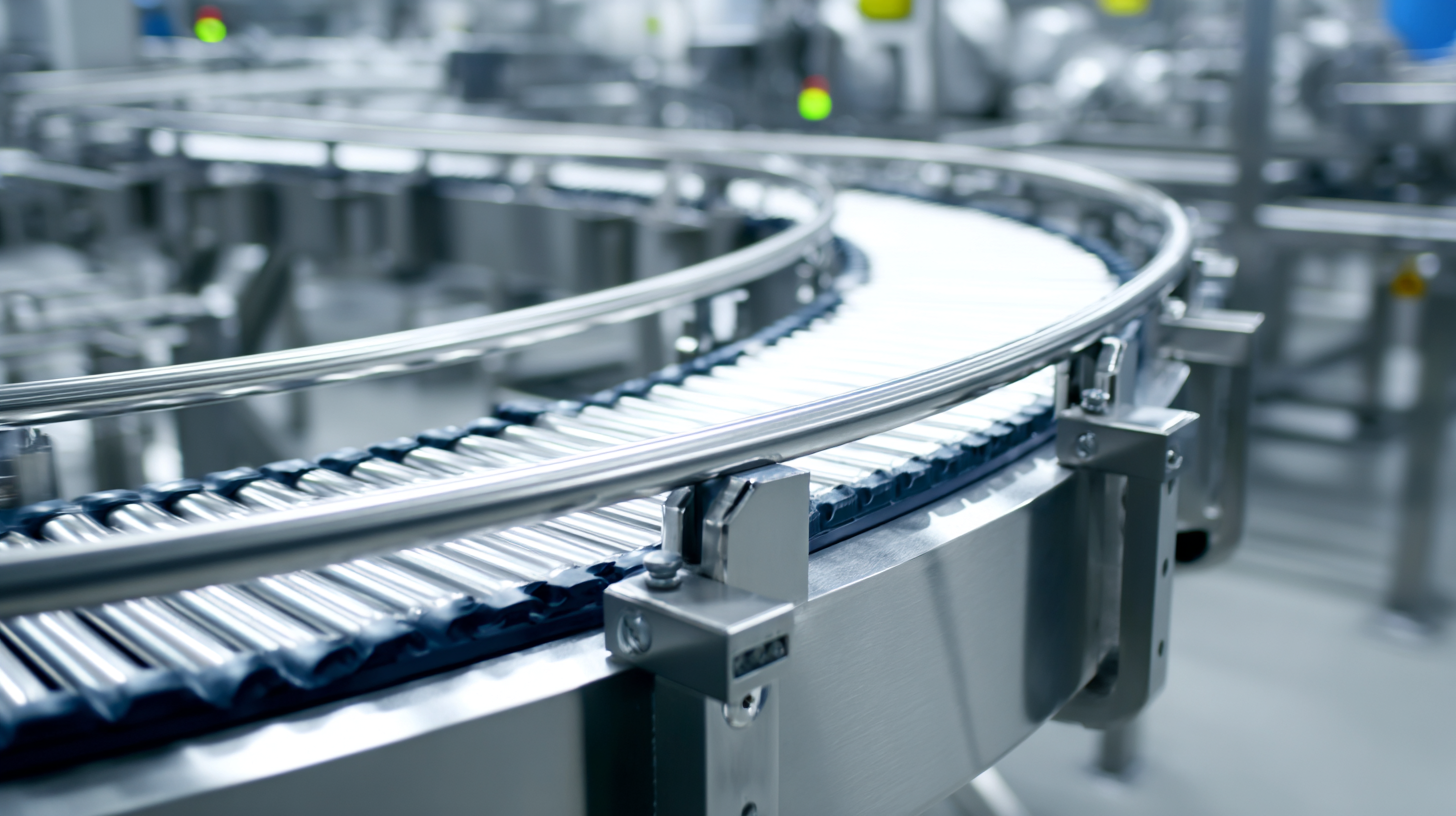
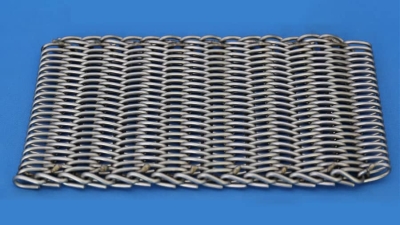
In the fast-changing world of manufacturing, efficiency isn’t just a nice-to-have—it's everything. One standout driver of this change is the Stainless Steel Conveyor Belt. As the leading Metal Conveyor belt maker in China,JIANGSU HUADA Metal Mesh BELT CO., LTD. sits at the forefront of the revolution. Our precision-engineered wire mesh belts and chain-driven systems are already helping teams in more than 20 countries across five continents. The result? Higher productivity and less downtime—practically a win-win. Our ISO 9001 and CE certified facilities back that up, promising top-tier quality. When manufacturers choose our stainless steel belts, they’re not just picking a product; they’re making a strategic move to optimize operations. In this article, we’ll walk you through seven compelling reasons why the best stainless steel conveyor belt can seriously boost efficiency and lead to a smoother, more productive workflow.
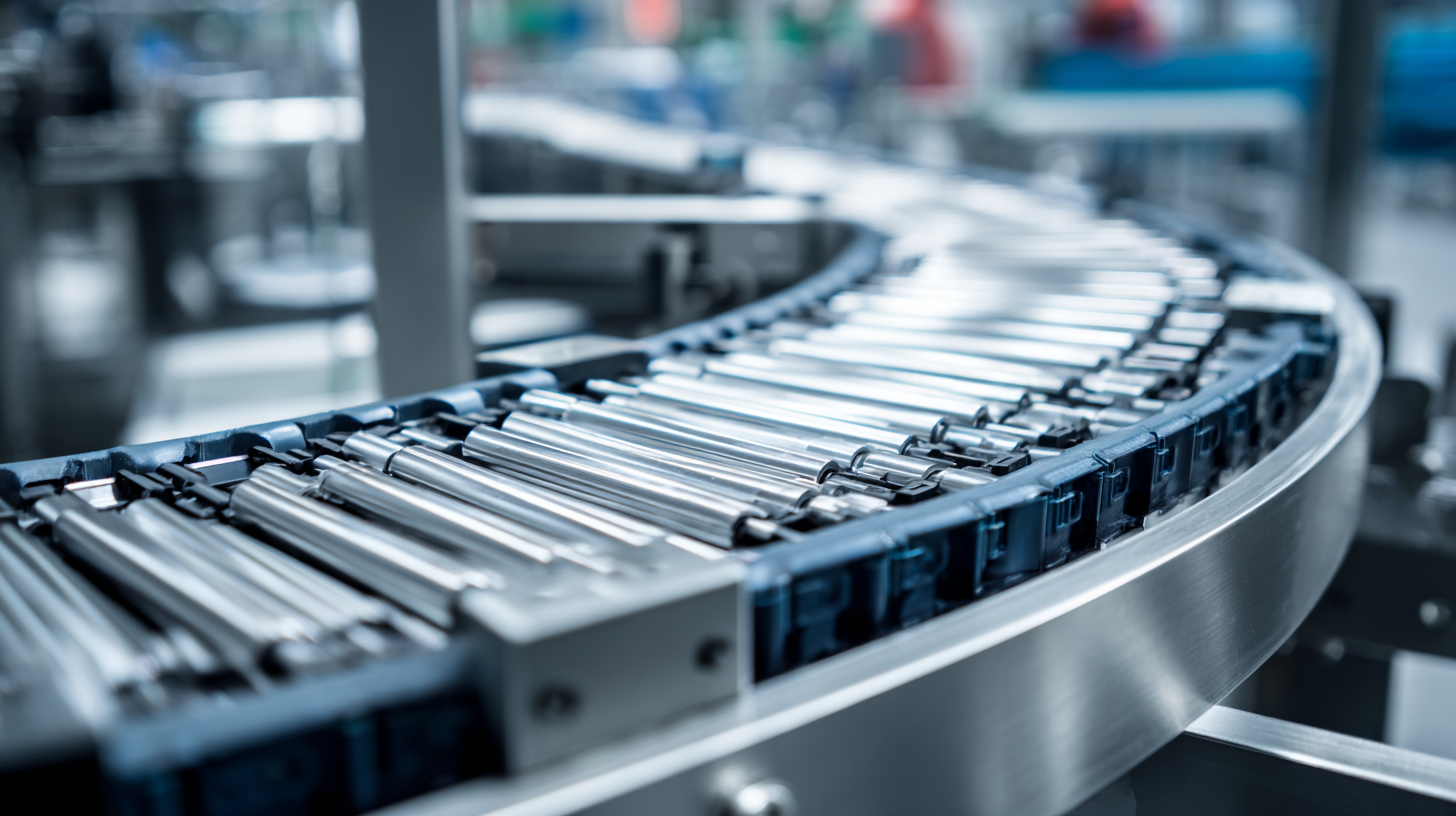
Manufacturing moves fast these days, and efficiency is everything. Stainless steel conveyor belts are a game changer, driving productivity across the board. They're tough, corrosion-resistant, and built to handle rough industrial environments. They stay solid under heavy loads and in extreme temperatures, keeping things running smoothly and cutting down on maintenance. And because they're easy to sanitize, they meet strict health standards - perfect for food processing and pharmaceutical work.
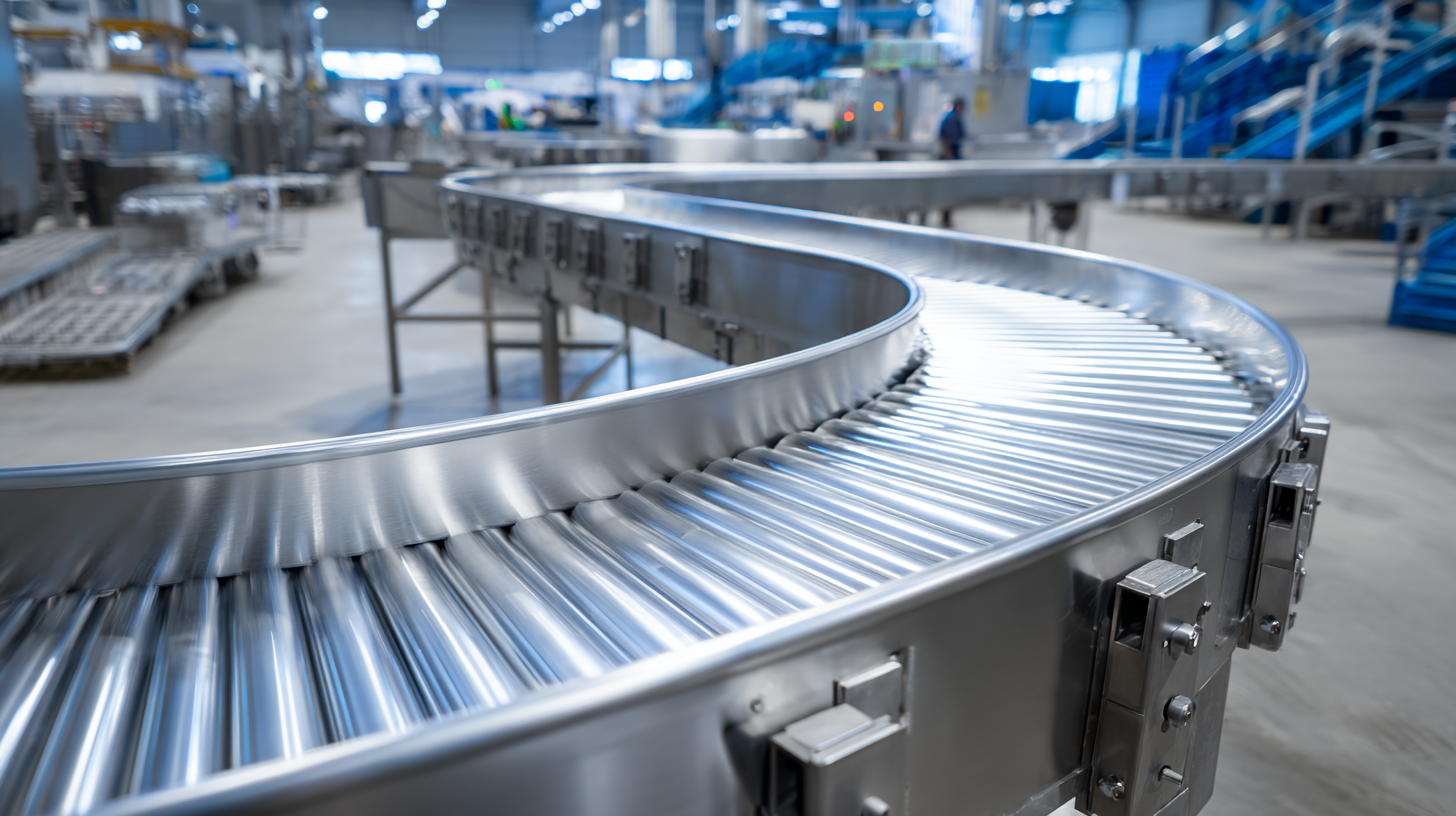
Here at Jiangsu Huada Metal Mesh Belt Co., Ltd., we know how crucial good conveyor systems are to keeping manufacturing lean and mean. As a leading metal belt maker, we design precise wire-mesh belts and chain-driven systems tailored to what our clients need. Our facilities are ISO 9001 and CE certified, and we serve customers in 20+ countries. With our stainless steel conveyor belts, you get a seamless blend of technology and performance that can genuinely upgrade your production processes.
Stainless steel conveyor belts are a big deal when it comes to boosting efficiency across a wide range of industries. A lot of their value comes from durability. Stainless steel resists corrosion and wear far better than many other materials, which means less maintenance and fewer surprise downtime moments. In fact, a report in the International Journal of Engineering Research and Applications suggests these systems can last 15 years or more. Talk about long-term savings.
Another thing I like about stainless steel belts is how versatile they are with different materials. They run in extreme temperatures and are easy to sanitize, making them a natural fit for food processing, pharmaceuticals, and automated warehouses. The American Society of Mechanical Engineers notes that using stainless steel conveyor belts can boost throughput by as much as 20%, giving manufacturers a real competitive edge. All told, the durability plus adaptability helps companies streamline operations and keep productivity high, cementing stainless steel conveyor belts as a game-changer for manufacturing efficiency.
Stainless steel conveyor belts play a key role in boosting product hygiene across different manufacturing sectors. A Food Safety Authority report notes that over 60% of foodborne illnesses are linked to unsanitary processing environments. The non-porous surface of stainless steel isn’t just about looks—it actually helps cut down bacterial growth and makes cleaning and maintenance a lot easier, which means lower contamination risk. This matters in industries like food processing, pharmaceuticals, and packaging, where good hygiene isn’t optional. Plus, a survey from the International Journal of Food Microbiology shows that companies using stainless steel conveyor systems reported about a 40% drop in microbial contamination. These materials stand up to high-pressure washdowns and aggressive cleaning chemicals without degrading, which supports the tough hygiene protocols modern manufacturing demands. By adopting stainless steel conveyor belts, businesses can improve product safety and keep up with strict health regulations, which in turn builds consumer trust and strengthens brand reputation.
| Feature | Description | Hygiene Standards | Efficiency Improvement |
|---|---|---|---|
| Corrosion Resistance | Stainless steel is resistant to rust and corrosion, extending the lifespan of conveyor belts. | Maintains cleanliness and prevents bacterial growth. | Reduces downtime for maintenance and replacement. |
| Ease of Cleaning | Smooth surface allows for quick and efficient cleaning processes. | Enhances product safety by preventing contamination. | Speeds up the cleaning process, minimizing downtime. |
| Durability | Withstands heavy loads and high-impact operations. | Long-lasting performance reduces waste and disposal issues. | Improves overall productivity with fewer disruptions. |
| Temperature Resistance | Functions effectively in extreme heat or cold environments. | Prevents spoilage in temperature-sensitive products. | Maintains continuous production without delays. |
| Chemical Resistance | Resists damage from chemicals and cleaning agents. | Ensures safe handling of hazardous materials. | Reduces the need for replacements due to chemical exposure. |
| Customizability | Can be tailored in size, design, and configuration. | Allows for specific hygiene requirements across various industries. | Increases efficiency by optimizing layout and flow. |
| Weight and Flexibility | Lightweight yet strong, enabling easier installations. | Less strain on equipment enhances overall hygiene. | Facilitates quick changes in production lines. |
Stainless steel conveyor belts have become a staple in modern manufacturing, mainly because they offer real cost savings. A report from Research and Markets projects the global conveyor systems market to grow by about USD 9.1 billion between 2021 and 2025, with stainless steel belts playing a key role in that outlook. These belts pay off in the long run thanks to lower maintenance costs and a longer lifespan compared with traditional materials. Their resistance to corrosion and wear means less downtime for manufacturers, which translates into meaningful savings. On top of that, a study in the International Journal of Advanced Manufacturing Technology notes that industries using stainless steel belts see roughly a 20% boost in operational efficiency. The reason is straightforward: the belts can handle heavier loads and endure extreme temperatures without losing performance. So, investing in stainless steel conveyor belts isn’t just about immediate benefits. It also delivers long-term value through higher productivity and fewer replacements. In short, the initial investment ends up paying off by creating a more efficient, cost-conscious manufacturing environment.
Getting conveyor systems certified for import and export isn’t just a box-ticking requirement—it's a real driver of manufacturing efficiency. A report from the International Organization for Standardization (ISO) shows that manufacturers using certified conveyors can boost operational efficiency by up to 30%. The gain comes mainly from less downtime and better reliability, which matters a lot in today’s competitive landscape. There’s more: sticking to standards like CE, ISO 9001, and ANSI can open doors to new markets. A study from the Material Handling Industry (MHI) found that certified conveyor systems build greater customer trust and satisfaction, and that translates into higher sales. And with the global conveyor system market projected to reach $11 billion by 2025, compliance isn’t just regulatory red tape—it’s a strategic edge that helps manufacturers stay sustainable and competitive as the market evolves.
The chart illustrates the various benefits of using stainless steel conveyor belts in manufacturing processes. Each bar represents the estimated percentage increase in efficiency arising from different factors such as reduced downtime and enhanced durability. Adopting advanced conveyor systems not only boosts productivity but also ensures compliance with industry regulations.
When you're choosing the right stainless steel conveyor belt, a few key factors matter if you want your manufacturing line to run smoothly. First up is the belt material itself—its composition affects durability and how well it resists corrosion. A MarketsandMarkets report notes that the stainless steel conveyor market is projected to grow about 6.5% per year, driven by demand for cost-efficient, efficient manufacturing solutions. Picking the right grade—think 304 or 316—can really change how long the belt lasts and how it performs in environments with chemicals or moisture.
Next, take a close look at the belt's design and configuration. The design not only limits carrying capacity but also influences maintenance ease. The Conveyor Equipment Manufacturers Association (CEMA) has found that well-designed conveyor systems can boost workflow efficiency by as much as 20%. Be sure to evaluate factors like belt width, length, and the type of material you're transporting. When you size the belt properly, you'll not only improve material handling efficiency but also cut down wear and tear—reducing downtime in your process.
When it comes to mastering the art of belt styles, understanding the diverse types of clinch edge belts and their versatile applications is essential. Clinch edge belts are engineered to provide stability and strength in high-load environments, making them a popular choice in various industrial settings. They are particularly effective in powder sintering and compacting processes, where maintaining integrity under extreme conditions is vital. For instance, the High-Load Powder Sintering Belt (Thick-Wire 314 SS) stands out for its durability, while the High-Temperature Powder Compacting Belt, rated for 800°C, ensures seamless operations even in the most demanding applications.
Moreover, the versatility of these belts extends to their use in heavy-duty PM (powder metallurgy) handling. With options like the Oxidation-Resistant Heavy-Duty PM Conveyor Belt and the Industrial-Grade Thick-Wire Clinch Edge Conveyor, these products can efficiently support the transfer of heavy parts while minimizing wear and tear. Additionally, the High-Capacity PM Furnace Belt, which can withstand loads of up to 5kg/cm², is perfect for handling significant amounts of material without compromising performance. Incorporating these specialized belts into your operations not only enhances efficiency but also ensures reliability in processes that require precision and endurance.
: Stainless steel conveyor belts enhance product hygiene standards by minimizing bacterial growth due to their non-porous surface and allowing for easy cleaning and maintenance, effectively reducing contamination risks.
Industries such as food processing, pharmaceuticals, and packaging benefit from using stainless steel conveyor belts, where hygiene compliance is crucial.
Companies utilizing stainless steel conveyor systems have reported a 40% reduction in microbial contamination.
Stainless steel conveyor belts stand up to high-pressure washdowns and severe cleaning chemicals without degradation, supporting rigorous hygiene protocols.
Stainless steel conveyor belts offer long-term savings through reduced maintenance costs and prolonged lifespan, leading to significant financial savings and minimized downtime.
The global conveyor systems market is projected to grow by USD 9.1 billion between 2021 and 2025, with stainless steel belts playing a key role.
Industries using stainless steel belts report a 20% increase in operational efficiency due to the belts' ability to handle heavier loads and withstand extreme temperatures.
They are considered a good long-term investment because their durability leads to increased productivity and decreased replacement frequency, making the initial investment worthwhile.
The non-porous surface of stainless steel minimizes bacterial growth, contributing to improved hygiene standards.
By ensuring compliance with stringent health regulations, stainless steel conveyor belts help foster consumer trust and enhance brand reputation.