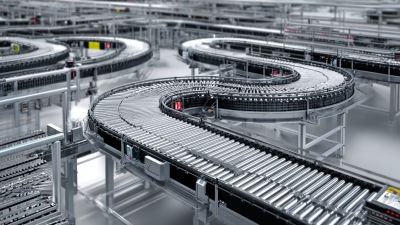
These days, with how quickly the culinary world is changing, you really can't overstate the importance of having efficient food processing tools. One of the game-changers in modern kitchens has gotta be the Food Conveyor Belt. It boosts productivity like crazy and helps keep the food quality consistent, which is a huge deal. As the industry pushes for better efficiency and higher hygiene standards, companies like JIANGSU HUADA Metal Mesh Belt CO., LTD.have stepped up as leaders, creating top-notch wire Mesh Belts and chain-driven systems. They're equipped withISO 9001 and CE certifications, and they supply high-quality conveyor solutions to more than 20 countries across five continents. By mixing cutting-edge tech with solid craftsmanship, these Food Conveyor Belts not only make operations smoother but also play a key role in keeping food safe and fresh. It really feels like they're setting new standards in food processing for modern kitchens.
The Impact of Food Conveyor Belts on Efficiency in Modern Food Processing
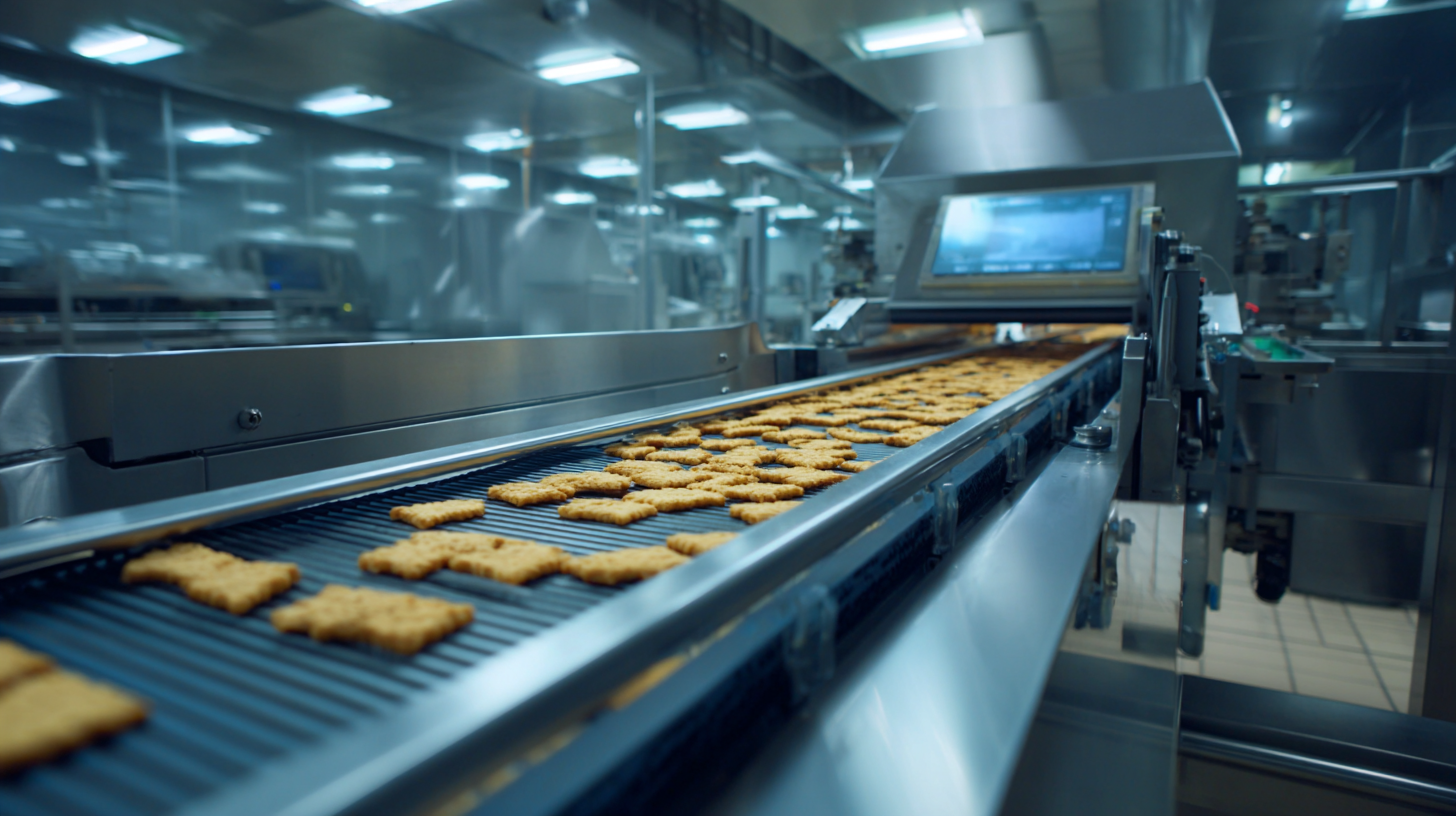
You know, when it comes to modern food processing, conveyor belts really can’t be underestimated. They’re pretty much the backbone of making everything run smoothly—helping boost productivity, cut down on waste, and keep things moving efficiently. These days, with all the latest tech, we've seen some pretty cool improvements in conveyor systems. Manufacturers are now able to make them more energy-efficient and even cut down on emissions, which is a big win. Think about the new drying tech and sorting machines—these clever innovations pack in smarter mechanisms that make the whole workflow way better.
And if you look at kitchens today, you’ll notice how precision-engineered metal conveyor belts make a big difference too. Our team’s been at the forefront of creating these systems, and we totally get how important it is for food to move reliably and smoothly. Using wire mesh belts isn’t just about durability—though that’s a big plus—it also helps keep things clean and running without hiccups. When belts do their job right—moving food efficiently and reducing manual handling—it really transforms how things get done, all while sticking to strict industry standards. Honestly, it’s changing the game for food processing today in such an impressive way.
Improving Food Safety Standards with Advanced Conveyor Belt Technology
You know, the food industry’s really going through a big change these days, mostly thanks to new tech—especially when it comes to keeping things safe and hygienic. At the heart of this shift are modern conveyor belts, which have become super important for making food processing smoother and more efficient. Not only do these advanced belts speed things up, but they also do a great job at keeping everything clean. They’re designed to cut down on the chances of contamination, making sure the food gets from the kitchen to the packaging safely, every step of the way.
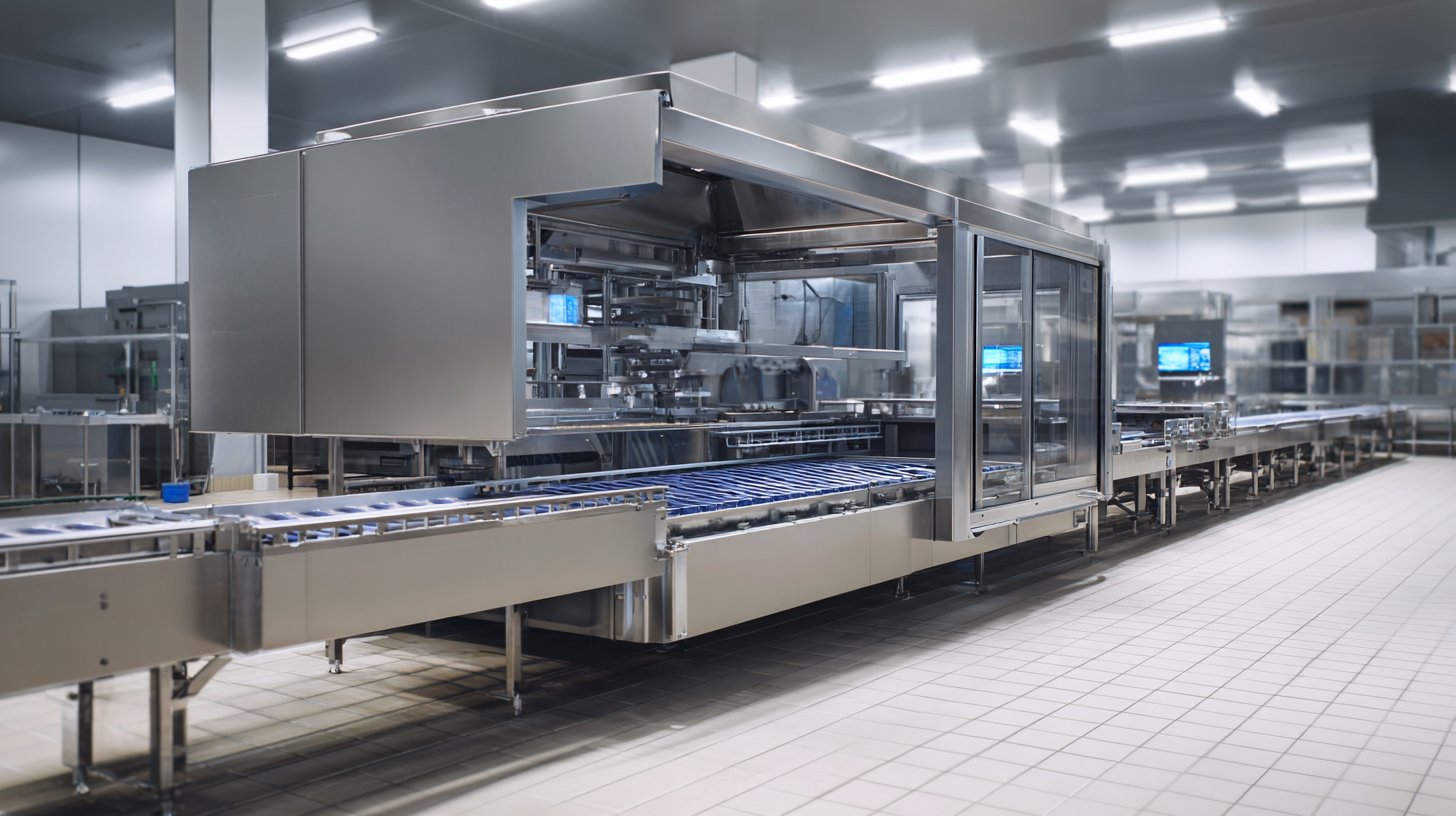
And speaking of industry leaders, Jiangsu Huada Metal Mesh Belt Co., Ltd. is definitely making waves here. They’re actually China's trailblazing manufacturer of metal conveyor belts. They produce these precision-engineered wire mesh belts and chain-driven systems that really stand out in quality—plus, they’re certified with ISO 9001 and CE, which means they’re serious about their standards. They've got clients in over 20 countries across five continents, constantly coming up with innovative designs to boost food safety. Their belts are built tough, easy to keep hygienic, and meet all the strict standards of modern kitchens. All in all, that means consumers can trust that their food is safe—and that’s what really counts.
The Role of Automation in Streamlining Food Production Processes
You know, in the food processing world, automation’s really flipping the script. It’s helping companies get smoother, faster, and more consistent with their production lines. And get this—almost 70% of manufacturers are pouring money into automation tech just to keep up with what consumers are really after: quicker, fresher, and safer food options. When they bring these automated systems in, they not only cut down on human errors but also make operations run more smoothly. That means better quality and making sure they’re playing by safety rules too.
Take AI, for example—it’s a game changer. It can monitor and tweak the production lines in real time, which means less downtime and more efficient runs. In the food manufacturing scene, AI is becoming super important—companies are using smart automation for stuff like handling raw ingredients and checking quality. The stats are pretty impressive too: businesses that jump on these tech trends can cut operational costs by up to 25%, all while boosting the quality of their products and keeping up with the ever-changing expectations of consumers. As the industry keeps evolving, hopping on these automation trends isn’t just smart—it's essential if you want to stay competitive out there in this fast-paced market.
Sustainability in Food Conveyor Belts: Innovations for a Greener Kitchen
Lately, it's pretty clear that the food processing world is really moving toward more sustainable practices, and food conveyor belts are definitely leading the charge. Companies are coming up with innovative conveyor systems—many using recyclable materials—that help cut down on environmental harm. It’s not just about reducing waste; it’s like pushing for a circular economy right in the kitchen. You’ll often see belts made from biodegradable composites or recycled plastics these days, which shows a real commitment to greener, more eco-friendly food prep.
On top of that, energy-efficient tech is becoming the norm. These conveyor belts now run on less power, which is a big plus if you're trying to cut down your carbon footprint in commercial kitchens. Plus, features like adjustable speeds and smart sensors are getting more common, helping kitchens work smarter and conserve energy at the same time. Overall, by focusing on sustainability in both design and function, food conveyor belts aren’t just simple tools—they’re key players in making kitchens more eco-friendly and efficient.
Revolutionizing Food Processing: The Essential Role of Food Conveyor Belts in Modern Kitchens - Sustainability in Food Conveyor Belts: Innovations for a Greener Kitchen
| Type of Conveyor Belt | Material Used | Energy Efficiency | Sustainability Rating | Maintenance Frequency |
| Modular Plastic Belts | Recyclable Plastic | High Efficiency | A | Monthly |
| Metal Mesh Belts | Stainless Steel | Moderate Efficiency | B | Quarterly |
| Fabric Conveyor Belts | Cotton/Polyester | Low Efficiency | C | Bi-Annually |
| Rubber Belts | Natural Rubber | High Efficiency | A | Monthly |
Choosing the Right Conveyor Belt Material for Various Food Products
When it comes to food processing, choosing the right conveyor belt material is pretty important if you want to keep your products in top shape and run things smoothly. Every food item has its own quirks—think about their textures, temperatures, and how they’re processed. For example, stainless steel belts are great if you're dealing with high heat, like in baking or cooking. On the other hand, softer, plastic or polyurethane belts are a better fit for delicate stuff, like fruits and pastries, since they’re smoother and easier to clean.
A little tip: always think about what your products need. For instance, if you’re working with sticky items, you’ll want a belt with a non-stick surface. Or if you need something that can handle high temps without falling apart, pick a material that can handle the heat. Oh, and don’t forget about hygiene—using materials that resist bacteria buildup is key to keeping everything safe and up to code.
Durability’s another thing to keep in mind. Rubber belts, for example, grip really well, but they tend to wear out quickly when you’re using strong cleaning chemicals. Thermoplastic belts are pretty versatile—they’re flexible and resistant to a bunch of substances, making them a solid choice for different kinds of food processing setups. The right material isn’t just about making things run smoothly; it helps you stay compliant with health regulations too. It’s all about finding that sweet spot where practicality, safety, and efficiency meet.
Future Trends: Smart Conveyor Systems in the Food Industry
You know, the food processing world is really changing fast these days, mainly because of smart conveyor systems. These cool tech upgrades are totally transforming how we handle, process, and package food—like, they’re making things way more efficient in modern kitchens and factories. These conveyor belts, loaded with sensors and automation, help move ingredients smoothly and keep production running without missing a beat. Plus, they help cut down on waste, which is a big win. Honestly, this tech not only boosts productivity but also improves the quality of the products, which consumers are definitely noticing—they want their food to be consistent and traceable, you know?

And with the popularity of things like pre-packed meals and new, exciting food items, these smart conveyor systems are more important than ever. It’s pretty clear that the food industry is shifting towards automation. Companies are really trying to modernize and stay ahead. These systems can even talk to other robots and processing units, making the whole production process super smooth. Experts even say the market for these smart conveyors is set to grow a lot in the next few years, so, honestly, the future of food processing looks pretty bright—more efficient, better quality, and packed with tech innovations.
Maximizing Efficiency: How AshPro High-Temp Belt Outperforms Industry Standards in Temperature Resistance and Durability
The AshPro High-Temp Belt has been engineered to meet the demanding requirements of industries where temperature resistance and durability are critical. Our product stands out due to its superior performance characteristics, particularly in high-temperature environments such as cement plants and power generation facilities. Research indicates that belts used in these extreme conditions are subjected to temperatures exceeding 500°F (260°C), making it imperative for materials to maintain structural integrity and performance. The AshPro High-Temp Belt is not only highly resistant to thermal degradation but also features abrasion-proof technology that ensures longevity against mechanical wear, offering businesses a reliable solution.
In addition to temperature resilience, the AshPro High-Temp Belt showcases corrosion resistance that is crucial in industrial applications, especially in incineration and mining. Studies have shown that systems exposed to corrosive environments can see wear rates increase by over 30% compared to their more durable counterparts. By utilizing state-of-the-art materials, including galvanized steel and heat-treated composites, the AshPro belt delivers enhanced performance, ensuring that even under the harshest conditions, the efficiency of operations remains uninterrupted.
Moreover, our customizable options cater to specific needs across various sectors. From heavy-duty abrasion-proof systems for power plants to eco-friendly options with enhanced airflow design, AshPro High-Temp Belts are precision-engineered for low maintenance and high efficiency. Thus, industries can benefit from customizable solutions without compromising on durability or performance, further enhancing operational efficiency.
FAQS
: Automation is enhancing efficiency and consistency across food production processes, with nearly 70% of manufacturers investing significantly in automation technologies to meet consumer demands for faster, fresher, and safer food options.
AI allows for real-time monitoring and optimization of production lines, reducing downtime significantly, and is critical for tasks such as raw material handling and quality assurance.
Organizations that adopt automation technologies can reduce their operational costs by up to 25%, while also improving output quality.
Sustainability practices are leading manufacturers to innovate conveyor systems using recyclable and biodegradable materials, minimizing environmental impact and promoting a circular economy.
Energy-efficient conveyor belts operate with lower energy consumption and often include features like adjustable speed settings and smart sensors to optimize workflow while conserving energy.
Innovative conveyor belts made from biodegradable composites or recycled plastics help reduce waste and carbon footprints, aligning with the industry's goal of fostering eco-friendly kitchen environments.
Embracing automation trends is crucial for staying competitive in a rapidly evolving market, as it allows producers to enhance operational efficiency and meet changing consumer expectations.
The shift towards sustainability involves implementing practices that reduce waste, enhance energy efficiency, and utilize materials that have a lower environmental impact.
Manufacturers are investing in automation and sustainability to enhance product quality, safety, and to deliver food options that meet the evolving expectations of consumers.
Conclusion
You know, this article really highlights just how much Food Conveyor Belts are changing the game in modern kitchens. They're pretty much essential for making food processing smoother and more efficient. Thanks to some cool innovations in conveyor belt tech, food safety has gotten a big boost, making everything safer and more reliable. Plus, with automation coming into play, production lines are running faster and more consistently—it's like the food industry’s getting a serious upgrade.
And let's not forget about sustainability. It's becoming a major focus, with new materials and smarter designs helping kitchens become greener. As things move toward smart conveyor systems, companies like JIANGSU HUADA METAL MESH BELT CO., LTD. are really leading the charge, offering precise, high-quality solutions around the world. All these trends point to an exciting future for the food industry—full of innovative conveyor belt tech that’s making a real difference.