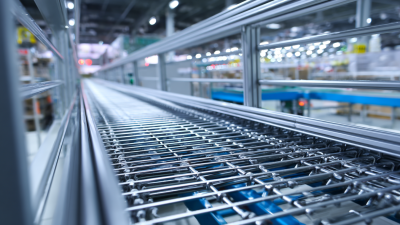
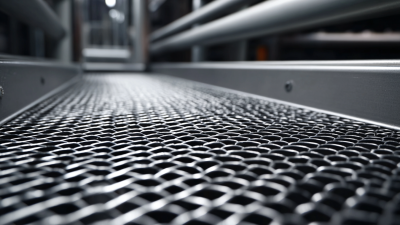
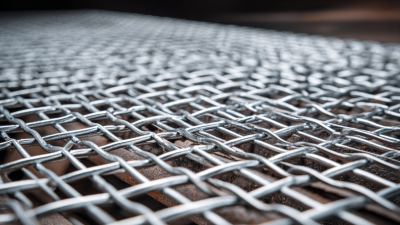
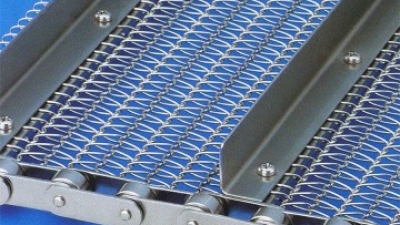
Hey, when you think about modern kitchens these days, it’s pretty clear that technology and efficiency have totally changed how we make food. One of the coolest innovations? The Food Conveyor Belt. Honestly, it’s a game-changer. It helps move ingredients around smoothly, which not only speeds things up but also makes everything safer and more reliable in the kitchen. And if you’re looking at who’s leading the charge, JIANGSU HUADA METAL MESH BELT CO., LTD. really stands out. They’re pretty much China’s top name for Metal Conveyor belts, crafting super precise wire mesh belts and chain-driven systems. These systems are used in over 20 countries across five continents, so they’re definitely doing something right. Their factories are ISO 9001 and CE certified, which means quality is a big deal for them. Basically, HUADA is pushing innovation in food conveyor technology, making food production not just faster but also more dependable and efficient. It’s exciting to see how they’re helping kitchens run smoother and smarter.
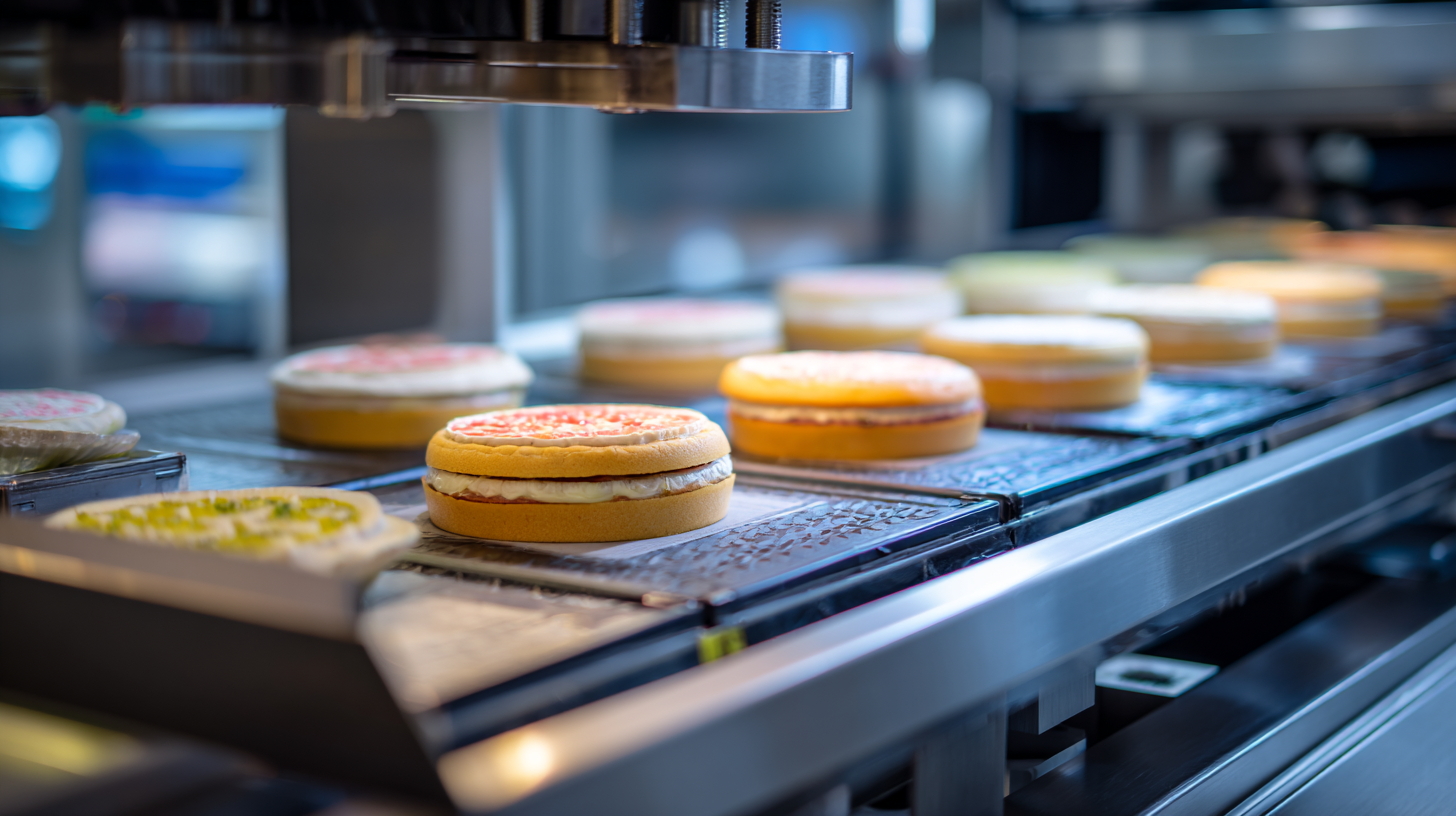
The Evolution of Food Conveyor Belt Technology in Commercial Kitchens
You know, the way Food Conveyor Belt technology has evolved really changed the game for commercial kitchens. It’s made food prep way more efficient and keeps things hygienic—big wins, right? If we look back, those early conveyor systems were pretty basic, just straightforward and linear. They didn’t have the versatility or precision we take for granted today, especially in such a fast-paced culinary world. But thanks to advances in materials science and engineering, we now have these super-tough wire mesh belts that can handle all sorts of food products effortlessly. These new designs help with airflow, make cleaning a breeze, and give better control over temperature, which is crucial for meeting modern food production standards.
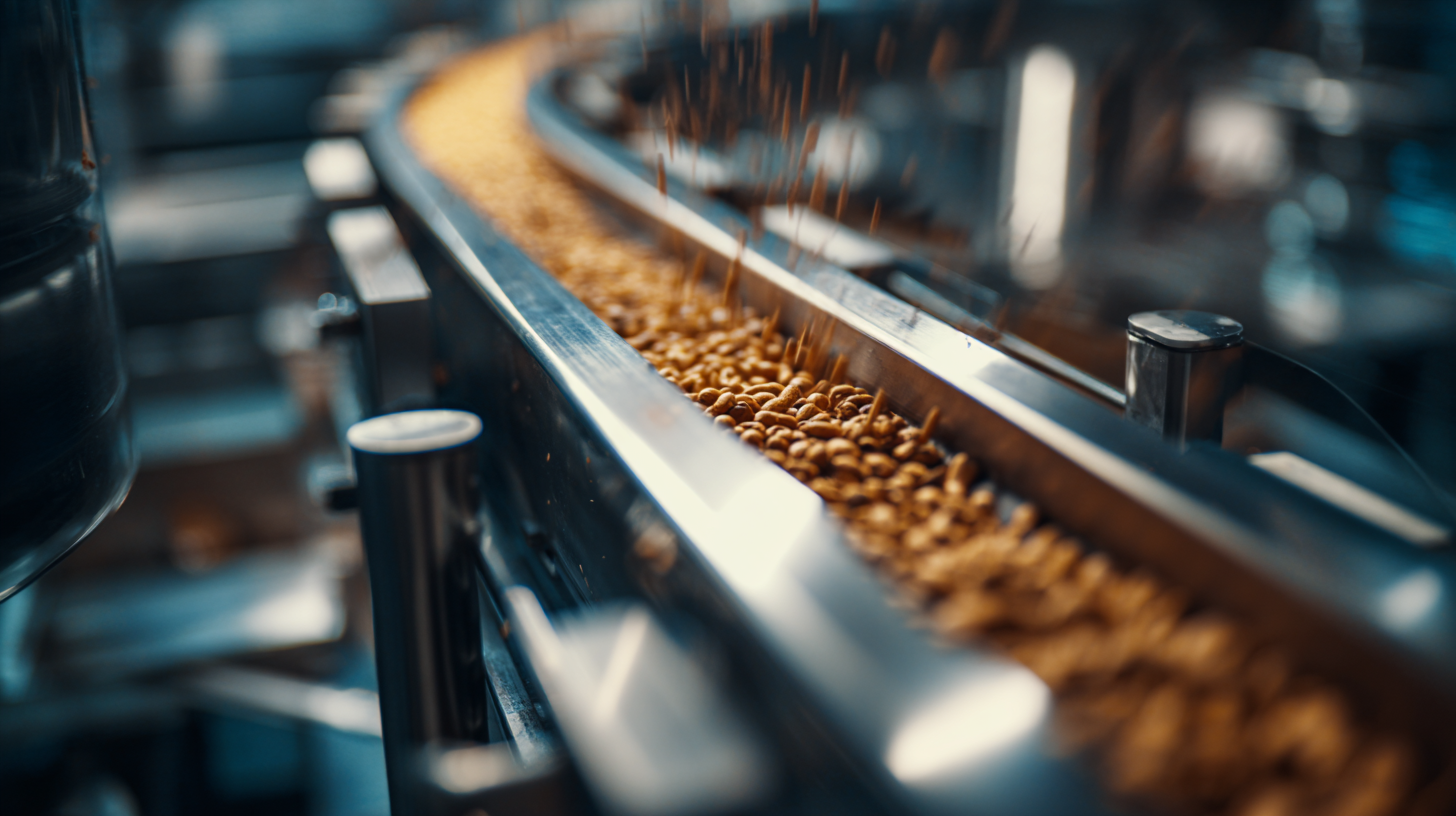
Leading the charge in all this is JIANGSU HUADA METAL MESH BELT CO., LTD. They’ve really been pushing the envelope when it comes to innovation. With a focus on precise engineering, they supply top-quality metal conveyor belts and chain-driven systems to more than 20 countries across five continents. And trust me, their ISO 9001 and CE certifications mean their products aren’t just good—they meet tough international standards. Basically, HUADA is a go-to partner for commercial kitchens that want to step up their food production game.
Key Advantages of Conveyor Belts in Enhancing Food Production Efficiency
You know, introducing conveyor belts into modern kitchens really marks a huge step up in how efficiently we handle food prep and cooking. They make the whole process way smoother — from prepping ingredients to cooking and even packaging stuff up. Honestly, it’s a game-changer, especially in busy places like restaurants or food factories where time is everything. Having conveyors means food moves faster from one stage to the next, which can seriously cut down on wait times.
Plus, they’re not just about speed—they also boost hygiene and safety. Since they cut down on a lot of manual handling, the risk of contamination drops quite a bit, which is super important when you're dealing with food. Some of the newer conveyor systems even come with tech that can monitor for damages or malfunctions, so everything stays safe and running smoothly. As more and more markets are adopting these systems, it’s clear that conveyor belts are becoming a key part of making kitchens more efficient and safer than ever before.
Key Advantages of Conveyor Belts in Enhancing Food Production Efficiency
Impact of Automation: How Conveyor Belts Improve Speed and Consistency in Food Prep
In today’s kitchens, automation with food conveyor belts has really changed the way we prepare food. These clever systems boost speed and keep things consistent, so chefs can pull off high-quality dishes even when the demand is sky-high. By smoothing out the flow of ingredients and finished plates, conveyor belts cut down on manual handling—meaning fewer mistakes and less risk of contamination during prep. The end result? A kitchen that runs like clockwork, where food gets prepped, cooked, and served more precisely than ever before.
Heads up: To get the most out of your conveyor belt setup, make sure you’re doing regular maintenance and cleaning. A well-kept conveyor runs smoother, cuts down on downtime, and keeps the whole operation humming.
Plus, these conveyor belts can be tailored to fit your specific kitchen layout and needs. That means they can do everything from assembling sandwiches to sorting pastries. So, your staff can spend more time on the fun, creative stuff—like enhancing flavors and presentation—rather than just doing repetitive packaging.
Pro tip: It’s a good idea to train your team on how to best use these conveyor systems. Giving your staff the know-how not only lifts morale but also makes the kitchen more efficient overall.
Industry Statistics: The Role of Conveyor Belts in Reducing Labor Costs by Up to 30%
Nowadays, in a lot of modern kitchens, conveyor belts have really changed the game when it comes to food production. They’ve helped cut down labor costs quite a bit — some reports say up to 30%! That’s a huge deal because it not only boosts efficiency but also gives chefs and kitchen staff more time to get creative and focus on what really matters: quality. Plus, having these tech systems in place means everything from prep to plating runs more smoothly than ever before — it’s a total shift in how kitchens operate.
If you’re thinking about adding conveyor belts to your setup, my advice is to take a good look at what your kitchen actually needs. Don’t just jump in without a plan! Also, consider using some of the newer tech—things like predictive maintenance tools (they’re used a lot in mining and other heavy industries) can really help prevent those annoying breakdowns and keep things running without a hitch. And if you want to get even smarter about your workflow, diving into data insights can help you fine-tune the process—so everything runs at its best while saving you some bucks.
As more and more sectors push towards faster, more efficient systems, conveyor belts are definitely becoming a key part of the future in food production. They’re not just about cutting costs—they also fit right into the bigger trend of automation and smart tech in the restaurant and food service world. Just remember, keeping these systems well-maintained and regularly checked is super important if you want to get the most out of them and keep things running smoothly day after day.
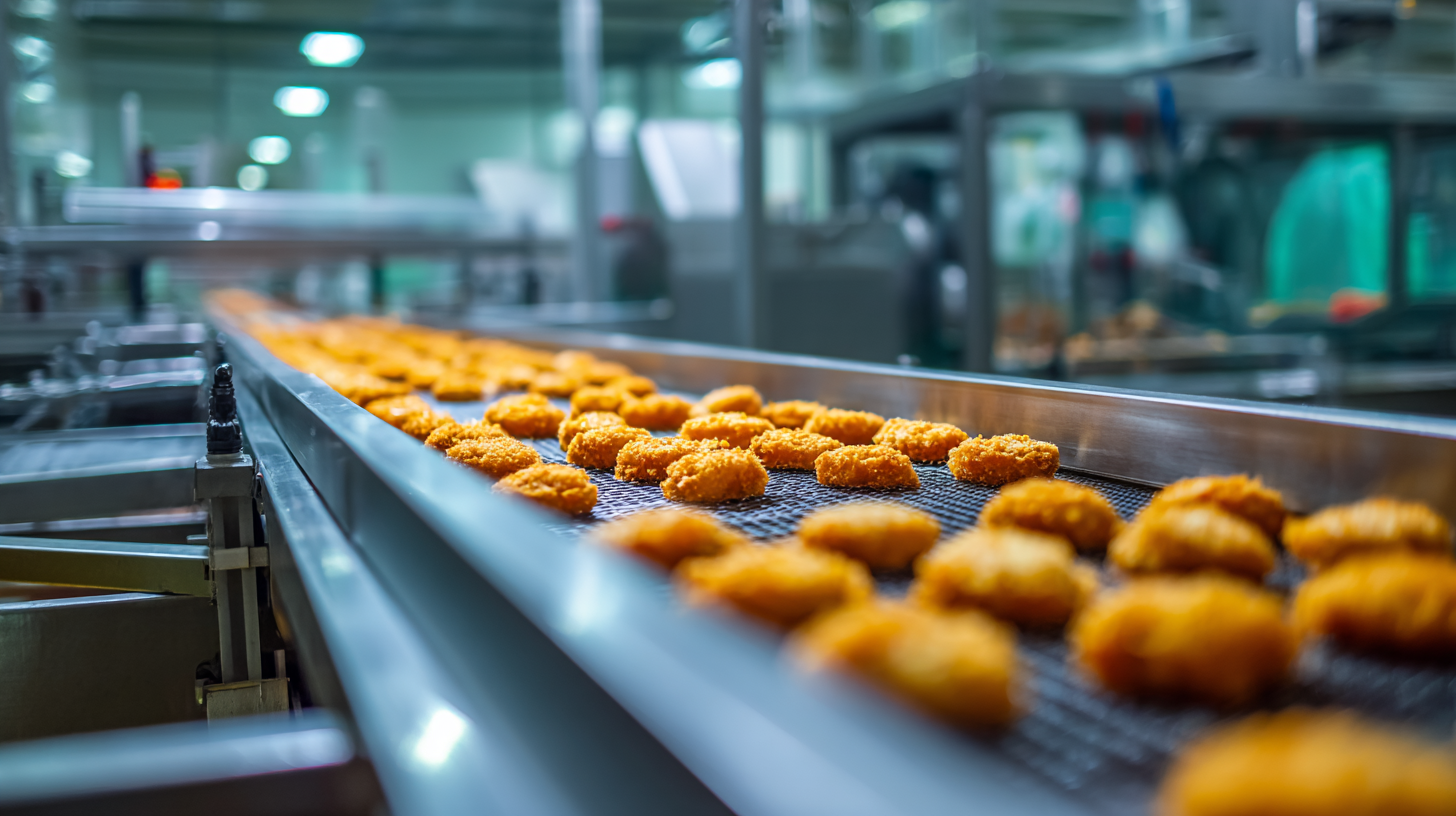
Innovative Designs: Smart Conveyor Belt Systems for Sustainable Food Practices
You know, modern kitchens are really starting to change thanks to these new conveyor belt systems. They're not just about moving stuff around—they're actually helping make food practices more sustainable and making everything run smoother. These smart setups are built with the latest technology, like AI and machine learning, which helps streamline food production and cuts down on waste. Funny enough, recent reports suggest the global conveyor system market is expected to hit around $12.7 billion by 2027, with a steady 6% growth since 2022. Basically, more folks are looking for efficient, smart conveyor solutions these days.
Take IoT-enabled sorting machines, for example—they're totally changing the game when it comes to sorting fruits and veggies in kitchens. Using computer vision tech, these machines can pick out perfect produce with crazy precision, which means less waste and better quality. Plus, adding AI into the mix doesn’t just help with safety and tracking; it also promotes more sustainable practices, which benefits everyone—from farmers to consumers.
If you’re thinking about investing in conveyor tech, go for systems that are flexible and can adapt to different kitchen setups. It’s a smart move to look into stuff like sensors that monitor how well things are running in real-time. That way, kitchens can tweak their operations on the fly, staying efficient and eco-friendly. Putting these kinds of innovations at the forefront can really set you apart in a market that's increasingly leaning towards green solutions.
Revolutionizing Food Production: The Science Behind Food Conveyor Belts in Modern Kitchens
| Feature | Description | Benefits |
| Modular Design | Flexible sections that can be rearranged to suit different kitchen layouts. | Improved space utilization, adaptability to various kitchen sizes. |
| Energy Efficiency | Utilizes low-energy motors and eco-friendly materials. | Reduces electricity costs and carbon footprint. |
| Smart Sensors | Integrated sensors to monitor food quality and system efficiency. | Minimizes waste and ensures consistent food quality. |
| Easy Maintenance | Designed for quick cleaning and easy part replacement. | Enhances operational efficiency and reduces downtime. |
| Sustainability | Constructed from recyclable materials and promotes waste reduction. | Supports eco-friendly food production practices. |
Future Trends: Integrating AI and IoT in Food Conveyor Belt Manufacturing
You know, the way AI and the Internet of Things (IoT) are starting to shake up food conveyor belt manufacturing? It’s pretty much set to revolutionize the whole food industry. As more companies jump on these tech bandwagons, the future of food production actually looks pretty exciting. For example, AI-powered smart packaging can really boost food safety, and machine learning algorithms help fine-tune conveyor belts to run more smoothly and efficiently. And it’s not just about the tech — as these smart systems become the norm, we’re heading toward kitchens with hyper-automation, where everything’s monitored in real-time and produção adjusts on the fly. Crazy, right?
If you're thinking about bringing AI and IoT into your own kitchen or business, I’d suggest starting small — maybe with a simple monitoring setup to get quick insights into how things are running. Plus, spending some time training your staff on these new tools can really make a difference and help everyone adapt more easily.
Also, as the conveyor belt market keeps growing, it’s super important to stay in the loop about the latest tech developments and smart investments. Using big data analytics can really help streamline your operations and give you a leg up when it comes to responding quickly to market changes. Embracing these trends isn’t just a smart move — it’s pretty much essential if you want to stay competitive in this fast-changing food production world.
Optimizing Performance and Longevity: Insights from Industry Reports on Chain Drive Belt Applications and Developments
In industrial applications, optimizing performance and longevity of chain drive belts is crucial for enhancing productivity and reducing downtime. Recent industry reports indicate that high-quality materials and engineering design significantly impact the lifespan of these systems. For instance, products like the High-Torque Chain Drive Belt for Heavy Material Handling showcase advancements in alloy steel construction, enabling them to withstand harsh operational conditions and deliver exceptional performance without frequent replacements.
Moreover, the integration of specialized features such as self-lubricating links found in Low-Maintenance Chain Drive Belts has been identified as a game-changer in extending the operational life of these components. Industry data reveals that companies utilizing such advanced belts experience up to a 30% reduction in maintenance costs, making them highly beneficial for long-term operations. In sectors like automotive assembly, the adoption of High-Speed Chain Drive Belts has led to noticeable improvements in production efficiency, driven by precision engineering that minimizes friction and wear.
Additionally, the focus on safety and compliance is exemplified by the Food-Grade Chain Drive Belt, which meets FDA and EHEDG certifications, ensuring safe operation in food processing applications. Reports indicate that adherence to these standards not only protects consumer health but also enhances the reputation of businesses. Overall, leveraging the latest developments in chain drive belt technology can lead to substantial improvements in both operational efficiency and product longevity across various industrial sectors.
FAQS
: Innovative conveyor belt systems are used to promote sustainable food practices and enhance operational efficiency through the integration of advanced technologies like artificial intelligence and machine learning.
IoT-enabled sorting machines utilize computer vision technologies to sort fruits and vegetables with precision, which reduces waste and ensures high-quality standards.
The global conveyor system market is projected to grow to $12.7 billion by 2027, reflecting a compound annual growth rate (CAGR) of 6% from 2022.
The integration of AI enhances food traceability and safety while aligning with sustainable practices, benefiting both producers and consumers alike.
It is important to consider systems that offer flexibility and adaptability to various kitchen layouts, as well as innovations like smart sensors for real-time production monitoring.
A shift toward hyper-automation in kitchens is expected, allowing for real-time monitoring and adaptive production processes as AI and IoT technologies become standard.
Start small by implementing a simple monitoring system for immediate insights into production efficiency, and invest in staff training on these new technologies for a smoother transition.
By utilizing big data analytics to streamline operations and respond more agilely to market demands, businesses can maintain competitiveness amid rapid technological advancements.
Conclusion
Food conveyor belts really did a game-changing thing for modern kitchens. They've made food prep way more efficient and consistent, you know? It’s pretty cool how this tech has evolved—cutting down labor costs by up to 30% because of automation that makes everything flow smoother. Plus, more and more designs are focusing on being eco-friendly, which just shows how smart conveyor systems can support greener practices in the food world.
Looking ahead, it’s exciting to see how AI and IoT are about to take conveyor belt tech to the next level. Companies like JIANGSU HUADA METAL MESH BELT CO., LTD.—a pretty big name in China for metal conveyor belts—are leading the way. They’re making top-notch wire mesh belts and chain-driven systems that are helping food production become more efficient in over 20 countries. Things are definitely moving fast!