The Sintering Furnace Belt is pretty much a key player in industrial setups. It's the unsung hero that helps get the sintering of metals and ceramics done efficiently. Honestly, understanding how this belt works can really give a boost to manufacturing processes.
These belts are usually made from tough, durable materials because they have to handle some serious heat. Their main job? Moving materials through the high-temperature sintering process, which is super important for giving finished products the right properties. But here’s the thing—choosing the right belt is a big deal. If you pick the wrong one, performance might suffer.
And not all belts out there are created equal. Plenty of companies are selling them, but not every belt will tick all the industry boxes. Do your homework before buying—some belts might wear out faster or might not give you consistent results. It’s vital to keep these limitations in mind because they can impact your product quality and overall production.
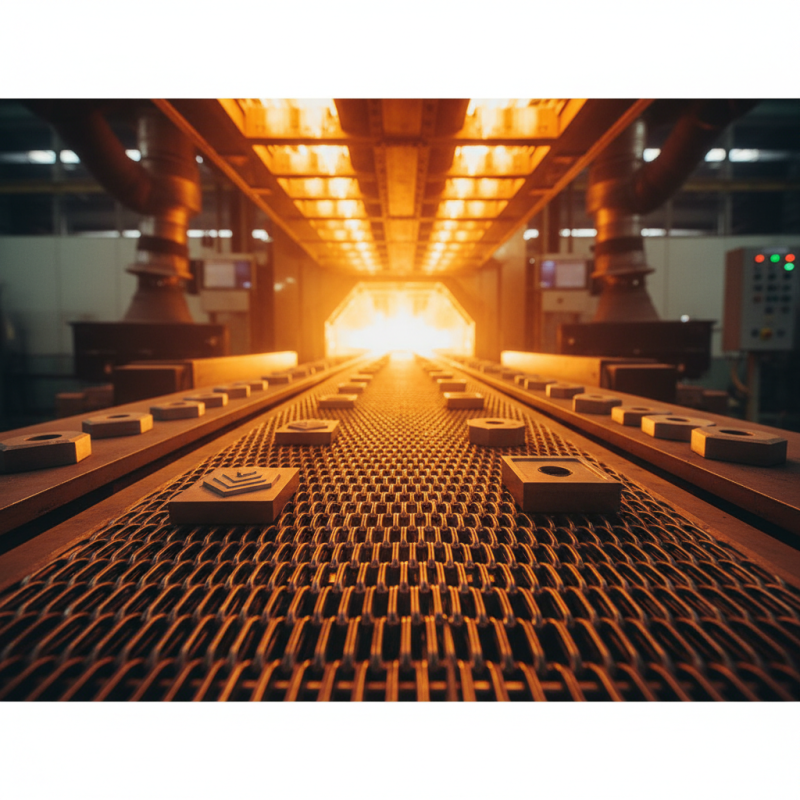
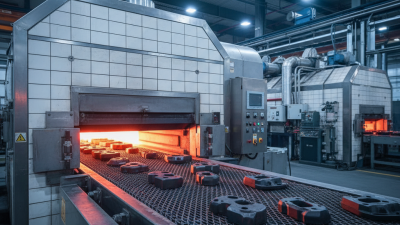
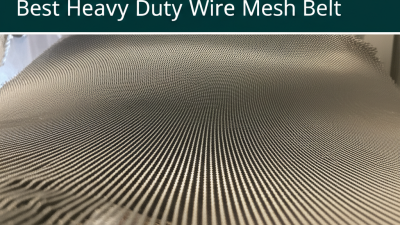
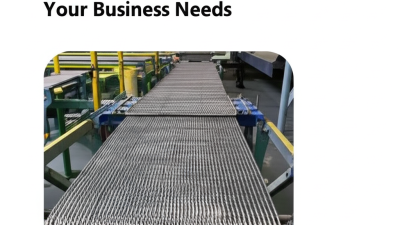
A Sintering Furnace Beltis a crucial component in the metallurgy and ceramic industries. It serves as a conveyor for materials undergoing sintering, a process that involves heating powders to form solid objects. This Mesh Belt is typically made from high-temperature resistant materials like stainless steel, ensuring durability and effective thermal conduction. According to industry reports, the global market for sintering technology is projected to grow by5% annually, indicating increased demand for efficient sintering solutions.
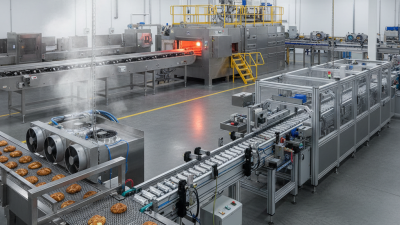
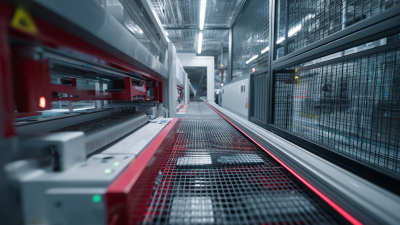
Operating a Sintering Furnace Mesh Belt requires precision. Materials are placed on the belt, which moves them through various temperature zones. Each zone is set at a specific temperature to optimize sintering without damaging the materials. Research shows that misalignment or uneven heating can lead to defects in the final product. Regular maintenance and precise calibration are essential for optimal performance.
Tips:
Check your belt for wear and tear regularly. Inspect the temperature zones to ensure they're functioning correctly. Small adjustments can lead to better quality products. Remember, even a minor error can result in significant losses in efficiency and quality. Keep an eye on these details to ensure your sintering process remains reliable.
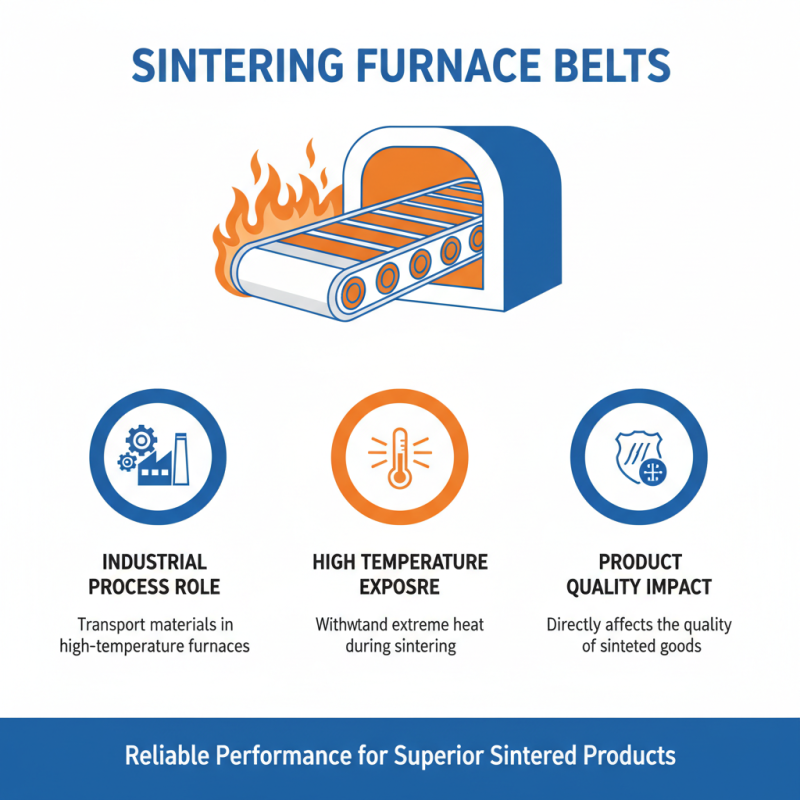
Sintering Furnace Belts are essential in various manufacturing processes. They transport materials through high-temperature kilns. These belts withstand extreme heat and pressure during sintering. The right belt can significantly influence the quality of the final product. They allow continuous operation, which is crucial for large-scale production.
One common issue is selecting the appropriate material for the belt. Different materials react differently under high temperatures. Manufacturers might face challenges in ensuring durability and performance. For example, an Iso 9001 Sintering Furnace Belt needs specific properties to maximize efficiency. The belt must resist wear while maintaining structural integrity.
Another consideration is maintenance. Regular checks can prevent unexpected breakdowns. Ignoring this can lead to costly downtimes. Design flaws can also affect performance. It's important to reflect on these aspects to enhance production flow. Overall, understanding the role of sintering furnace belts is key to optimizing manufacturing processes.
Sintering furnace belts play a vital role in industrial processes. These belts transport materials while they are exposed to high temperatures during sintering. The performance of these belts directly affects the quality of the sintered products.
Key materials in sintering furnace belts often include ceramic-coated fabrics and metal alloys. The ceramic material provides excellent thermal resistance. Metal alloys, on the other hand, ensure mechanical stability under high-stress conditions. According to industry reports, a rise in demand for high-temperature-resistant materials has led to innovations in belt design. This reflects the growing need for efficiency in production lines.
However, not all materials perform equally in every application. Some belts may wear down faster in certain environments. For example, exposure to sharp particles can cause premature damage. Continuous research is needed to optimize these materials. The balance between durability and flexibility remains a challenge in the development of the Sintering Furnace Conveyor Belt. Testing under real-world conditions is essential for better outcomes.
Sintering furnace belts are crucial in the production of metal powders. They assist in the efficient movement of materials through the heating area. These belts operate at high temperatures, allowing powders to fuse effectively. This process minimizes energy waste, leading to improved efficiency.
The design of a Metal Powder Sintering Furnace Belt plays a significant role in energy consumption. A well-engineered belt reduces heat loss and enhances thermal retention. Such efficiency is vital in industrial settings where energy costs can be high. However, not all belts perform equally. Some may suffer from inadequate thermal insulation, leading to higher energy usage.
Incorporating advanced materials can aid energy efficiency. For instance, using heat-resistant alloys can extend the belt's lifespan while maintaining performance. Yet, there's room for improvement. Continuous monitoring of belt conditions is necessary to prevent failures, which can disrupt production and waste energy. Attention to these details can lead to a more sustainable and efficient sintering process.
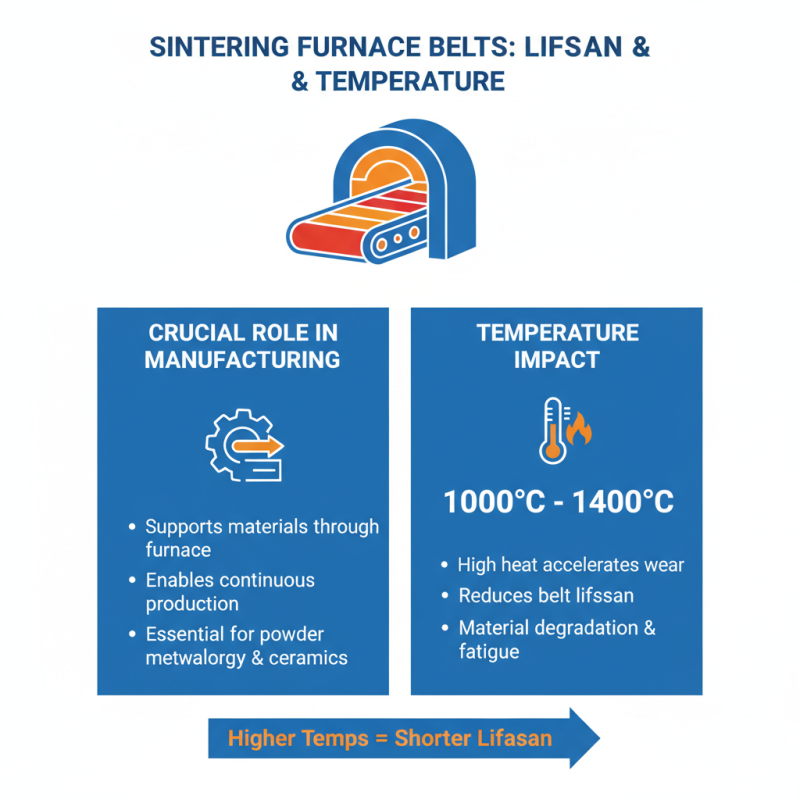
Sintering furnace belts play a crucial role in various industrial applications. They are designed to withstand high temperatures, typically ranging from 1000°C to 1400°C. Operating within these temperatures helps in effectively bonding materials like metals or ceramics. Such high-temperature settings are essential for ensuring product quality.
Tips: Ensure to monitor the temperature closely. Overheating can damage the belt or affect the end product.
Another aspect of sintering furnace belts is their material composition. They are often made of metal or specialized ceramics. These materials enhance their durability under extreme conditions. While they are robust, they can wear over time. Regular inspection is vital to maintain performance.
Tips: Look out for signs of wear and tear. Early detection can prevent costly downtime.
| Belt Material | Typical Operating Temperature (°C) | Thermal Conductivity (W/m·K) | Durability |
|---|---|---|---|
| Stainless Steel | 900 - 1300 | 15.1 | High |
| Nickel Alloy | 800 - 1200 | 20.8 | Medium |
| Silicone Composite | 200 - 300 | 0.2 | Low |
| Ceramic Fabric | 1000 - 1400 | 4.5 | Very High |
| Polyimide | 400 - 600 | 0.25 | Medium |
Sintering furnace belts play a crucial role in the manufacturing process. Their lifetime is influenced by several factors. Temperature exposure is significant. Most sintering furnaces operate within 1000°C to 1400°C. At these high temperatures, materials can wear out quicker than expected.
Another factor is the type of materials handled. Heavy, abrasive materials can increase wear on the belt. Additionally, the furnace's atmosphere affects the belt's longevity. Oxidizing or reducing environments may lead to chemical reactions that degrade the belt material. A study by the International Journal of Industrial Engineering suggested that proper maintenance can enhance belt life by up to 30%.
Tip: Regularly inspect the belt for signs of wear. Look for discoloration or physical damage. Small issues can lead to significant failures if ignored.
Environmental factors also matter. Humidity and dust can influence performance. High humidity may cause corrosion, while dust can lead to clogging. Areas with poor ventilation might have an even shorter belt lifespan. Always choose a belt material suited for the specific environment.
Tip: Use proper cleaning methods to prevent residue buildup. This practice reduces the risk of premature failure. Continuous monitoring is essential for extending belt life in sintering furnaces.
Recent innovations in sintering furnace belt technology have transformed the manufacturing landscape. These advancements focus on improving efficiency and enhancing material properties. For instance, new belt materials are being developed to withstand higher temperatures without degrading. Such changes lead to better productivity in sintering processes.
Additionally, some manufacturers are experimenting with smart technology. Sensors embedded in furnace belts can monitor temperature and tension in real-time. This data helps optimize the sintering process, but challenges remain. Not every facility can integrate this technology seamlessly. The costs of upgrading might deter some businesses. Finding a balance between innovation and practicality is crucial.
Moreover, sustainability is becoming a focal point. Companies are exploring how a belt's design can reduce energy consumption. Some are revisiting old materials while introducing new eco-friendly options. However, the path to sustainability is not straightforward. Many products still lack extensive testing for long-term effects. Innovators must tread carefully as they work to design belts that are both effective and environmentally friendly.
: The article provides insights into various topics, aiming to inform and engage readers.
You can use the insights to improve daily decisions. Think about how they relate to your experiences.
Yes, concrete examples are included to illustrate key points. Look for practical applications that resonate with you.
Take it one section at a time. Reflect on what stands out most to you and digest it slowly.
Consider different perspectives. Identify which viewpoints align with your values and experiences.
While many may find it useful, not all perspectives apply to everyone. Think critically about your own situation.
Yes, sharing can lead to enriching discussions. However, ensure that it suits the audience’s needs and interests.
Don’t hesitate to revisit sections for clarity. Ask questions or seek additional resources if necessary.
Some may be simple, while others require effort. Embrace the challenge and learn from your experiences.
A Sintering Furnace Belt is a crucial component in manufacturing processes, particularly in the sintering of materials like ceramics and metals. These belts are designed to withstand high temperatures while ensuring efficient material transport through the furnace. Made from key materials such as metal and ceramic composites, Sintering Furnace Belts significantly improve energy efficiency by reducing heat loss during operation.
Operating at typical temperatures ranging from 800°C to 1400°C, the lifespan of a Sintering Furnace Belt is influenced by various factors, including temperature fluctuations and material composition. Recent innovations in belt technology have focused on enhancing durability and thermal performance, thereby optimizing production and minimizing downtime. The integration of advanced materials and designs continues to drive improvements in both efficiency and effectiveness in sintering applications.