Choosing the right Material Handling Conveyor Belt isn’t just a small detail — it’s actually a pretty big deal when it comes to keeping things running smoothly. A lot of companies tend to overlook how important this decision is, but let me tell you, it really impacts both productivity and safety. Picking the right belt isn’t just about grabbing the first one you see; it involves thinking through a few key things like load capacity, the environment you'll be using it in, and how long the belt needs to be. Every little choice can have a ripple effect on your workflow.
For instance, you might think a heavy-duty belt is the way to go, but honestly, it might be overkill if you're just handling lighter stuff. It’s all about really zoning in on what your specific needs are. Ask yourself, what kinds of materials are you moving? Will the belt handle rough or harsh conditions? Stuff like this helps you narrow down your options. An ill-fitting choice can cause delays or even jack up your costs, which nobody wants.
Now, with so many options out there—different materials, designs—it’s pretty easy to get overwhelmed. There’s a ton of variety, and sometimes it’s hard to tell what’s truly the right fit. Sometimes, what’s popular or seems like a safe bet might not be the best choice for your particular setup. So, take your time doing some research. When you invest a little effort upfront, you end up with a reliable, long-lasting conveyor belt that really works for your business. Trust me, a bit of thoughtful planning makes all the difference.
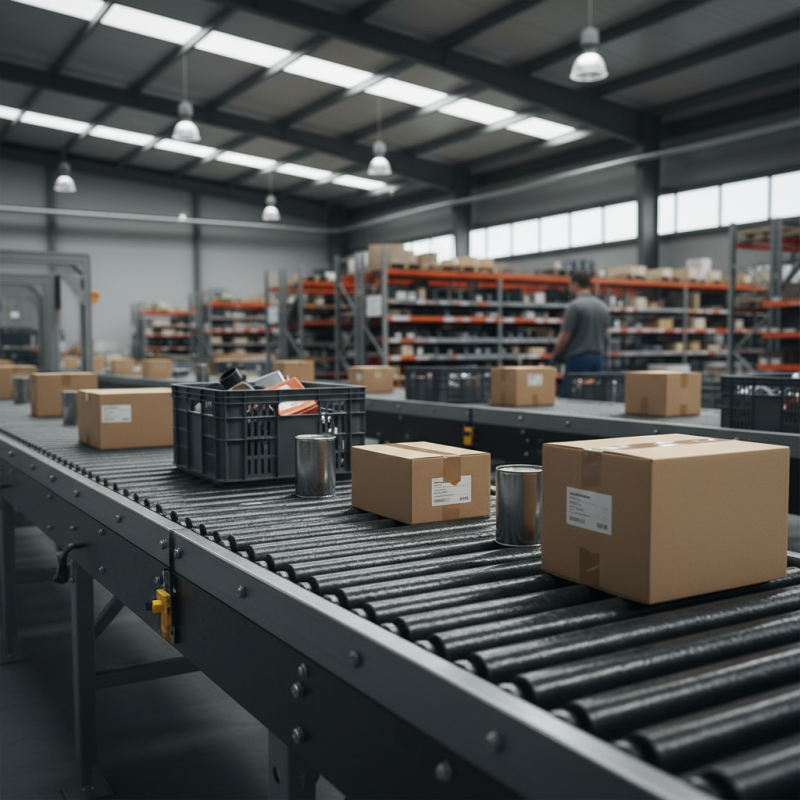
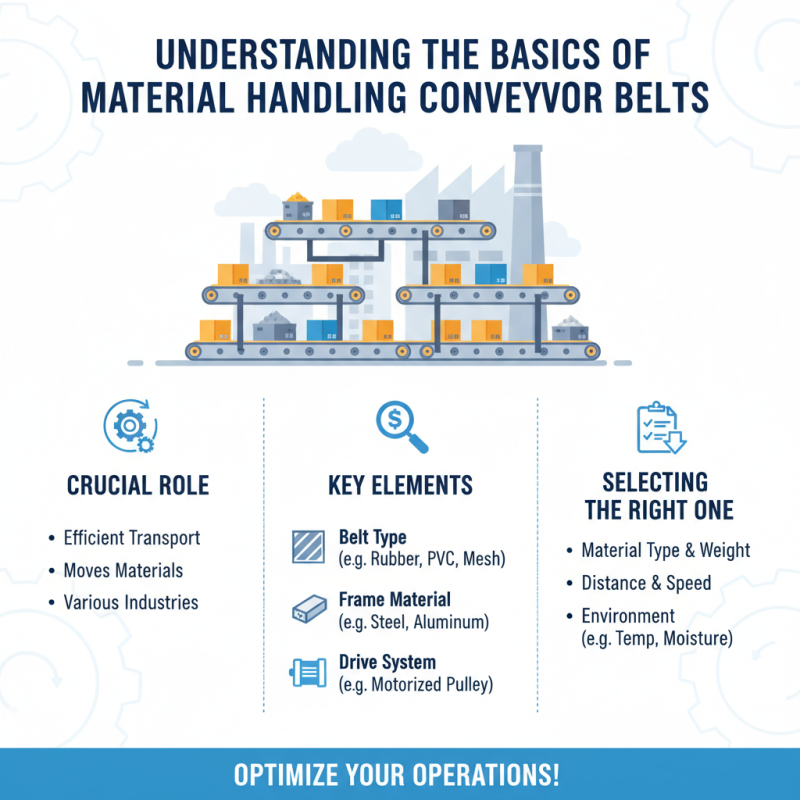
Material Handling conveyor belts play a crucial role in various industries. They transport materials efficiently from one point to another. However, not all conveyor belts are the same. It's essential to understand the key elements before selecting the right one for your needs.
When evaluating a Material Handling Belt Conveyor, consider the materials you will transport. Different belts cater to different types of products, whether bulk materials or packaged goods. The weight limit is also vital; a belt must support the load without compromising safety. Take the environment into account as well. Factors like temperature and moisture can influence your choice of belt material.
One common mistake is overlooking maintenance requirements. Some materials may wear out quickly, leading to increased downtime. Choosing a durable belt can save costs in the long run, yet, it is often tempting to opt for cheaper options initially. Reflect on the long-term benefits of an investment. Think about how a solid choice will impact your operations and prevent delays.
When choosing a conveyor belt, understanding the types is essential. Different materials and designs suit various applications. For instance, flat belts work well for general transport tasks. They are versatile and easy to maintain. However, they may not be ideal for heavy loads.
On the other hand, modular plastic belts provide a robust solution. They handle both heavy and lightweight items. Their design ensures flexibility in routing, which can be beneficial. Consider the specific needs of your operation. A belt that excels in one area may fall short in another.
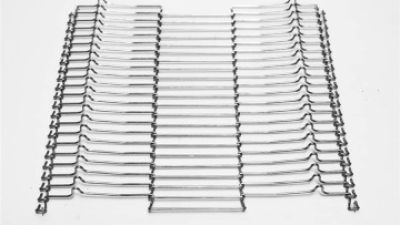
Wire Mesh Belts are great for cooling or draining applications. They allow airflow, which keeps products dry. But they can be more complex to clean. A slight oversight in choosing the right one can lead to operational hiccups. Reflect on the specific conditions of your environment. The right choice is not always clear-cut, and testing different options can provide valuable insights.
Choosing the right material handling conveyor belt is crucial for efficiency. Several factors come into play when selecting the appropriate belt material. The type of materials being transported is one of the most important considerations. Heavy and abrasive materials require robust belts. Lighter materials may allow for more flexibility in choosing the Material Handling Belt.
Another factor is the environment. Temperature and humidity affect the belts differently. Some materials resist degradation better than others. Understanding these conditions can prevent breakdowns. A common mistake is overlooking maintenance needs. Selecting a belt that is difficult to clean might lead to downtime.
Cost is also a significant concern. While cheaper materials might seem appealing, they can lead to higher long-term costs. Weighing the initial investment against potential repairs and replacements is essential. Ultimately, reflecting on your specific operational needs will guide you to the right choice in a material handling belt.
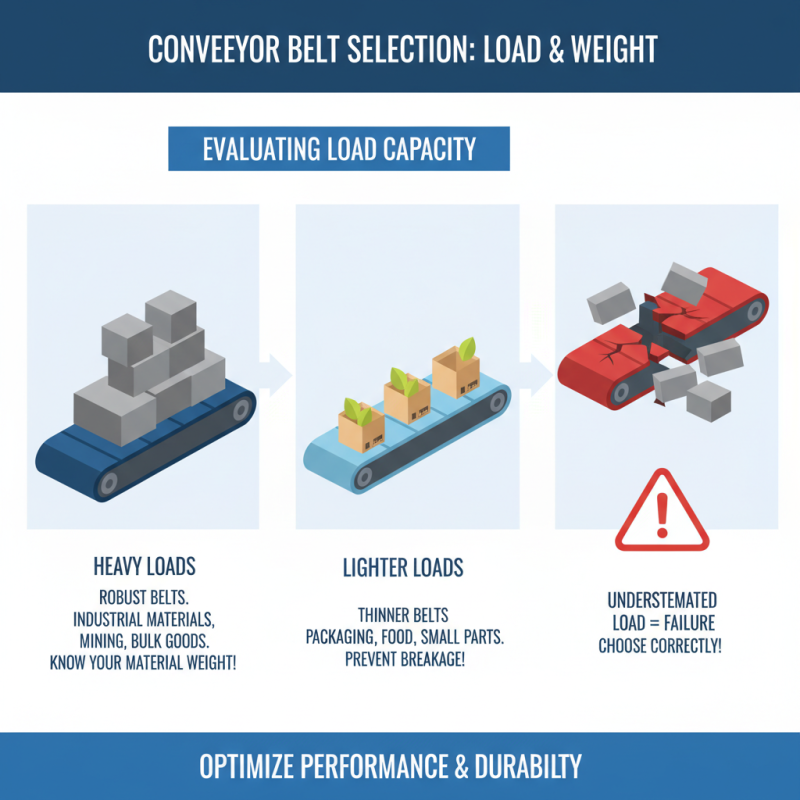
When selecting a conveyor belt, evaluating load capacity is crucial. Different applications require various load capacities. Heavy loads demand robust belts, while lighter materials can use thinner options. It’s essential to know the weight of your materials. An underestimated load can lead to breakage.
Consider the specific weight requirements. Sometimes, materials weigh more than expected. Conduct thorough testing before making a decision. Measure the actual weight. Keep in mind that variations may occur.
Here are some tips for choosing the right conveyor belt. Check the manufacturer's guidelines on load limits. Think about future needs; you might need to increase capacity. Always stay within the specified limits to ensure safety. Poor choices can lead to costly downtime. Adjusting to incorrect specifications can be a headache. Make sure to consult with experts when in doubt.
Choosing the right conveyor belt is crucial for efficient material handling. Durability is a primary concern. A robust conveyor belt can withstand heavy loads and resist wear and tear. Regular maintenance ensures longevity. Neglecting this can lead to unexpected breakdowns.
One tip is to inspect belts regularly. Look for cracks or signs of fraying. Monitoring wear patterns helps identify problems early. This practice can prevent costly downtime.
Another piece of advice is to clean belts often. Dirt and debris can cause slippage. Clean belts operate more efficiently. Some users overlook this task, thinking it’s unimportant.
Finally, keep an eye on the operating environment. Temperature and humidity can affect belt performance. Consider these factors when making your selection. Each detail matters.
When considering conveyor belts for Material Handling, cost is a major factor. Reports show that the initial purchase price can significantly impact long-term expenses. Research from industry sources indicates that materials with high durability often cost more upfront but save money on replacements and downtime. In fact, investing in quality belts can reduce maintenance costs by up to 30%.
The total cost of ownership (TCO) is essential in making a decision. This includes installation costs, maintenance, and operational efficiency. A study found that poorly selected conveyor belts can lead to a 20% increase in operational expenses over five years. Therefore, understanding the materials' lifespan can help businesses avoid unforeseen expenses.
Surprisingly, some companies overlook these factors and focus solely on the upfront cost. This short-sightedness can lead to higher costs in the long run. It's worth reflecting on whether choosing a cheaper option now might lead to greater losses later. Balancing initial investment and longevity is key in the material handling industry.
Choosing the right material handling conveyor belt is crucial for efficiency. Reliable suppliers and manufacturers should be on your radar. A recent report from the Materials Handling Industry indicates that about 70% of failed projects stem from poor supplier choices. This highlights the need for thorough vetting.
Look for suppliers with solid industry experience. They should have a history of producing durable belts tailored to specific needs. Consider their material sourcing practices too. High-quality raw materials lead to better performance. Statistics show that belts made from superior materials have a 25% longer lifespan.
It's also vital to engage in dialogue with potential manufacturers. Ask detailed questions about their production processes. Some may overpromise efficiency, which can be misleading. Ignoring feedback data may result in material handling inefficiencies that could cost you in the long run. Prioritizing trustworthy relationships in supplier selection can significantly enhance operational productivity.
| Feature | Importance | Recommended Material |
|---|---|---|
| Belt Material | Crucial for load capacity and durability | Polyester, PVC, Rubber |
| Belt Width | Affects the type and volume of material transported | Variable, typically 12" to 60" |
| Belt Thickness | Impacts strength and wear resistance | 1/8" to 1" based on application |
| Temperature Resistance | Important for environments with extreme temperatures | High-temperature resistant materials |
| Pulley Diameter | Affects the flexibility and durability of the belt | Standard sizes: 4", 6", 8" |
| Supplier Reliability | Crucial for consistent quality and timely delivery | Look for certified and experienced manufacturers |
| Maintenance Requirements | Affects operational efficiency and lifespan | Low-maintenance designs recommended |
Maximizing your fitness journey involves incorporating effective core workouts that can significantly enhance overall stability and strength. One effective tool for achieving this is the Flat Flex Belt, which facilitates versatile and efficient exercise routines. The Flat Flex Belt’s design, particularly models that offer anti-static features or are FDA compliant, provides a unique advantage in various settings, including those focused on health and fitness. Research from the American Council on Exercise (ACE) suggests that core strength contributes to improved athletic performance and injury prevention, making it crucial to select the right equipment.
Furthermore, the benefits of using specialized Flat Flex Belts extend beyond traditional workouts. For example, low-profile options are ideal for small parts assembly, proving highly beneficial in environments where every inch of space matters. Similarly, food-grade Flat Flex Mesh belts are essential in fitness-related contexts, especially where clean and hygienic practices are paramount. These belts not only assist in effective core stabilization during workouts but also cater to various industrial applications that require precision and safety, with reports highlighting a growing demand for such specialized products in sectors like food service and manufacturing.
With advancements in technology, high-temperature Flat Flex Belts that withstand extreme conditions and heavy-duty variants designed for packaging automation are making headway in diverse industries. As the trend for customized solutions increases, particularly in compact machinery, the utility of Flat Flex Belts for effective core workouts transcends fitness, offering applications across multiple industries. Adopting such versatile tools into your fitness regimen can thus serve dual purposes, enhancing both personal health and operational efficacy in various professional fields.
: They transport materials efficiently from one place to another in various industries.
Consider the materials being transported and the environmental conditions they will encounter.
A durable belt can handle heavy loads and resist wear, reducing the need for frequent replacements.
Regular inspections for cracks and fraying are vital. Cleaning belts often prevents slippage and improves efficiency.
Yes, these factors can influence the performance and longevity of the belts. Consider them when selecting a belt.
Cheaper belts may lead to higher long-term costs. Weigh initial costs against potential repairs and replacements.
Overlooking maintenance needs and not considering the specific materials can be detrimental to operations.
Regular cleaning is crucial. It helps prevent dirt build-up, which can affect performance significantly.
Look for cracks, fraying, or unusual wear patterns. Early detection can help avoid costly downtime.
It helps in making informed decisions about investments in equipment, improving overall operational efficiency.
When selecting a Material Handling Conveyor Belt, it's essential to understand the basic types and their specific applications. Different conveyor belts are suited for various tasks, so identifying the right type tailored to your needs is crucial. Key factors to consider include the durability of the material, load capacity, and weight requirements, ensuring that the belt can withstand the demands of your particular environment.
Additionally, cost considerations play a significant role in the decision-making process. Balancing quality with budget constraints is important to ensure long-term efficiency and effectiveness. Lastly, finding reliable suppliers and manufacturers will guarantee that you receive a product that meets your operational needs while also facilitating necessary maintenance for extended lifespan and performance. Overall, making an informed choice in Material Handling Conveyor Belts can enhance productivity and streamline operations.