When you're into baking, the gear you pick really makes a difference in how your final goodies turn out. I mean, one of the most important parts of setting up a thermal oven is definitely the Thermal Oven Belt. Choosing the right one can not only speed up your baking process but also seriously boost the quality of what you bake. Honestly, with so many options out there, it's super helpful to understand what to look for—whether you're just starting out or you've been at it for a while.
In this guide, I’ll walk you through some key tips to help you pick the perfect Thermal Oven Belt for your needs. Things like the material it’s made of, its width and length—every little detail counts when it comes to getting the best results. I’ll also point out some common mistakes to avoid and share best practices, so you can make an informed choice without the stress. Whether you’re running a small bakery or a big production line, having the right belt is a game-changer for consistent, quality results. Get ready to level up your baking game with some tips and tricks from the pros!
Understanding the Importance of Thermal Oven Belts in Baking
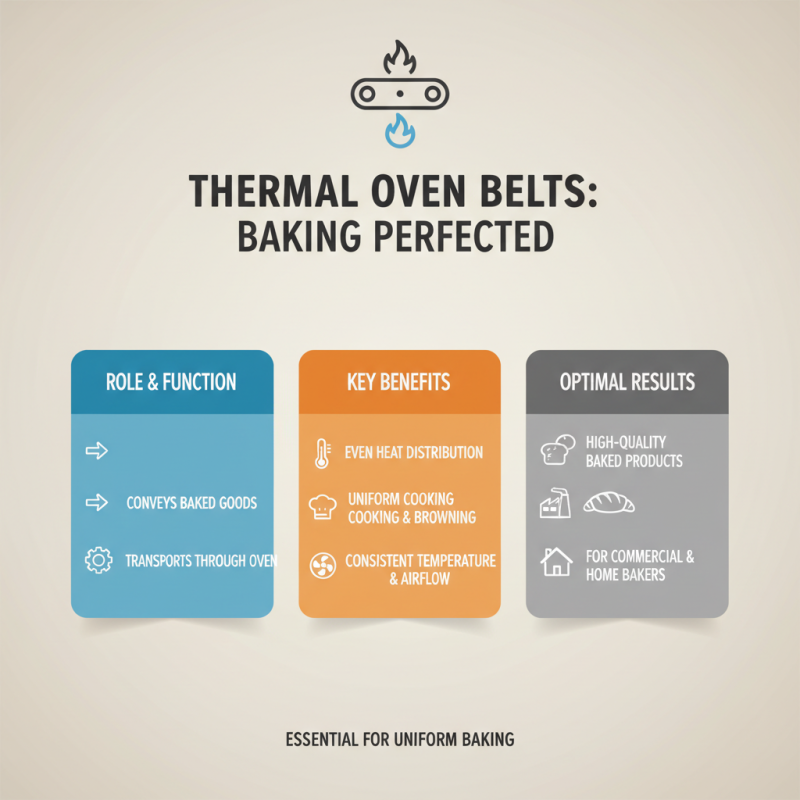
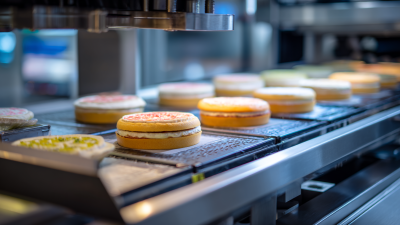
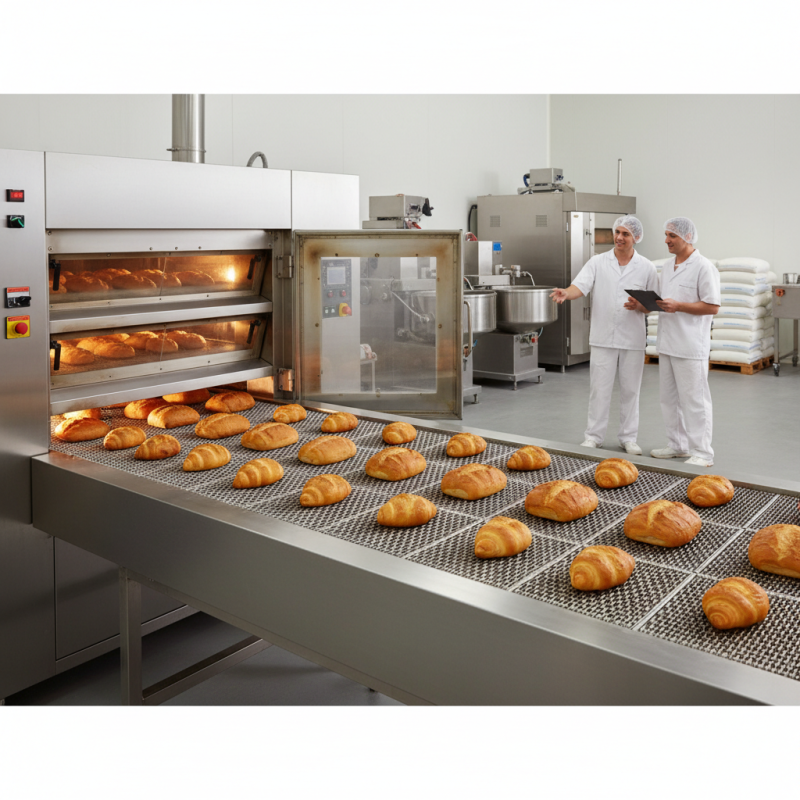
Thermal Oven Belts play a crucial role in the baking process, acting as a conveyor system that transports baked goods through the oven chamber while ensuring even heat distribution. Understanding the importance of these belts is essential for achieving optimal results in baking. A well-designed thermal oven belt helps maintain consistent temperature and airflow, allowing for uniform cooking and browning. This consistency is vital for both commercial bakers and home enthusiasts who aim to deliver high-quality baked products, from breads to pastries.
Choosing the right thermal oven belt can impact efficiency and productivity in a baking environment. The material and thickness of the belt must be compatible with the specific temperatures and baking times required for different recipes. For instance, some materials can withstand higher temperatures and are better suited for long baking cycles, while others may be more effective for lower heat applications. Additionally, the belt's design should facilitate easy cleaning and maintenance to ensure hygiene and prevent cross-contamination between batches. By carefully considering these factors, bakers can enhance their baking process and elevate the quality of their final products.
Types of Thermal Oven Belts and Their Unique Characteristics
When selecting the right thermal oven belt, understanding the various types available can significantly enhance your baking experiences. There are primarily three categories of thermal oven belts: Mesh Belts, solid belts, and modular belts, each offering unique characteristics that cater to different baking needs.
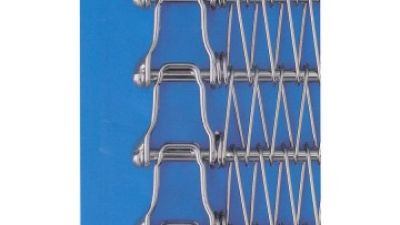
Mesh belts, typically made from metals or non-stick materials, are designed for even heat distribution while allowing air circulation. This makes them ideal for products that require a crisp finish, like pastries or pizzas. Solid belts, on the other hand, provide a smooth surface, which is particularly useful for baking items that need a consistent texture, such as cakes or cookies. Their rigidity offers stability for heavier products during the baking process. Lastly, modular belts consist of interlocking segments that can be customized to fit specific oven configurations. They are highly durable and versatile, suited for both high-temperature baking and applications involving sticky or delicate items.
Understanding these differences can help you make an informed choice when selecting a thermal oven belt that meets your specific baking needs, ensuring optimal performance and quality results in your baking endeavors.
Top Tips for Choosing the Right Thermal Oven Belt for Your Baking Needs
| Type of Thermal Oven Belt | Material | Temperature Range (°C) | Advantages | Typical Uses |
| Teflon Belt | PTFE (Polytetrafluoroethylene) | -50 to 260 | Non-stick surface, durable | Baking pastries and bread |
| Silicone Belt | Silicone-coated fabric | -60 to 230 | Flexible, easy to clean | Cake baking, confectionery |
| Mesh Belt | Fiberglass fabric | -40 to 260 | Excellent heat distribution | Baking, drying snacks |
| Polyester Belt | Polyester | -30 to 180 | Affordable, lightweight | Low-temperature baking |
| Nylon Belt | Nylon | -20 to 200 | Strong, resistant to wear | Heavy-duty baking applications |
Key Factors to Consider When Choosing a Thermal Oven Belt
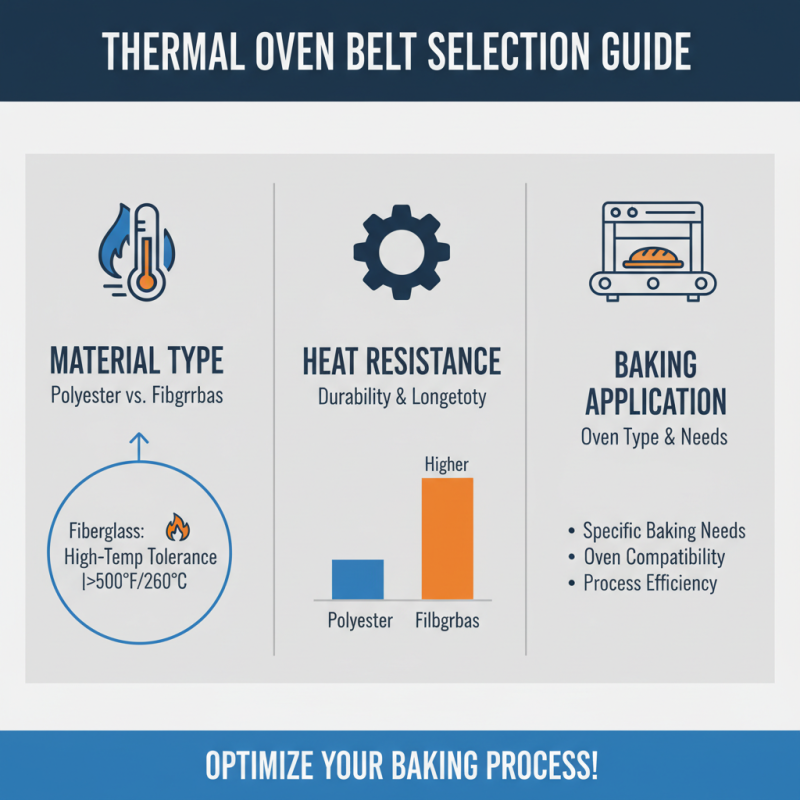
When selecting a thermal oven belt for baking, it is essential to consider various key factors that can significantly impact the quality and efficiency of your baking processes. One of the primary considerations is the material of the oven belt itself. Industry studies indicate that different materials, such as polyester or fiberglass, offer varying degrees of heat resistance and durability. For instance, fiberglass oven belts are known for their high-temperature tolerance, often exceeding 500°F (260°C), making them suitable for demanding baking applications. Understanding the thermal properties of the material can help in choosing a belt that suits specific baking needs and oven types.
Another critical aspect to keep in mind is the thickness and weave of the belt. Reports suggest that belts with a denser weave tend to provide better heat retention, promoting even cooking and enhancing product quality. Additionally, the thickness can influence the belt’s longevity; thicker belts generally withstand wear and tear over extended periods. According to the Baking Industry Research and Development Survey, a well-chosen thermal oven belt can improve production efficiency by up to 15% by reducing cooking times and maintaining consistent product quality. Therefore, evaluating the belt's specifications in relation to your baking output is crucial for optimizing both performance and cost-efficiency.
Evaluating the Material and Durability of Oven Belts
When selecting a thermal oven belt for your baking needs, it is essential to consider the material and durability of the belt. The material of the oven belt plays a crucial role in its performance, as it directly affects heat retention and distribution. Common materials include silicone, PTFE (polytetrafluoroethylene), and various woven fabrics. Each material offers different benefits; for instance, silicone belts tend to be flexible and non-stick, making them ideal for delicate pastries, while PTFE belts are known for their high-temperature resistance and durability, suitable for intensive baking processes.
Durability is another vital factor to evaluate when choosing an oven belt. A durable oven belt can withstand extreme temperatures and heavy usage without compromising performance. Look for belts that offer resistance to wear and tear, as well as those designed to handle the specific requirements of your baking environment. Additionally, assessing the thickness and construction of the belt can provide insight into its longevity. Belts that are reinforced or feature multi-layer designs can offer increased durability, ensuring that they maintain their shape and functionality even under continuous stress.
Sizing and Fit: Ensuring the Right Belt for Your Oven
When selecting a thermal oven belt, sizing and fit are critical factors that directly impact your baking performance. An improperly sized belt can lead to uneven baking, product damage, and even operational inefficiencies. To ensure optimal performance, it's essential to measure the oven’s dimensions accurately—both the width and length of the belt area must be assessed. Additionally, consider the thickness of the belt material, as this can influence heat distribution and durability. Using a tape measure, take precise measurements and confirm them against the specifications of your baking oven.
In addition to measurements, understanding the type of baking you will be doing is vital in determining the right belt fit. Different baking processes may require belts with varying levels of flexibility and durability. For instance, if your operations involve high temperatures or heavier items, selecting a thicker, robust belt would be advantageous. Alongside this, ensure that the belt aligns well with the oven’s rollers and tensioning systems, which can affect how smoothly it operates. Investing time in evaluating these aspects will lead to a better-fitting belt that enhances your baking outcomes and extends the life of your oven equipment.
Maintenance Tips for Prolonging the Life of Your Oven Belt
When it comes to maintaining your thermal oven belt, regular care is essential to ensure it lasts longer and functions optimally. One key tip is to clean the belt regularly. Use a soft brush or cloth to remove any accumulated debris or residue, as buildup can lead to uneven baking and wear on the belt material. Additionally, consider using a mild cleaning solution that won't damage the belt, making sure to rinse thoroughly and let it dry before reusing.
Another important aspect of maintenance is to monitor the temperature settings during baking. Overheating can cause the belt to warp or degrade more quickly, so it's crucial to follow the manufacturer's recommended temperature guidelines. Implementing routine checks to ensure that the oven is operating within the ideal temperature range will help prevent premature wear and tear on your oven belt.
Moreover, periodically inspecting the belt for signs of damage is vital. Look for cracks, tears, or any signs of fraying that could affect its performance. If any damage is found, replacing the belt promptly can help avoid more significant issues down the line. Keeping a close eye on the condition of your oven belt not only prolongs its life but also improves the quality of your baked goods, making your baking experience more enjoyable.
Cost vs. Quality: Making an Informed Purchase Decision on Belts
When selecting the right thermal oven belt for your baking needs, the balance between cost and quality is crucial. According to a recent industry report published by the Baking Equipment Manufacturers Association (BEMA), investing in high-quality thermal oven belts can significantly impact the efficiency and consistency of baking processes. Low-cost options may seem appealing initially, but they often lack durability and performance standards, potentially leading to higher operational costs down the line. For instance, the study found that while economical belts can reduce upfront expenditures by 20-30%, they may require replacement every six months, while quality belts tend to last up to two years with proper maintenance.
Moreover, understanding the materials and the manufacturing process of oven belts can aid in making an informed decision. A survey conducted by Food Engineering revealed that belts made from silicone or durable composite materials exhibit superior thermal resistance and longevity, which justifies their higher initial cost. Professionals in the industry suggest that a thorough evaluation of the belt's heat transfer capabilities and resistance to wear and tear should be a priority when considering your options. Ultimately, investing in quality thermal oven belts not only improves product quality but also leads to cost savings over time, making it a smarter choice for bakeries aiming for high standards.
Cost vs. Quality of Thermal Oven Belts
Enhancing Efficiency and Versatility: The Role of Spiral Conveyor Belts in Modern Material Handling Systems
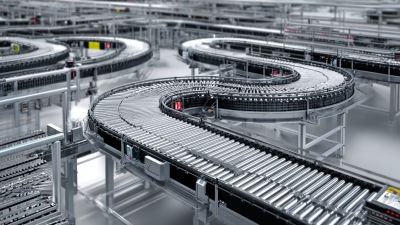
In the realm of modern material handling systems, the efficiency and versatility of spiral conveyor belts have become increasingly vital. These systems, particularly in industries such as food processing, logistics, and manufacturing, enhance operational workflows by enabling seamless transportation and processing of products. A recent report by the Material Handling Industry of America (MHIA) indicates that implementing advanced conveyor technology can increase productivity by up to 30%, showcasing the crucial role that spiral conveyor belts play in optimizing efficiency.
Spiral conveyor belts offer specialized features tailored to unique applications. For instance, food-grade options, such as the 316L stainless steel belts, ensure compliance with FDA regulations, making them ideal for food handling and processing tasks. These belts are designed not only for durability but also for hygiene, essential in preventing cross-contamination in food production environments. The low-temperature spiral conveyor belts, rated to -40°C, are particularly beneficial for handling frozen goods, ensuring that products maintain their integrity during transit. Furthermore, the use of anti-stick and corrosion-resistant materials enhances the longevity of belts when dealing with challenging products like seafood and vegetables.
The versatility of spiral conveyor belts extends to their adaptability in various setups. Custom-diameter spiral belts can be designed for compact freezer systems, while energy-efficient models contribute to reduced operational costs. The quick-release feature of some designs allows for easy cleaning and maintenance, further enhancing operational efficiency. As industries continue to evolve, embracing these innovative conveyor solutions will be crucial for maintaining competitive advantages and meeting the growing demand for efficiency in material handling processes.
FAQS
: A thermal oven belt acts as a conveyor system that transports baked goods through the oven while ensuring even heat distribution, which is crucial for achieving consistent cooking and browning.
The right thermal oven belt can significantly impact baking efficiency, as its material and thickness must align with the required temperatures and baking times for different recipes, thus enhancing productivity.
The three main types of thermal oven belts are mesh belts, solid belts, and modular belts, each designed to cater to different baking needs like heat distribution, texture consistency, and customization.
Mesh belts are ideal for products requiring a crisp finish, such as pastries or pizzas, due to their design that promotes even heat distribution and air circulation.
Regular maintenance includes cleaning the belt with a soft brush or cloth, monitoring temperature settings to avoid overheating, and regularly inspecting for damage.
Cleaning prevents the buildup of debris or residue that can cause uneven baking and wear on the belt, which can negatively impact the quality of baked goods.
Signs of damage such as cracks, tears, or fraying indicate that the oven belt should be replaced to ensure optimal baking performance and prevent further issues.
A well-designed thermal oven belt should facilitate easy cleaning and maintenance, which is crucial for hygiene and preventing cross-contamination between different batches of baked goods.
Conclusion
When choosing the right thermal oven belt for your baking needs, it's essential to understand the significant role these belts play in the baking process. This article outlines various types of thermal oven belts, highlighting their unique characteristics and how they affect the overall performance of your baking oven. Key factors to consider include the material, durability, sizing, and fit of the belt, which can impact both the quality of baked goods and the longevity of the oven belt itself.
Additionally, maintaining your thermal oven belt properly can extend its lifespan, ensuring consistent results in your baking endeavors. Lastly, it’s crucial to strike a balance between cost and quality to make an informed purchase decision, allowing you to choose a thermal oven belt that meets your specific requirements without compromising on performance.