Picking the right industrial belt manufacturer? It takes a lot more than lining up catalog prices. Actual performance comes down to load, speed, temperature, sanitation, and how the belt is installed.
A belt that runs like a dream in a packaging plant can struggle in a quarry. In food processing, cleanability really matters. And on baking lines, an Industrial Oven Belt has to handle heat, constant flexing, and precise tracking. Small design choices can quietly turn into big maintenance bills.
This guide looks at ten established manufacturers for global buyers: Habasit, Ammeraal Beltech, Forbo Movement Systems, Fenner Dunlop, Continental, Gates, Mitsuboshi Belting, Sparks Belting, Bando, and Megadyne. They don’t all offer the same product ranges or regional strengths. And that matters.
W. Edwards Deming, a respected manufacturing quality expert, once said, “Quality comes not from inspection, but from the improvement of the production process.” That principle fits belt buying surprisingly well. Reliable results start with correct specs, the right materials, and solid supplier support. Inspection alone won’t save a belt that was poorly chosen in the first place.
We look at belt construction, application expertise, technical documentation, customization, delivery capacity, and after-sales service. We also dig into practical stuff like splice quality, pulley compatibility, cleaning routines, and emergency replacement support. A low quote can look tempting. But it can get expensive fast once tracking problems or unexpected downtime show up.
No ranking is ever flawless. Buyer priorities change from industry to industry and region to region. Some companies shine in heavy-duty conveying, while others focus on hygienic processing or precision power transmission. Before deciding, global buyers should verify certifications, local service coverage, lead times, and operating temperatures. Think of this comparison as a useful starting point, not a replacement for a real engineering review.
Industrial Belt Manufacturers: Market Scope and Product Categories
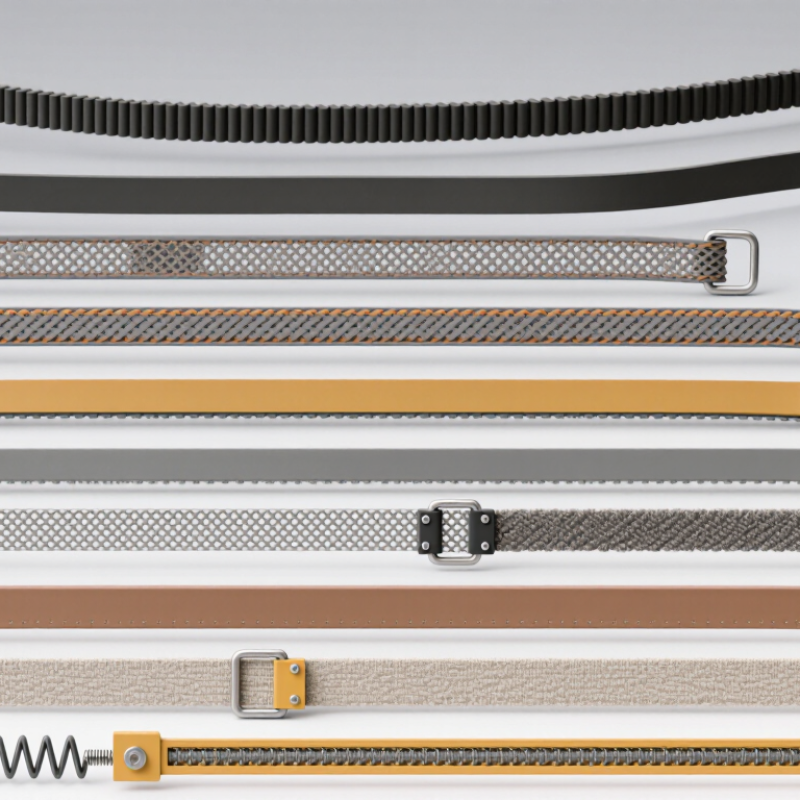
Industrial belt manufacturers serve a wide market, from food processing and mining to logistics, agriculture, and packaging. Each application demands different belt behavior. A mining line may require thick, abrasion-resistant rubber, while a bakery needs a smooth, hygienic surface. Industrial Conveyor Beltproducts commonly include rubber Conveyor Belts, modular plastic belts, timing belts, V-belts, flat belts, and steel-reinforced designs.
Market scope depends on more than belt width and length. Buyers should examine tensile strength, operating temperature, oil resistance, cleat design, belt tracking, and expected service hours. Experienced manufacturers usually provide technical drawings, jointing guidance, test data, and replacement advice. These details matter when a loaded belt moves continuously through dust, heat, or moisture. Regional safety rules and material requirements also deserve careful review. Specifications can look complete and still miss a critical operating condition.
Tips: Ask for samples, performance records, and installation instructions before placing a large order. Confirm whether the belt suits your pulley diameter and conveyor speed. A small mismatch can create edge damage within weeks. I have seen buyers focus on price and overlook maintenance access. That choice often increases downtime. Product categories are useful starting points, but real performance depends on the full conveying system, not the belt alone.
How to Evaluate Industrial Belt Manufacturers for Global Procurement
Global buyers should evaluate industrial belt manufacturers beyond catalog width, tensile strength, and price. MarketsandMarkets estimated the global conveyor belt market at about USD 5.1 billion in 2024, with continued growth through 2029. That expansion increases supplier choice, but not necessarily supplier quality. Request batch-level test reports for tensile strength, abrasion, elongation, joint performance, and temperature resistance. Confirm whether the data comes from an independent laboratory. A polished certificate is not enough.
Look for documented quality systems, traceable raw materials, and clear corrective-action records. ISO 9001 certification supports process control, yet it does not guarantee perfect belt performance. Ask for failure statistics from comparable mining, logistics, or manufacturing applications. Site audits should include a walk through mixing, calendaring, vulcanizing, inspection, and packaging areas. Small details matter. Check storage conditions. Poorly stored belts may develop deformation before installation.
Procurement teams should also compare lead times, spare-part availability, technical support, and warranty limits. The 2023 World Bank Logistics Performance Index shows major differences in customs reliability and shipment predictability across markets. Build those risks into landed-cost calculations. A low quotation can become expensive after delays, emergency freight, or repeated alignment problems. I would still avoid choosing by scorecard alone. Supplier interviews sometimes reveal practical knowledge that documents miss. That judgment is useful, but it remains subjective and should be recorded openly.
Top 10 Industrial Belt Manufacturers and Their Core Strengths
Industrial belt manufacturing is becoming more specialized as factories demand higher uptime, cleaner production, and lower maintenance costs. Grand View Research reported that the global conveyor belt market was valued at approximately USD 4.6 billion in 2023, with steady growth expected through 2030. This expansion favors suppliers with tested materials, reliable engineering, and strong after-sales support.
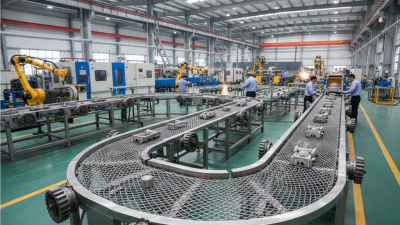
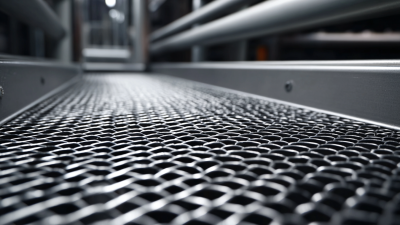
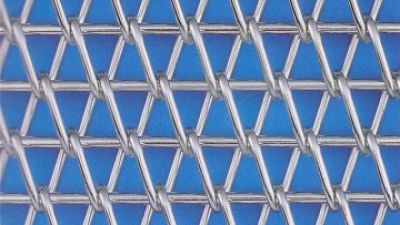
The top ten manufacturers for global buyers usually stand out through different core strengths. Heavy-duty rubber specialists serve mining and bulk handling. Steel-cord producers support long-distance, high-tension conveying. Modular plastic belt makers fit food, packaging, and washdown lines. Industrial Conveyor Mesh Belt suppliers focus on heat resistance, airflow, and precise opening patterns. Other leading manufacturers develop oil-resistant covers, abrasion-resistant compounds, flame-retardant designs, and custom splicing systems. The best suppliers also provide installation guidance, belt tracking data, and replacement planning.
MarketsandMarkets estimates that automation and material-handling investment will continue driving conveyor demand across manufacturing and logistics. That matters during procurement. A low purchase price can hide weak edge sealing, poor joint quality, or short service life. In my experience, belt samples should be tested under real loads, temperature cycles, and cleaning routines. A ranking is never perfectly neutral. Regional service capacity may matter more than laboratory specifications. Buyers should compare tensile strength, minimum pulley diameter, operating temperature, compliance documentation, and delivery reliability before selecting a manufacturer.
Industrial Belt Technologies, Materials, and Performance Standards
Global buyers comparing the top 10 industrial belt manufacturers should examine technology before catalog size. Belt design starts with load, speed, incline, and operating temperature. Polyurethane suits clean, light-duty conveying, while rubber handles abrasion and heavier impact. Aramid reinforcement can reduce stretch on long conveyors. Steel reinforcement offers high tensile strength, but it adds weight and requires careful splice planning. Material choice is not decoration.
An Industrial Conveyor Belt Ovenrequires more than ordinary heat resistance. The belt must tolerate repeated heating, cooling, airflow, and product contact. Silicone, PTFE-coated fabrics, Stainless Steel Mesh, and high-temperature rubber suit different temperature ranges. Engineers should verify thermal limits through test data, not sales language alone. Small details matter. Edge fraying, belt tension, pulley diameter, and cleaning chemicals can shorten service life. During one practical inspection, uneven loading caused tracking problems before visible damage appeared. The specification looked acceptable, but the application review was incomplete.
Performance standards help buyers compare suppliers fairly. ISO 14890 applies to many rubber and plastic conveyor belts, while ISO 21183-1 covers light conveyor belts. Food-contact applications may require documented compliance with applicable regional rules. Test reports should show flame resistance, oil resistance, elongation, tensile strength, and splice efficiency. Buyers should request traceability, batch records, installation guidance, and warranty conditions. ISO 9001 certification supports process confidence, but it does not prove suitability for every machine. A capable supplier should explain those limitations clearly.
Comparing Quality, Customization, Pricing, and Production Capacity
Top 10 Industrial Belt Manufacturers for Global Buyers
Comparing Quality, Customization, Pricing, and Production Capacity
A serious comparison of the top ten industrial belt manufacturers starts with measurable quality. Check tensile strength, belt thickness, joint accuracy, edge finish, and tracking stability. In food or heat-processing lines, request temperature ratings and material test reports. An Industrial Oven Belt Supplier should explain how its mesh design handles airflow, product weight, and repeated thermal cycling. Ask for sample belts, not only polished catalogs. Small defects often appear near welded joints.
Customization separates capable manufacturers from simple resellers. Confirm available widths, lengths, spiral patterns, coatings, and reinforced edges. A practical supplier can adjust belt geometry without creating confusing delays. Production capacity matters just as much. Review monthly output, machine availability, inspection procedures, and backup production plans. A low quoted price means little if Replacement Belts arrive after a line stoppage. Request realistic lead times for both standard and custom orders.
Pricing should include freight, tooling, testing, packaging, and future maintenance. Compare the full operating cost, not the first invoice. Some manufacturers offer attractive pricing but limited technical support. Others charge more for tighter tolerances and stronger documentation. Factory audits, video inspections, and reference projects can improve confidence. Still, no evaluation is perfect. A spreadsheet may hide communication problems, while a factory visit may show only one unusually prepared area. Test a small order before committing to annual volume. Be careful.
International Certifications, Supply Chains, and Export Support
A strong top-10 list should measure more than belt width, tensile strength, or price. Global buyers need manufacturers with traceable materials, stable production, and export-ready documentation. ISO’s Survey 2022 recorded about 1.26 million ISO 9001 certificates worldwide. This figure shows quality systems are widespread, but certification alone proves little about daily control. Ask for current certificates, scope statements, and recent audit dates. Also verify testing against relevant standards, such as ISO 14890 for conveyor belts and ISO 340 for flame resistance.
Supply-chain resilience deserves equal attention. UNCTAD’s Review of Maritime Transport 2023 states that over 80% of global merchandise trade by volume moves by sea. A capable supplier should explain factory capacity, raw-material sources, port options, and backup production plans. The World Bank’s Logistics Performance Index 2023 compares 139 economies, highlighting customs, tracking, and delivery reliability. Request a sample commercial invoice, packing list, certificate of origin, and clear Incoterms before placing a large order. Small details matter. Incorrect documents can delay a container for days.
Tips: Request batch numbers and inspection photos. Confirm belt length, splice method, packaging, and spare parts. Ask how export claims are handled. A cheaper offer may hide weak support. I would also test one shipment before approving a long-term contract, because supplier promises can look better than actual performance.
Top 10 Industrial Belt Manufacturers for Global Buyers
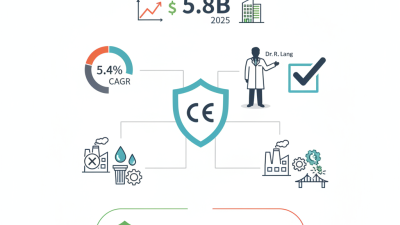
International certifications, supply-chain readiness, and export support benchmark
This category-level benchmark reflects the capabilities global buyers commonly evaluate when sourcing industrial belts: quality certification, environmental and occupational safety systems, product compliance, regional supply coverage, technical documentation, customization, and after-sales export support. Values are presented as an anonymized reference index rather than company-specific disclosures.
How to Choose China-Supplied Rod Reinforced Belts for High-Temperature and Abrasion-Resistant Applications
## How to Choose China-Supplied Rod Reinforced Belts for High-Temperature and Abrasion-Resistant Applications
Selecting a China-supplied rod reinforced belt starts with operating conditions rather than price. For mining and quarry service, a Mining Grade Rod Reinforced Ore Transport Belt or Abrasion-Resistant Rod Reinforced Quarry Conveyor should be matched to material size, impact energy, belt speed, and cover hardness. The U.S. Geological Survey reported approximately 1.9 billion metric tons of crushed stone production in the United States in 2023, highlighting the severe duty imposed on aggregate conveyors. Buyers should request abrasion-test results, tensile strength, rod spacing, splice design, and inspection records, while using CEMA conveyor calculations to verify load capacity. Customizable Pitch Rod Reinforced Heavy-Duty Belts can improve tracking and reduce stress around transfer points.
Temperature and contamination require specialized construction. A High-Temperature Rod Reinforced Furnace Belt rated to 800°C should include documented temperature limits, oxidation resistance, and cooling requirements; the rating must distinguish continuous operation from short-term exposure. For wet or saline environments, Corrosion-Resistant Rod Reinforced Saltwater Belts need suitable stainless-steel rods and protected joints. A 316L Stainless Steel Rod Reinforced Food-Grade Belt should be supported by food-contact declarations and cleanability data. Anti-Static Rod Reinforced Belts suit automotive stamping, while Low-Noise Rod Reinforced Conveyors support precision assembly. Quick-Release Rod Reinforced Belts can shorten maintenance intervals, provided the locking system remains secure under dynamic loads.
Conclusion
This guide presents a practical overview of the Industrial Belt manufacturing market, covering major product categories such as conveyor belts, transmission belts, timing belts, and specialized belts for demanding applications. It explains how global buyers can evaluate manufacturers by examining material quality, engineering expertise, product durability, customization capabilities, pricing, production capacity, and quality-control procedures. The article also highlights the importance of matching belt design and performance standards to specific operating conditions, including temperature, load, speed, abrasion, and chemical exposure.
In addition, the guide discusses international certifications, export documentation, supply-chain reliability, technical support, lead times, and after-sales service. By comparing these factors systematically, procurement teams can identify suppliers that offer a balanced combination of consistent quality, flexible production, competitive total cost, and dependable delivery. The final section provides a structured approach for selecting the right Industrial Belt manufacturer according to application requirements, operating environment, project scale, and long-term maintenance expectations.