Leave Your Message
0%

The manufacturing world really depends heavily on being efficient and precise. One key ingredient in making that happen is the Industrial Oven Belt. I recently came across a report from MarketsandMarkets that predicts the industrial oven market could hit around $5.5 billion by 2027, mainly because new tech in production keeps pushing things forward. The type of belt you choose for your oven can actually make a noticeable difference—not just in how smoothly things run, but also in the quality of the final product.

John Smith from Alpha Industrial Solutions summed it up nicely: "The right Industrial Oven Belt can boost both speed and consistency of your products." That really shows how important it is to pick the right belt for whatever you're working on. There are different materials and designs out there—some for baking, others for drying—and getting this right can save a lot of headaches and money. Still, a lot of companies tend to overlook these details, which can lead to inefficiencies and added costs down the line.

As the industry keeps changing, it’s more important than ever to stay adaptable. The tricky part isn’t just picking an Industrial Oven Belt; it’s understanding how that choice impacts your operations over time. Businesses need to take a close look at what they really need and plan accordingly. Doing so can help them avoid common pitfalls and keep everything running smoothly in the long run.
Top 5 Industrial Oven Belt Types and Their Uses?

Overview of Industrial Oven Belt Types

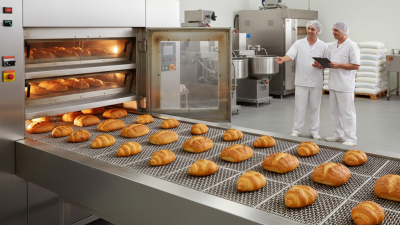
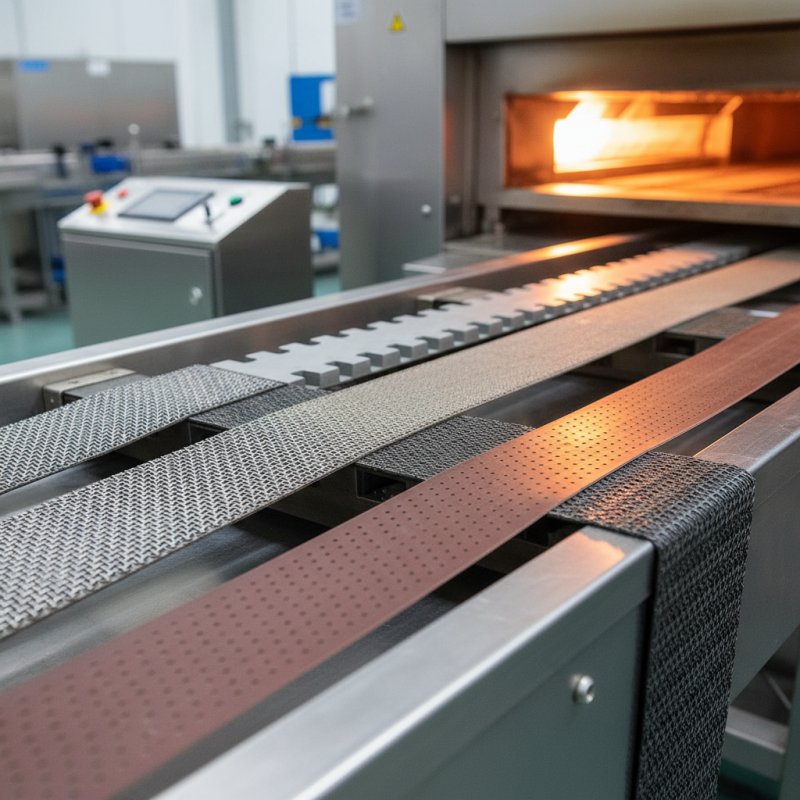
When discussing industrial oven belt types, it’s essential to understand their specific applications. Conveyor Belts play a crucial role in various industries such as food, automotive, and electronics. Each type of belt has unique properties suited for its intended use. For instance,Mesh Belts are common in the food industry, allowing air to circulate while cooking. Solid belts, on the other hand, provide a stable surface for items that require consistent heat.

Steel belts are gaining popularity due to their durability and ability to withstand high temperatures. According to industry reports, these belts can extend service life significantly compared to traditional materials. Rubber and silicone belts are also widely used. They offer flexibility and resistance to chemicals, making them ideal for diverse manufacturing processes.

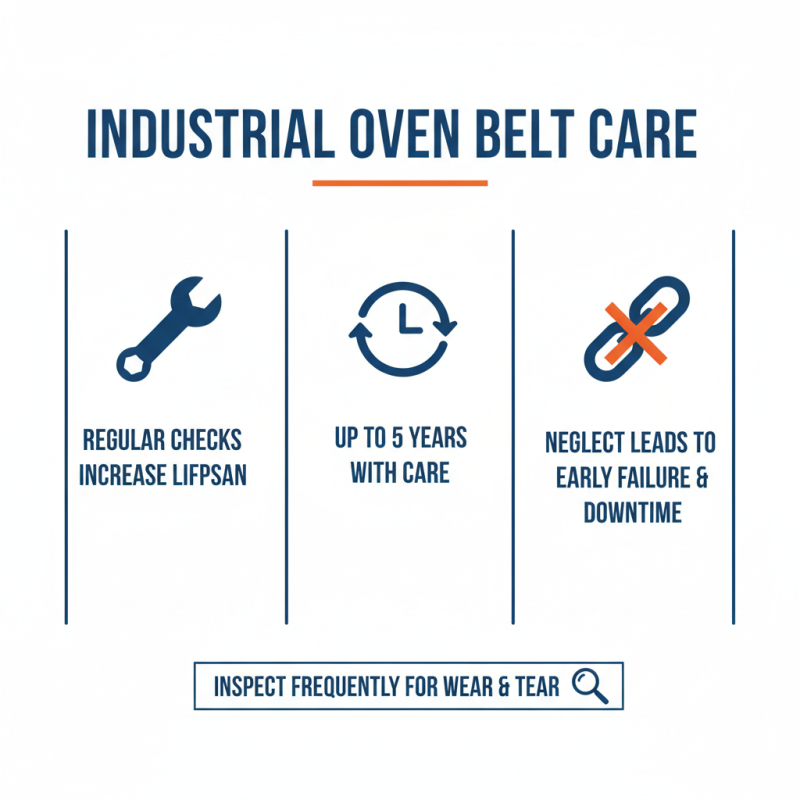
Tips: Regular maintenance of oven belts can prevent costly downtimes. Look for signs of wear and tear often. This proactive approach can extend your belt's lifespan.

Choosing the right belt can be tricky. Consider weight capacity and heat tolerance. Mistakes in selection can lead to inefficiencies. Always ensure the belt aligns with the specific needs of your operation. Understanding these nuances is key to optimizing production.

Material Composition of Industrial Oven Belts

Industrial oven belts are crucial in various heating processes. The materials used in these belts can significantly affect their performance and longevity. Common materials include stainless steel, PTFE (Polytetrafluoroethylene), and silicone. Each material has unique properties that meet specific needs in industrial applications.

Stainless steel belts are often chosen for their durability. They can withstand high temperatures without deforming. Reports indicate that these belts can operate efficiently up to 1,200°F. PTFE belts, on the other hand, are highly resistant to chemicals and easy to clean. Their non-stick surface makes them ideal for food processing applications. Research shows that PTFE belts can last four times longer than traditional materials in demanding environments.

Silicone belts provide flexibility and high heat resistance. They are suitable for applications that require a soft touch, such as in drying processes. However, they may not endure extreme temperatures. Statistics reveal that more than 40% of industries face challenges with belt replacements. This highlights the need for informed material choices. Selection mistakes can lead to increased costs and downtime. Hence, understanding the composition of oven belts is essential for optimal performance.

Common Applications of Different Oven Belt Types

Industrial ovens are vital in various sectors, featuring different belt types tailored for specific applications. Each type serves unique purposes, contributing to efficiency and quality in production processes. For instance, mesh belts are popular in bakeries for their excellent heat distribution. They allow for even cooking, which enhances product consistency. A study published by the Industrial Oven Association noted that proper use of mesh belts can improve energy efficiency by 30%.

Another common type is the Teflon-coated belt. This type is crucial in the packaging industry. It prevents sticking, ensuring smooth operation of products, especially when dealing with adhesives or glues. Reports indicate that using Teflon belts can reduce downtime by 20%, leading to increased output. Yet, the durability of Teflon can be questioned under extreme temperatures.

Some industries prefer silicone belts for their heat resistance and flexibility. These belts are often used in non-stick applications. However, their lifespan can be a concern, especially in high-volume environments. Moreover, while they perform well in specific conditions, weaknesses can arise in high-friction scenarios. Overall, understanding the applications of each Industrial Conveyor Belt Oven type is crucial for optimizing manufacturing processes.

Comparative Analysis of Belt Durability and Performance

When selecting industrial oven belts, durability and performance are critical factors. The right belt can significantly impact production efficiency and product quality. A recent industry report estimated that belts with higher heat resistance can last up to 30% longer than standard options, ultimately reducing downtime.

The comparative analysis shows that materials like Teflon and silicone perform well under high temperatures. These materials exhibit excellent non-stick properties, which can prevent product residue buildup. Additionally, research indicates that metal belts, while sturdy, may wear down faster due to thermal cycling. They could require more frequent replacements, leading to higher operational costs.

Notably, some manufacturers report a 15% increase in maintenance costs due to belt degradation over time. Operators must consider these aspects when choosing a belt type. It’s essential to evaluate how belt performance aligns with temperature settings and production schedules to optimize operations.

Maintenance Tips for Industrial Oven Belts

Top 5 Industrial Oven Belt Types and Their Uses?

When it comes to industrial oven belts, maintenance is often overlooked. Regular checks can increase their lifespan dramatically. Studies show that belts can last up to 3 years with proper care. Yet, many facilities face early failures due to neglect. A minor crack can lead to significant downtime. It's crucial to inspect belts frequently for wear and tear.

Cleaning is another vital aspect of maintenance. Build-up of grease and grime can hinder performance. Experts recommend using non-abrasive cleaners. This practice minimizes damage and ensures efficient operation. Also, lubrication should be done but not excessively. Oil pooling can attract dirt and lead to slip issues. Simple practices like these can enhance the durability of your industrial oven belt.

A reliable Industrial Oven Belt Supplier often provides valuable insights. They may offer support on proper installation and maintenance strategies. Still, companies often find themselves opting for cheaper, lower-quality belts. Balancing cost and quality is essential. Investing in quality belts with proper upkeep can save money in the long run.

Safety Considerations for Using Oven Belts

When using an Industrial Oven Conveyor, safety should always come first. The equipment often operates at high temperatures. Workers can face severe burns if they come into contact with the hot surfaces. Wearing proper protective gear is essential. Heat-resistant gloves and aprons can provide necessary protection.

Regular maintenance is crucial for safety. Ensure that the oven belts are checked frequently. Worn-out belts can lead to accidents, causing slips or jamming. Improper installation can create hazards as well. Always follow guidelines for correct installation. Make sure that the belts are aligned properly to reduce risks.

Training employees on safety protocols is vital. They should know how to respond in case of an emergency. Regular safety drills can prepare workers for unexpected situations. Communication is key in preventing accidents. Clear signage around the industrial oven conveyor can help raise awareness of potential hazards. Safety should not be an afterthought; it requires ongoing attention and commitment.

Future Trends in Industrial Oven Belt Technology

The future of industrial oven belt technology is geared towards efficiency and sustainability. Recent reports indicate that the global industrial oven market is expected to reach $5 billion by 2026. This growth is shaped by innovations in materials and designs. New Industrial Conveyor Belt options offer improved heat resistance and durability, allowing for greater operational flexibility.

Sustainable materials are emerging as a key focus. Manufacturers aim to replace traditional materials with eco-friendly alternatives. For example, belts made from recycled plastics are gaining traction. They provide a promising way to reduce ecological footprints. However, challenges remain in ensuring these materials perform well under intense heat.

Automation in production lines is another trend. Smart industrial conveyor belts can now provide real-time data to enhance monitoring and tracking. This leads to more efficient maintenance schedules. Yet, the integration of technology can create complexities in implementation. Companies must continually assess training and support needs. Balancing innovation with practicality will be crucial for future advancements.

Top 5 Industrial Oven Belt Types and Their Uses

Belt Type Material Maximum Temperature Typical Applications Advantages
Steel Mesh Belt Stainless Steel 850°C (1562°F) Baking, Drying Durable, High heat resistance
PTFE-Coated Belt PTFE 260°C (500°F) Food Processing, Confectionery Non-stick, Easy to clean
Silicone Rubber Belt Silicone 200°C (392°F) Baking, Curing Flexibility, Good wear resistance
Chain Link Belt Carbon Steel 600°C (1112°F) Metal Treatment, Baking High load capacity, Long lifespan
Aramid Fiber Belt Aramid 250°C (482°F) Textile Processing, Drying Lightweight, High tensile strength

FAQS

: What is the purpose of the product?

: The product aims to improve various aspects of daily life. It enhances convenience and functionality.

How can I use the product effectively?

Follow the user instructions carefully. Practice makes perfect. Adjust settings as needed for best results.

Are there any safety precautions?

Yes, ensure proper handling at all times. Avoid contact with moisture or extreme temperatures.

What should I do if I experience issues?

Check the troubleshooting guide first. Often, issues have simple solutions. Don’t hesitate to seek help if needed.

Is it easy to clean and maintain?

Regular cleaning is necessary for optimal performance. Use gentle cleaners, avoiding harsh chemicals.

Can I suggest improvements for the product?

Absolutely! Feedback is essential for growth. Share your thoughts for a chance to influence future updates.

What should I do if the product breaks?

Assess the situation carefully. Some damages may be fixable at home. For severe issues, professional help is recommended.

Is customer support reliable?

Customer support aims to be helpful. However, responses may take time, so plan accordingly.

How long can I expect the product to last?

Lifespan varies based on usage. Regular care often extends longevity. Be mindful of how often you use it.

Is there a warranty available?

Yes, a warranty is often included. Read the terms for clarity. This ensures some protection for your purchase.

Conclusion

This article provides an insightful overview of the various types of industrial oven belts, highlighting their material composition and specific applications across different industries. Industrial oven belts are essential components in many heating processes, and understanding their characteristics can lead to improved efficiency and productivity.

Furthermore, the article delves into a comparative analysis of the durability and performance of these belts, offering valuable maintenance tips to prolong their lifespan. Safety considerations are also addressed, ensuring safe usage in demanding industrial environments. Lastly, the piece explores future trends in industrial oven belt technology, emphasizing ongoing innovations that promise to enhance functionality and reliability.

Aria

Aria

Aria is a dedicated marketing professional at Jiangsu Huada Metal Mesh Belt Co., Ltd., a pioneering manufacturer of metal conveyor belts in China. With a deep expertise in the industry, Aria is committed to showcasing the precision-engineered wire mesh belts and chain-driven systems that the......
Previous Solutions for Durable and Efficient Belt Hinge Designs