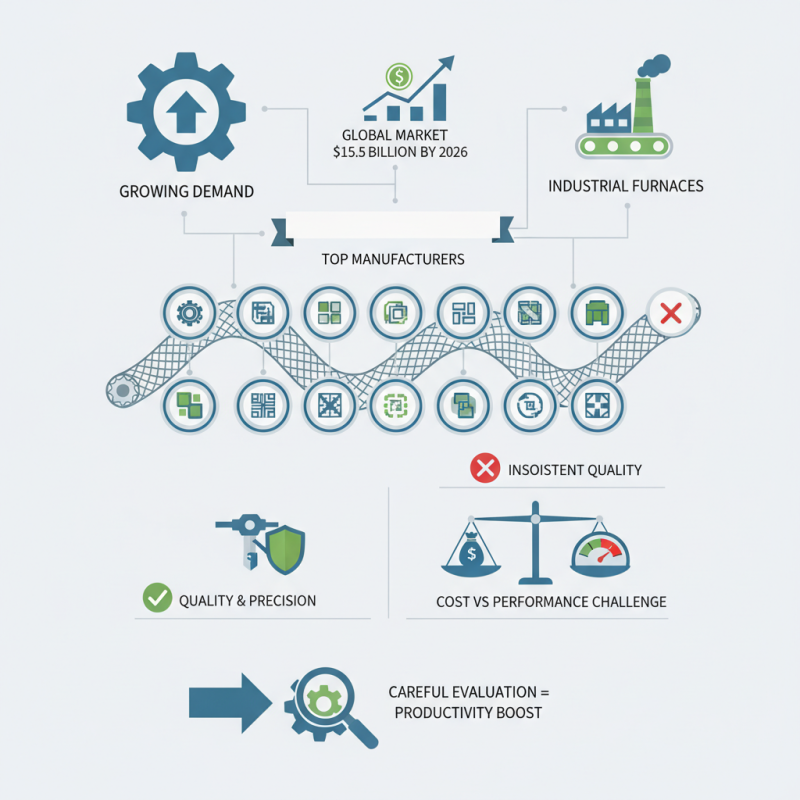
Lately, there's been a noticeable uptick in the demand for Continuous Furnace Mesh Belt solutions within the manufacturing world. I came across a recent report from MarketsandMarkets that predicts the global market for industrial furnaces will hit about $15.5 billion come 2026, and it’s clear that Continuous Furnace Mesh Belts are a big part of that growth. Industry expert Dr. Mark Thompson even pointed out that these systems are really changing the game—bringing in more efficiency and precision, and setting new standards for production.
On the manufacturing side, a few companies are standing out, like Jiangsu Yongyi, Zhejiang Zhengwei, and Shanghai Jianfeng. But, honestly, competition is pretty tough, and not everyone manages to keep the quality consistently high. It’s a bit of a mix—some firms focus on cutting costs, maybe at the expense of reliability and quality.
As companies try to push the envelope with new innovations, it’s easy to overlook how important quality control really is. Finding that sweet spot between a good price and top-notch performance isn’t always straightforward. Choosing the right Continuous Furnace Mesh Belt can really make or break your productivity, so taking the time to evaluate options carefully is super important. In a market that’s changing so fast, understanding these little details can be the difference between success and falling behind.
Overview of Continuous Furnace Mesh Belt Technology in China
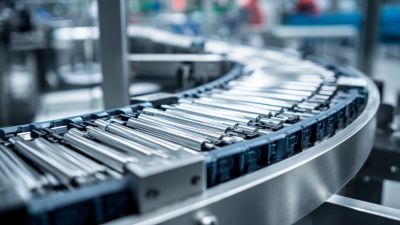
Continuous Furnace Mesh Belt technology plays a vital role in various manufacturing processes in China. This technology facilitates efficient heating and drying processes in industries like ceramics, metal processing, and food production. The design allows materials to move in a continuous flow, optimizing cycle times and minimizing energy consumption.
Recent industry reports indicate that the market for Continuous Furnace Mesh Belts has been growing steadily. In 2022, the estimated market value reached around $500 million, with projections of substantial growth over the next five years. Companies are increasingly adopting this technology due to its versatility and energy efficiency. However, while the advantages are clear, there are challenges in ensuring uniform heating and Material Handling. Manufacturers must continuously innovate to address these issues.
The evolving landscape of Continuous Furnace Mesh Belt technology demands a keen focus on quality and reliability. Ensuring that products maintain consistent performance is crucial. Many manufacturers report difficulties related to maintenance and durability of mesh belts. As industries strive for higher standards, the need for research and development is more essential than ever. Embracing these challenges can lead to improved processes and better products in the long run.
Market Analysis of Continuous Furnace Manufacturers in China
The continuous furnace industry in China is experiencing significant growth. This growth stems from rising demand in manufacturing sectors, including automotive and electronics. Recent market reports indicate that the continuous furnace market size is projected to expand by over 6% annually through 2030. This statistic underscores the increasing reliance on continuous furnace technology for efficient production processes.
With an increasing focus on energy efficiency and reducing emissions, manufacturers are adapting their technologies. Advanced materials and innovative designs are becoming critical for staying competitive. Furthermore, a notable challenge remains: balancing the high upfront costs of modernization with the long-term benefits of energy savings. Some manufacturers are still hesitant to invest in new technologies due to uncertain returns on investment.
The competitive landscape reveals a mix of large and small players, each contributing unique strengths. Market consolidation is observed, leading to enhanced R&D capabilities. However, some manufacturers struggle with maintaining quality amid rapid scaling. This highlights an area for improvement. Continuous monitoring of production methods and adopting best practices can lead to better outcomes in quality and efficiency.
Market Analysis of Continuous Furnace Manufacturers in China
Top Specifications for Continuous Furnace Mesh Belts in the Industry
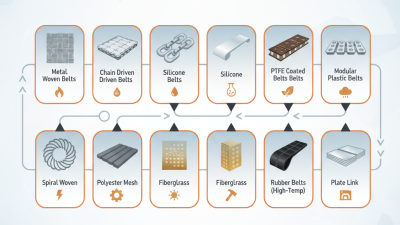
When considering Continuous Furnace Mesh Belts, specific specifications are crucial. The belts must endure high temperatures, typically between 800 to 1200 degrees Celsius. This is essential for industries like metallurgy and ceramics, where heat resilience directly impacts production efficiency. The materials used, often stainless steel or high-temperature alloys, must exhibit excellent tensile strength and corrosion resistance.
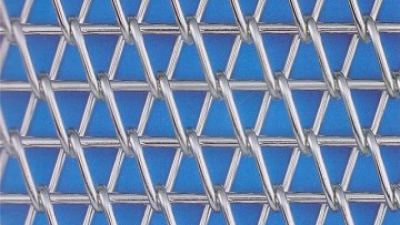
Another specification to note is the belt’s width and length. Standard widths range from 300mm to 1500mm, accommodating various furnace sizes. Many reports indicate that precision in dimensions leads to minimal product wastage. Additionally, the mesh design plays a vital role. A tighter mesh can improve thermal conductivity and reduce transition losses.
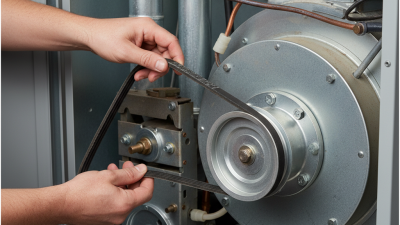
Efficiency is not without challenges. Mesh belts can suffer from wear and tear over time, which may affect their performance. Regular maintenance is necessary, but the frequency can vary based on operational intensity. Industry experts suggest that an unexpected breakdown might lead to production delays, highlighting the importance of reliable suppliers in this sector. Continuous advancements in material sciences aim to enhance these belts, yet achieving longevity while maintaining functionality remains a challenge.
Leading Continuous Furnace Mesh Belt Manufacturers: A Performance Comparison
When assessing continuous furnace Mesh Belt Manufacturers in China, performance is key. Many companies offer various designs tailored to different processes and materials. Factors such as temperature resistance, material composition, and load capacity play crucial roles in their effectiveness. Some manufacturers might excel in high-temperature applications while others are more efficient for lower temperatures.
A deeper analysis reveals that reliability varies among manufacturers. Some brands have a proven track record in stability and durability, making them favored choices for heavy industries. However, a few newer players, while innovative, lack extensive parts distribution and support infrastructure. This could pose challenges, especially in maintenance scenarios where quick repairs are essential.
In the landscape of continuous furnace mesh belts, innovation is constant. Some manufacturers focus on sustainable materials, pushing for eco-friendliness. Yet, the balance between innovation and tried-and-true methods can be tricky. Companies must continuously reflect on their production methods to maintain a competitive edge while ensuring product quality and reliability. The right choice often depends on specific application needs and long-term performance expectations.
Financial Trends and Market Growth of Chinese Manufacturers in 2023
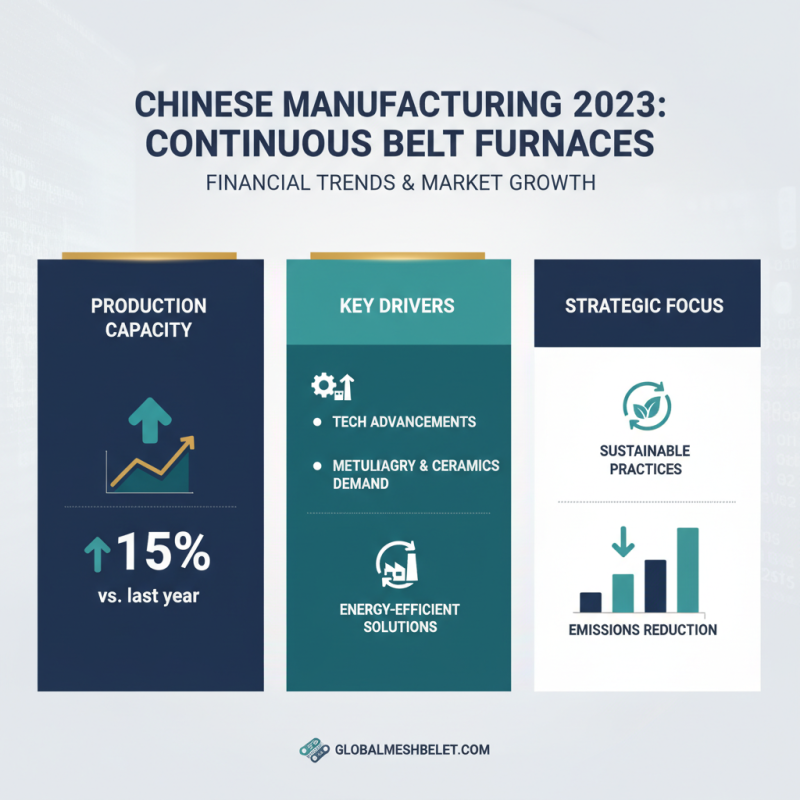
In 2023, the market for Continuous Belt Furnaces in China shows notable growth. Reports indicate a 15% increase in production capacity compared to last year. This rise is supported by advancements in manufacturing technologies and increased demand in sectors like metallurgy and ceramics. The shift towards energy-efficient solutions plays a crucial role in this expansion. Manufacturers are also focusing on sustainable practices, aiming to reduce emissions.
Financially, Chinese manufacturers are witnessing a surge in revenue. Data from industry reports suggest that the overall market value reached approximately $1.2 billion. This growth aligns with the global trend towards automation and precision heating solutions. Companies are investing heavily in R&D to enhance their product offerings. However, the competitive landscape is intensifying, with many firms struggling to differentiate themselves.
Challenges remain in sourcing high-quality materials and maintaining production standards. Some manufacturers reported delays in supply chains. Additionally, the fluctuating prices of raw materials pose a risk to profitability. Despite these hurdles, the future looks promising for the Continuous Belt Furnace sector in China, given the industry's resilience and innovation drive.
Case Studies of Successful Implementations in Continuous Furnace Technology
Continuous furnace technology has seen numerous successful implementations across various industries. Companies are increasingly investing in Continuous Oven Mesh Belt systems to enhance production efficiency and improve quality. One notable case involved a manufacturer who faced inconsistent heating issues. By switching to a Continuous Oven Mesh Belt, they achieved uniform heat distribution, resulting in reduced product defects and better energy usage.
However, not every transition is straightforward. Some companies encountered challenges while integrating new technology. Resistance from staff due to a lack of training was common. Addressing this gap is crucial for successful implementation. It is essential to engage employees early in the process. Encouraging feedback also plays a significant role in refining the installation process.
Tips: Ensure that all team members understand the benefits of Continuous Oven Mesh Belt systems. Frequent training sessions can boost confidence and efficiency. Moreover, setting realistic timelines for implementation can help manage expectations. It’s vital to evaluate outcomes regularly to make necessary adjustments. Continuous improvement is key to maximizing investments in technology.
Challenges and Innovations Facing the Continuous Furnace Industry in China
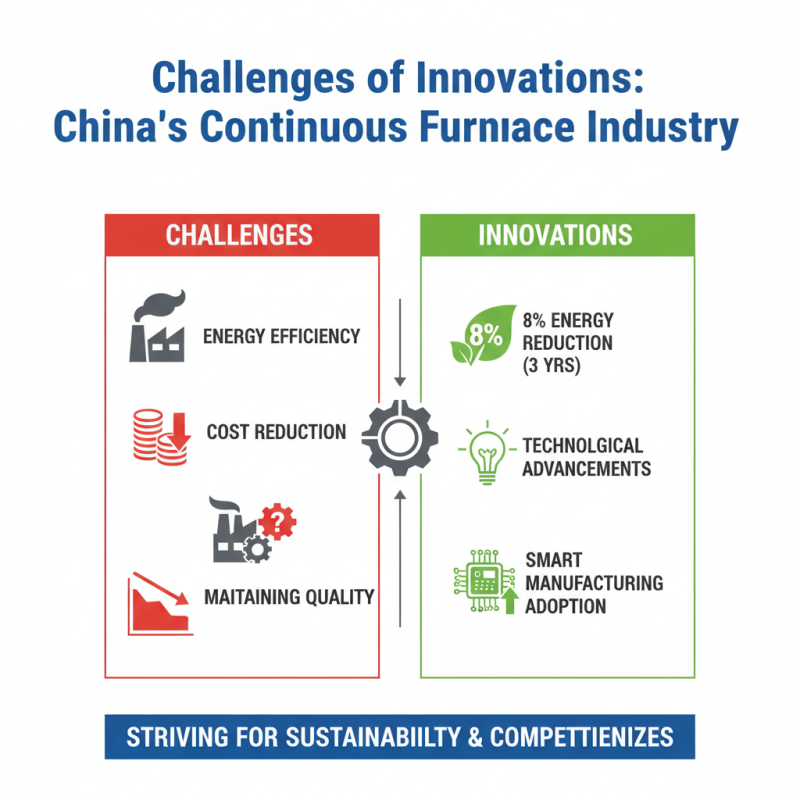
The continuous furnace industry in China faces significant challenges. Energy efficiency is a major concern. Manufacturers are pressured to reduce costs while maintaining production quality. A recent report indicates that energy consumption in the industry has decreased by 8% over the past three years, yet many firms struggle to keep pace with this trend.
Innovation plays a crucial role in overcoming these hurdles. Smart technology integration is becoming more common. Automated monitoring systems can enhance process control and efficiency. Industry data shows that companies adopting such technologies report a productivity increase of up to 15%. However, not all manufacturers are equipped to implement these solutions effectively.
Tips for companies include investing in training programs for staff. Knowledgeable personnel can better adapt to new technologies. Collaboration with technology providers can help firms transition smoothly. Also, regularly reviewing equipment for maintenance can prevent costly downtimes. These steps can position manufacturers favorably amid ongoing challenges.
Enhancing Durability and Performance: The Advantages of Rod Reinforced Belts in Various Industries
In various industries, the need for durability and high performance in transport systems is paramount. Rod reinforced belts represent a significant advancement in conveyor technology, offering enhanced durability that withstands extreme operating conditions. These belts are engineered to meet the rigorous demands of sectors such as mining, automotive manufacturing, and food processing, thereby establishing their importance across multiple applications.
One of the standout features of rod reinforced belts is their ability to operate effectively in high-temperature environments, such as those encountered in furnace applications reaching up to 800°C. Furthermore, these belts exhibit exceptional resistance to abrasion, making them ideal for quarry operations where materials can be particularly harsh on transport systems. Customizable options, including pitch variations and specialized materials, allow industries to tailor these belts to their specific needs, whether for heavy-duty tasks or for precision assembly operations in noise-sensitive environments.
Additionally, the use of corrosion-resistant materials, like 316L stainless steel, ensures that the belts can endure exposure to harsh substances, including saltwater, without compromising their structural integrity. The introduction of features like quick-release mechanisms further enhances maintenance efficiency, reducing downtime and increasing overall productivity. As industries continue to evolve, the integration of rod reinforced belts stands out as a crucial element in enhancing operational capabilities and ensuring reliable performance.
FAQS
: It facilitates efficient heating and drying processes in industries like ceramics and food production.
The market value reached around $500 million in 2022, with significant growth expected in five years.
Ensuring uniform heating and handling materials can be difficult, requiring continuous innovation from manufacturers.
Consistent product performance is crucial. Many manufacturers struggle with maintenance and durability issues.
Factors like temperature resistance and load capacity affect their effectiveness, impacting industry choices.
Addressing staff training gaps is vital for successful implementation and to minimize resistance.
Manufacturers often focus on sustainable materials, but must balance innovation with proven methods.
Engaging employees and encouraging feedback can refine the installation process and boost confidence.
Frequent training sessions and realistic timelines can help manage expectations and improve efficiency.
Regular evaluations and continuous improvement will help companies adjust and enhance their processes.
Conclusion
The article provides a comprehensive overview of Continuous Furnace Mesh Belt technology in China, highlighting its significance in the manufacturing sector. It presents a market analysis that showcases the competitive landscape of continuous furnace manufacturers, along with the top specifications that define quality mesh belts in the industry. A performance comparison of leading manufacturers aids in understanding their strengths and weaknesses.
Additionally, the article delves into the financial trends and market growth projected for Chinese manufacturers in 2023, offering insights into successful case studies of continuous furnace technology implementations. It also addresses the challenges and innovations currently faced within the continuous furnace industry, emphasizing the need for ongoing advancements to meet market demands. Overall, the focus on Continuous Furnace Mesh Belt technology illustrates its vital role in enhancing production efficiency and maintaining high-quality standards in manufacturing processes.