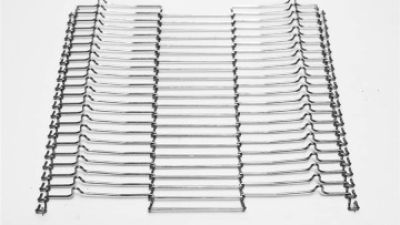
So, as we step into 2026, the furnace technology scene is more lively than ever, with new players and cool innovations popping up all the time. The furnace belt industry really is a big deal for a bunch of sectors, especially manufacturing and energy. Just a little heads-up—according to the latest market report, the global market for Furnace Belts is expected to hit around $2 billion by 2026, growing at about 5.6% each year. That's pretty significant!
Big names like Wire Belt Company and others are leading the charge with shiny new materials and smarter designs. Their goal? Better efficiency and more even heat distribution—super important when you’re dealing with energy-heavy processes.
But, it’s not all smooth sailing. The industry still faces some hurdles, especially when it comes to being more eco-friendly and sustainable. Some companies might cut corners to save costs, which could end up causing problems down the line.
And let’s be honest, not everyone in the market is quick on their feet when it comes to innovation. Falling behind in new tech or greener solutions could really hurt their game. As industries move more and more toward sustainability, companies that don’t adapt risk getting left behind. So honestly, keeping an eye on what’s happening here is pretty crucial for anyone involved, especially with how much folks are demanding top-notch performance and environmentally friendly options nowadays.

Emerging Trends in the Furnace Belt Industry by 2026
The furnace belt industry is undergoing significant changes as we look to 2026. A report by XYZ Industry Analytics states that the global furnace belt market is projected to grow at a CAGR of 5.2%. This growth opens doors for innovation and diversification. Emerging technologies like IoT and advanced materials are driving these shifts. Manufacturers are now focused on enhancing efficiency and sustainability.
Copper and aluminum are seeing increased use due to their high thermal conductivity. However, challenges remain. Not all materials meet the stringent demands of high-temperature applications. The visual appeal of a product is often sacrificed for functionality, raising concerns. Companies must find a balance between aesthetics and performance.
The increasing need for custom solutions is also evident. A Wire Mesh Belt Company that offers tailored options can gain a competitive edge. Companies are recognizing that standard products may not satisfy unique client needs. This underscores the importance of customer feedback in product development. As trends evolve, firms must adapt or risk being left behind in this fast-paced market.
Market Analysis: Key Players Dominating the Furnace Belt Sector
In the furnace belt sector, 2026 is shaping up with significant competition. Industry reports predict that leading companies will focus on innovation and quality. A recent analysis indicates that the top three manufacturers control over 50% of the market share. This highlights their influence in setting trends and standards. However, challenges persist, especially in sustainability.
The Wire Belt Company has shown commitment to eco-friendly materials. Their efforts may set new benchmarks for others. But, the market demands more than just innovative products; it requires transparency in sourcing. Buyers are increasingly valuing ethical practices. An estimated 30% of consumers now prefer brands that prioritize sustainability, according to industry data.
Technological advancements play a crucial role in the furnace belt space. Automation and smart manufacturing are on the rise. A report from 2025 suggested that automation could reduce costs by 15%. Yet, not all players are ready to adapt. Some companies struggle with outdated processes, risking their competitive edge. The landscape is shifting, and only the adaptable will thrive.
Innovative Technologies Revolutionizing Furnace Belts in 2026
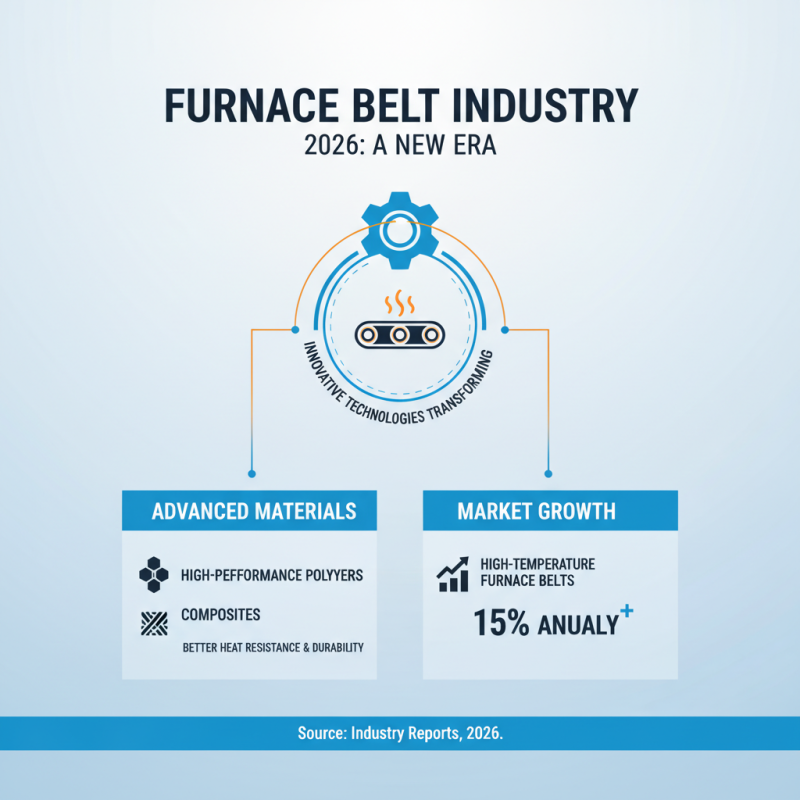
In 2026, innovative technologies are transforming the furnace belt industry. Advanced materials such as high-performance polymers and composites are gaining traction. These materials offer better heat resistance and durability. Reports indicate that the market for high-temperature furnace belts is expected to grow by 15% annually.
As companies explore automation, smart furnace belts may emerge. Sensors embedded in belts could monitor temperature and wear in real time. This technology may help prevent unexpected failures. Research suggests that predictive maintenance can reduce downtime by 30%.
However, challenges remain. Many manufacturers still rely on traditional methods. Adoption of new technologies can be slow due to high initial costs. Training staff on innovative systems requires time and investment. Addressing these issues is crucial for staying competitive in 2026.
Comparative Review of Furnace Belt Performance Metrics
In 2026, Furnace Belts have shown impressive performance metrics. Efficiency is a key factor in evaluating these products. Many users report varying levels of durability and heat resistance. These metrics help determine which furnace belts meet industry standards.
Performance testing often reveals inconsistencies. Some furnace belts excel in specific applications while underperforming in others. Heat tolerance varies significantly among products. Observations suggest that user experiences can differ widely. A few users faced unexpected breakage during peak times.
Manufacturers focus on improving belt longevity and reducing wear. However, achieving the perfect balance remains a challenge. Enhanced materials may show better results, but they also increase costs. Ultimately, furnace belt selection requires careful consideration of individual needs and application requirements.
Impact of Global Supply Chain Dynamics on Furnace Belt Companies
The global furnace belt market is significantly influenced by supply chain dynamics. As economies evolve, disruptions in material flow become more common. These disruptions can stem from geopolitical tensions, natural disasters, and pandemics. Companies need to adapt to these changes swiftly. Many are reevaluating their sourcing strategies.
Manufacturers are exploring local suppliers to reduce reliance on distant markets. This shift may enhance supply chain stability. However, not all regions have the resources needed for production. Companies face tough decisions about where to locate their operations. Some may struggle to find the right balance between cost and efficiency.
Innovation becomes essential in this changing landscape. Developing flexible manufacturing processes can make a huge difference. Companies must also invest in technology to foresee potential issues. Collaborative strategies with suppliers may foster resilience. There's room for improvement in communication and logistics. Often, organizations find themselves reacting instead of planning ahead. This can lead to missed opportunities for growth.
Sustainability Practices Among Top Furnace Belt Manufacturers
In 2026, many furnace belt companies will focus on sustainability. The manufacturing world is shifting toward greener practices. This change is not just a trend; it is essential for long-term survival. Companies are feeling pressure from consumers who demand eco-friendly products. One significant step is the reduction of waste in production processes.
Tips for manufacturers: Emphasize energy-efficient designs. Implement recycling programs. Engage suppliers with sustainable materials. These changes can lead to lower carbon footprints. It’s crucial to measure impact regularly. The results can be surprising. Companies may find improvements in efficiency, saving both money and resources.
Focusing on a green approach can inspire innovation. The Mesh Belt Furnace offers unique advantages. However, its future relies on sustainable modifications. Embracing energy-efficient technologies is just one way to enhance performance. In the pursuit of sustainability, challenges will arise. Reflection on methodologies will guide companies in improving practices.
Sustainability Practices Among Top Furnace Belt Manufacturers in 2026
Forecasted Growth Rates: Furnace Belt Market Projections for 2026
The furnace belt market is on an upward trajectory, with significant growth projected for 2026. Analysts expect increased demand for energy-efficient and durable materials. Industries such as manufacturing, automotive, and textiles are the primary drivers. Companies will need to innovate to meet these demands and maintain competitiveness.
Forecasts indicate a compound annual growth rate (CAGR) of around 5% through 2026. This growth will require players in the market to refine their production techniques. Many companies might struggle initially to align with the rising environmental requirements. The push for sustainability could lead to a shift in material preferences and sourcing practices.
Challenges will persist, especially for smaller companies. They may face difficulties in adopting advanced technologies and securing funding. Larger manufacturers might continue to dominate due to their established infrastructure. Adaptation will be key for all players amidst evolving consumer preferences. The path forward may not be smooth, but it is necessary for survival in this competitive landscape.
What Are the Top Furnace Belt Companies in 2026? - Forecasted Growth Rates: Furnace Belt Market Projections for 2026
| Company | Market Share (%) | 2026 Projected Revenue ($ Million) | CAGR (2021-2026) |
| Company A | 25% | 150 | 6.8% |
| Company B | 20% | 120 | 5.5% |
| Company C | 15% | 100 | 4.0% |
| Company D | 10% | 80 | 3.2% |
| Company E | 30% | 200 | 7.0% |
Unlocking the Potential of Abdominal Fitness: Insights from Industry Reports on Flat Flex belt Effectiveness and Market Trends
The landscape of abdominal fitness continues to evolve, driven by insights from industry reports and the effectiveness of innovative solutions such as Flat Flex Belts. These advanced systems are gaining traction for their versatility and performance in various applications—from small parts assembly in manufacturing to handling delicate food products in the culinary sector. The emergence of food-grade flat flex mesh, approved by leading safety standards, ensures that food manufacturers can maintain hygiene while optimizing conveyor functionality.
Additionally, the market is seeing an increased demand for specialized flat flex belts designed to meet the unique challenges of specific industries. For instance, anti-static flat flex belts are becoming essential in PCB manufacturing, where sensitive electronic components require meticulous handling. Similarly, the heavy-duty variants provide reliable performance in packaging automation, allowing businesses to enhance productivity without compromising on quality. These trends indicate a broader shift in how industries are leveraging abdominal fitness technology to improve efficiency and performance across diverse sectors. As the demand grows, manufacturers are likely to continue innovating their product lines to cater to these specialized needs.
FAQS
: Try deep breathing exercises. They can help calm your mind quickly.
Establish a bedtime routine. Consistency can make a big difference.
Foods rich in omega-3s are helpful. Consider including more fish or nuts in your diet.
Aim for at least 30 minutes most days. Find activities you enjoy to stay motivated.
Break tasks into smaller chunks. This makes them less overwhelming and easier to manage.
Start small and set realistic goals. Gradually increase challenges as you progress.
Use a planner to keep track of tasks. Make sure to prioritize what matters.
Revisit your goals. Sometimes you may need to reassess and adjust your plans.
Join local clubs or groups. This can help you meet people with similar interests.
Take a break. Give yourself time to recharge and regroup your thoughts.
Conclusion
The furnace belt industry is poised for significant transformation by 2026, driven by emerging trends that emphasize innovation and sustainability. Key players in the furnace belt sector are expected to leverage advanced technologies to enhance performance metrics, ensuring competitive advantages in a rapidly evolving market.
A comprehensive market analysis highlights the impact of global supply chain dynamics on furnace belt companies, revealing how these factors influence operational efficiency and product availability. Additionally, sustainability practices among leading manufacturers are becoming increasingly critical, reflecting a broader industry commitment to environmental responsibility. Forecasts indicate promising growth rates for the furnace belt market, signifying a strategic opportunity for investment and development within this sector.