When you're into manufacturing, choosing the right supplier for Industrial Wire Mesh belts honestly makes all the difference. A good, sturdy belt helps keep your whole production running smoothly and lasts longer. China’s definitely become a go-to spot for reliable suppliers, but let’s be real — navigating that market can sometimes feel like a bit of a headache.
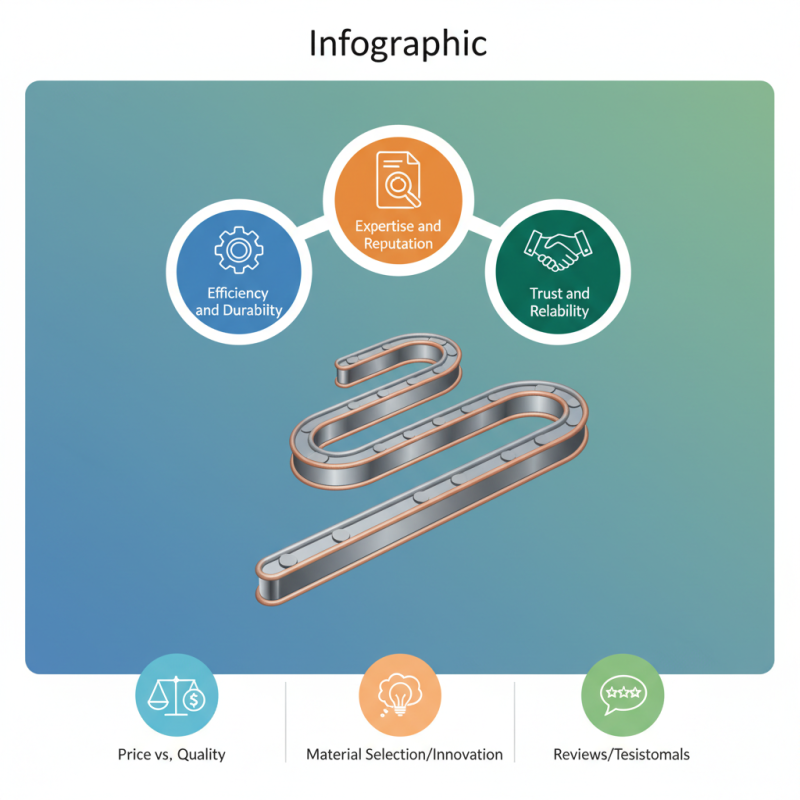
A lot of folks might think that all Industrial Wire Mesh Belt providers are pretty much the same in terms of quality — but that’s not quite right. The truth is, the manufacturing standards and materials can really vary, and that can impact how well the belts perform. When picking a supplier, don’t just focus on the price; think about their experience, reputation, and what kind of track record they’ve got.
Trust is super important here. A supplier who’s been around and has a solid reputation can often give you better advice on which materials are best for your specific needs. It’s a good idea to check out reviews or testimonials — that way, you can make a smarter, more confident choice. In the end, it’s all about finding that supplier who can meet your industrial needs efficiently and without unnecessary surprises.
Overview of the Industrial Wire Mesh Belt Market in China
The industrial wire mesh belt market in China has seen significant growth in recent years. According to a 2022 market report, the sector is projected to reach a value of approximately $1.2 billion by 2025. This growth reflects a rising demand across various industries, including food processing, automotive, and textile production. The application of wire Mesh Belts in conveying systems enhances efficiency and productivity.
Challenges exist in this expanding market. Despite advancements, quality control remains an issue. A significant portion of manufacturers struggle with inconsistent production standards. Another concern is the increasing competition. Many suppliers enter the market, complicating the landscape for established players. The ongoing innovations in design and materials, such as the use of stainless steel, offer opportunities for differentiation.
Still, numerous companies fail to adapt to industry trends. A quarter of the suppliers lack the necessary certifications, which raises reliability questions. Navigating these complexities requires a nuanced understanding of both technology and market demands. Adapting to evolving standards may prove essential for survival.
Key Players in China's Industrial Wire Mesh Belt Industry
When exploring China’s industrial wire mesh belt industry, it’s crucial to identify key players. This sector is vital for manufacturing and logistics. Companies in this realm are not just suppliers but innovators. They offer diverse solutions to meet various needs. High-quality materials and engineering expertise drive their products.
Tips: Assess the materials used in production. Look for durable, corrosion-resistant options.
Companies in this industry focus on custom solutions. They cater to different sectors like food processing and automotive manufacturing. Their flexibility sets them apart. Understanding your requirements helps in choosing the right Industrial Conveyor Mesh Belt.
Tips: Consider the belt dimensions and load capacity. These factors affect efficiency and safety.
Quality assurance is another critical aspect. Reputable suppliers often provide certifications. This means their products meet industry standards. Don't overlook this when making a selection.
Tips: Always review customer feedback. This provides insights into reliability and performance.
Analysis of Supplier Capabilities and Product Offerings
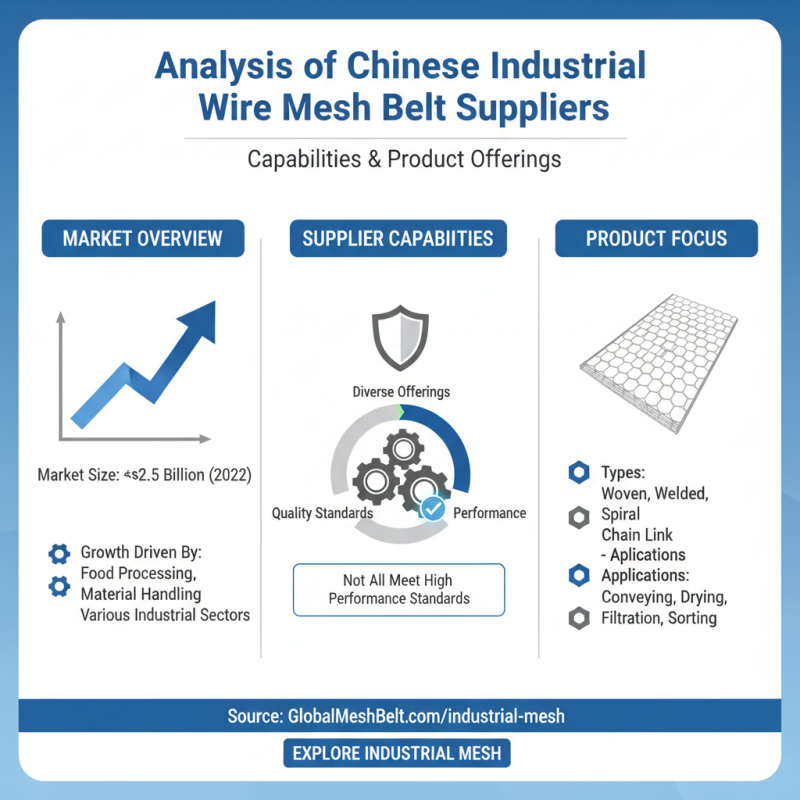
When exploring the landscape of industrial wire mesh belt suppliers in China, understanding supplier capabilities is essential. The market's growth is notable, reaching approximately $2.5 billion in 2022. Industrial Mesh applications span various sectors, from food processing to material handling. Suppliers often showcase diverse product offerings, yet not all can meet high-performance standards.
Key factors define the reliability of these suppliers. Production capacity is paramount. Reports indicate that top suppliers maintain advanced technologies to ensure consistency and efficiency. Moreover, raw material sourcing impacts durability and cost-effectiveness. It's vital to verify the quality of materials used, as this directly affects the lifespan of industrial mesh products.
Supplier certifications also speak volumes. ISO 9001 certification indicates adherence to internationally accepted quality standards. However, potential buyers should not solely depend on certifications; they must engage in thorough assessments. Feedback from existing clients is crucial. Understanding real-world performance can provide insights that reports may overlook. In a competitive market, aligning with a transparent and responsive supplier can greatly enhance operational efficiency.
Quality Standards and Certifications in Wire Mesh Belt Production
When selecting industrial wire mesh belts, quality standards and certifications are crucial. They ensure durability and operational performance. Manufacturers should adhere to international guidelines. These guidelines often include ISO and ASTM standards. Complying with these metrics indicates a commitment to quality.
Expertise in materials is equally important. High-quality stainless steel is widely used for its corrosion resistance. The right choice of mesh size affects airflow and product stability. Attention to detail in manufacturing can prevent defects. A robust quality control process helps identify potential issues early.
Moreover, certifications boost credibility. They reassure customers about product safety and reliability. However, not all certifications hold equal weight. Some may be more relevant to specific industries. Thus, researching and verifying these claims is essential. Quality is an ongoing journey, where every step counts.
Market Trends: Demand and Supply Dynamics for Wire Mesh Belts
The global market for wire mesh belts is evolving. Demand continues to rise across various industries, such as food processing and manufacturing. Recent reports indicate a projected annual growth rate of 5.8% for the wire mesh belt market through 2027. This growth is driven by advancements in technology and increasing production capacities. Industrial Metal Mesh has become essential in ensuring efficiency and durability in operations.
Supply chains face challenges. Fluctuations in raw material costs affect prices and availability. Companies must adapt to these dynamics. Strategic partnerships with suppliers can provide a competitive advantage. Reports highlight that firms utilizing innovative manufacturing techniques achieve better reliability and lower production costs. However, not all suppliers can meet these demands, leading to potential gaps in the market.
Tips: Always assess supplier reliability. Check for certifications and industry standards compliance. This can save you time and resources in the long run. Additionally, investing in quality assurance processes can enhance the longevity of wire mesh belts. Be cautious; lower prices may not guarantee quality. Diversifying suppliers may also help mitigate risks associated with supply shortages.
Market Trends: Demand and Supply Dynamics for Wire Mesh Belts
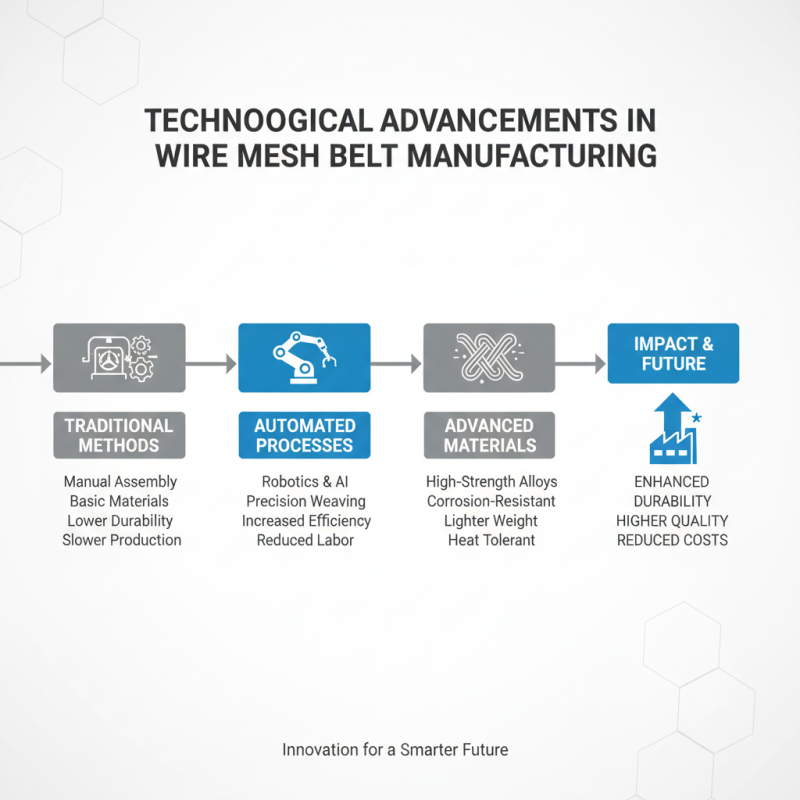
Technological Advancements in Wire Mesh Belt Manufacturing Processes
The evolution of wire mesh belt manufacturing highlights significant technological advancements. These improvements enhance durability and efficiency. Manufacturers are adopting automated processes and advanced materials. This shift reduces production costs and increases quality.
Tips: Consider suppliers who invest in their technology. Seek those with modern machinery. It often leads to better products at competitive prices.
Moreover, recycling and sustainable practices are gaining traction. Eco-friendly materials are being used in production. This trend contributes to industry responsibility. However, the integration of new materials may pose challenges. Not all processes are compatible with these innovations.
Tips: Research the materials used in wire mesh belts. Ensure they meet your project needs efficiently. Understanding these materials helps in making informed decisions. This knowledge can prevent costly mistakes in the long run.
Impact of Global Trade Policies on China's Wire Mesh Belt Exports
The global trade landscape is constantly shifting, affecting China’s wire mesh belt exports. A key factor is the evolving trade policies between countries. Tariffs imposed on imports can raise costs and limit market access. As these policies change, manufacturers must adapt swiftly to maintain competitiveness. Efforts to meet regulatory standards also increase operational complexities.
Tips: Stay informed about the latest trade regulations. Understanding these can shape procurement strategies. Communicating effectively with suppliers is essential. This ensures compliance and maintains quality.
China's wire mesh belt industry has shown resilience in navigating trade challenges. However, reliance on particular markets can be risky. Diversification into untapped regions may provide new opportunities. Yet, it requires careful market research and strategic planning. Investing in quality manufacturing of products like the Industrial Oven Belt can enhance reputation amidst uncertainties.
A focus on innovation is vital. Leveraging advanced technologies can streamline production processes, reducing operational costs. Companies should prioritize sustainability as well. Environmental regulations are tightening globally, and compliance is crucial for long-term success. Transitioning to eco-friendly practices could yield benefits over time.
China Top Industrial Wire Mesh Belt Suppliers for Your Needs
| Supplier Location | Annual Production (Units) | Export Volume (USD) | Key Industries Served | Compliance Certifications |
| Zhejiang | 500,000 | 20,000,000 | Food Processing, Manufacturing | ISO 9001, CE |
| Guangdong | 300,000 | 15,000,000 | Textiles, Electronics | ISO 14001, RoHS |
| Shanghai | 700,000 | 35,000,000 | Automotive, Aerospace | TS16949, AS9100 |
| Jiangsu | 450,000 | 18,000,000 | Construction, Packaging | ISO 9001, OHSAS 18001 |
Choosing the Right Chain Drive Belt: Essential Factors for Optimal Performance and Longevity
When selecting the right chain drive belt for industrial applications, several essential factors must be considered to ensure optimal performance and longevity. One of the key aspects is the construction material. For heavy-duty environments, belts made from alloy steel provide the necessary strength and durability to handle high-torque situations, especially when dealing with heavy material handling. Such belts are engineered to withstand rigorous operational demands while minimizing wear and tear.
Moreover, precision-engineered chain drive conveyor systems play a crucial role in enhancing efficiency. The integration of corrosion-resistant materials, like 316L stainless steel, ensures that the belt can endure harsh conditions, including exposure to moisture and chemicals. Additionally, low-maintenance options with self-lubricating links can significantly reduce downtime, allowing for seamless operations in processes like automotive assembly lines. Depending on specific needs, custom-pitch conveyor belts can also be tailored for bulk material transport, ensuring the right fit for diverse applications.
Temperature resistance is another critical consideration. Extreme temperature chain drive belts are designed to perform efficiently in environments that range from -40°C to 900°C, making them suitable for various sectors, including food-processing industries where FDA and EHEDG certifications are required. Anti-wear capabilities, such as hardened rollers, further enhance the lifespan of the belts, promoting reliability and efficiency in operations. By carefully evaluating these factors, industries can select the most appropriate chain drive belts that align with their operational demands and enhance productivity.
FAQS
: The market is projected to reach around $1.2 billion by 2025.
Key industries include food processing, automotive, and textile production.
Quality control remains a major issue for many manufacturers.
Many face inconsistent production standards, affecting their reliability.
It complicates the landscape for established players and may lower prices.
Ongoing innovations include the use of advanced materials like stainless steel.
The quality of materials affects the durability and cost-effectiveness of products.
ISO 9001 certification indicates adherence to recognized quality standards.
It provides insights into real-world performance and reliability.
They may face challenges in staying competitive and securing their market position.
Conclusion
The article titled "China Top Industrial Wire Mesh Belt Suppliers for Your Needs?" provides a comprehensive overview of the industrial wire mesh belt market in China, highlighting key players and their capabilities. It emphasizes the importance of quality standards and certifications in the production of industrial wire mesh belts, ensuring that suppliers meet industry demands.
Additionally, the article analyzes market trends, focusing on the dynamics of supply and demand and how they influence pricing and availability. Technological advancements in manufacturing processes are also discussed, showcasing how innovation enhances product efficiency and performance. Lastly, it addresses the impact of global trade policies on China's exports of industrial wire mesh belts, providing insights into how international relations can affect market stability and supplier competitiveness.