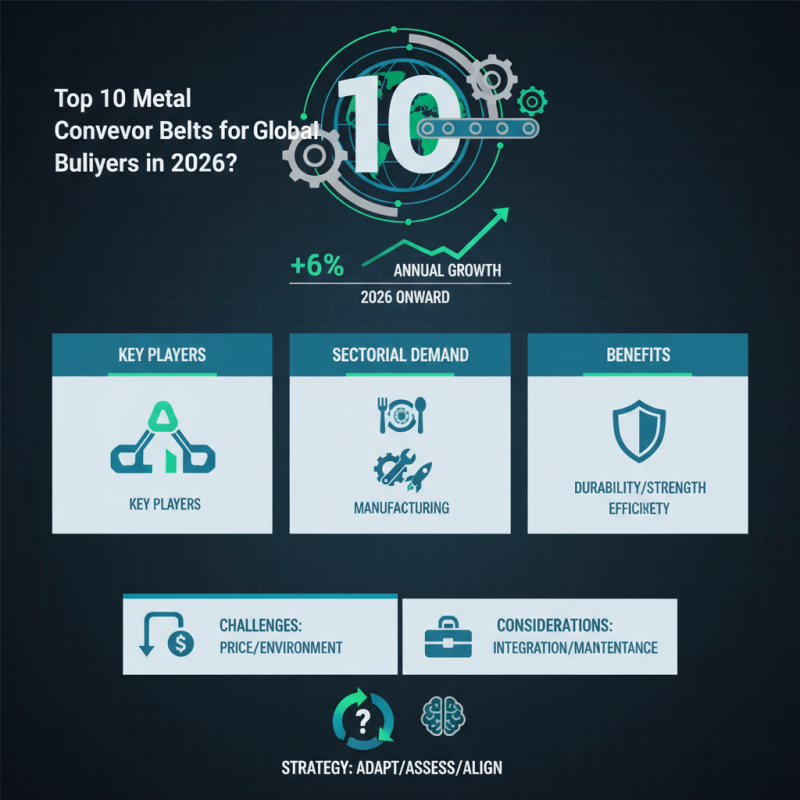
So, it looks like the demand for Metal Conveyor Belt tech is really gonna pick up in the next few years. Industry insiders are predicting a solid 6% growth every year starting from 2026. That’s pretty much tied to how much more automation businesses are needing—whether it’s in food processing, manufacturing, or even aerospace. You know, industries are just pushing for smarter, faster, more reliable solutions.
Big names like Rexnord, Intralox, and Wire Belt are really leading the charge here. They’re coming out with some seriously cool, advanced options that boost efficiency and keep things safer on the line. Metal Conveyor Belts, in particular, are pretty tough and durable—perfect for those tough environments where stuff gets beat up and needs to last. But, it’s not all smooth sailing—there are some hurdles like price swings and worries about the environmental impact of metal production.
Plus, buyers should be careful about how these belts integrate into their current setups and what maintenance costs might look like. Doing some homework to compare different suppliers’ cost vs. benefits is definitely a smart move if you want to make sure your investment pays off. The growth potential is definitely there, but businesses need to stay flexible and keep checking if their current solutions still fit their needs. Picking the right provider and staying adaptable is key to thriving down the line, especially with all the competition out there.
Overview of Metal Conveyor Belts in Global Industries
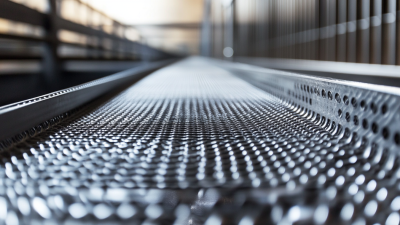
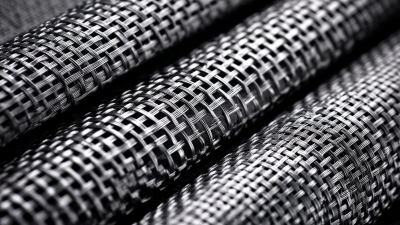
Metal conveyor belts play a crucial role in various global industries. These belts are designed for durability and efficiency. They can withstand high temperatures and heavy loads, making them ideal for manufacturing and processing environments. In many factories, Metal Conveyor Belt Mesh ensures products move seamlessly through different stages of production.
Many industries rely on metal conveyor belts for their consistency. They help reduce downtime and increase productivity. However, not all metal conveyor belts perform equally. Some may suffer from wear and tear more quickly than expected. This leads to unexpected replacements and increased operational costs.
Consider specific applications when selecting a metal conveyor Belt Mesh. Each industry has unique requirements, from food processing to automotive manufacturing. A one-size-fits-all approach rarely works. It's important to evaluate the material, design, and maintenance needs. Mistakes can be costly and disruptive to operations, so thorough research is essential. Understanding the intricacies can greatly affect efficiency and reliability.
Key Features and Benefits of Metal Conveyor Belts
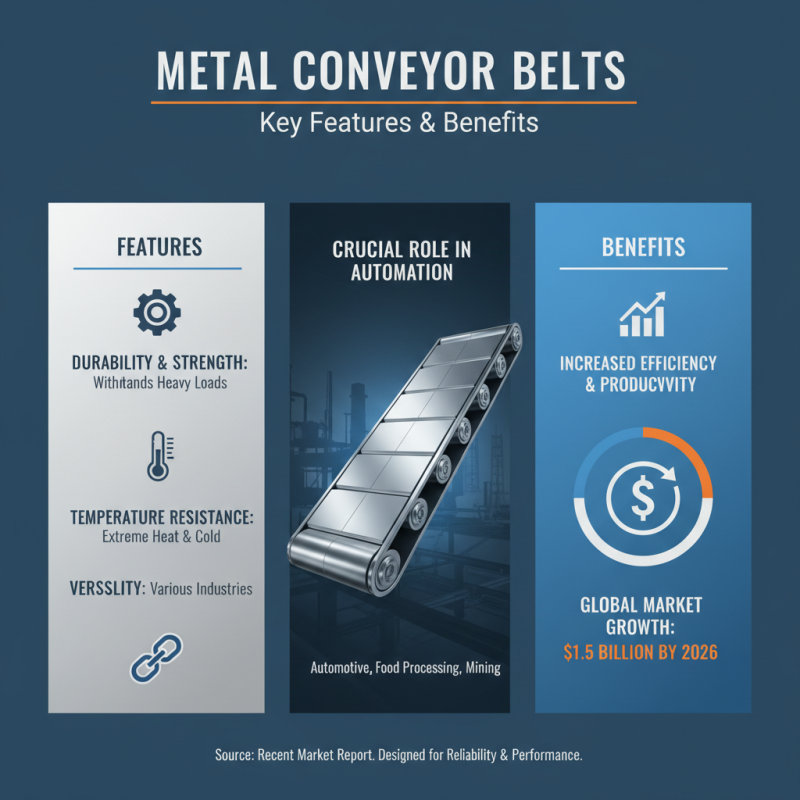
Metal conveyor belts play a crucial role in numerous industries, including automotive, food processing, and mining. These belts are designed for durability and efficiency. They withstand heavy loads and varying temperatures, making them highly versatile. According to a recent market report, the global metal conveyor belt market is projected to reach $1.5 billion by 2026. This growth reflects increased demand for automation and high-performance materials.
The benefits of metal conveyor belts are manifold. They offer enhanced strength and longevity compared to their plastic counterparts. Metal belts can handle abrasive materials, reducing wear and tear. High operating temperatures do not compromise their integrity, which is essential for demanding environments. Additionally, they provide easy maintenance, a significant factor for operational efficiency. However, despite their robustness, careful handling is necessary to prevent damage during installation or transport.
Some industries, such as food processing, require specific belt features. For example, stainless steel belts are favored for their hygiene standards. These belts resist corrosion and are easy to clean. Yet, transitioning to metal belts can involve a learning curve. Operators must adapt to the differences in handling and installation. Therefore, ongoing training and proper guidance remain essential for maximizing performance.
Top Manufacturers in the Metal Conveyor Belt Market
In the metal conveyor belt market, several manufacturers have established themselves as leaders. These companies focus on innovation, quality, and customer satisfaction. They specialize in products like the Metal Mesh Conveyor Belt, which offers durability and versatility across various industries, including food processing and manufacturing.
Many manufacturers prioritize the use of high-grade materials. This ensures longevity and reduces the risk of wear and tear. However, not all belts are created equal. Inconsistencies in production can lead to performance issues. Buyers must consider this when selecting a supplier. An informed choice can significantly affect operational efficiency.
Additionally, environmental considerations are gaining traction. Companies are now expected to adopt sustainable practices in their manufacturing processes. This trend reflects a growing awareness of ecological impacts. Still, challenges remain for many manufacturers in attaining these goals. Balancing quality and environmental responsibility is an ongoing endeavor.
Top 10 Metal Conveyor Belts for Global Buyers in 2026
| Rank | Material Type | Belt Width (mm) | Load Capacity (kg/m²) | Temperature Range (°C) | Applications |
| 1 | Stainless Steel | 600 | 200 | -50 to 200 | Food Processing |
| 2 | Mild Steel | 800 | 150 | -20 to 80 | Manufacturing |
| 3 | Aluminum | 400 | 100 | -40 to 100 | Automotive |
| 4 | Galvanized Steel | 500 | 175 | -10 to 90 | Mining |
| 5 | Copper | 700 | 120 | -30 to 85 | Electronics |
| 6 | Brass | 300 | 90 | -20 to 75 | Textiles |
| 7 | Nickel-Plated Steel | 600 | 140 | -10 to 95 | Aerospace |
| 8 | Inconel | 500 | 175 | -100 to 1200 | Chemical Processing |
| 9 | Hastelloy | 400 | 200 | -50 to 1000 | Pharmaceutical |
| 10 | Titanium | 700 | 130 | -40 to 540 | Marine Engineering |
Analysis of Market Trends and Future Projections for 2026
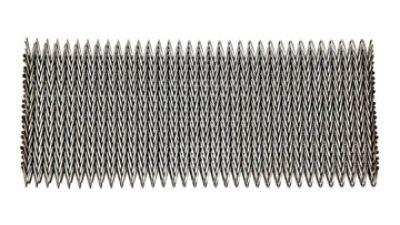
The metal conveyor belt industry is evolving rapidly. In 2026, several trends will significantly impact global buyers. The demand for durable and efficient materials continues to rise. Companies seek Metal Chain Conveyor Belts that enhance productivity. Innovations in manufacturing processes will influence design and application.
Sustainability remains a crucial consideration. Buyers are increasingly focused on eco-friendly options. Material sourcing and waste management are essential. Manufacturers must address these concerns to remain competitive. Additionally, the cost of production may fluctuate. This could challenge pricing strategies for businesses. Buyers should prepare for possible price changes as the market adapts.
Technological advancements also shape the future, particularly automation. Smart conveyor systems are on the rise. Integration of sensors can lead to better efficiency. However, not all businesses are ready for such shifts. Some may struggle to implement new technologies. Understanding these dynamics is vital for global buyers in 2026.
Comparison of Different Types of Metal Conveyor Belts
When selecting metal conveyor belts, understanding their unique types helps buyers make informed decisions. Various parameters, such as material composition and application, significantly influence performance. For instance, the Metal Annealing Conveyor Belt is designed to withstand extreme temperatures, serving industries like manufacturing and food processing. These belts often feature stainless steel, ensuring durability and corrosion resistance.
A comparison of different types reveals distinct advantages. Wire mesh belts are ideal for air circulation and drainage, while plate and chain belts provide solid support for heavier loads. Reports indicate that the global metal conveyor belt market is projected to grow at a CAGR of 4.5% from 2023 to 2026. This underscores the increasing demand for reliable and efficient conveyor systems. However, selecting the right type requires considering factors such as load capacity and environmental conditions.
Despite advances, challenges remain. Some metal conveyor belts may experience wear and tear faster than expected. A detailed analysis of customer feedback often highlights issues like noise and maintenance requirements. Understanding these factors is crucial for optimizing performance and reducing downtime. Selecting a metal conveyor belt well-suited for specific operations can drive productivity and mitigate unforeseen complications.
Applications of Metal Conveyor Belts Across Various Sectors
Metal conveyor belts play a crucial role in various industries. Their durability and efficiency make them ideal for transporting heavy materials. In manufacturing, these belts carry products through assembly lines. The robust construction enables them to handle sharp edges without wear. They can withstand high temperatures too, providing reliability in hot environments.
In the food processing sector, metal conveyor belts are vital. They ensure hygienic transport of goods from one station to another. Easy cleaning and rust resistance are key benefits. These belts can move raw ingredients or finished products effortlessly. The lateral stability prevents spills and minimizes waste.
Another area where metal conveyor belts excel is in the automotive industry. They transport heavy car parts without bending or breaking. This reliability ensures timely assembly and reduces downtime. However, choosing the right belt is not always straightforward. Factors include weight capacity and environmental conditions. Each application has unique challenges. It’s essential to analyze your specific needs before making a decision.
Tips for Selecting the Right Metal Conveyor Belt for Your Needs
When selecting the right metal conveyor belt, consider factors like material, thickness, and design. These aspects significantly affect durability and performance in various industries. Stainless steel belts, for instance, resist corrosion and offer longevity, essential in food processing. According to industry data, the global metal conveyor belt market is projected to grow by 5.4% annually until 2026.
Evaluating load capacity is crucial for ensuring safe operations. A belt's weight rating determines how much it can carry, impacting productivity. Heavy-duty applications may require belts with increased thickness and specific designs like modular link styles. Research indicates that a poorly selected belt can lead to breakdowns, resulting in unexpected downtime and lost revenue.
It's also important to assess the environment where the conveyor system operates. High-temperature settings or exposure to chemicals can degrade certain materials. In these scenarios, specialized coatings or materials may be necessary. Buyers often overlook these elements, leading to significant operational challenges. Understand your specific needs before making a decision. Proper research and an informed approach can prevent costly mistakes.
Top 10 Metal Conveyor Belts for Global Buyers in 2026
This chart represents the top 10 metal conveyor belts ranked by their load capacity (in kg/m²) and operational efficiency (percentage). These factors are essential for selecting the right metal conveyor belt for various applications.
The Ultimate Guide to Choosing and Styling the Compound Balance Weave Belt for Any Occasion
When it comes to selecting the perfect compound balance weave belt for various industrial applications, understanding the specific requirements of your environment is crucial. Whether it’s for high-temperature applications, such as those reaching up to 800°C, or for specialized needs like food-grade conveyance that complies with FDA and EHEDG standards, the right choice of belt can significantly impact efficiency and productivity. For instance, the Double-Layer Compound Balance Weave Conveyor Belt offers enhanced durability and flexibility, making it ideal for diverse operating conditions.
In sectors like mining and automotive, the use of abrasion-resistant and low-deflection compound belts can lead to increased operational reliability and reduced material wastage. Recent industry reports highlight that incorporating heavy-duty cross-rod compound weave belts can enhance the longevity of conveyor systems, particularly under strenuous conditions. Additionally, leveraging features like anti-static properties in electronics manufacturing provides a safeguard against potential hazards, ensuring seamless operations in sensitive environments.
Ultimately, when considering high-speed sorting systems, the selection of a high-speed compound balance belt can optimize throughput, minimizing downtime and maximizing efficiency. The importance of choosing the right compound balance weave belt cannot be overstated, as it plays a vital role in supporting seamless material handling across various industries.
FAQS
: Metal conveyor belts are used in manufacturing, food processing, and the automotive industry.
They ensure hygienic handling and easy cleaning, preventing contamination during transport.
Material, thickness, and design are crucial for durability and performance in different sectors.
Evaluating load capacity helps ensure safe operations and prevents productivity issues.
A poorly chosen belt can lead to breakdowns and unexpected downtime, impacting revenue.
Yes, high temperatures or chemical exposure can degrade materials, affecting functionality.
Specialized coatings help protect belts from harsh conditions, ensuring longevity and reliability.
Stainless steel resists corrosion, enhancing the belt's durability and longevity in food applications.
Buyers often neglect to assess environmental factors, which can lead to operational challenges.
Insufficient research can result in costly mistakes and inefficiencies in conveyor operations.
Conclusion
The article titled "Top 10 Metal Conveyor Belts for Global Buyers in 2026" provides a comprehensive overview of Metal Conveyor Belts and their significance across various global industries. It emphasizes the key features and benefits of these belts, such as durability, strength, and efficiency, making them indispensable in different applications. The article also highlights market trends and future projections for 2026, showcasing the growing demand for Metal Conveyor Belts.
In addition, the article categorizes various types of Metal Conveyor Belts and discusses their specific applications in sectors like manufacturing, food processing, and mining. It offers practical tips for selecting the right Metal Conveyor Belt tailored to individual business needs, ensuring optimal performance and longevity. Overall, this detailed analysis serves as a valuable resource for global buyers looking to invest in Metal Conveyor Belts in the coming years.