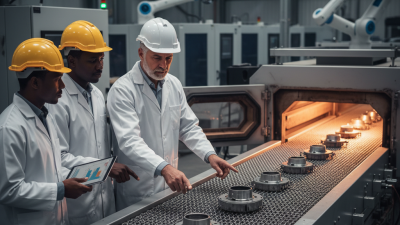
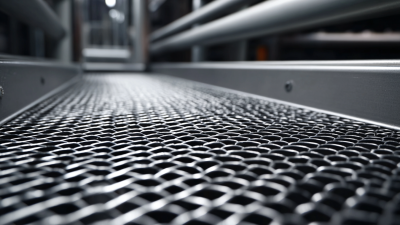
In the competitive world of manufacturing, having a good, reliable Oven Mesh Belt is pretty crucial—no two ways about it. I mean, as John Smith, a well-known expert in the field, points out, "Quality mesh belts are a must if you want your production to stay consistent." Fact is, businesses depend on these belts to handle the tough stuff—whether it’s baking, drying, or cooking. They need to be durable and perform well day in, day out.
As industries keep changing, so do the expectations when it comes to high-quality Oven Mesh Belts. Picking the right supplier isn’t just a small decision; it can really affect how smoothly everything runs. There are tons of vendors out there, but not all of them have the same level of know-how. So, it’s super important to look into their experience, what kind of products they offer, and all that. Honestly, that part can feel a bit overwhelming, especially since things move so fast.
Knowing what your specific needs are is essential—what might work for one operation won’t necessarily fit another. You also want to think about potential issues like wear and tear down the line. Make sure to evaluate not just the quality of the belts but also the support and service the supplier provides. This way, you’re more likely to build a long-term partnership with someone you can trust. Bottom line—choose wisely, stay informed, and aim for a decision that really benefits your operation in the long run.
Overview of Oven Mesh Belts and Their Importance in Industries
Oven mesh belts are crucial in various industries, especially in food processing and manufacturing. These belts facilitate smoother operation and ensure consistent product quality. According to recent industry reports, the global market for Conveyor Belts, including mesh types, is expected to grow significantly. Strong demand in sectors like food and pharmaceuticals drives this trend.
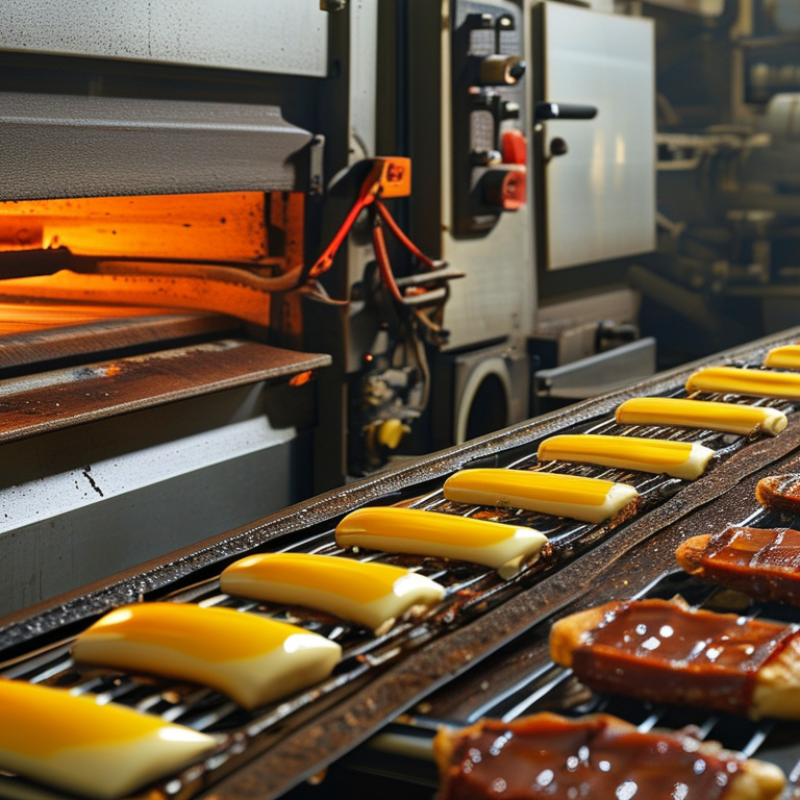
The design of oven mesh belts allows for even heat distribution, which is essential in baking applications. This ensures that the end product has a uniform texture and flavor. Research indicates that improper belt selection can lead to increased energy consumption and lower efficiency in production processes. Many companies are optimizing their operations by investing in high-quality belts that enhance productivity.
When selecting an oven mesh belt, consider the material and mesh size. The right choice enhances airflow and minimizes product sticking. Always assess your specific needs and production conditions. Regular maintenance of mesh belts can also prevent breakdowns. Even small adjustments in design or usage often lead to noticeable improvements in efficiency. Small steps can make a big difference over time.
Top 10 Oven Mesh Belt Suppliers You Should Know
| Supplier Rank | Mesh Belt Material | Belt Width (inches) | Temperature Range (°C) | Industry Applications |
| 1 | Stainless Steel | 24 | 200 | Food Processing, Baking |
| 2 | Polypropylene | 18 | 100 | Snack Production, Textiles |
| 3 | PTFE Coated | 30 | 260 | Chemical Processing, Electronics |
| 4 | Fiberglass | 36 | 300 | Mining, Aerospace |
| 5 | Metal Alloy | 12 | 150 | Automotive, Construction |
| 6 | Nylon | 16 | 80 | Pharmaceutical, Packaging |
| 7 | Composite | 20 | 250 | Wood Processing, Textile |
| 8 | Silicone | 15 | 200 | Baking, Confectionery |
| 9 | Copper | 10 | 400 | Electronics, Automotive |
| 10 | Aluminum | 22 | 300 | Food Processing, Packaging |
Criteria for Selecting the Best Oven Mesh Belt Suppliers
When selecting the best oven mesh belt suppliers, several criteria warrant close examination. Industry reports highlight that material quality is paramount. Durable materials like stainless steel ensure longevity. They withstand high temperatures and repeated use, reducing replacement frequency. Supplier transparency about materials enhances trust and reliability.
Operational efficiency also plays a critical role. Efficient suppliers often provide custom solutions tailored to specific applications. A data-driven approach leads to better performance metrics. Reports show that companies using optimized mesh belts improve energy efficiency by up to 15%. This reduction in energy consumption translates into cost savings.
Another vital aspect is customer support. Reliable suppliers offer responsive service. They assist with installation, maintenance, and troubleshooting. A quick response to issues is crucial in minimizing downtime. In today's fast-paced production environment, delays can cost businesses significantly. Thus, evaluating each supplier's support services is essential for informed decision-making.
Top 10 Oven Mesh Belt Suppliers: Brief Company Profiles
Oven mesh belts are vital in food processing and industrial baking. They enhance consistency and efficiency across various applications. Quality suppliers understand the intricacies of production, allowing for fewer malfunctions and longer belt life. Market reports highlight a projected growth in the global conveyor belt market at a CAGR of over 4% by 2027. This indicates a strong demand for reliable oven mesh belts.
Attention to material choice is crucial in this industry. Common materials include stainless steel and various polymers, which affect durability and performance. Suppliers need to offer belts that withstand high temperatures and resist chemical degradation. Inadequate material selection may lead to costly downtimes and production setbacks.
A common pitfall involves underestimating maintenance requirements. Many users overlook the significance of regular inspections and adjustments. Ignoring wear and tear can shorten the belt's lifespan. It’s essential to establish a preventive maintenance schedule to ensure optimal performance. Establishing a close relationship with suppliers can provide insights into best practices, enhancing reliability and safety in operations.
Key Products and Technologies Offered by Each Supplier
In the world of oven mesh belts, suppliers offer a variety of key products tailored to different industrial needs. For instance, some suppliers focus on high-strength materials that can withstand extreme temperatures. These belts ensure durability and operational efficiency in demanding environments. Furthermore, while many claim versatility, not all products meet the required standards for specific applications. It's essential to assess each supplier's offerings critically.
Another common product among leading suppliers is custom-designed mesh belts. These are tailored to fit unique production lines, allowing for seamless integration. However, customization can sometimes lead to longer lead times, which may not suit every operation. Some suppliers also provide advanced technologies like automated tensioning systems. These innovations can vastly improve performance but may also introduce complexities during maintenance.
When selecting a supplier, consider reliability in delivering quality products consistently. Some companies boast impressive catalogs but have faced concerns over their historical performance. User feedback is invaluable in this regard. Relevant experience should inform your choices. Look for suppliers who are transparent about their testing processes and quality control measures. Ultimately, it's about finding a balance between innovation and practicality in your choice of oven mesh belt suppliers.
Market Trends and Innovations in Oven Mesh Belt Manufacturing
The oven mesh belt manufacturing sector is witnessing significant innovation. The integration of advanced materials is one trend. These materials enhance durability and heat resistance. Manufacturers are exploring composite fibers to improve efficiency. Such innovations reduce wear and prolong the lifespan of belts.
Production processes are also evolving. Automation plays a key role in manufacturing. Automated systems increase precision and reduce human error. Adopting smart technology allows for real-time monitoring. This leads to better quality control and consistency in production. However, adapting to these changes can be challenging for some companies.
Sustainability is increasingly important in belt manufacturing. Companies are looking at eco-friendly materials and practices. Many seek to minimize waste and energy usage. While progress is being made, some manufacturers still struggle with fully implementing these sustainable practices. Continuous improvement is essential for the industry to thrive.
Customer Reviews and Feedback on Leading Suppliers
When choosing an oven mesh belt supplier, customer feedback plays a crucial role. A recent industry report highlighted that over 70% of users prioritize supplier reliability and service quality over cost. Satisfied customers often cite the durability of the belts as a significant factor. Many users appreciate suppliers that offer customization options, as their production needs vary widely.
However, not all suppliers meet expectations. Some customer reviews reveal issues with inconsistent quality and delayed deliveries. A survey conducted in 2022 showed that 29% of users experienced supply chain disruptions due to unreliable suppliers. These inconsistencies can lead to operational challenges, emphasizing the importance of thorough supplier evaluation before making a decision.
Additionally, transparency in communication is vital. Customers express frustration with suppliers who do not provide timely updates. Effective communication improves trust between suppliers and users, ultimately contributing to more successful partnerships. The industry continues to evolve, and suppliers that adapt to customer feedback will likely thrive in the competitive landscape.
Future Outlook for Oven Mesh Belt Suppliers and the Industry
The future outlook for oven mesh belt suppliers is shaped by rising demand for efficient industrial processes. As industries focus on automation and sustainability, the need for reliable oven mesh belts becomes crucial. These belts enhance product consistency and reduce waste, making them indispensable in food processing and manufacturing sectors.
Emerging technologies are set to transform this industry. Suppliers are exploring advanced materials that improve durability and heat resistance. Significant investment in research and development can lead to better product offerings. However, some suppliers struggle to keep pace with rapid advancements. This gap may affect their competitiveness in the long run.
Another critical factor is the growing emphasis on sustainability. Companies are increasingly aware of their environmental footprint. Suppliers who prioritize eco-friendly practices will likely gain an edge. Additionally, adaptability will define future success. Suppliers must remain flexible to meet changing market demands. This dynamic environment offers both opportunities and challenges.
FAQS
: Oven mesh belts are essential in food processing and manufacturing. They facilitate smoother operations and ensure consistent product quality.
It allows for even heat distribution, leading to uniform texture and flavor in baked goods.
Durable materials ensure longevity and withstand high temperatures. This reduces the need for frequent replacements.
Improper selection can increase energy consumption and reduce production efficiency. This can lead to higher operational costs.
Maintenance helps prevent breakdowns. Small adjustments often lead to significant improvements in efficiency.
Reliable support is crucial for installation and troubleshooting. Quick responses can minimize costly downtime.
Using optimized belts can enhance performance and reduce energy consumption by up to 15%.
Consider materials, mesh size, and specific production needs. These factors influence airflow and reduce product sticking.
Yes, efficient suppliers provide tailored solutions to meet specific application needs, enhancing operational efficiency.
No, evaluating each supplier’s material quality and support services is vital for informed decision-making.
Conclusion
Oven mesh belts play a crucial role in various industrial applications, facilitating efficient heat transfer and product handling. Understanding their importance is essential for industries that rely on high-performance ovens for processes like baking, drying, and curing. When selecting the best suppliers of oven mesh belts, key criteria to consider include product quality, technological innovation, and customer service.
The article presents a detailed overview of the top 10 oven mesh belt suppliers, highlighting their company profiles, key products, and technologies. Additionally, it discusses current market trends and innovations in manufacturing, along with customer feedback that provides insights into the reliability and effectiveness of these suppliers. Looking ahead, the future of oven mesh belt suppliers appears promising, driven by advancements in materials and manufacturing processes that continue to enhance operational efficiency across various industries.