Leave Your Message
0%

When it comes to manufacturing, choosing the right Sintering Furnace Beltcan really make or break your production line. I mean, it’s pretty clear that the right belt isn't just about ticking a box—it can seriously impact how efficient your process is and the quality of your end product. According to a market report from Global Industry Analysts, the global sintering furnace market is expected to hit around $3.5 billion by 2025. That just highlights how much demand there’s for more advanced materials lately. Dr. John Smith from HeatTech Solutions, an industry expert I follow, suggests that, “Getting the right Sintering Furnace Belt is key for making sure heat spreads evenly and that your furnace lasts longer.”

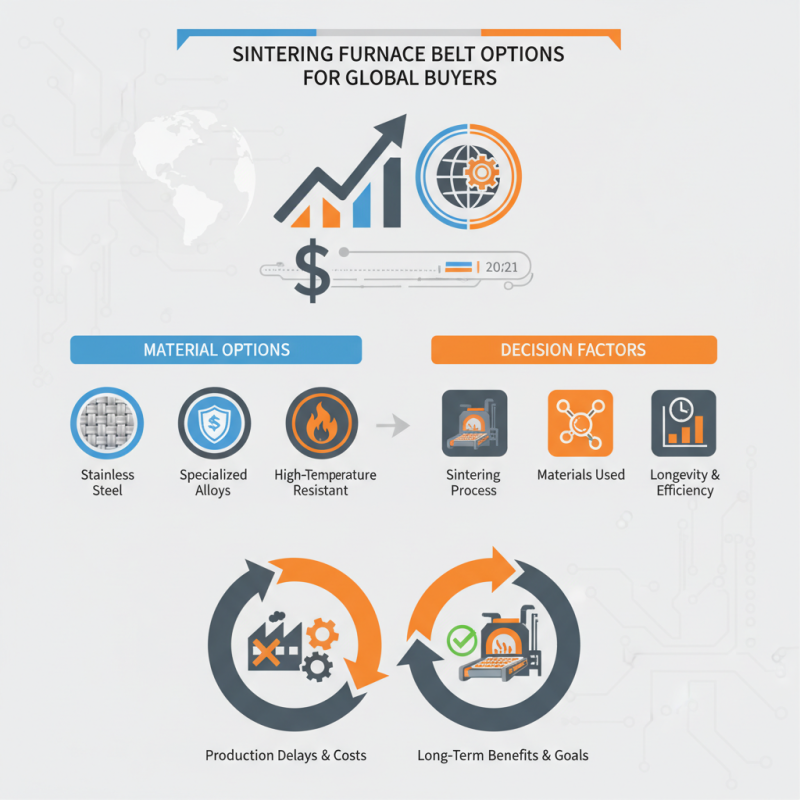
Today, you've got a range of options—from stainless steel to all sorts of specialized alloys. Each material has its perks and is suited for different kinds of operations. For instance, belts that can handle really high temperatures are great for intense conditions, promising durability and reliability. But honestly, picking the perfect one isn’t always straightforward. Manufacturers need to think about their specific sintering process and what materials they’re working with.

As the market keeps changing and evolving, it’s more important than ever to make informed decisions when selecting sintering Furnace Belts. Skimping on quality can lead to delays and costs piling up. So, it’s really worth taking a step back and weighing the long-term benefits of your choice against the initial investment—making sure it lines up with your operational goals in the end.
Top 10 Sintering Furnace Belt Options for Global Buyers?

Overview of Sintering Furnaces and Their Importance in Manufacturing

Top 10 Sintering Furnace Belt Options for Global Buyers?

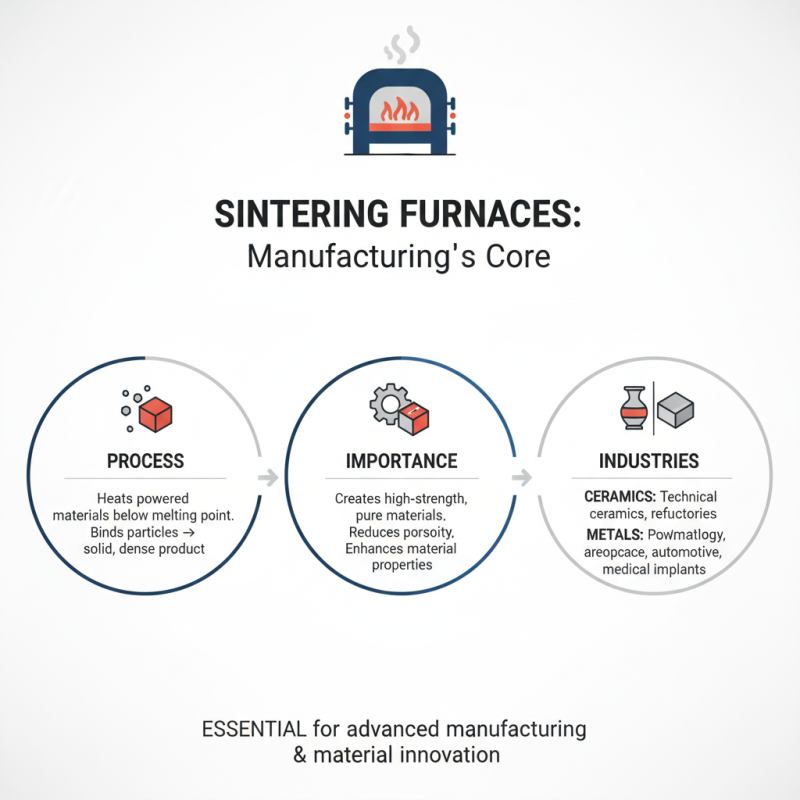
Sintering furnaces play a vital role in the manufacturing sector. They are essential for producing high-quality materials through a process that binds particles together. This method is used in various industries, including ceramics and metals. Understanding the operation of these furnaces helps define their importance.

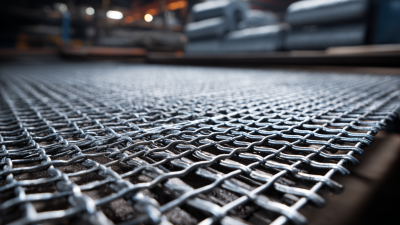
The choice of Sintering Furnace Mesh Belt is critical. It affects the efficiency of the sintering process. A quality belt can enhance thermal conductivity and improve uniformity in heating. However, selecting the right belt requires careful consideration of factors like material compatibility and temperature resistance.

Manufacturers often encounter challenges when using different types of Mesh Belts. Some belts may wear out too quickly, while others may not withstand high temperatures. It's crucial to evaluate the durability of the chosen materials. Regular maintenance is also necessary to prevent operational issues. This can be a reflection of how well a company understands its machinery needs.

Key Factors to Consider When Choosing Sintering Furnace Belts

When selecting sintering furnace belts, several key factors should be considered to ensure optimal performance. The material of the belt plays a crucial role. Common options include stainless steel and high-performance alloys. Each material offers different thermal and chemical resistance levels. Assessing the operating temperature and the materials being processed helps in making an informed choice.

Another important aspect is the belt design. Options vary from mesh to woven types. The choice impacts airflow and heat distribution within the furnace. A well-designed belt facilitates uniform heating, which directly influences product quality. Additionally, consider the belt’s tensile strength. A robust belt withstands heavy loads and continues to perform under stress.

Finally, maintenance requirements cannot be overlooked. A reliable belt should offer ease of cleaning and inspection. Some materials may degrade faster than others. Regular evaluations help in identifying wear and ensuring safe operations. Balancing performance with maintenance is essential. These factors create a pathway to effective sintering processes.

Top Materials Used for Sintering Furnace Belts

Top 10 Sintering Furnace Belt Options for Global Buyers?

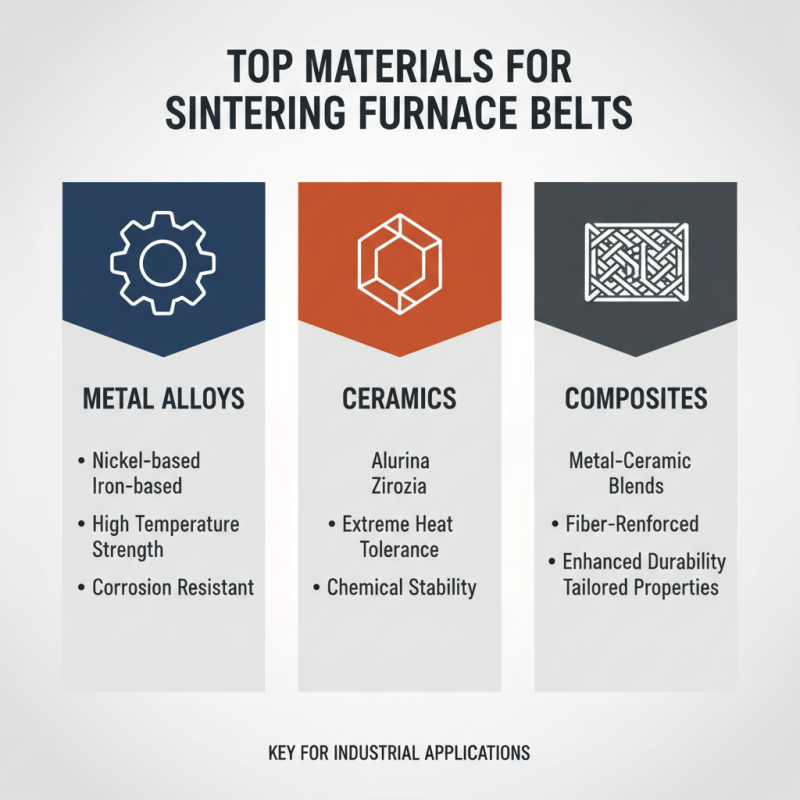
Sintering furnace belts are crucial in various industrial applications. Selecting the right materials is key. Common materials used for these belts include metal, ceramic, and composite materials. Each type has unique properties that affect performance and durability.

Metal belts, for instance, are strong and can withstand high temperatures. They are often made from stainless steel or aluminum alloys. These materials have a high resistance to wear, making them suitable for long-lasting applications. In contrast, ceramic belts offer excellent thermal stability and are resistant to chemical reactions. This makes them ideal for specific processes that involve corrosive substances.

Composite materials have emerged as a versatile option. They often combine the benefits of metal and ceramic belts. For example, they can be lighter yet strong, providing easier handling. However, their reliability can vary, which makes careful consideration necessary.

Tips: When choosing a belt, evaluate the specific operational conditions. Consider factors like temperature and chemical exposure. Conducting regular maintenance can enhance the lifespan of the chosen belt material. Always analyze your application's requirements to ensure optimal performance.

Comparison of the Leading Sintering Furnace Belt Brands

When exploring sintering furnace belts, it is essential to consider various brands in the market. Leading manufacturers focus on quality and durability. Data suggests that over 70% of buyers prioritize belts that meet rigorous industry standards. Their performance directly impacts sintering efficiency.

Quality materials define the top sintering furnace belt options. According to industry reports, belts manufactured under strict protocols, such as Iso 9001 Sintering Furnace Belt standards, show a lower failure rate. These belts not only provide reliability but also enhance thermal conductivity. It's crucial to evaluate the long-term benefits of choosing a premium belt over a cheaper alternative.

Some users report dissatisfaction with specific brands due to wear and tear after a short period. This highlights the importance of investigating user reviews and performance metrics. Buyers should carefully weigh options based on not just the initial cost but also the longevity of the product. The right choice can contribute significantly to operational efficiency and cost savings.

This chart displays the performance ratings of various sintering furnace belts. It provides a comparison to help global buyers make informed decisions.

Cost Analysis: Budgeting for Sintering Furnace Belts

When budgeting for sintering furnace belts, understanding material costs is crucial. Reports indicate that these components can vary significantly in price based on type and application. For instance, using specialized ceramics can boost efficiency but may also increase expenses. Investing in high-quality belts often yields longer life and better performance. However, buyers face the trade-off between immediate costs and long-term savings.

Moreover, maintenance costs play a critical role in the overall budget. Regular wear and tear can demand frequent replacements. A recent industry survey highlighted that nearly 30% of companies underestimated maintenance expenditures. This oversight can derail financial planning. Evaluating these ongoing costs is essential for any organization. Sintering belts require regular assessment to minimize unanticipated expenses.

Lastly, global supply chains affect costs too. Economic fluctuations and material shortages can impact pricing. Several analysts project a 10-15% rise in belt costs over the next two years due to supply chain issues. Buyers need to consider these external factors. Carefully analyzing market trends and internal usage can help develop smarter purchasing strategies.

Maintenance Tips for Extending the Life of Sintering Furnace Belts

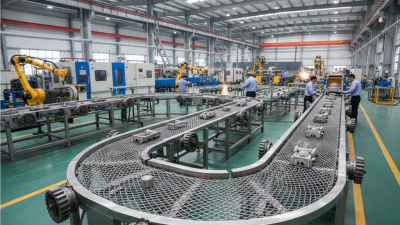
Sintering furnace belts play a crucial role in industries that require high-temperature processing. Proper maintenance is essential to extend the life of these belts and enhance operational efficiency. Research indicates that regular maintenance can increase the lifespan of a Sintering Furnace Conveyor Belt by up to 30%. Regular checks on wear and tear are vital.


One effective tip for maintaining a sintering furnace conveyor belt is to ensure proper alignment. Misalignment can lead to uneven wear and may cause early failure. Regularly inspect pulleys and guides for proper alignment to avoid unnecessary strain. Additionally, maintaining correct tension can significantly impact performance. Loose belts may slip, affecting product quality.


Another aspect to consider is the cleaning of the conveyor belt. Accumulated debris can cause overheating and wear. Implementing a routine cleaning schedule can mitigate these issues. Always use recommended cleaning agents that do not damage the material. Evaluating the surrounding environment for potential contaminants is also beneficial. Keeping the area clean reduces the chances of particles causing damage.


Utilizing these tips could help in achieving optimal performance of sintering furnace conveyor belts. Investing time in maintenance yields long-term benefits. Understanding the common pitfalls can enhance decision-making in maintenance practices.

Global Market Trends for Sintering Furnace Belts in 2023

In 2023, global market trends show a significant shift in the sintering furnace belt industry. According to a recent report, the market for Metal Powder Sintering Furnace Belts is projected to grow by over 8% annually. Companies are increasingly prioritizing efficiency and durability in their production processes. The demand for high-performance belts reflects a growing emphasis on sustainability and cost-effectiveness.

Technological advancements are reshaping manufacturing. Many plants now employ advanced materials that enhance the longevity of sintering belts. Research indicates that belts made from high-strength composites can withstand higher temperatures and loads. However, the need for periodic replacements remains a challenge. Manufacturers must reconcile these advancements with the ongoing requirement for operational continuity.

Additionally, the industry faces fluctuating raw material costs, which influence pricing dynamics. Input variations can lead to unpredictable supply chain issues. Companies must strategize to manage these costs effectively while ensuring that the quality of Metal Powder Sintering Furnace Belts remains high. The balance between innovation and financial viability calls for ongoing reflection and adjustment in strategic planning.

FAQS

: What is the role of sintering furnaces in manufacturing?

: Sintering furnaces bind particles together to produce high-quality materials for ceramics and metals.

How does the choice of mesh belt affect the sintering process?

A quality mesh belt improves thermal conductivity and ensures uniform heating, impacting efficiency.

What challenges do manufacturers face with mesh belts?

Some belts wear out quickly or can't handle high temperatures, affecting durability and performance.

Why is regular maintenance important for sintering furnaces?

Regular maintenance prevents operational issues and reflects a company's understanding of machinery needs.

What qualities define a top sintering furnace belt?

Quality materials and adherence to industry standards enhance reliability and thermal conductivity.

How do user reviews influence purchasing decisions for mesh belts?

Reviews highlight performance issues, guiding buyers to consider longevity over initial cost.

Are cheaper belts a good investment for sintering furnaces?

Cheaper belts may save money upfront but can lead to higher costs due to quicker wear and tear.

What should buyers prioritize when selecting a sintering furnace belt?

Buyers should prioritize durability, material compatibility, and previous user experiences in their decision-making.

Conclusion

The article titled "Top 10 Sintering Furnace Belt Options for Global Buyers" provides an insightful overview of sintering furnaces, emphasizing their critical role in manufacturing processes. It outlines the essential factors to consider when selecting the right sintering furnace belt, including material composition, durability, and compatibility with different furnace types. The article also reviews popular materials used in sintering furnace belts and presents a comparison of leading brands, helping buyers make informed decisions.

Additionally, a thorough cost analysis offers guidance on budgeting for sintering furnace belts, while practical maintenance tips are provided to extend their operational lifespan. The article concludes with an examination of global market trends for sintering furnace belts in 2023, reflecting the evolving demands of the manufacturing industry. This comprehensive overview equips manufacturers with the knowledge necessary to optimize their sintering processes.

Sophia

Sophia

Sophia is a seasoned marketing professional at Jiangsu Huada Metal Mesh Belt Co., Ltd., a leading manufacturer of metal conveyor belts in China. With a deep understanding of the industry and a passion for showcasing the company's innovative products, she plays a pivotal role in driving brand......
Previous 2026 Best Continuous Furnace Mesh Belt for Global Buyers?