Picking the right Wire Mesh Net can actually be pretty tricky. With so many options out there, it’s easy to feel overwhelmed. It’s really important to make a smart choice, though, because the right mesh can make a big difference—boosting safety and efficiency no matter what you’re using it for. Whether you’re into construction, farming, or security, understanding the different types is key.
Oh, and don’t forget about quality! Not all materials are the same. Some might look fine but lack the durability or strength you need. So, it’s a good idea to think about where you’ll be using it—weather, load needs, all that stuff matters big time.
Getting advice from experts can be super helpful, and they can steer you in the right direction based on your specific needs. Still, it’s always smart to check out a few sources—nothing beats doing your homework. Finding that balance between what you need and what the product can actually do is the way to go for better results.
Understanding the Basics of Wire Mesh Net Types
When choosing a Wire Mesh Net, understanding the different types available is crucial. Wire mesh nets come in various materials, with options like nylon, plastic, and steel. Each material serves distinct purposes. For outdoor use, consider a Steel Wire Net due to its strength and durability. This type resists harsh weather conditions and maintains its integrity over time.
The mesh size is another essential factor. A smaller mesh size provides better containment for small items, while a larger size allows for better airflow. It’s important to evaluate the intended application of the wire mesh net. Are you using it for gardening, construction, or animal enclosures? The answer impacts which type you should choose.
Reflecting on individual needs is vital. Not every wire mesh net is perfect for every situation. You might find a great deal on a Steel Wire Net, but does it fit your specific requirements? Take time to analyze options and revisit your choice if needed. The right selection can make all the difference infunctionality and longevity.
Identifying the Suitable Material for Your Wire Mesh Net
When selecting the suitable material for your wire mesh net, consider durability and application. Steel Mesh Nets are widely recognized for their strength and resilience. According to industry reports, steel nets can last up to 30 years under proper conditions, making them a cost-effective option over time.
Think about the environment where the wire mesh will be used. For outdoor applications, corrosion resistance is crucial. Research indicates that galvanized steel is significantly more resistant to rust compared to untreated options. This attribute ensures longevity and reduces maintenance costs.
Many users overlook the importance of mesh size. It affects both functionality and safety. Smaller mesh openings can prevent small animals from passing through while maintaining visibility. As per data from the National Wire Mesh Association, the right mesh size can improve security and efficacy in various applications. Ensure your choice aligns with your specific needs and doesn’t compromise safety.
Top 5 Tips for Choosing the Right Wire Mesh Net
Assessing the Appropriate Wire Diameter and Mesh Size
When selecting wire mesh, assessing wire diameter and mesh size is crucial. The wire diameter determines strength and durability. A thicker wire can withstand greater tension and pressure. Reports suggest using a wire diameter of at least 0.5 mm for outdoor applications. This thickness ensures the mesh can resist rust and corrosion over time.
Mesh size, measured by the number of openings per inch, impacts the functionality of the wire mesh. A smaller mesh size provides better security and prevents the passage of small objects. However, it may reduce visibility and airflow. For example, a mesh size of 1/4 inch is common in security settings. It balances security with reasonable airflow, ideal for ventilation requirements.
High-quality materials matter. Low-quality wire can lead to premature wear and tear. Studies show that galvanized Steel Wire Mesh lasts longer than plastic options. Choosing the right combination of wire diameter and mesh size aligns with your specific project needs. Consider these factors carefully before making your selection. Small missteps in choice can lead to larger issues down the line.
Evaluating the Mesh Coating Options for Durability
When evaluating mesh coating options for durability, several factors play a crucial role. First, the environment in which the wire mesh will be used greatly influences its longevity. For instance, Stainless Steel Net Mesh offers excellent corrosion resistance, making it preferable for outdoor applications. Reports indicate that stainless steel can last up to 20 years in marine environments due to its durability.
Another important consideration is the thickness of the coating. Thicker coatings can provide better protection against abrasion and chemicals. A study published in the Journal of Materials Science found that coated meshes with a thickness of 1 mm experienced 30% less wear compared to their thinner counterparts. However, thicker coatings may also result in less flexibility, which could be a drawback.
Testing different coating options is essential. Some coatings may chip or wear unevenly, impacting performance. Users should consider their specific needs, including exposure to harsh chemicals or extreme temperatures. Experimentation with various mesh types and coatings can help determine the best fit for your applications.
Determining the Required Load-Bearing Capacity
Choosing the right wire mesh net for your project requires careful consideration of load-bearing capacity. Many industries rely on wire mesh for applications ranging from construction to agriculture. The load-bearing capacity is crucial; it defines how much weight the net can handle without risk of failure. According to a data report by the American Society of Mechanical Engineers, load capacities can vary significantly based on the material and mesh design.
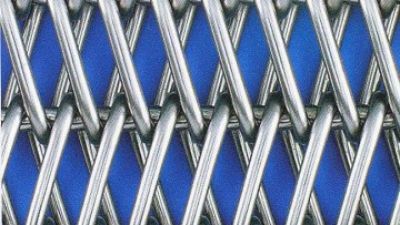
When assessing wire mesh for a specific application, experts recommend a safety factor of at least 2. This means if you expect a load of 100 pounds, your selected mesh should support at least 200 pounds. This approach helps account for unexpected stresses. If the wire mesh net, like a Conveyor Net, is used in dynamic environments, these loads may vary further due to operational conditions.
Additionally, not all wire meshes are created equal. Variations in wire thickness and mesh size contribute to differences in load capacity. A report from the Industrial Fabrics Association International (IFAI) indicates that finer mesh may distribute weight more evenly, but it can also limit airflow. This trade-off highlights the need for careful reflection on the specific requirements of your application. Ultimately, choosing the right wire mesh means balancing strength, weight distribution, and functional needs.
Considering Environmental Factors Affecting Wire Mesh Use
When selecting wire mesh, environmental factors play a crucial role. Different environments can influence the durability and functionality of the mesh. For instance, coastal areas pose a unique challenge due to salt exposure. This can cause corrosion, reducing the lifespan of the material. Choosing a rust-resistant option is essential in such cases.
Another consideration is temperature fluctuations. Extreme cold can make some materials brittle, while high heat may weaken them. Knowing the climate where the mesh will be used helps guide your choice. Lightweight materials might be practical, but not always the best in harsh conditions.
Additionally, consider UV exposure. Wire mesh used outdoors must withstand sun damage. UV rays can deteriorate some plastics, leading to quick degradation. Options with enhanced UV resistance may cost more but can provide long-term value. A thorough assessment of these factors ensures that the wire mesh you choose will perform effectively in its intended environment.
Reviewing Cost vs. Quality for Budget-Friendly Options
Choosing the right wire mesh net involves evaluating both cost and quality. Finding a budget-friendly option is essential, but it shouldn't compromise performance. Start by assessing the material. Stainless steel offers durability, while plastic may be cheaper but less reliable. Evaluate how each material fits your needs.
Next, consider the mesh size. A finer mesh can keep out smaller pests but may cost more. A coarser mesh is budget-friendly but might not provide adequate protection. Always think about your specific requirement before making a decision.
Another tip is to compare products. Look for reviews and feedback from other users. This helps you gauge quality without sacrificing your budget. Pay attention to installation ease as well. A more complex setup might bring hidden costs. Balancing these factors is vital for a successful purchase.
Exploring the Efficiency and Durability of Double Balance Belt Conveyors: Insights from Industry Reports on Food-Grade Solutions
In the realm of conveyor systems, double balance belt conveyors are increasingly recognized for their efficiency and durability, particularly in food-grade applications. These conveyors are engineered to meet stringent hygiene standards, making them ideal for the food processing industry. The food-grade double balance weave mesh meets FDA and EHEDG specifications, ensuring that products remain uncontaminated throughout the supply chain. This mesh design not only promotes effective material transport but also facilitates easy cleaning, thereby enhancing overall operational efficiency.
Moreover, the versatility of double balance belt conveyors extends beyond the food sector. By leveraging advanced manufacturing techniques, our range of products includes high-temperature double balance weave Furnace Belts capable of withstanding temperatures up to 800°C, ideal for industrial furnace applications. Our heavy-load double layer balance weave conveyor system is built to support demanding logistics in various manufacturing environments, while the abrasion-resistant belts cater specifically to mining operations. Each product is crafted with precision, ensuring that it meets the diverse requirements of industries ranging from automotive stamping to glass tempering, where low-deflection designs are crucial for optimal performance.
By sourcing these high-quality solutions directly from reliable suppliers, we emphasize our commitment to exceptional quality and performance. Our custom-pitch belts provide tailored solutions for bulk material handling, while anti-static features in our double layer balance belts enhance safety for electronics assembly. With a focus on maintenance efficiency, the quick-release double balance belts ensure minimal downtime, reinforcing our mission to support industries with innovative conveyor solutions.
FAQS
: The environment, coating thickness, and material choice are crucial for durability.
Outdoor use often requires corrosion-resistant materials, like stainless steel, to extend lifespan significantly.
Thicker coatings provide better protection but may reduce flexibility and increase costs.
Coated meshes thicker than 1 mm show 30% less wear, according to studies.
Evaluate durability versus cost. Stainless steel lasts longer, but plastic options are cheaper.
Finer mesh keeps out smaller pests but typically costs more. Coarser mesh is more affordable but less protective.
User feedback helps gauge quality and performance without overspending.
Complex installation can lead to extra costs, so consider simplicity too.
It's essential to balance both for an effective and budget-friendly option.
Yes, testing various types and coatings ensures the best fit for your specific needs.
Conclusion
When selecting the right Wire Mesh Net, it's crucial to understand the various types available and determine the best fit for your specific needs. Start by identifying the suitable material, as this will affect durability and functionality. Next, assess the appropriate wire diameter and mesh size, which play a significant role in the strength and application of the net.
Additionally, consider different mesh coating options to enhance durability, especially if the net will be exposed to harsh environmental conditions. Evaluating the load-bearing capacity is essential to ensure safety and performance. Finally, weigh the cost against the quality to find budget-friendly options without compromising on effectiveness. By following these tips, you can make an informed choice when it comes to Wire Mesh Nets.