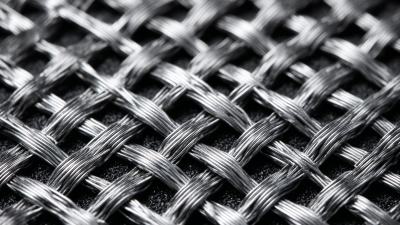
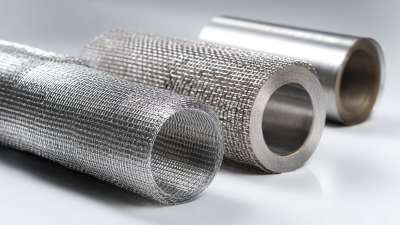
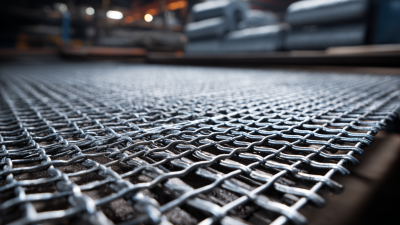
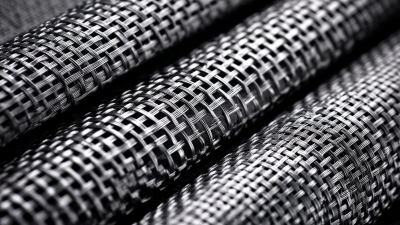
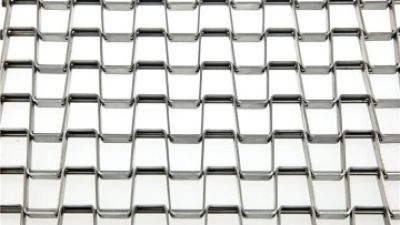
You know, in the construction and industrial world, Steel Wire Mesh is honestly a game-changer. It’s pretty much a must-have for a bunch of different projects. Whether it’s reinforcing concrete or providing extra support, this material really proves its worth over and over again.
What’s great about Steel Wire Mesh is that it boosts the durability and stability of structures. For example, in highways and bridges, it helps handle stress and strain without breaking a sweat. Plus, you’ll find it in foundations and walls quite often too. But here’s the thing — picking the right kind of mesh can be tricky. There are so many options, and it all depends on what your specific project needs. That can get pretty confusing, especially if you’re not familiar with all the technical details.
Sometimes, companies might overlook exactly what their project requires, which can lead to problems — either support that’s not good enough or just spending more money than necessary. That’s why it’s so important to really think about how you’ll use the mesh and what specs it needs to meet. When you do your homework and understand its different applications, you can make smarter choices. In the end, knowing how to pick and use Steel Wire Mesh properly can really maximize its potential in any construction project.
Top 10 Uses of Steel Wire Mesh in Construction and Industry
Steel wire mesh is integral to modern construction and industry. Its versatility offers numerous applications that enhance structural integrity. According to industry reports, the global steel wire mesh market is projected to reach over $22 billion by 2025. This growth reflects its widespread use across multiple sectors.
In construction, Wire Mesh Steel is commonly used for concrete reinforcement. It increases tensile strength and reduces cracking. Various structures utilize steel wire mesh, including highways, bridges, and buildings. Additionally, it serves in safety applications, like fencing and barriers. However, some projects still overlook proper installation methods, which can compromise overall effectiveness.
In industrial settings, Wire Mesh Steel finds applications in filtering and sieving materials. Its durability and flexibility make it ideal for manufacturing processes, such as agriculture and mining. Reports indicate that improper usage can lead toinefficient operations. Many companies fail to recognize the importance of selecting the right mesh type for each specific task. Addressing these issues will drive better efficiencies in production and safety outcomes.
The Role of Steel Wire Mesh in Reinforcement of Concrete Structures
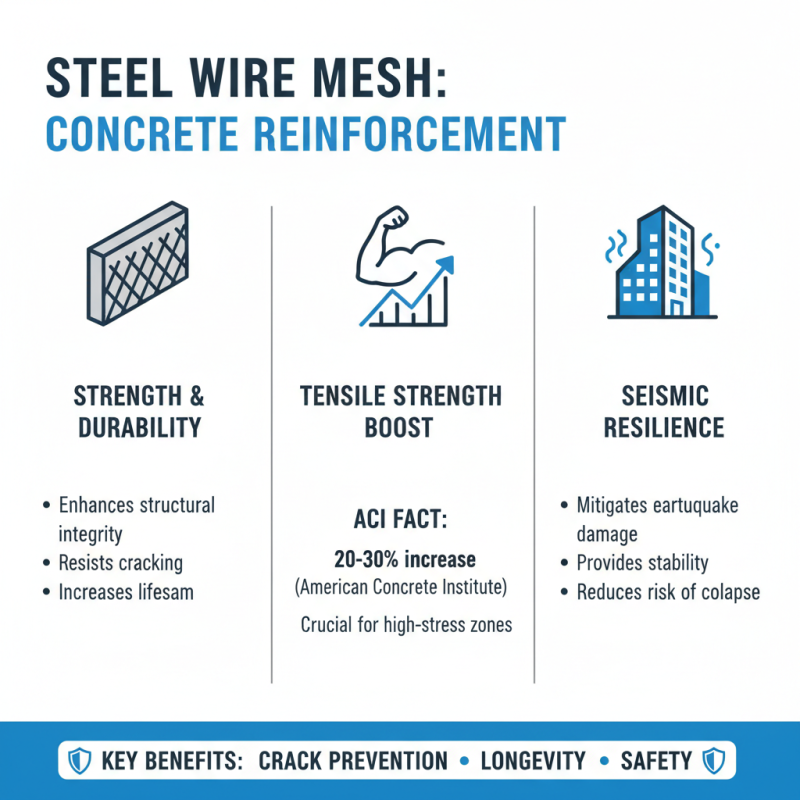
Steel wire mesh plays a crucial role in the reinforcement of concrete structures. It enhances the strength and durability of concrete, preventing cracks and ensuring longevity. According to the American Concrete Institute, using Steel Mesh can increase the tensile strength of concrete by 20-30%. This improvement is critical in areas with high stress and seismic activity.
Construction sites often rely on steel wire mesh for various applications, such as floors, walls, and foundations. The mesh acts as a supportive skeleton, distributing loads more evenly. However, improper installation can lead to structural issues. Data suggests that nearly 15% of construction failures are linked to reinforcement problems. Ensuring proper placement and tension is essential for effective reinforcement.
Furthermore, environmental factors must be considered. Steel mesh is resistant to rust when treated properly. Still, in harsh conditions, corrosion can occur if not monitored. Regular inspections and maintenance are needed to uphold the integrity of structures. The balance between using quality materials and adopting best practices is vital in achieving reliable and safe constructions.
Applications of Steel Wire Mesh in Highway and Bridge Construction
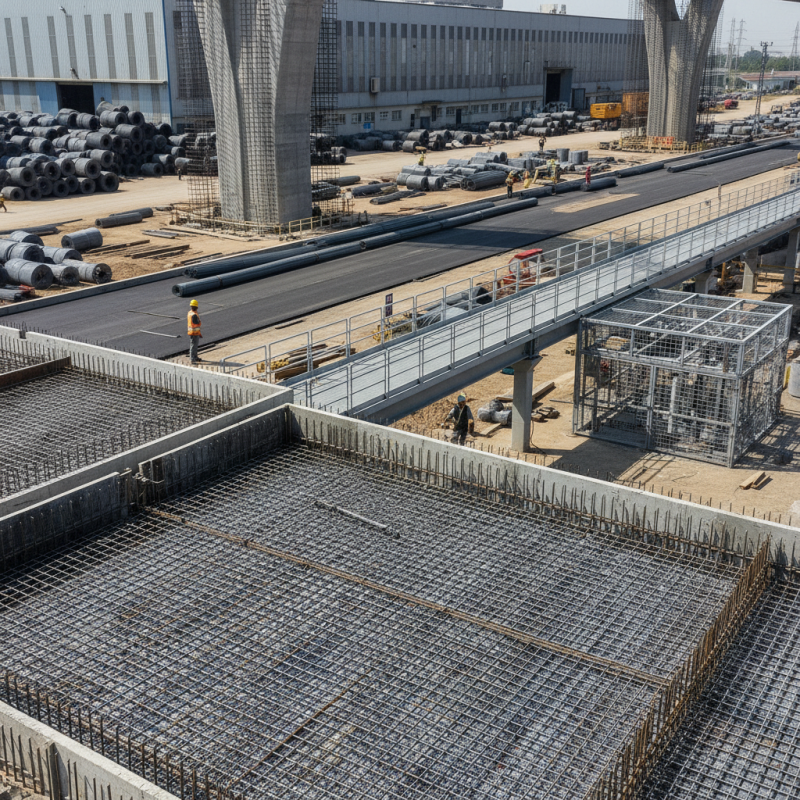
Steel wire mesh plays a critical role in highway and bridge construction. Its strength makes it an essential component for reinforcing concrete structures. For instance, using Steel Woven Wire Mesh allows for better load distribution in concrete slabs. This can prevent cracks in high-traffic areas, an issue that can lead to costly repairs.
In bridge construction, the use of steel mesh ensures durability and stability. The mesh acts as a barrier, preventing structural failure due to various factors. Moreover, it can be used to create complex designs that enhance visual appeal. However, relying solely on steel mesh is not without flaws. Poor installation or low-quality materials can compromise safety. Regular inspections are necessary to maintain integrity over time.
Transporting and handling steel mesh can also present challenges. It can be heavy and cumbersome, leading to possible injuries on job sites. Companies need to ensure proper training for workers. Awareness of these factors is vital for effective project execution. Steel WOven Wire Mesh is indeed a valuable asset, yet it demands careful consideration in its application.
Using Steel Wire Mesh for Temporary Safety Barriers in Construction Sites
Steel wire mesh serves as an essential tool in construction, especially as a temporary safety barrier. Construction sites can be chaotic, with heavy machinery and various activities happening simultaneously. Steel wire mesh effectively delineates work areas, providing a visual cue for workers and visitors. It minimizes the risk of accidents by keeping unauthorized personnel out of hazardous zones.
Using steel wire mesh for safety barriers is not without its challenges. While it is strong and durable, it may not always be the most visible option. Workers can overlook it, especially in low light conditions. This can lead to dangerous situations. Additionally, if not properly anchored, the mesh may become dislodged, compromising safety. Regular inspections and maintenance are necessary to ensure its integrity and effectiveness.
Although this material is prevalent, it can be underutilized in creative applications. For example, it can be painted bright colors to enhance visibility. Customization can help transform a simple barrier into a more effective safety measure. Emphasizing such details can help improve overall safety on job sites, reminding all of the importance of vigilance and proactive measures.
Top 10 Uses of Steel Wire Mesh for Construction and Industry
The Importance of Steel Wire Mesh in Industrial Flooring Solutions
Steel wire mesh serves a crucial role in industrial flooring solutions. This material provides strength and stability, essential for high-traffic areas. Designed for durability, it withstands heavy loads without compromising safety. The presence of Stainless Steel Wire & Mesh enhances its resistance to corrosion, making it suitable for various environments, including wet or chemical-laden spaces.
Industrial flooring often requires a robust foundation. Steel wire mesh aids in distributing weight evenly across surfaces. This reduces the chance of cracking or damage over time. However, poor installation can lead to inefficiencies. Gaps in mesh or improper alignment can weaken the structure. Regular maintenance checks are recommended to address wear and tear.
The versatility of steel wire mesh extends beyond flooring. It can be used in different applications, such as reinforcing concrete or creating partitions. Yet, its effectiveness hinges on the quality of materials used. Not all stainless steel wire mesh is created equal. It's important to evaluate options carefully, considering long-term needs against initial costs.
Top 10 Uses of Steel Wire Mesh for Construction and Industry
| Use Case | Description | Benefits |
| Concrete Reinforcement | Used to strengthen concrete slabs and structures. | Improves tensile strength and durability. |
| Flooring Solutions | Integral to industrial flooring systems. | Enhances load-bearing capacity and stability. |
| Fencing | Used in agricultural and security fencing. | Provides visibility while ensuring strength. |
| Architectural Elements | Used in design features such as facades. | Aesthetic appeal combined with functional support. |
| Infrastructure | Essential in the construction of roads and bridges. | Increases safety and structural integrity. |
| Industrial Racks | Form part of storage systems in warehouses. | Maximizes space and ensures load distribution. |
| Drainage Systems | Used in drainage and erosion control. | Promotes water flow while preventing soil erosion. |
| Horticultural Applications | Supports plant growth in greenhouses. | Provides structure while allowing light and air penetration. |
| Safety Gratings | Used in walkways, making them slip-resistant. | Ensures safety for high-traffic areas. |
| Custom Fabrications | Tailored to specific project needs in various industries. | Flexibility to meet unique design requirements. |
Steel Wire Mesh in Agricultural Applications: Fencing and Crop Support
Steel wire mesh plays a vital role in agriculture, particularly in fencing and crop support. Farmers increasingly rely on this durable material to protect their crops from pests and animals. According to industry reports, the global agricultural fencing market could reach $7.94 billion by 2027, driven in part by the efficiency of materials like 316 Stainless Steel Wire Mesh. This type of mesh is known for its corrosion resistance, making it ideal for outdoor applications.
Fencing built from wire mesh creates a robust barrier that helps maintain crop integrity. It can also support plants as they grow, providing a structure for climbing vegetables and fruits. Reports indicate that effective crop support strategies can increase yields by up to 30%. Still, some farms face challenges in installation and durability. Not all wire mesh is created equal; lower-quality materials may rust quickly or become brittle under stress. Investing in high-quality options, such as 316 stainless steel wire mesh, is critical for long-term success.
Farmers must be vigilant in choosing the right materials. Not all regions provide the same environmental conditions, influencing the type of wire mesh best suited for their needs. Some may even overlook the importance of proper installation, leading to early failures. Continuous evaluation and learning about available materials can improve outcomes significantly.
Innovative Uses of Steel Wire Mesh in Architectural Design and Art Installations
Steel wire mesh has emerged as a versatile material in architectural design and art installations. This adaptability can be seen in various creative applications. A report by Smith & Associates indicates that over 25% of architects now incorporate steel mesh in innovative ways. This material allows for a unique aesthetic, combining strength with transparency.
Large installations, like suspended ceilings and light fixtures, showcase steel mesh’s potential. Artists have used it to create intricate sculptures that catch light beautifully. However, the use of steel wire mesh is not without challenges. It can be difficult to manipulate, requiring skilled craftsmen. This complexity sometimes leads to imperfections within the final design that may require reflection and adjustment.
In urban settings, parks and public spaces utilize steel mesh for functional yet artistic purposes. Fencing and benches made from this material enhance visual appeal while being durable. Nevertheless, the tension between function and form persists. Designers often grapple with ensuring safety while creating visually striking designs. Balancing these elements may lead to further innovation or unintended consequences.
Innovative Solutions for Efficient Material Handling: Exploring the Advantages of Flat Wire Belts
Flat wire belts are revolutionizing material handling across various industries by offering innovative solutions that enhance efficiency and performance. These belts are designed with versatility in mind, catering to specific applications such as food processing, electronics assembly, and metal stamping. The food-grade flat wire belt, made from FDA-compliant stainless steel, exemplifies this innovation, ensuring safe and hygienic transportation of food products while maintaining durability.
In high-temperature environments, such as furnaces, specialized flat wire belts capable of withstanding temperatures up to 800°C are essential. These belts not only handle the rigors of extreme heat but also maintain structural integrity, ensuring uninterrupted operations. Additionally, anti-static flat wire belts are beneficial in electronics assembly, reducing the risk of electrostatic discharge that could compromise sensitive components.
For industries requiring custom solutions, options like custom-width flat wire mesh for packaging lines and corrosion-resistant belts ensure tailored applications that meet specific operational demands. Furthermore, heavy-duty and non-stick belts provide additional functionality for more demanding environments, such as metal stamping and baking, allowing for efficient and reliable material handling. With these advancements in flat wire belt technology, businesses can optimize their operations, reduce downtime, and increase overall productivity.
FAQS
: The product is designed to enhance everyday experiences. It aims to improve convenience and efficiency.
The product is suitable for a wide range of users. It caters to both individuals and families.
Store the product in a cool, dry place. Avoid areas with high humidity or direct sunlight.
Yes, it can be used outdoors. However, consider the weather conditions to ensure optimal performance.
If the product is damaged, stop using it immediately. Review the warranty options for potential solutions.
Usage frequency can vary. It’s often best to start slow and adjust based on personal needs.
Cleaning can be done with a soft cloth. Avoid harsh chemicals that might cause damage.
Some sellers may offer trial periods. Always check the specific conditions before purchasing.
Returns are generally allowed within a specific time frame. Always read the return policy details.
If issues arise, refer to the user manual. Don’t hesitate to seek support if needed.
Conclusion
Steel Wire Mesh is a versatile material widely used in both construction and industry, serving multiple critical functions. One of its primary roles is in the reinforcement of concrete structures, enhancing their strength and durability. In highway and bridge construction, Steel Wire Mesh is essential for maintaining structural integrity, while at construction sites, it provides necessary safety barriers to protect workers and the public. Additionally, Steel Wire Mesh finds significance in industrial flooring solutions, ensuring safe and reliable surfaces for heavy machinery.
Beyond these conventional applications, Steel Wire Mesh also serves agricultural purposes, such as fencing and providing support for crops. Its innovative uses extend into architectural design and art installations, demonstrating its flexibility and aesthetic potential. Overall, the diverse applications of Steel Wire Mesh make it a fundamental component across various sectors, contributing to safety, functionality, and creativity in construction and industrial environments.