Leave Your Message
0%

As the global market keeps on changing, people are really seeing more and more demand for Woven Mesh. Honestly, it’s pretty amazing what this material can do—it has some pretty unique properties that make it useful across a bunch of industries, from building stuff to even aerospace. Big players like Tenax, Mervin, and WireCrafters are really pushing the envelope with new designs and innovations.

But, you know, Woven Mesh isn’t just about being functional, it’s also super versatile. You can customize it pretty easily to fit specific needs—whether you’re after something tough and strong, flexible, or even just something that looks good. Of course, one tricky part is making sure the quality stays consistent across different suppliers. That’s something businesses really need to pay attention to if they want reliability.

Looking ahead to 2026, we definitely need to think about how sustainable these materials are. Woven Mesh serves tons of purposes, but it also raises questions about its impact on the environment. Finding that sweet spot between innovation and responsibility is going to be key for manufacturers. The next few years will bring some real opportunities, sure, but also challenges that we’ll need to navigate thoughtfully and adapt to as we go.

Top Woven Mesh Types for Global Suppliers in 2026?

Top Trends in Woven Mesh Materials for Global Suppliers in 2026

As we move toward 2026, woven mesh materials are evolving significantly. A shift towards sustainable options is evident. Manufacturers are prioritizing eco-friendly materials, such as recycled fibers. These choices not only lower environmental impact but also meet consumer demand for green products.

Innovations in mesh weaving techniques are revolutionizing performance. Lightweight yet durable designs are becoming mainstream. These materials enhance functionality, making them suitable for various industries, from construction to fashion. However, some manufacturers struggle with consistency in quality. Maintaining reliable standards remains a challenge in this rapidly changing landscape.

In terms of aesthetics, there's a growing preference for unique patterns and colors. Customized woven mesh is gaining traction among suppliers. This trend reflects a desire for individuality in manufactured goods. Yet, balancing creativity with functionality can lead to design conflicts. Suppliers must navigate these complexities.

Key Characteristics of Different Woven Mesh Types for Various Applications

Top Woven Mesh Types for Global Suppliers in 2026?

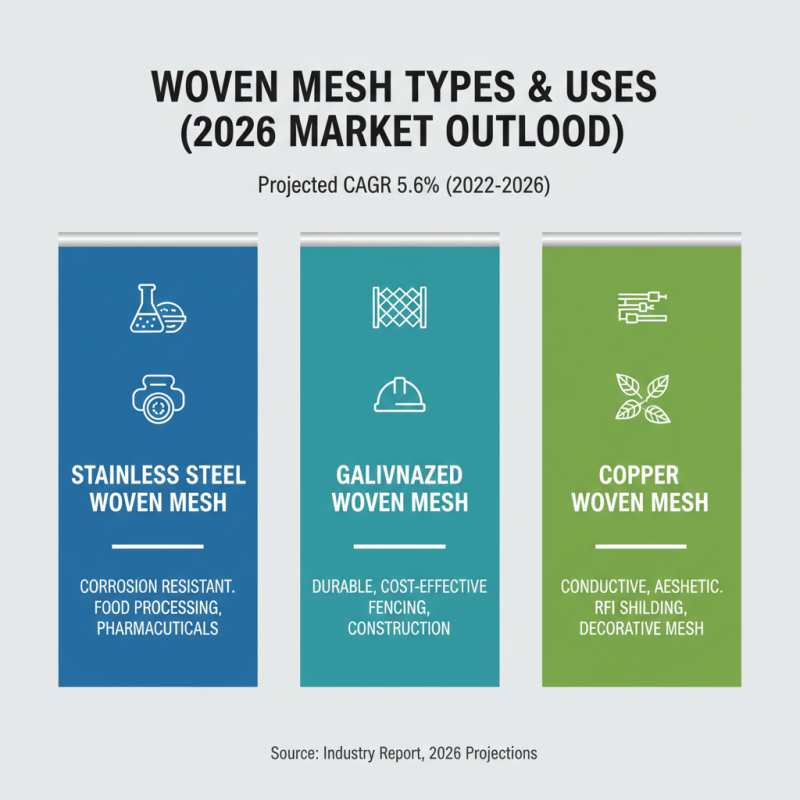
In 2026, the Woven Wire Meshmarket is expected to see significant growth. A recent industry report indicates a projected CAGR of 5.6% from 2022 to 2026. Several types of woven mesh are pivotal for various applications, each with unique characteristics. For instance, stainless steel wOven Wire Mesh offers excellent corrosion resistance. It is crucial in industries such as food processing and pharmaceuticals. These environments require materials that do not contaminate the product.

Moreover, polypropylene and polyester woven meshes are popular in filtration applications. Their lightweight nature simplifies installation in different settings. These materials can withstand different chemical exposures, making them versatile. However, they may not have the longevity of metal options. In some instances, these synthetic meshes can degrade under UV light exposure, which poses a concern when used outdoors.

Another noteworthy type is welded wire mesh. It provides robust structural integrity, often utilized in construction. While it is strong, the manufacturing process can lead to increased costs. Additionally, the rigidity of welded mesh may limit its application where flexibility is needed. Balancing cost and performance remains a key challenge for suppliers. Understanding these characteristics allows informed choices in selecting the best woven wire mesh for specific applications.

Comparative Analysis of Synthetic vs. Natural Fiber Woven Meshes

When comparing synthetic and natural fiber woven meshes, it's essential to evaluate their specific applications and benefits. Synthetic meshes, such as those made from polyester, offer excellent durability and resistance to environmental factors. They perform well in industrial settings. On the other hand, natural fibers, like jute or cotton, provide biodegradable options. They are often favored for gardening and crafting.

Tips: Consider the application area before choosing a woven mesh. For construction or heavy-duty usage, synthetic options may be more suitable. Natural fibers can appeal to eco-conscious consumers. Checking the tensile strength can help determine longevity.

Stainless Woven Mesh is particularly noteworthy for its strength and resistance to corrosion. It's often used in filtration and architectural applications. However, it can be more expensive than its counterparts. Balancing cost and functionality is critical. Both types have unique advantages and potential shortcomings. Recognizing these can guide better decision-making for suppliers and manufacturers alike.

Top Woven Mesh Types Comparison: Synthetic vs. Natural Fiber (2026)

Sustainability in Woven Mesh Production: Innovations to Watch in 2026

Top Woven Mesh Types for Global Suppliers in 2026?

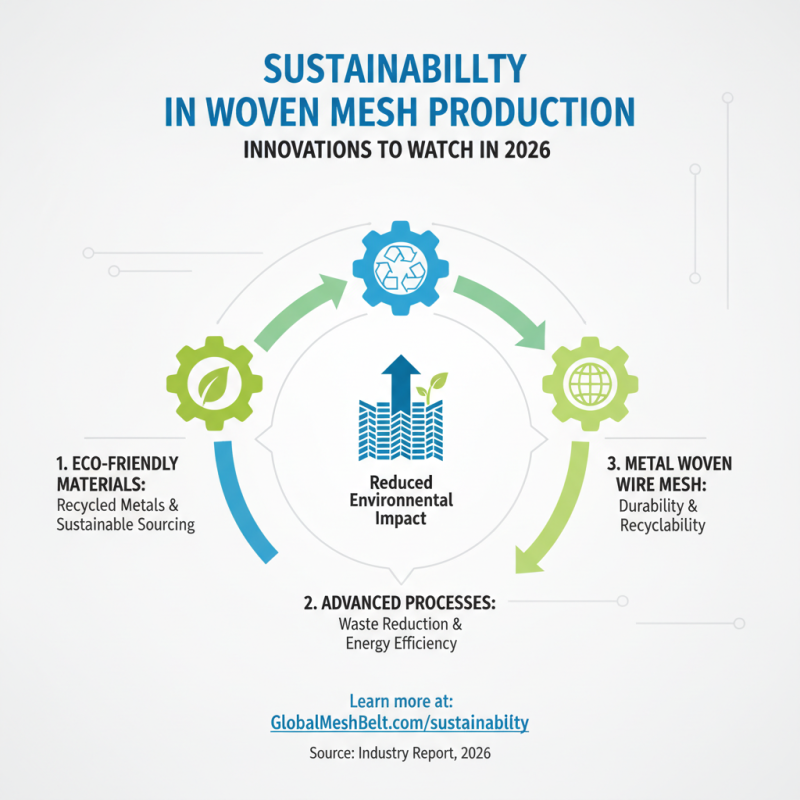
Sustainability in woven mesh production is evolving rapidly. Innovations in materials and processes are pivotal in reducing environmental impact. Many suppliers are now focusing on eco-friendly options. These include recycled metals and sustainable sourcing practices. Metal Woven Wire Mesh is gaining traction due to its strength and recyclability. This type of material offers durability while minimizing waste.

Another promising trend involves energy-efficient manufacturing techniques. Companies are exploring methods that consume less energy. Techniques like advanced machine designs can significantly lower emissions. Despite these advancements, challenges remain. Some processes still rely heavily on fossil fuels. Continuous improvement is necessary in this area.

Furthermore, transparency in the supply chain is critical. Consumers demand to know how their products are made. This demand drives suppliers to adopt sustainable practices. Yet, some companies struggle to provide this information clearly. Perceptions of greenwashing can hamper credibility. Embracing transparency will foster trust with buyers and improve industry standards. As the market evolves, the focus on sustainability will only grow stronger.

Market Demand Projections for Woven Mesh Products Across Industries

The demand for woven mesh products is projected to surge significantly by 2026. Various industries are increasingly recognizing the versatility of these materials. According to a recent report by Market Research Future, the global woven mesh market might reach a value of approximately $10 billion by 2026. This growth can be attributed to their applications in filtration, architecture, and agriculture.

In the construction sector, woven mesh materials are vital for reinforcement and safety. They offer structural integrity while remaining lightweight. Experts indicate a potential increase in demand by over 15% annually. However, industries face challenges in sourcing sustainable materials. As environmental regulations tighten, suppliers must adapt accordingly.

Filtration applications also show promising growth. The demand for industrial filtration systems is estimated to climb by 20% over the next few years. This spike necessitates innovation in woven mesh design and materials. While some manufacturers excel in quality, others struggle with consistency. The need for reliable suppliers becomes paramount in meeting this evolving market demand.

Regulatory Standards Impacting Woven Mesh Supply Chains Globally

Global suppliers of woven mesh will face various regulatory challenges by 2026. These standards aim to enhance safety and environmental impacts. Recent reports suggest that strict compliance can reduce operational risks by 25%. Suppliers must adapt to different regulations in various regions. This can complicate supply chains.


One crucial factor is material certification. Many regulations now prioritize eco-friendly materials. Studies show that over 70% of consumers prefer sustainable products. Businesses should focus on these trends to attract more customers. However, it requires ongoing investment in research and development.


Compliance costs can increase, particularly for smaller suppliers. They often struggle with resource allocation. Many experienced professionals await changes in regulations to guide them. Adaptability will be essential. A proactive approach can help mitigate delays and disruptions in the supply chain. Understanding local regulations will be necessary for long-term success.

Case Studies: Leading Global Suppliers of Woven Mesh in 2026

In 2026, the landscape of woven mesh suppliers is evolving. A key case study is that of a leading supplier focusing on sustainability. They use eco-friendly materials, which resonate well with clients seeking green options. Their Steel Woven Wire Mesh product line shows remarkable strength, yet the company acknowledges challenges in sourcing recycled materials.

Another notable supplier emphasizes innovation. They invest heavily in research and development. Their approach seeks to enhance durability and versatility of woven mesh products. While their solutions are groundbreaking, feedback indicates some customers face delays in delivery. This highlights a crucial area for improvement.

Additionally, a global player has carved a niche in customization. They cater to diverse industry needs, offering bespoke designs. However, their customer service sometimes falls short, causing frustration. Clients appreciate the product quality but desire better support. The dynamic woven mesh market in 2026 showcases both success and areas needing reflection.

FAQS

: What are the main characteristics of stainless Steel Woven Wire Mesh?

: Stainless steel woven wire mesh is corrosion-resistant. It is often used in food processing and pharmaceuticals.

How do polypropylene and polyester woven meshes perform in different environments?

These meshes are lightweight and versatile. They can handle chemical exposure but may degrade under UV light.

What are the advantages of welded wire mesh?

Welded wire mesh provides strong structural integrity. It's commonly used in construction but can be inflexible and costly.

How do synthetic and natural fiber woven meshes differ?

Synthetic meshes offer durability and environmental resistance. Natural fibers, like jute, are biodegradable and suited for gardening.

What should I consider when selecting a woven mesh for construction?

Evaluate whether synthetic options meet strength needs. Consider longevity, application area, and tensile strength.

What challenges do woven mesh suppliers face in 2026?

Suppliers struggle with sourcing recycled materials and delivery delays. They must balance innovation with reliability and support.

Are there eco-friendly options available in woven meshes?

Yes, some suppliers focus on sustainable options. Eco-friendly materials are appealing to clients looking for green solutions.

Why is cost a crucial factor when choosing woven mesh?

Balancing cost and functionality impacts decision-making. Higher quality often comes at a premium, leading to budget considerations.

How does customer service affect buyer satisfaction with woven mesh?

Poor customer service can lead to frustration. Good product quality is essential, but support needs improvement.

What is a common concern for synthetic woven meshes?

Synthetic materials can degrade over time, particularly with UV exposure. Longevity remains a critical factor to assess.

Conclusion

In 2026, the landscape of woven mesh materials is expected to be shaped by emerging trends that cater to diverse applications across various industries. This article examines the key characteristics of different woven mesh types, highlighting their suitability for specific uses, as well as a comparative analysis between synthetic and natural fiber woven meshes. The increasing emphasis on sustainability is also discussed, shedding light on innovations that enhance eco-friendly production practices within the woven mesh sector.

Furthermore, market demand projections indicate a robust growth trajectory for woven mesh products, driven by regulatory standards that influence supply chains globally. The article presents insightful case studies of leading global suppliers, showcasing successful strategies that align with market needs and environmental considerations. Overall, the evolution of woven mesh materials signifies a crucial development for suppliers aiming to remain competitive in an ever-evolving marketplace.

Sophia

Sophia

Sophia is a seasoned marketing professional at Jiangsu Huada Metal Mesh Belt Co., Ltd., a leading manufacturer of metal conveyor belts in China. With a deep understanding of the industry and a passion for showcasing the company's innovative products, she plays a pivotal role in driving brand......
Previous Best Conveyor Furnace Options for Global Buyers?