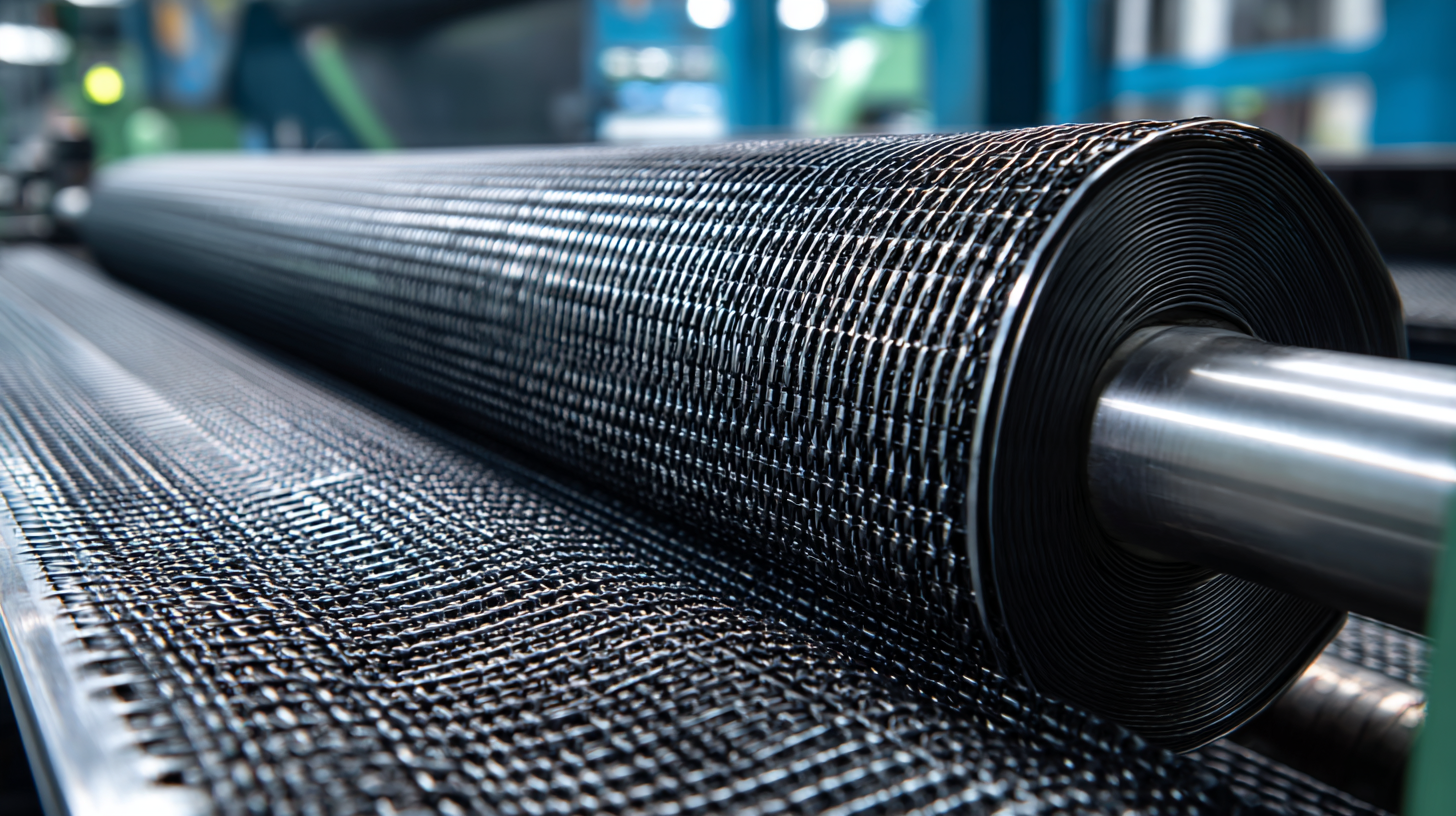
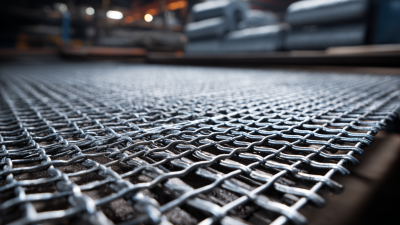
When it comes to the industrial scene, picking the right Furnace Mesh Beltis a pretty big deal. It really makes a difference in keeping things running smoothly and making sure the final products are top-notch. If you’re tracking the market, the demand for high-performance Metal Conveyor systems is skyrocketing — industry reports predict it’ll hit around$6 billion by 2025. That’s why having precise, well-designed solutions isn’t just a nice-to-have, it’s essential.
So, here’s something interesting: JIANGSU HUADA Metal Mesh Belt CO., LTD., a trailblazer in China for metal conveyor belts, is really leading the charge. They've been supplying expertly made Wire Mesh belts and chain-driven systems to more than20 countries across five continents. With their ISO 9001 and CE certifications, you know they’re serious about quality standards.
What really sets them apart is that they don’t just sell products, they offer customized solutions, helping various industries boost their operational performance and trustworthiness. Honestly, it’s pretty impressive how much they’re shaping this space.
Understanding Your Industrial Heating Requirements
So, when you're trying to pick the right furnace mesh belt for your industrial setup, it's really important to understand what your heating needs actually are. I mean, the global market for heating systems is expected to jump from about $7.28 billion in 2025 to roughly $11.51 billion by 2033, growing at an annual rate of about 5.9%. That tells us industries have got to keep up with new tech and rising energy demands, right? It’s all about finding efficient heating solutions, and that means taking a close look at what specific thermal requirements your operations have.
And it’s not just the heating systems — the whole heating equipment market is on the rise too. It’s predicted to grow from around $115.7 billion in 2025 up to nearly $172 billion by 2032, with a similar growth rate of about 5.8%. So, choosing the right materials and design for furnace mesh belts really becomes a big deal — you want something durable that also heats efficiently. Plus, with air-source heat pumps expected to grow at a rapid clip, from about $16.75 billion in 2025 to over $36 billion in 2034 (that’s an 8.95% CAGR), companies have to stay in the know about the latest innovations if they want to stay competitive in this ever-changing market.
Exploring Different Types of Furnace Mesh Belts
When you're trying to pick the right furnace mesh belt for your industrial setup, it’s pretty important to really look into the different types out there. They’re designed for all sorts of applications and environments, so knowing what's available can make a big difference. Usually, these belts need to handle crazy high temperatures while giving solid support to whatever’s going through them. Things like the material used, how the weave is done, and the size all matter a lot if you want to get the best efficiency and performance.
For example, stainless steel mesh belts are awesome because they don’t rust and hold up well in super hot conditions—great for metal finishing or heat exchange work. Meanwhile, fiberglass mesh belts are often picked for areas where thermal insulation is key. They’re durable but also lightweight, which is a big plus.
Basically, understanding what your operation needs—whether it’s load capacity or chemical exposure—will help you pick a mesh belt that not only meets your standards but actually helps you get more done and last longer. It’s all about finding that perfect fit for your specific needs.
Evaluating Material Options for Durability and Performance
When you're choosing a furnace mesh belt for industrial use, it's super important to look at the material options carefully. Different materials bring their own perks—some handle heat better, resist corrosion more effectively, or are stronger mechanically. For example, stainless steel belts are a pretty popular choice because they can handle really high temperatures and aren’t easily affected by oxidation. That makes them great for industries with tough heating processes. That said, they can also be a bit pricey, so you’ve gotta weigh the costs versus the benefits.
On the other hand, there's fiberglass-reinforced plastic. It offers fantastic thermal insulation and is pretty lightweight, which makes it easier to work with. Plus, it can handle a fair bit of thermal stress. It’s especially useful when you need to keep things light—like in certain applications.
While fiberglass belts might not last as long as stainless steel ones, they usually come with a lower upfront cost and work well in specific environments. Basically, figuring out the exact needs of your application—whether it's the temperature range, how much weight it needs to support, or the environmental conditions—will help you pick the best material for your furnace mesh belts.
Key Factors to Consider When Choosing a Mesh Belt
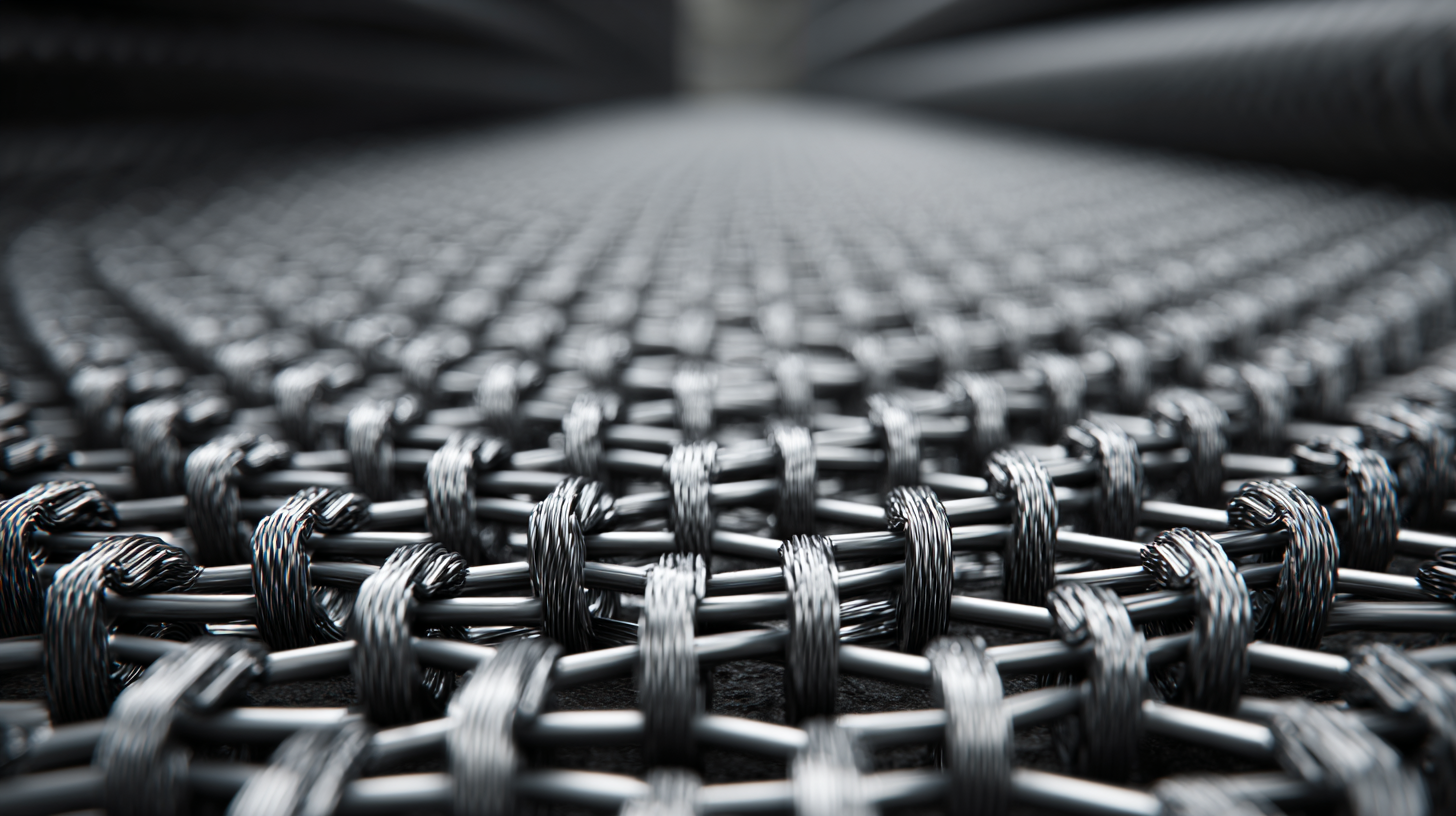
When you're trying to pick the right furnace mesh belt for industrial use, there are a few key things you really want to keep in mind to make sure everything runs smoothly and efficiently. First off, the material the belt is made of is super important—it needs to be tough and heat-resistant. Usually, stainless steel or high-temp alloys are the go-to choices, especially for those intense heat conditions, since they won’t warp or break down easily.
Then, there's the belt setup itself—things like the mesh size, the weave pattern, and how thick the belt is all matter. These details don’t just affect how strong the belt is; they also impact airflow and how well heat gets transferred. For instance, a tighter mesh can support smaller parts better, while a looser one might let more air flow through, helping with more even heating. Oh, and don’t forget about the environment it’ll be working in! If the belt’s exposed to chemicals or needs to be cleaned often, that’s gonna influence what material and design will work best for your specific situation.
Maintenance Tips for Optimizing Furnace Mesh Belt Lifespan
Making sure your furnace mesh belt stays in top shape is super important if you want things to run smoothly and last longer. It’s a good idea to do regular check-ups—look out for any signs of wear like fraying or weird bends and dents. Catching small issues early on can save you from bigger problems down the line, like costly downtime. Also, don’t forget to keep the belt clean and free of any gunk because buildup can cause overheating or uneven wear, which really isn’t ideal.
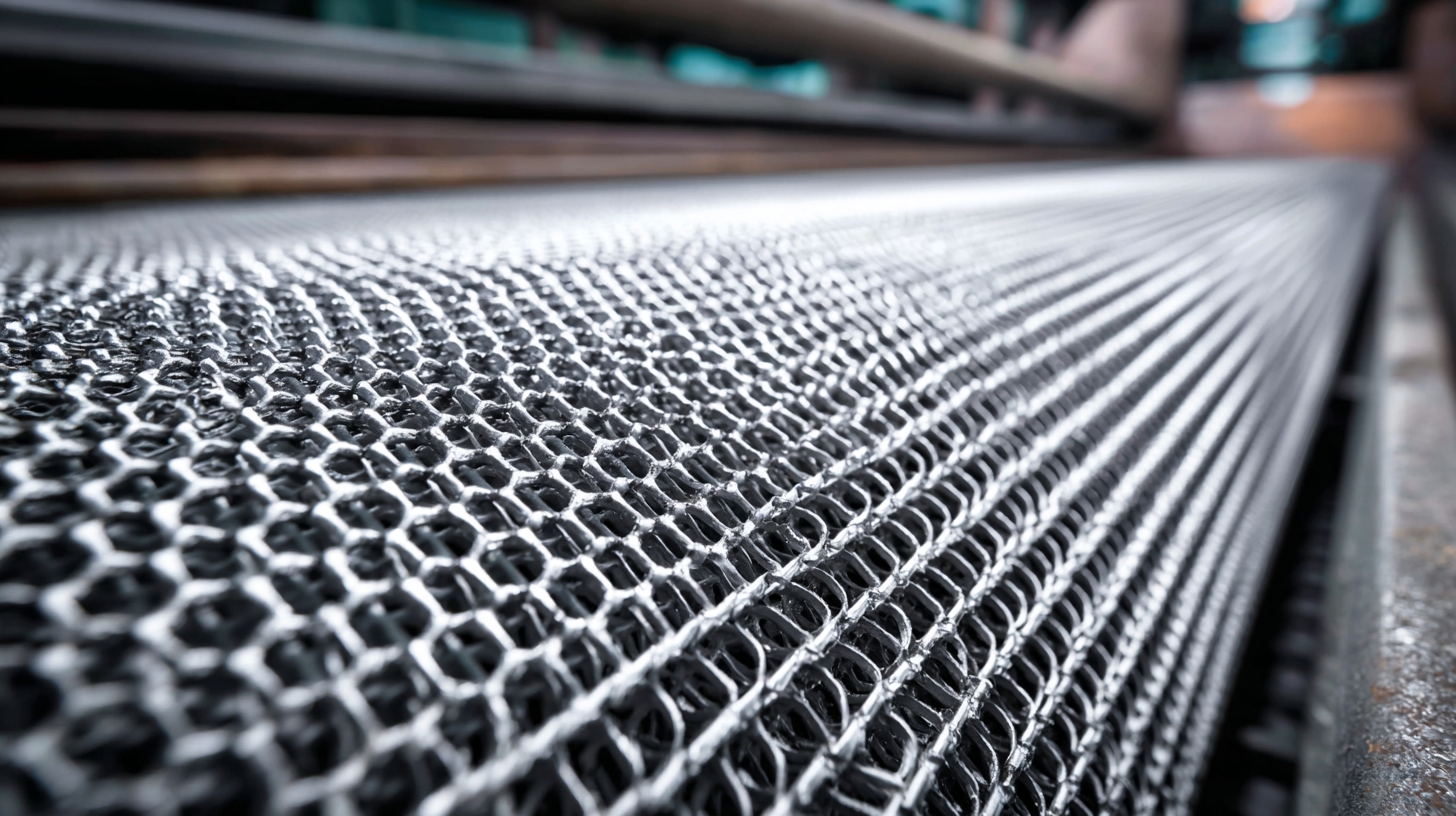
Another thing that’s big on the maintenance list is lubrication. Using the right kind of lubricant helps cut down on friction and can really help the belt last longer. Just make sure you pick a product that’s specifically meant for mesh belts—using the wrong stuff could do more harm than good. Plus, running the furnace within the recommended temperature and load limits can make a huge difference in how long your belt holds up. If you stick to these simple tips, you’ll keep your furnace mesh belt performing its best and get better results out of your industrial setup.
Comparing Costs and Suppliers for Your Furnace Mesh Belt Needs
When you're picking out a furnace mesh belt for industrial use, it’s really important to understand how much it’s gonna cost and to shop around a bit between different suppliers. The market has quite a few options, and prices can vary pretty widely depending on things like what material it’s made of, how thick it is, and any custom tweaks you might need. Don't forget to think about the total cost of ownership—not just the initial price, but also maintenance, how long it’ll last, and how efficiently it runs. Sometimes, going for the absolute cheapest option upfront could end up costing you more down the road if you’re constantly replacing it or if it doesn’t perform quite as well. That’s why taking a step back and doing a full cost analysis makes a lot of sense.
Also, comparing different suppliers can really make a difference in your decision. Every supplier might have different prices, warranty offers, and support services. So, it’s worth digging a little—reading reviews, getting quotes from multiple sources—to get a sense of who’s reliable and who offers quality products. Look for suppliers that provide good tech support and flexible customization options—they can really help you tailor things to your specific needs. If you approach the whole process carefully, weighing both the costs and what each supplier can offer, you'll be better positioned to pick a mesh belt that not only fits your budget but also works perfectly with your operations.
FAQS
: When selecting a furnace mesh belt, it's crucial to evaluate the specific thermal requirements of your operations, including the materials, weave patterns, and dimensions that cater to the temperatures and environments you'll be working in.
The global heating systems market is projected to grow from $7.28 billion in 2025 to $11.51 billion by 2033, with a compound annual growth rate (CAGR) of 5.9%.
Common materials include stainless steel, which offers corrosion resistance and is ideal for high temperatures, and fiberglass, which provides thermal insulation and durability. The choice depends on the specific requirements of the industrial application.
To ensure longevity, conduct regular inspections for signs of wear, keep the belt clean, apply the appropriate lubricants designed for mesh belts, and ensure that the furnace operates within recommended temperature and load limits.
Proper maintenance optimizes the performance and lifespan of the furnace mesh belt, which can lead to increased efficiency and productivity in industrial processes by minimizing downtime and reducing the risk of significant damage.
Staying informed about innovative heating solutions is vital for adapting to increasing energy demands and advancing technologies, helping industries remain competitive in an evolving market.
Operating within recommended temperature and load limits is crucial because exceeding these can lead to premature wear and degradation of the belt, ultimately affecting its durability and performance.
Regular inspections are recommended, though the frequency can depend on the specific operating conditions. Checking for signs of wear and damage should be a routine part of maintenance to catch small issues before they escalate.
Neglecting maintenance can lead to significant issues such as wear and tear, decreased efficiency, overheating, and ultimately costly downtime due to the need for repairs or replacements.
If you find signs of wear, it’s important to address the issue promptly by repairing or replacing the belt to prevent further damage and minimize operational interruptions.
Conclusion
In our guide, "The Ultimate Guide to Choosing the Right Furnace Mesh Belt for Your Industrial Needs," we take a deep dive into what really matters when picking the perfect furnace mesh belt for your heating setup. We start by stressing just how important it is to understand your specific heating requirements—every industrial process is a little different, after all. Then, we look at the various types of furnace mesh belts out there in the market, helping you get a clear picture of your options. We also go into the materials used, focusing on durability and performance, so manufacturers can make smarter choices backed by solid info.
We cover key points like compatibility with your equipment, cost-effectiveness, and how reliable your supplier is—stuff that really makes a difference in the long run. Plus, there are some handy maintenance tips to help extend the lifespan of your belt, saving you money and headaches. We even compare different costs and suppliers to help you find the best fit for your operation. As one of the top manufacturers, JIANGSU HUADA METAL MESH BELT CO., LTD. offers custom-engineered solutions that follow these best practices, making sure your industrial heating runs smoothly and efficiently worldwide.