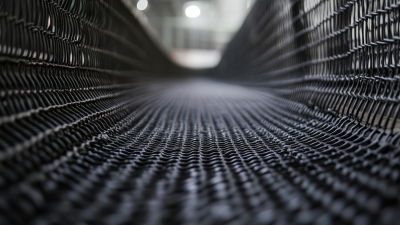
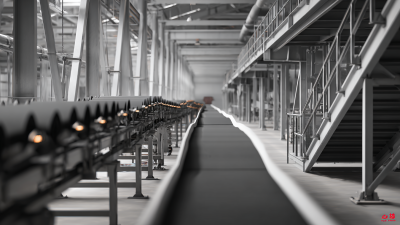
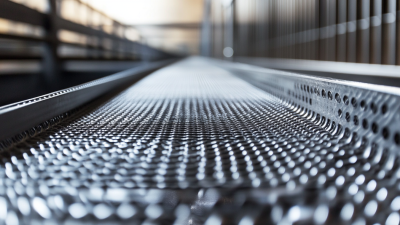
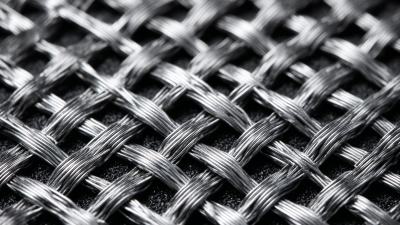
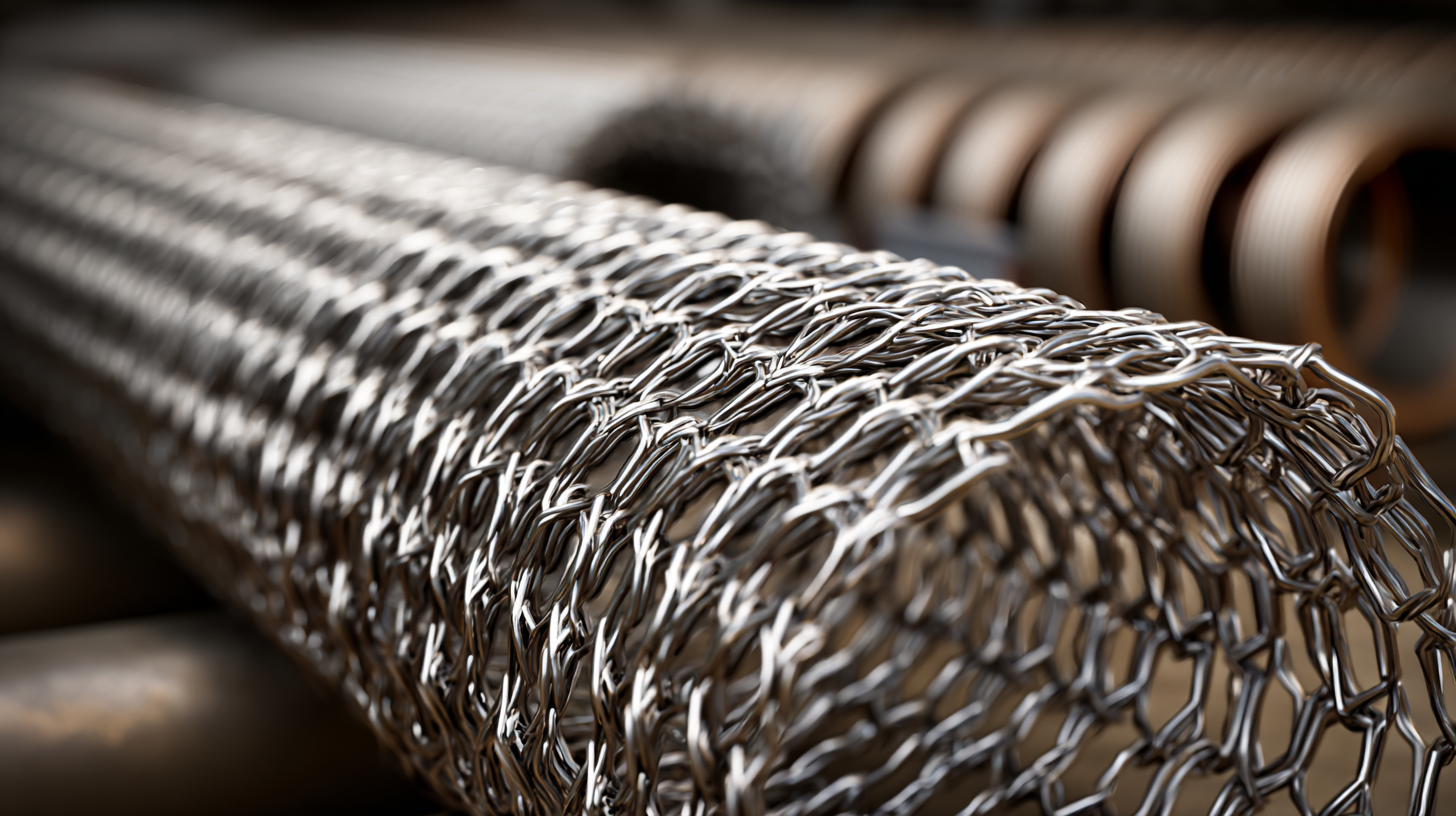
In today’s interconnected world, there’s been a real boom in the demand for quality wire mesh belts across all kinds of industries. This shift is all about businesses seeking smarter, more reliable ways to boost their manufacturing processes. A recent market report even suggests that the wire mesh belt sector is set to grow at a rate of 5.6% from 2021 to 2026. This growth is largely thanks to more and more automated systems showing up in places like food processing, pharmaceuticals, and logistics. Just look at JIANGSU HUADA METAL MESH BELT CO., LTD. – they're actually a trailblazer in China’s Metal Conveyor belt scene! They’re supplying precision-engineered wire mesh belts and chain-driven systems to over 20 countries on five different continents. With their ISO 9001 and CE certifications, you know they’re serious about keeping up with international quality standards. HUADA is all about providing dependable solutions that help businesses run more efficiently on a global scale. If industries really understand the perks of various wire mesh belts, they can make smarter choices to amp up productivity and keep ahead of the competition.
Understanding Wire Mesh Belts: Types and Applications in Various Industries
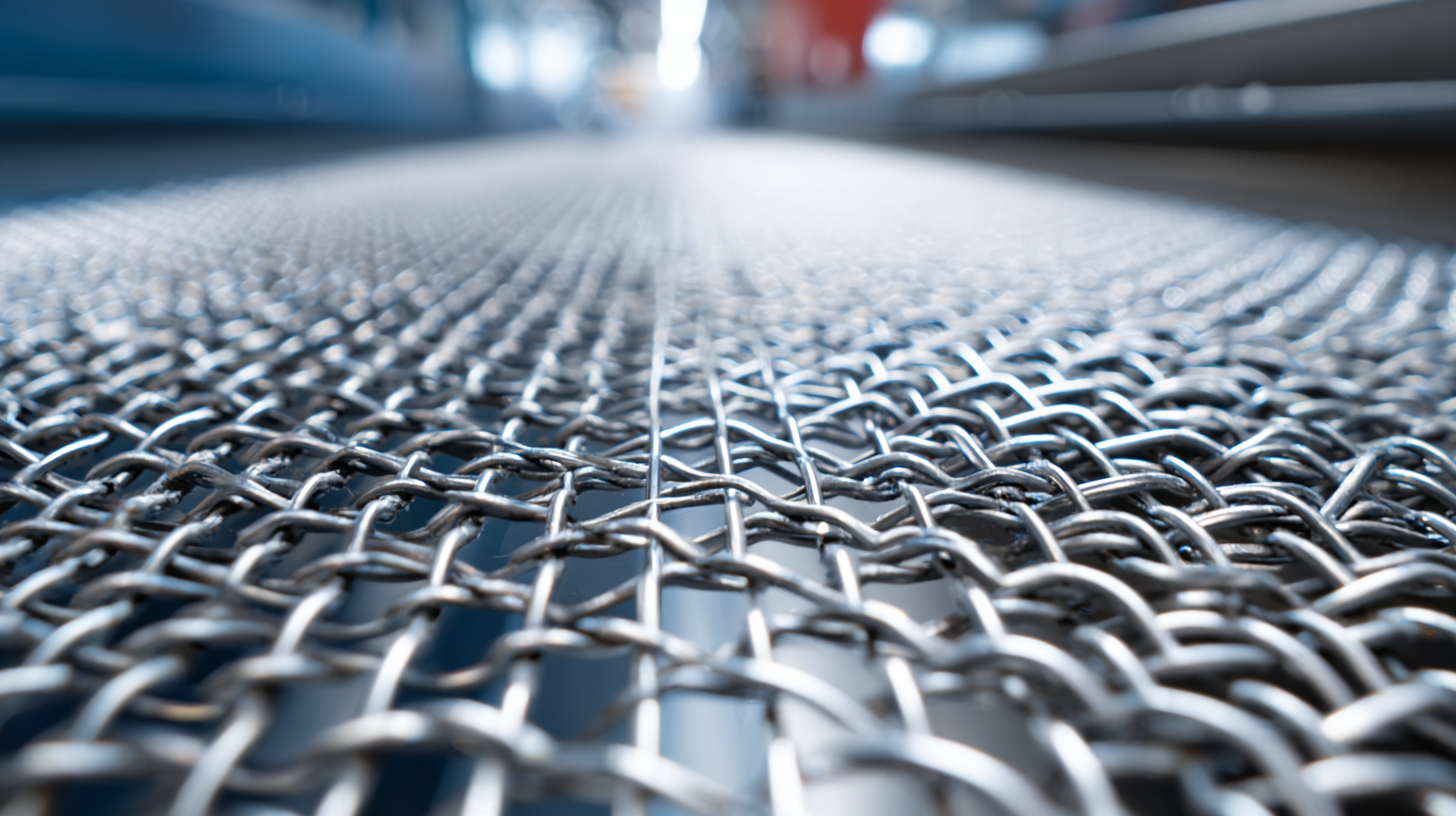
You know, wire mesh belts really play a crucial role in a lot of different industries. They're super versatile and built to last, which makes them perfect for moving materials around. It’s pretty important to grasp the types of wire mesh belts out there if you want to pick the right one for your specific needs. The most common kinds you’ll come across are plain steel, stainless steel, and plastic wire mesh belts. Each of these has its own flair and is designed for specific uses. Like, take stainless Steel Belts—they're known for resisting corrosion and handling high temperatures like a champ, so they work great in food processing and chemical sectors. On the flip side, plain steel belts are a budget-friendly option, but typically, they’re more suited for lighter loads and cooler environments.
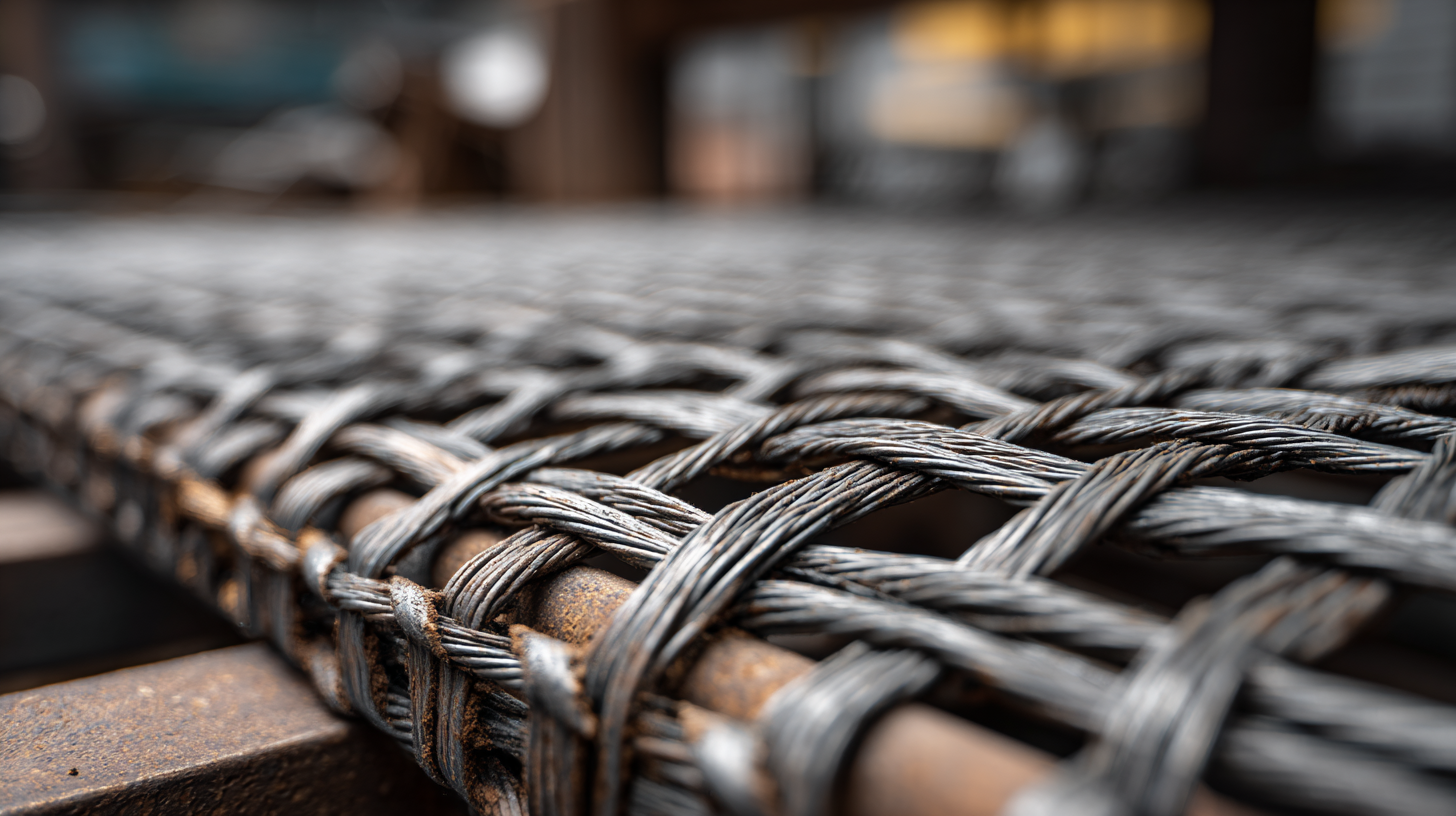
Now, wire mesh belts aren’t just for the food industry, either. In the automotive world, they really shine by efficiently transporting parts during assembly lines. Their design allows for great airflow and drainage, which comes in handy, especially when you’re washing and drying things. Plus, in fields like pharmaceuticals and electronics, these belts offer the precision and reliability you need to handle delicate items without a hitch. So, by getting a good grip on the different types of wire mesh belts and their uses, businesses can make smart choices when sourcing the best one that fits their operations.
Key Factors to Consider When Sourcing Quality Wire Mesh Belt Suppliers
So, when you’re on the lookout for quality wire mesh belts, the first thing you really want to think about is the reputation and experience of the supplier. You know, a solid supplier will have a track record that speaks for itself when it comes to durable and reliable products. It really helps to check out customer reviews and case studies; they can give you some great insights into how well they perform and what their customer service is like. Plus, if you can find suppliers who are ISO certified, that’s a big thumbs-up! It means they’re serious about keeping their quality standards high.
Now, another thing you shouldn’t overlook is how flexible a supplier is when it comes to customization. Different industries have their own unique needs for wire mesh belts—think about materials, sizes, and designs that fit just right. A supplier that offers customization can really make sure the belts match your exact operational needs. Oh, and do ask them about the materials they use! You want high-quality, corrosion-resistant stuff if you want those belts to last a long time—you don’t want to be replacing them every few months. It’s totally worth it to dig deeper and ask for detailed specifications and test results. This way, you’ll be making an informed choice that really caters to what you need.
Evaluating Supplier Credibility: Certifications and Customer Reviews
So, when you're looking for a wire mesh belt for your international projects, figuring out if your supplier is legit is super important if you want to make sure you're getting quality and reliability. Certifications can really help with that—they're a great sign that a supplier follows the industry rules and standards. You should definitely check if they have ISO certifications or ones specific to your field because that can show they take excellence and safety in their production seriously.
Oh, and don’t forget about customer reviews! They can really shed light on what a supplier is all about. Real feedback from other customers can give you a good clue about how the supplier performs, how durable their products are, and what their customer service is like. Pay extra attention to those reviews that talk about after-sales support or how well they stick to delivery schedules—those little things can really affect your operations.
Pro Tip: When you're assessing suppliers, it can be super helpful to whip up a checklist of certifications that matter to you, and give priority to suppliers who have a solid history. Also, think about chatting with their current customers for some real-life experiences—that's often where you learn things you can’t find in public reviews. And hey, don’t be shy about asking for samples! That way, you can see the product quality for yourself before you go all-in.
Cost-Effectiveness: Balancing Quality and Price in Your Sourcing Strategy
You know, when it comes to buying the best wire mesh belts, really nailing the cost-effectiveness is super important for businesses that are competing globally. With all the chaos in supply chains these days, thanks to market ups and downs, companies really need to find that sweet spot between quality and price if they want to keep things running smoothly. Interestingly, recent reports show that more than 70% of companies think supplier resilience is key. But here's the thing: a lot of them are changing up their game plans to boost efficiency while also keeping costs in check. If you look deeper into specific categories, you might even find some alternatives that traditional sourcing techniques could totally miss, which is pretty cool for making smarter decisions when buying.
Fast forward to 2025, and businesses are going to be hit with all sorts of pricing strategies that are tailored to their products. For example, using a value-based pricing strategy can make customers feel like they're getting more bang for their buck, while competitive pricing helps companies stay appealing in an overcrowded market. Plus, it's clear that good inventory management practices—where costs are balanced with keeping customers happy—are still crucial for long-term success in sourcing. So, businesses really need to think about their sourcing strategies as not just a way to tackle immediate price issues, but also as a means to build a strong and flexible supply chain that can roll with the punches when market conditions change.
Sustainability in Sourcing: Finding Eco-Friendly Wire Mesh Belt Options
You know, these days, sustainability is a must-have, not just some nice-to-have option, especially in global industries. When it comes to sourcing wire mesh belts, you really want to think about eco-friendly choices that can help cut down on environmental damage. That means picking materials that can be recycled and made using sustainable methods. Companies like JIANGSU HUADA METAL MESH BELT CO., LTD. are leading the charge in this area. They offer precision-engineered wire mesh belts that not only meet high-quality standards but also follow eco-friendly manufacturing processes. Their facilities are ISO 9001 and CE certified, showing they’re really committed to both quality and sustainability in making metal conveyor belts.
When you choose wire mesh belts made from sustainable materials, it can seriously cut down on waste and energy use in your operations. Thanks to Huada's expertise and innovative spirit, industries can find solutions that help them meet their sustainability goals without sacrificing efficiency and productivity. As companies all over the globe try to boost their green credentials, teaming up with manufacturers who care about sustainable sourcing is a smart move for long-term environmental benefits. By focusing on eco-friendly options, not only can businesses help create a healthier planet, but they can also score a competitive edge in a market that’s more eco-conscious than ever.
Tips for Building Long-Term Relationships with Wire Mesh Belt Suppliers
You know, forming solid, long-lasting relationships with your wire mesh belt suppliers is super important, especially if you’re in the global industry and want to keep things running smoothly and cut down on those costs. A big part of making that happen is all about communicating effectively. Make sure you’re really clear about what you need, the timelines you’re working with, and what your expectations are. It might be a good idea to have regular check-ins—those can really help keep things transparent and build that trust over time.
Another tip that’s worth considering is to spend some time getting to know what your suppliers can and can't do. Understanding their capabilities and limits will really help when you’re trying to collaborate, especially for those custom solutions that are tailored to specific needs. Plus, if you can, go to industry trade shows or workshops! Meeting suppliers in person can really take your partnership to the next level.
And hey, don’t forget to be generous with your feedback and show appreciation for the effort your suppliers put in. That can really strengthen your collaboration and motivate them to meet your needs more effectively. Celebrating those milestones and successes together? That’s what creates a sense of teamwork that both sides can benefit from down the road.
Your Ultimate Guide to Sourcing the Best Wire Mesh Belt for Global Industries
| Supplier Type | Material Type | Industry Applications | Lead Time | Minimum Order Quantity |
| Manufacturer | Stainless Steel | Food Processing | 4-6 Weeks | 50 Units |
| Distributor | Plastic | Packaging | 2-4 Weeks | 100 Units |
| Wholesaler | Aluminum | Automotive | 3-5 Weeks | 75 Units |
| Online Supplier | Carbon Steel | Mining | 1-3 Weeks | 20 Units |
FAQS
: The most common types of wire mesh belts include plain steel, stainless steel, and plastic wire mesh belts, each designed for distinct operational requirements.
Stainless steel belts are known for their resistance to corrosion and high temperatures, making them ideal for food processing and chemical industries.
Wire mesh belts are used in various industries, including food processing, automotive, pharmaceuticals, and electronics, for transporting materials efficiently.
It's important to check for certifications such as ISO, customer reviews, and the supplier's track record regarding product durability and customer service.
Genuine feedback from previous clients can provide valuable insights into the supplier's performance, including product quality, after-sales support, and delivery timelines.
Companies should balance quality and price by implementing strategies like value-based pricing, competitive pricing, and effective inventory management practices to meet customer satisfaction while maintaining costs.
Requesting samples allows businesses to perform a hands-on evaluation of product quality before committing to larger orders, ensuring they make informed purchasing decisions.
Market volatility prompts companies to adapt their sourcing strategies to enhance efficiency while maintaining a focus on cost-effectiveness and supplier resilience.
When creating a checklist, prioritize relevant certifications, proven track records, and the ability to provide quality after-sales support.
Supplier resilience is essential as it allows businesses to maintain operational efficiency and adapt to changing market conditions, ensuring a reliable supply chain.