In today's highly competitive manufacturing landscape, the importance of reliable and high-quality components cannot be overstated. At JIANGSU HUADA METAL MESH BELT CO., LTD., we take pride in being China's leading manufacturer of Industrial Wire Mesh Belts, delivering unparalleled precision-engineered solutions tailored to meet the needs of diverse industries. Our innovative wire mesh belts and chain-driven systems are designed with the highest standards, supported by our ISO 9001 and CE certified production facilities. Trusted by clients in over 20 countries across five continents, our products embody quality and durability, ensuring that your operations run smoothly and efficiently. As we explore the various solutions for industrial applications, let us delve into the unmatched quality and reliability that make our Industrial Wire Mesh Belts the preferred choice for businesses worldwide.
Common Issues with Industrial Wire Mesh Belts and How to Overcome Them
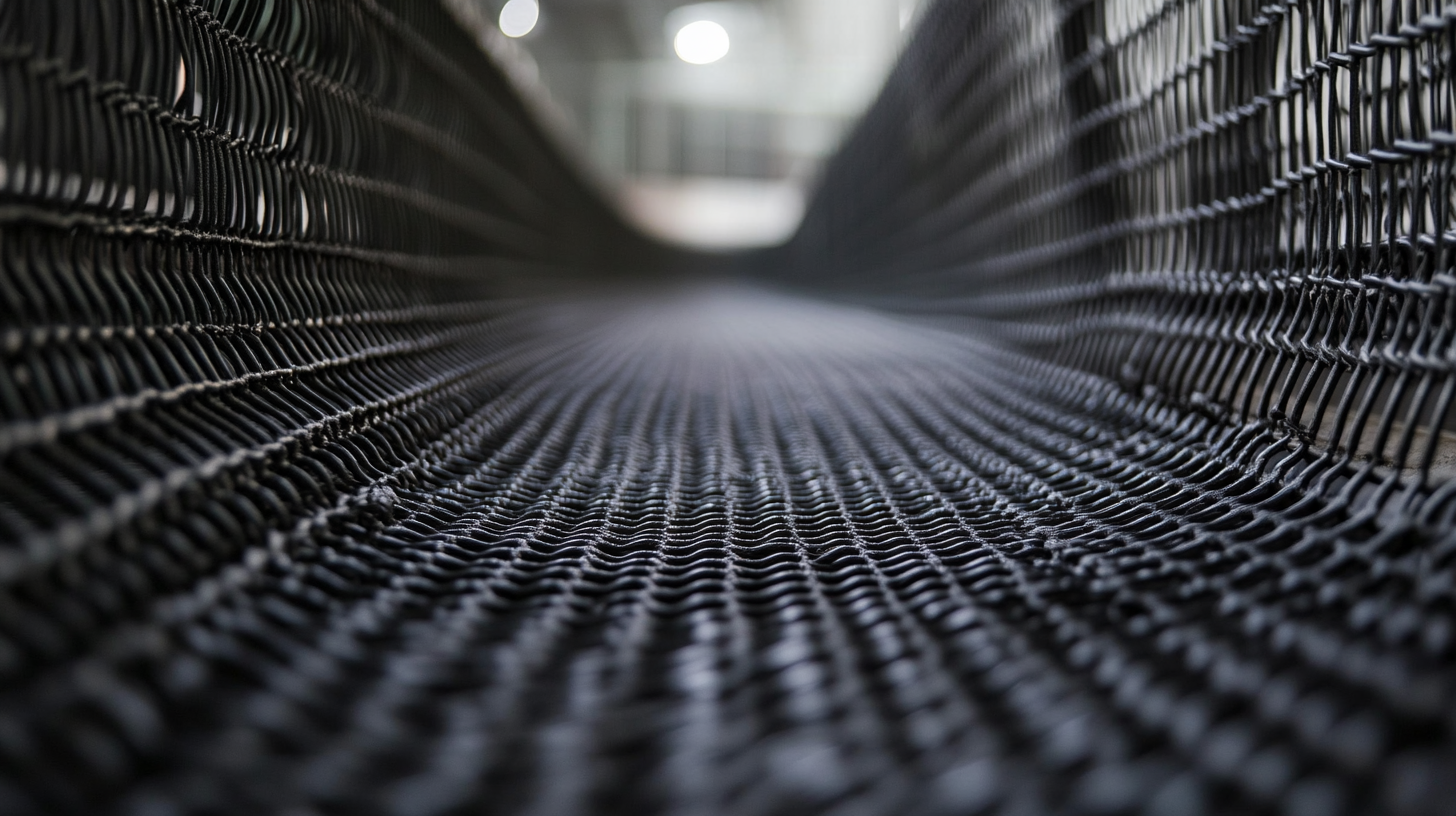
Industrial Wire Mesh belts are essential in various applications, but they often face common issues that can impede production efficiency. One prevalent problem isbelt alignment. Misalignment can lead to uneven wear and tear, thereby shortening the belt's lifespan. To overcome this, regular inspections should be conducted to ensure that the belts are properly aligned and tensioned. Utilizing alignment guides during installation can also help maintain consistency and reduce the likelihood of future misalignment.
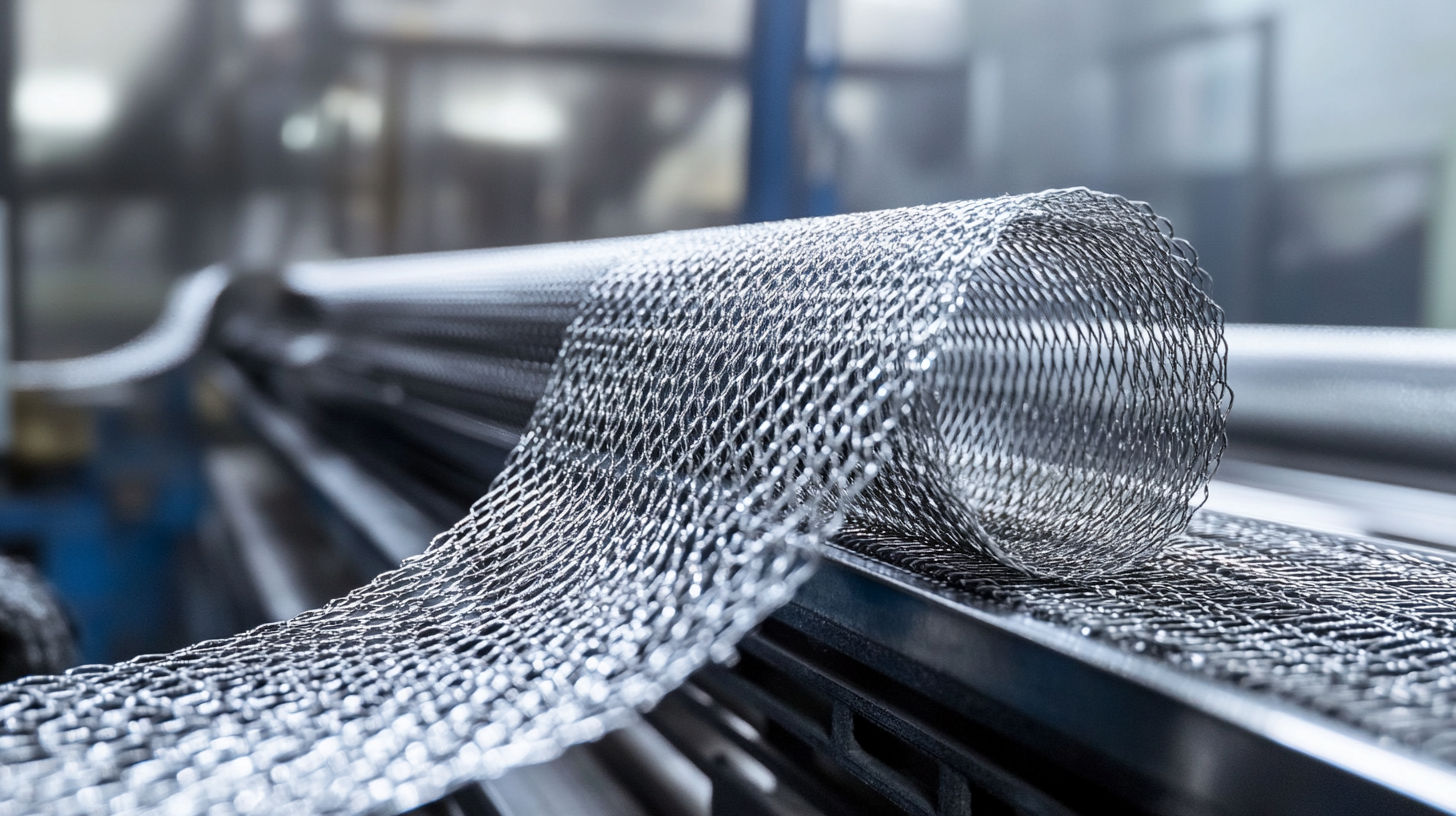
Another frequent challenge is the buildup of debris and contaminants on the wire mesh surface. This can cause blockages, affect product quality, and lead to downtime. To address this issue, it is crucial to implement a routine cleaning protocol. Using high-pressure water jets or specialized brushes can effectively dislodge debris without damaging the belts. Additionally, selecting the right type of wire mesh with anti-adhesive properties can minimize buildup and facilitate easier cleaning, allowing for uninterrupted operation and maximum productivity in manufacturing processes.
Understanding the Durability Challenges of Wire Mesh Belts in Harsh Environments
Wire mesh belts play a critical role in various industrial applications, especially in environments that present substantial durability challenges. According to a recent report from the International Journal of Industrial Engineering, approximately 20% of wire mesh belts fail prematurely due to harsh operational conditions such as extreme temperatures, corrosive substances, and heavy wear and tear. These conditions necessitate a robust manufacturing process and high-quality materials to ensure longevity and reliability.
A leading manufacturer in China has recognized these challenges and invested significantly in advanced materials and technology to enhance the durability of their wire mesh belts. For instance, using stainless steel or specialized coatings can improve resistance to corrosion and high temperatures, which is essential in industries like food processing and mining. Furthermore, industry data suggests that companies that employ high-quality wire mesh belts experience up to a 30% reduction in maintenance costs, highlighting the importance of investing in superior products to mitigate durability challenges.
Durability of Industrial Wire Mesh Belts in Harsh Environments
Factors Affecting the Performance of Wire Mesh Belts: A Deep Dive
Wire mesh belts are crucial components in various industrial applications, particularly in manufacturing and food processing sectors. The performance of these belts can be influenced by several factors, including material composition, design specifications, and operational conditions. Recent studies indicate that the efficiency of manufacturing systems utilizing wire mesh belts can impact overall production yields significantly. For instance, adjustments in belt tension can lead to a 10-15% increase in material handling efficiency, optimizing throughput.
Additionally, in examining global supply chains, particularly those involved in the “Belt and Road” Initiative, the export growth of industrial products, including wire mesh belts, is heavily influenced by regional manufacturing capacities. A report highlights that countries along this initiative are increasingly focusing on enhancing their industrial performance metrics. The analysis of 58 nations indicated that those with optimized energy efficiencies in manufacturing, employing advanced materials like high-tensile wires in their belt production, tend to achieve better economic outcomes and mitigate environmental impacts. As the demand for high-quality industrial wire mesh belts rises worldwide, understanding these performance-affecting factors becomes essential for manufacturers aiming to maintain competitiveness in the global market.
Maintenance Mistakes that Lead to Wire Mesh Belt Failures
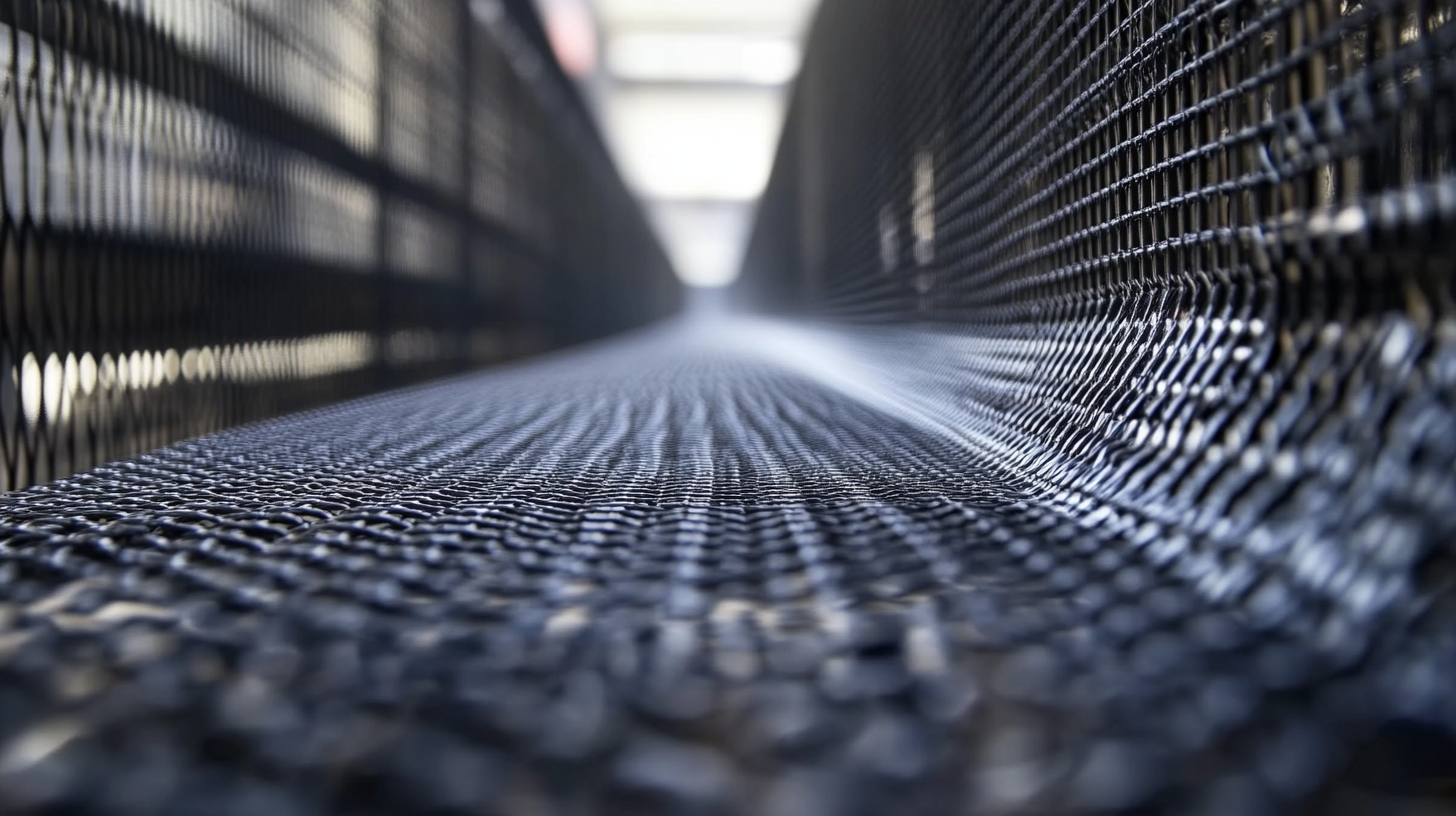
Maintaining wire mesh belts is crucial for ensuring their longevity and performance in industrial applications. Unfortunately, many operators neglect proper maintenance practices, leading to premature failures. According to a report from the International Journal of Engineering Research and Applications, approximately 30% of wire mesh belt failures can be traced back to inadequate maintenance protocols. Common mistakes include failing to lubricate the belts regularly, allowing debris to accumulate, and ignoring misalignment issues. These oversights create excessive wear on the belts, drastically reducing their lifespan and efficiency.
Additionally, improper cleaning techniques can also contribute to wire mesh belt failures. The Industrial Fabric Association International (IFAI) noted that using harsh chemicals or abrasive scrubbing can damage the mesh, leading to costly repairs or replacements. Regular inspection and a comprehensive maintenance schedule can mitigate these risks. By addressing these common maintenance mistakes and following professional guidelines, companies can enhance the operational efficiency of their wire mesh belts and avoid significant downtime in their production processes.
Innovative Solutions to Common Wire Mesh Belt Problems
When it comes to industrial applications, wire mesh belts are integral to ensuring efficiency and reliability. However, common issues such as wear and tear, misalignment, and poor cleaning can impede their performance. Fortunately, our leading solutions tackle these challenges head-on, ensuring longevity and optimized operation.
One key tip for maintaining wire mesh belts is to regularly inspect for wear. Keeping an eye on the condition of the belts allows for timely replacements before more significant issues arise. Additionally, ensuring proper alignment during installation and operation minimizes the risk of misalignment, which can cause extra strain and premature degradation.
Another common problem is cleaning, as build-up can severely affect performance. A good practice is to establish a cleaning routine using appropriate cleaning agents that do not corrode the materials. Using a combination of high-pressure air and brushes can effectively maintain the mesh's integrity, reducing downtime and enhancing overall productivity. With these innovative solutions, industries can trust our wire mesh belts to perform reliably in various applications.
Unmatched Quality Industrial Wire Mesh Belts
| Feature | Specification | Application Area | Common Issues | Innovative Solutions |
| Durability | High tensile strength steel | Food Processing | Corrosion | Corrosion-resistant coatings |
| Flexibility | Customizable mesh sizes | Manufacturing | Belt misalignment | Adjustable tracking systems |
| Heat Resistance | Temperature-rated materials | Plastic Production | Deformation | Heat-resistant designs |
| Ease of Cleaning | Smooth surface finish | Pharmaceuticals | Hygiene issues | Quick-disassembly features |
Comparative Analysis: Wire Mesh Belts vs. Traditional Conveyor Belts
When it comes to material handling and processing, wire mesh belts and traditional conveyor belts serve distinct functions, each offering unique advantages suited for specific applications. Wire mesh belts, primarily constructed from stainless steel or other durable materials, excel in environments requiring high airflow, temperatures, and easy cleaning. Their open design allows for excellent drainage and cooling, making them an ideal choice for industries like food processing, where hygiene and efficiency are paramount.
On the other hand, traditional conveyor belts, often made from rubber or fabric, provide a smooth, continuous surface that is well-suited for transporting various materials. While they can accommodate heavy loads with ease, they may struggle in conditions that require frequent cleaning or exposure to extreme temperatures. Additionally, maintenance can be more challenging due to the solid surfaces that trap dirt and debris.
The choice between the two ultimately depends on the specific needs of the operation, but the versatility and high-quality performance of wire mesh belts from leading manufacturers in China are making them increasingly popular on a global scale.
FAQS
: Approximately 20% of wire mesh belts fail prematurely due to harsh operational conditions such as extreme temperatures, corrosive substances, and heavy wear and tear.
Using high-quality materials such as stainless steel or specialized coatings can enhance resistance to corrosion and high temperatures, improving durability in challenging environments.
Companies that employ high-quality wire mesh belts experience up to a 30% reduction in maintenance costs, emphasizing the importance of investing in superior products.
Common mistakes include failing to lubricate belts regularly, allowing debris accumulation, ignoring misalignment issues, and using improper cleaning techniques.
Regular inspections help identify wear and allow for timely replacements, preventing more significant issues that could lead to equipment failure.
Harsh chemicals and abrasive scrubbing should be avoided, as they can damage the mesh and lead to costly repairs or replacements.
Establishing a cleaning routine using appropriate cleaning agents, along with a combination of high-pressure air and brushes, can effectively maintain the mesh's integrity.
Proper alignment minimizes the risk of misalignment, which can cause extra strain on the belts and lead to premature degradation.
Approximately 30% of wire mesh belt failures can be traced back to inadequate maintenance protocols.
By addressing common maintenance mistakes and following professional guidelines, industries can enhance operational efficiency and reduce significant downtime.