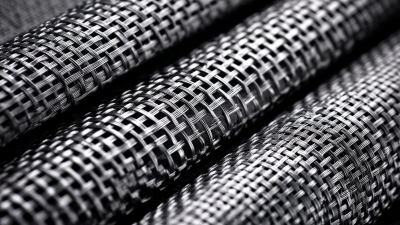
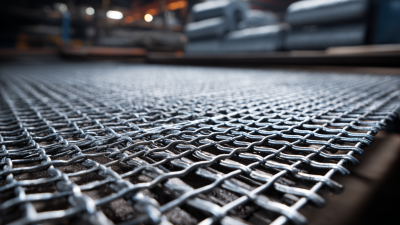
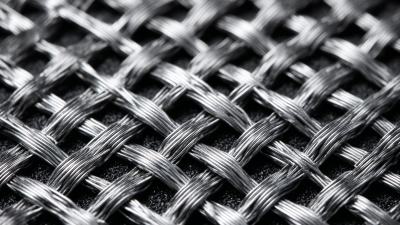
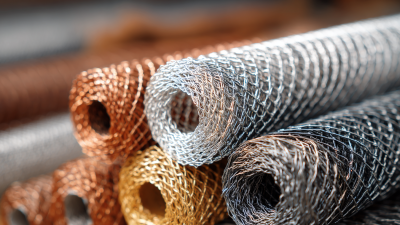
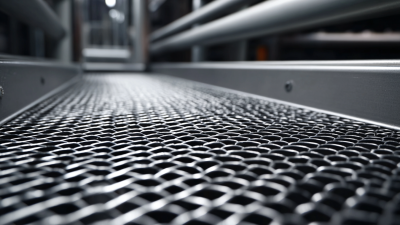
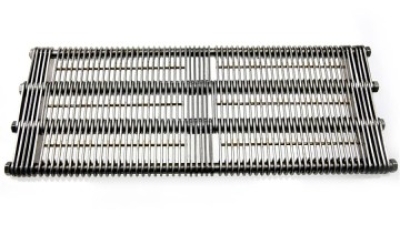
When it comes to home gardening, you’ll quickly realize just how useful Wire Mesh Net can be. Although it's mainly known for its industrial uses, many gardening fans have started to swear by it because it’s so practical and versatile. Whether you're building protective cages for your plants, supporting climbing vines, or giving structure to your raised beds, this mesh honestly becomes a go-to tool for creating a healthy, thriving garden.
Here at JIANGSU HUADA METAL MESH BELT CO., LTD., we're the top manufacturer of Metal Conveyor belts in China, and we've really jumped on the home gardening bandwagon. We offer high-quality wire mesh solutions, specially designed for gardening purposes. Our precision-engineered wire mesh belts and chain-driven systems have gone out to over 20 countries on five continents — pretty impressive, right? Plus, with our ISO 9001 and CE certifications, you can trust that our products aren’t just reliable but also meet high standards of quality. We’re passionate about helping gardeners create beautiful, functional outdoor spaces that last.
In this article, we’ll explore the many ways you can use Wire Mesh Net in your garden — from the benefits it offers to some straightforward practical tips that are perfect whether you're just starting out or you’ve been gardening for years. So, join us, and let's see how this versatile material can totally up your gardening game, making it more productive and enjoyable every step of the way.
The Benefits of Using Wire Mesh Net in Vegetable Gardens
Incorporating wire mesh net into vegetable gardens presents numerous benefits that can significantly enhance gardening efficiency and crop yield. According to a report by the American Society for Horticultural Science, using wire mesh can increase vegetable production by up to 20% by improving air circulation and sunlight exposure while also providing essential support for climbing plants. This not only leads to healthier plants but also maximizes the use of vertical space, allowing gardeners to grow more in smaller areas.
Another important advantage of wire mesh is its role in pest management. Research from the National Gardening Association suggests that gardens protected with wire mesh barriers experience a 30% reduction in pest-related damage. This mesh acts as a physical barrier to deter birds, rabbits, and other pests without the need for harmful pesticides, making it an eco-friendly solution for sustainable gardening.
Tips for using wire mesh effectively include ensuring that the mesh is tightly secured to prevent small animals from squeezing through and using it to create trellises for vining crops like tomatoes and cucumbers. Additionally, consider layering the wire mesh with other natural materials, such as straw or leaves, to boost insulation and provide additional habitat for beneficial insects, effectively promoting a healthier garden ecosystem.
The Versatile Uses of Wire Mesh Net in Home Gardening Projects
Creative Ways to Use Wire Mesh Net for Plant Support
Wire mesh nets are a fantastic resource for supporting climbing plants in your garden. Many gardeners are looking for ways to elevate their garden aesthetics without incurring heavy costs. According to a recent analysis, budget-friendly trellis ideas can significantly enhance the growth of climbing plants like roses, clematis, and wisteria, allowing them to thrive when given the right structure to navigate. The versatility of wire mesh nets makes them ideal for creating custom support systems that conform to the specific needs of different plants.
Tips for using wire mesh nets effectively include securing them both vertically and horizontally around your plants to provide multiple points of support. This technique prevents the plant from collapsing under its own weight and encourages better air circulation. Additionally, consider integrating other materials such as bamboo stakes or untreated wood for a more robust support structure, especially for heavier climbers.
Incorporating wire mesh into your design can also serve additional purposes beyond plant support. It's an eco-friendly option that not only keeps your garden organized but can also function as a protective barrier, helping to deter unwanted garden pests, like cats. With careful planning and creativity, wire mesh nets can transform your gardening experience while fostering healthy plant growth.
The Versatile Uses of Wire Mesh Net in Home Gardening Projects - Creative Ways to Use Wire Mesh Net for Plant Support
| Use Case | Description | Benefits | Suitable Plants |
| Support for Climbing Plants | Wire mesh can be used to create trellises for vines and climbing plants. | Provides stability and allows plants to grow upward, maximizing space. | Tomatoes, peas, cucumbers |
| Plant Protection | Use wire mesh to protect young plants from pests and animals. | Reduces damage from birds and small mammals. | Seedlings, garden beds |
| Vertical Garden Structure | Create a vertical garden by attaching the mesh to a wall or fence. | Saves space and adds aesthetic appeal to gardens. | Herbs, trailing flowers |
| Compost Bin | Use wire mesh to create a compost bin for organic waste. | Allows for airflow while keeping materials contained. | N/A |
| Hanging Planters | Use wire mesh to create hanging baskets for plants. | Improves drainage and can enhance vertical gardening. | Ferns, succulents |
Wire Mesh Net as a Soil Erosion Prevention Tool
Wire mesh nets play a crucial role in preventing soil erosion, particularly in home gardening projects. This innovative material acts as a protective barrier, holding soil in place while allowing water and air to penetrate, which is essential for plant health. According to a recent report, nearly 75% of global land is at risk of soil degradation due to factors like heavy rainfall and poor land management. By incorporating wire mesh nets into landscaping designs, homeowners can effectively mitigate these risks, ensuring their gardens remain resilient in the face of climate change.
The application of wire mesh nets is not just limited to gardening; it reflects a broader trend in bioengineering solutions for environmental challenges. For instance, recent interventions in regions affected by flooding, such as the Himalayan road saved from collapse, underline the urgency of addressing soil erosion using innovative materials. With the threat of landslides increasing due to climate change, as predicted by global risk models, utilizing wire mesh as a soil erosion prevention tool becomes increasingly vital. At JIANGSU HUADA METAL MESH BELT CO., LTD., we prioritize delivering precision-engineered wire mesh products that support sustainable gardening practices and protect critical landscapes.
Protecting Your Garden: Wire Mesh Against Pests and Animals
Wire mesh netting is an invaluable tool for home gardeners looking to protect their plants from pests and animals. Its versatility allows it to be used in various applications, such as creating protective barriers around vegetable patches, flower beds, and seedling trays. With the right gauge and size, wire mesh can effectively deter common garden nuisances, including rabbits, deer, and even birds. By enclosing vulnerable areas, gardeners not only safeguard their crops but also promote healthier growth by reducing the risk of disease caused by pest infestations.
In addition to its protective qualities, wire mesh netting can also aid in the organization of garden spaces. For instance, it can be fashioned into trellises for climbing plants, helping them to grow upwards and maximizing limited garden space. Moreover, using wire mesh can prevent unwanted digging and trampling, creating a controlled environment that optimizes sunlight and air circulation. Overall, the implementation of wire mesh in home gardening projects not only enhances the aesthetic appeal of a garden but also contributes significantly to its long-term productivity.
Innovative Trellis Designs with Wire Mesh for Climbing Plants
Wire mesh netting has emerged as a popular choice for gardeners looking to create innovative trellis designs for climbing plants. Its flexible nature allows for endless possibilities in shaping and supporting vines, making it an essential tool in vertical gardening. By strategically positioning wire mesh, gardeners can construct trellises that not only support the plant's growth but also enhance the garden's aesthetic appeal. The open structure of the mesh ensures that sunlight and air can permeate, which is crucial for the health and vigor of climbing plants.
One creative application is designing arched trellises or freestanding structures that can serve as beautiful focal points in the garden. These trellises can be wrapped in twine or adorned with lights, bringing charm and functionality to outdoor spaces. Additionally, wire mesh can be used to create wall-mounted vertical gardens, maximizing space in small areas by allowing plants to grow upward. By using this versatile material, gardeners can experiment with different shapes and configurations, transforming their gardening experience and creating flourishing green walls that draw the eye and encourage biodiversity.
Seasonal Uses of Wire Mesh Net in Home Gardening Projects
In home gardening, wire mesh netting serves a multitude of seasonal purposes, enhancing the health and productivity of gardens year-round. During spring, gardeners often employ wire mesh to create protective barriers for young plants. According to a report by the National Gardening Association, more than 35% of home gardeners use mesh netting to shield seedlings from pests such as birds and small mammals. This early intervention not only boosts plant survival rates but also minimizes the need for pesticides, contributing to sustainable gardening practices.
As the seasons shift into summer, wire mesh can be reconfigured for use as trellising. Vertical gardening is gaining traction, with studies showing that utilizing vertical space can increase plant yield by up to 30%. Gardeners use wire mesh to support climbing plants like beans and cucumbers, allowing for better air circulation and sun exposure. This technique not only maximizes space but also helps in managing plant diseases by reducing ground contact. With the fluctuating climates and varying challenges, wire mesh continues to prove its versatility and effectiveness in home gardening projects across different seasons.
Exploring the Growth of Fashion Accessories: The Role of Wire Ring Belts in the Global Market Expansion
The global fashion accessories market has seen a significant transformation, with wire ring belts emerging as a pivotal component in various sectors, notably beverage production. These belts, renowned for their durability and versatility, play an essential role in ensuring efficient operations in high-demand environments. According to a report by Markets and Markets, the global conveyor system market is projected to grow from USD 7.98 billion in 2020 to USD 9.87 billion by 2025. This growth can be attributed to the increasing automation in industries, including food and beverage, where wire ring belts such as the 316L Stainless Steel Wire Ring Belt are critical for bottle washing processes.
Moreover, the adaptability of wire ring conveyors extends to applications like brewery bottling lines and can cleaning, driven by a push towards hygiene and efficiency. Products like the Anti-Corrosion Wire Ring Belt are designed specifically for the brewing industry, addressing the challenges posed by high-pressure washdown environments. The EHEDG certified CIP-Ready Beverage Conveyor Belt further enhances operational reliability in cleaning-in-place systems, which is essential for maintaining food safety standards. Industry reports indicate that the food-grade wire ring mesh for can and bottle cleaning is gaining traction, reinforcing the importance of these products in sustaining the rapid expansion of global markets focused on health and safety compliance.
As the demand for low-maintenance solutions increases, products such as the Quick-Drain Wire Ring Conveyor for bottle drying are becoming increasingly popular. The custom-diameter options available for spiral rinsers exemplify the tailored solutions that the market is adapting to meet specific industry needs. Furthermore, the growth in non-toxic wire ring belts that comply with FDA regulations reflects a broader trend towards safe and sustainable manufacturing practices. The influence of these innovative products is evident as they propel the fashion accessories market forward, weaving a narrative of functionality and style that resonates across consumer segments.
FAQS
: Wire mesh netting is used to protect plants from pests and animals by creating barriers around vegetable patches, flower beds, and seedling trays.
By safeguarding crops from pests, wire mesh reduces the risk of diseases caused by infestations, which in turn promotes healthier growth.
Yes, wire mesh can be fashioned into trellises for climbing plants, helping them grow upwards and maximizing limited garden space.
Wire mesh provides support for vines, enhances the garden’s aesthetic appeal, and allows sunlight and air to circulate, which is essential for plant health.
Gardeners can create arched trellises, freestanding structures, and wall-mounted vertical gardens, all of which maximize space and add charm to outdoor areas.
The flexible nature of wire mesh allows gardeners to experiment with various shapes and configurations for innovative garden designs.
By allowing for the creation of green walls and vertical gardens, wire mesh encourages diverse plant growth and can attract various pollinators.
Yes, wire mesh can deter animals from digging and trampling on garden plants, creating a controlled and protected environment.
Gardeners should consider the gauge and size of the wire mesh to effectively deter specific pests and fit the intended application in their garden.
Wire mesh can be integrated into unique designs such as trellises and decorative structures, adding visual interest and charm to outdoor spaces.
Conclusion
Wire Mesh Net is an incredibly versatile tool for home gardening projects, offering numerous benefits such as enhancing vegetable gardens through effective plant support and soil erosion prevention. Its creative applications range from protecting gardens against pests and animals to serving as an innovative trellis for climbing plants. Additionally, Wire Mesh Net can be adapted for seasonal gardening needs, making it a must-have for gardeners looking to optimize their planting strategies.
At JIANGSU HUADA METAL MESH BELT CO., LTD., we pride ourselves on delivering high-quality wire mesh solutions that cater to diverse agricultural applications. As a leading manufacturer of metal conveyor belts, our ISO 9001 and CE certified facilities ensure the precision and reliability of our products, making them ideal for gardeners seeking durable and effective materials for their projects.