Leave Your Message
In today’s super fast-moving industrial world, the flexibility of Wire Belts has become more important than ever. They’re being used for all kinds of different stuff — way beyond just the usual applications. As the globe keeps demanding better, more reliable materials handling solutions, JIANGSU HUADA METAL MESH BELT CO., LTD. is really leading the charge. Being one of China’s first and biggest metal conveyor belt makers, they’re always pushing innovation forward. With super precise wire Mesh Belts and chain-driven systems, HUADA is proudly serving over 20 countries across five continents. And they stick to strict ISO 9001 and CE standards to ensure top quality. This article is all about exploring the many ways Wire Belts are changing industries — from food processing to aerospace — showcasing the kind of solutions that can even surprise you with what’s possible.
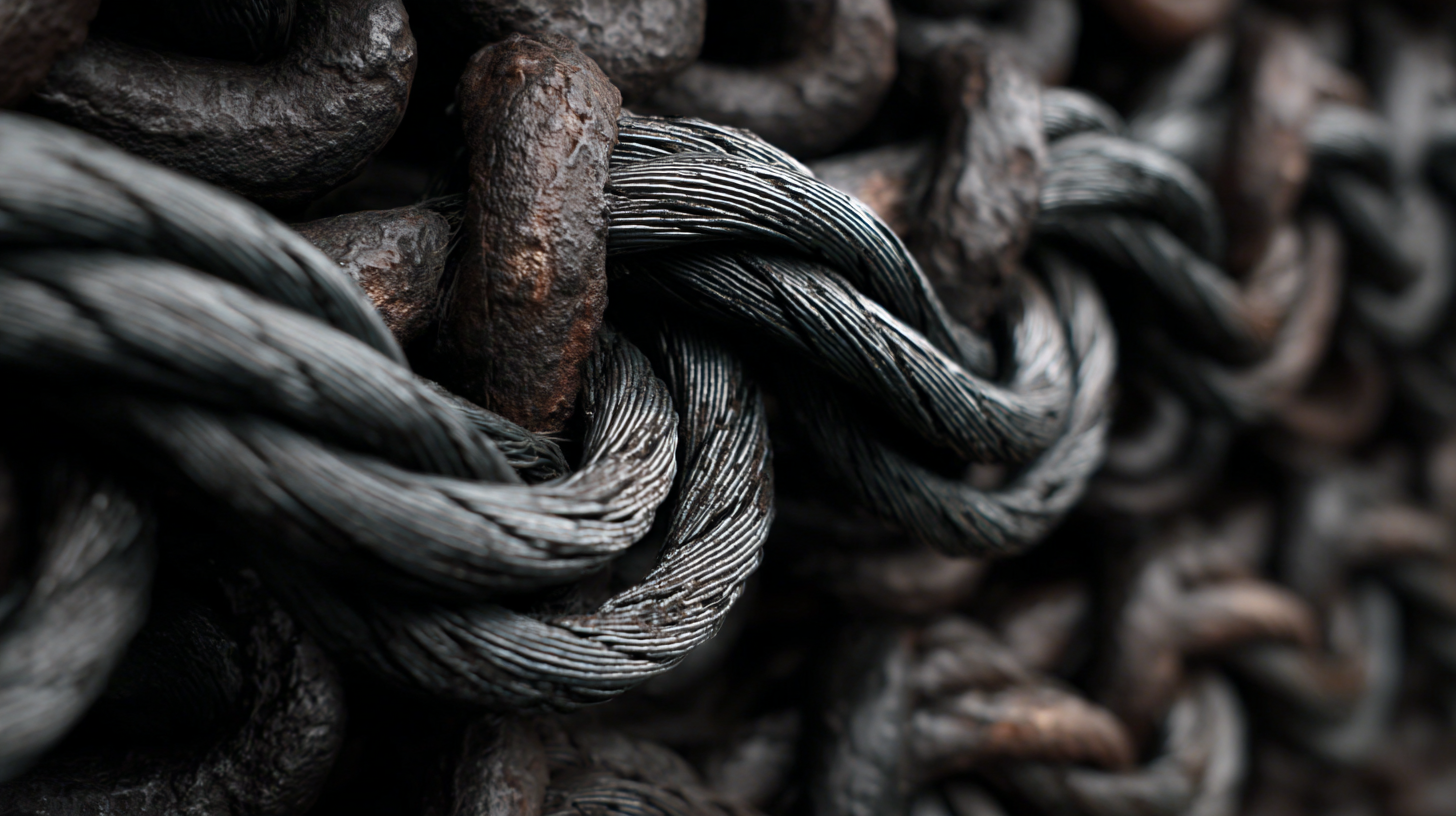
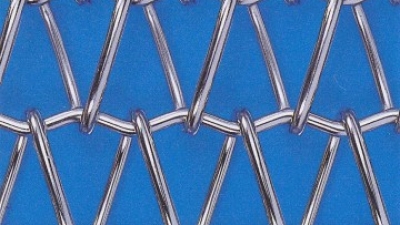
Wire belts are pretty much the go-to choice when it comes to strength and durability in a bunch of different industrial setups. Honestly, getting to know how they’re built really helps you understand just how versatile they can be. Most of these belts are made from materials like stainless steel or carbon steel—sometimes other alloys—and they come in all sorts of designs, like balanced weave, flat wire, or spiral wire. Each type is really suited for different jobs. For example, a report from the International Conveyor Belt Association back in 2022 mentioned that industries using wire belts saw efficiency jumps of up to 30%. That’s mainly because their lightweight, open structure makes it easier for air to flow through and for liquids to drain, which can really speed things up.
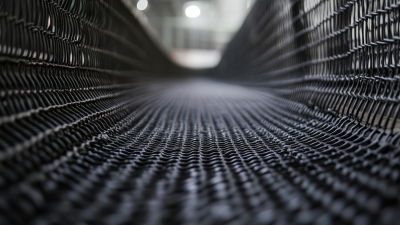
When you’re picking out a wire belt, don’t forget to think about more than just the material. The weave pattern is just as important. A tighter weave gives stronger support—great if you’re moving smaller items—while a looser one is better if you need more drainage, especially if liquids are involved.
Pro tip: It’s a good idea to chat with a wire belt expert before you buy, so you can get the right type and material that match your specific needs—that way, everything runs smoothly.
Also, don’t overlook regular maintenance. Taking the time to check for wear and tear, and making sure the tension’s right, can save you a ton of hassle down the line and keep costly downtimes at bay.
Another tip: Set up a maintenance schedule that includes inspecting joints and connections—you’ll thank yourself later when your system keeps running flawlessly.
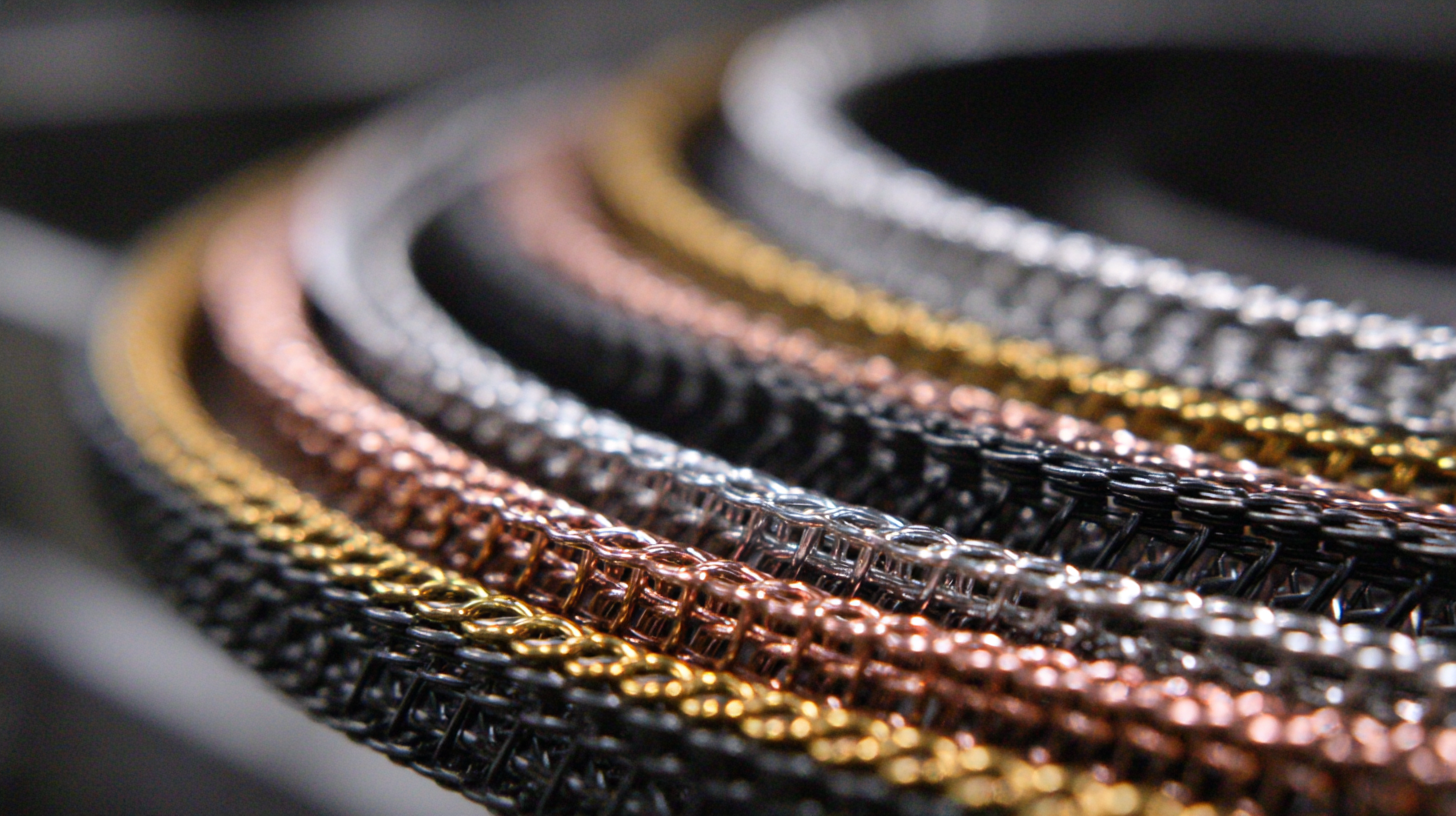
The Balance Weave Belt is quickly becoming a staple in both industrial and fashion contexts, showcasing a unique versatility that transcends conventional uses. It offers an attractive weave that not only fulfills functional requirements but also adds a stylish touch to any application. This belt style is particularly beneficial in settings that demand precision and reliability, evident in its use in high-speed sorting systems and heavy-duty conveyor processes. The balanced design ensures uniform load distribution, making it an ideal choice for industries that handle varied materials and components, from small parts to heavy items.
Moreover, the adaptability of the Balance Weave Belt extends to specialized environments, such as high-temperature settings and hygienic food-grade applications. The high-temperature balanced weave furnace belt ensures durability and performance under extreme conditions, while the food-grade variant guarantees safety in sanitary conveying tasks. Additionally, the corrosion-resistant options, including those crafted from 316L stainless steel, cater to environments that require resilience against harsh substances. With options like customizable pitch designs and zero-warp features for glass annealing, the Balance Weave Belt is a perfect blend of practicality and style that every wardrobe—or warehouse—can benefit from.
: You should consider the materials you will be working with, environmental conditions, load capacity, and the belt's design and surface type.
Stainless steel belts are ideal for food processing due to their durability and adherence to hygiene standards.
It is essential to take precise measurements of your conveyor system and consult with manufacturers for recommendations based on your operational needs.
Regular inspections, cleanliness, lubrication, and operating within specified load and speed limits are crucial for maintaining wire belts.
Regular inspections should be conducted to identify potential issues such as wear, misalignment, or loose connections.
Lubrication minimizes friction and reduces wear on moving components, enhancing efficiency and extending the operational life of the belts.
Operating outside of specified load limits can lead to premature wear or breakage of the wire belts.
Applications like conveying, cooling, or drying can benefit from specially designed wire belts with flat or raised surfaces.
Contaminants can lead to corrosion and negatively impact the belt’s performance over time, so keeping belts clean is essential.
It’s advisable to consult with manufacturers who can provide expert recommendations based on your specific operational needs.
Wire belts are pretty much the unsung heroes in many industries — they're known for being tough and versatile all at once. In this article, I want to take you through the basics of wire belts, including how they're built and some of the cool, innovative ways people are using them nowadays. You'll also get some tips on choosing the right wire belt to keep things running smoothly, tailored to your specific needs. Plus, I’ll share advice on maintaining them so they last longer, and even dive into some advanced customization options if you're working on specialized projects.
As a top manufacturer, JIANGSU HUADA METAL MESH BELT CO., LTD. really sets the bar when it comes to wire belts, offering precision solutions all over the world. With ISO 9001 and CE certifications, they make sure every product meets high standards, proving just how essential wire belts are in today’s manufacturing world.