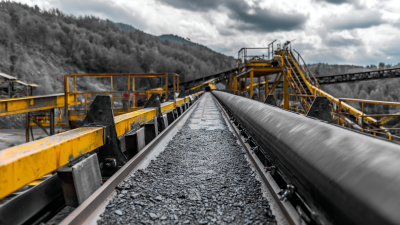
In today’s fast-paced and pretty competitive industrial world, picking the right materials isn’t something you can afford to overlook. When it comes to keeping things running smoothly and efficiently, having the right Industrial Belting can really make all the difference, you know? A lot of businesses tend to forget about the potential savings they could get from wholesale discounts, which can seriously impact their profits in a good way.
Industrial Belting isn’t just a small part of the process—it’s actually pretty central. It helps machines run without a hitch and can even boost overall productivity. But all too often, companies just stick with the standard, off-the-shelf options, missing out on solutions that are actually a much better fit for their specific needs. When selecting your belting, it’s really a balancing act—quality and cost should go hand in hand.
Getting the right wholesale discount Industrial Belting isn’t just about saving a few bucks—it’s also about reliability. Investing in top-quality materials can save you headaches down the line, like breakdowns and downtime. As everyone aims to push performance to the next level, it's important to make smart, informed choices—spontaneous buys rarely lead to the best results. Bottom line? Every choice you make matters when you're aiming for operational excellence.
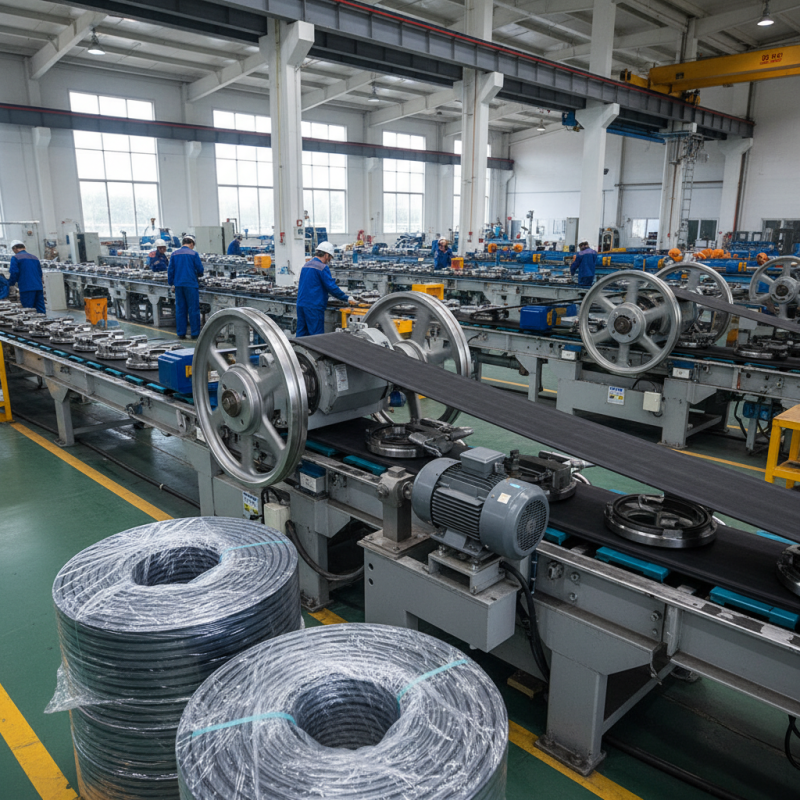
Understanding Wholesale Discount Industrial Belting in Business Applications
When exploring wholesale discount industrial belting, understanding its application in various business environments is crucial. Industrial belting serves multiple purposes, from conveying materials to minimizing downtime in manufacturing processes. According to recent market analyses, the demand for effective belting solutions is projected to grow by 5% annually, underscoring the importance of selecting the right products.
While looking for belting solutions, consider the specific needs of your operations. Different industries require different types of belts, such as those made from Industrial Meshmaterials, which offer unique benefits. For example, Industrial Mesh belts allow for greater airflow and drainage in food processing applications, making them preferable for hygiene compliance.
Tips:Always evaluate the durability of the Belting Material. Testing it under actual operating conditions can reveal if it meets your operational standards. Furthermore, bulk purchasing can significantly reduce costs, but ensure quality does not suffer.
The selection of wholesale discount options should reflect your business's long-term needs. Pay attention to maintenance requirements and potential replacements. Balancing cost and quality is often tricky, but worthwhile. Keep in mind that what seems cheap today may lead to more expenses later.
Key Benefits of Choosing Wholesale Options for Industrial Belting
When businesses choose wholesale discount industrial belting, they unlock several key advantages. Firstly, cost savings are often significant. Bulk purchasing reduces the unit price, making it easier to manage operating budgets. For industries relying on conveyor systems, these savings can add up quickly, allowing investments in other areas.
Moreover, choosing wholesale options often means better availability. Suppliers generally maintain larger inventories. This guarantees that businesses can find the specific types of belting they require without delays. However, it’s important to be cautious about quality. Not all wholesale suppliers offer the same standards. Researching various providers ensures you receive reliable products.
Another aspect to consider is supply chain reliability. Wholesalers can often deliver quickly, reducing downtime. However, businesses should critically assess their suppliers to ensure they meet delivery times. Balancing cost and quality requires careful thought. Overall, wholesale industrial belting can greatly benefit operations, but it demands informed decision-making.
Factors Affecting the Cost of Wholesale Industrial Belting
When considering wholesale industrial belting, various factors influence the cost. Material quality plays a significant role. High-quality materials usually come with a higher price. However, these materials often result in better durability and performance. This longevity can reduce long-term costs, making it worthwhile to invest in superior options.
Additionally, the manufacturing process impacts pricing. Advanced technology and skilled labor can elevate costs. Yet, such investments in production often translate to higher reliability. If your business requires consistent performance, these factors merit attention.
Another crucial element is order volume. Larger orders typically yield better discounts. Smaller businesses might struggle with initial costs. However, pooling resources with other companies can lead to significant savings. Identifying potential collaboration can lead to lower prices for Industrial Belts, ultimately benefiting all parties involved.
Quality Assurance in Wholesale Industrial Belting Purchases
When choosing wholesale discount industrial belting, quality assurance is paramount. Businesses rely on belts for efficient operations. A faulty belt can disrupt production. That's why sourcing from reputable suppliers is essential. Quality belts endure wear and tear. They provide consistent performance under pressure.
Seek suppliers offering rigorous testing. They should have established procedures for quality assurance. Look for certifications that indicate adherence to industry standards. Inspect materials used in the belts. Strong materials reduce the risk of failure. Ask about the manufacturing process. Understanding this can reveal potential weaknesses.
A reliable supplier will offer transparency. They should provide information about their quality control measures. Don't settle for vague assurances. Inquire about customer feedback and past performance. Real-world experiences matter. Sometimes, price may tempt businesses to cut corners. However, short-term savings can lead to long-term issues. Quality focuses on durability and dependability. Investing in high-quality industrial belting may seem costly upfront, but it pays off greatly over time.
How to Select the Right Type of Industrial Belting for Your Needs
Selecting the right type of industrial belting is crucial for operational efficiency. Different applications require specific belt types. For example, an Industrial Conveyor used in food processing needs belts that comply with hygiene standards. Conversely, manufacturing might demand more robust materials for heavy-duty tasks.
Consider the environment where the belting will be used. Factors such as temperature, humidity, and potential exposure to chemicals can impact the belt's performance. A belt that works well in a dry setting may falter in a wet environment. It's essential to evaluate these conditions carefully before making a decision.
Maintenance is another vital aspect to reflect upon. Some belts require frequent checks and adjustments, which can increase downtime. Opting for a more durable solution may minimize these needs. This thoughtful approach can balance operational demands with cost considerations, ultimately benefiting your business.
Comparing Manufacturers: Finding the Best Wholesale Industrial Belting
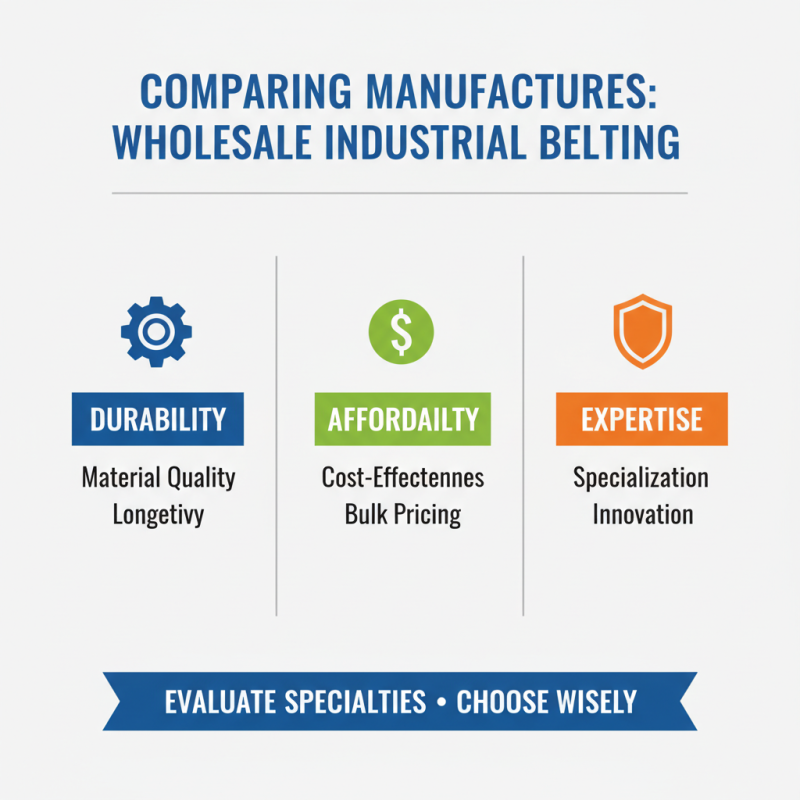
When selecting wholesale industrial belting, it's crucial to compare manufacturers. Not all belting products are created equal. Different manufacturers have varying levels of expertise. Some may focus on durable materials, while others emphasize affordability. Evaluating their specialties can guide your choice.
Consider performance metrics. Some manufacturers offer belting suited for high-temperature environments, while others cater to cold storage applications. Assess the range of options available. It’s essential to find a manufacturer whose products fit your specific needs. Look for detailed product specifications. This information can highlight strengths and weaknesses.
Quality assurance processes are fundamental. Reliable manufacturers typically have rigorous testing protocols. Always inquire about certifications and compliance with industry standards. This can prevent future operational issues. However, not all manufacturers are transparent. Some may lack the necessary documentation. Reflect on this when making your decision. Ultimately, the right choice can enhance your operational efficiency significantly.
Case Studies: Successful Use of Wholesale Industrial Belting in Various Industries
In various industries, wholesale industrial belting has proven to be a reliable choice. For instance, a manufacturing plant utilized wholesale belting to enhance their production line efficiency. They faced frequent downtimes due to belt slippage. By switching to a wholesale supplier, they secured durable belts tailored to their machinery needs. This new approach reduced downtime significantly.
Another case highlights the food processing sector. A bakery switched to Industrial Wire Mesh belting for its conveyors. This material allowed for better hygiene and easier cleaning. The bakery noticed a decrease in contamination risks, ensuring the quality of their products. However, maintenance still required attention. Some staff struggled with installation, highlighting areas for improvement in training.
Similarly, a logistics company implemented wholesale belting solutions in their sorting systems. This change improved their operational flow. However, they found that not all belts accommodated their unique sorting machinery perfectly. This feedback led them to collaborate with suppliers for custom solutions, emphasizing the importance of communication in selecting industrial belting.
Wholesale Discount Industrial Belting Usage Across Industries
FAQS
: Wholesale options offer cost savings through bulk purchasing. They also improve availability, ensuring specific belts can be sourced quickly.
Quality assurance is crucial. A faulty belt disrupts operations. Sourcing from reputable suppliers ensures reliability and consistent performance.
Businesses should seek suppliers with rigorous testing and industry certifications. Inspect materials used for durability and reliability.
Yes, using wholesale belting can enhance production efficiency by reducing downtime. However, the right fit is essential for optimal performance.
Some businesses face installation issues or poor compatibility with existing machinery. These challenges highlight the need for effective training and communication.
Research suppliers and their quality control measures. Seek customer feedback to gauge past performance and reliability.
Cutting corners for lower prices can lead to long-term issues. Investing in quality is essential for durability and dependable operations.
Effective communication helps identify custom solutions that fit specific machinery needs. It is key for successful belting implementation.
Choosing materials that facilitate easier cleaning can reduce contamination risks. Employee training on maintenance is also important.
Not all suppliers offer the same quality. It is essential to research to avoid receiving subpar products.
Conclusion
Wholesale discount industrial belting is an essential resource for businesses looking to enhance efficiency and reduce costs in their operations. By understanding its applications, companies can appreciate the key benefits of choosing wholesale options, such as significant cost savings and access to a wider variety of products. Various factors, including material quality and quantity purchased, greatly influence the overall cost, making it crucial for businesses to consider these aspects when sourcing industrial belting.
Quality assurance is paramount when purchasing wholesale industrial belting, as it directly impacts performance and longevity. Selecting the right type of belting requires a clear understanding of specific needs and operational demands. Additionally, comparing different manufacturers can help businesses find the best options available. Case studies illustrate the successful implementation of wholesale industrial belting across various industries, further highlighting its value in optimizing business productivity.