Leave Your Message
0%

So, why exactly should you go with a Food Conveyor Belt when you're scaling up production globally? Honestly, it's a question we hear a lot, and the answer comes down to a few practical wins that just make sense—whether you're running a small line or a massive facility.

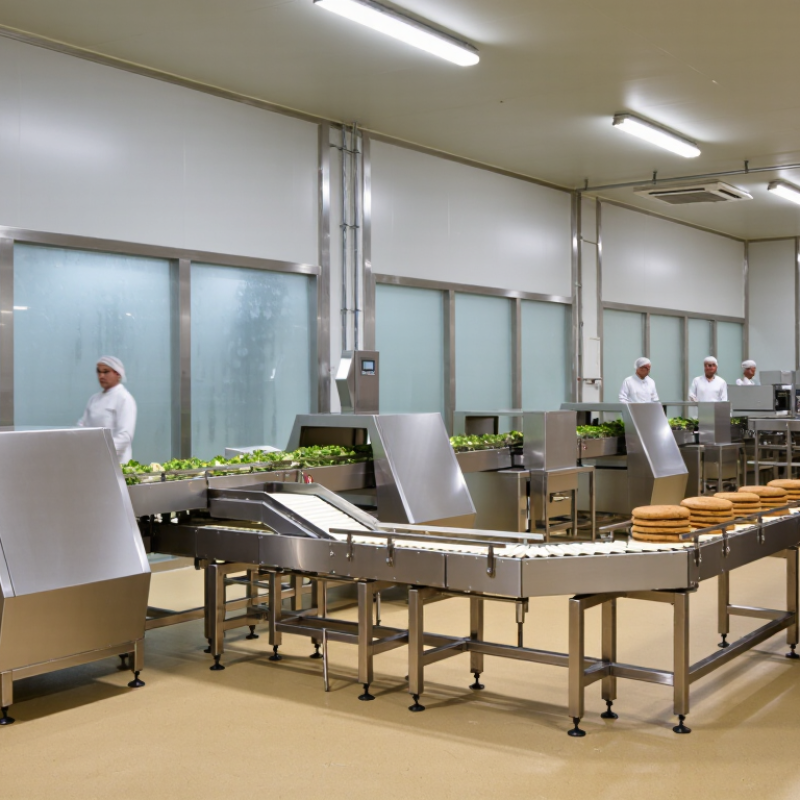
Look, when it comes to feeding the planet, speed alone isn't gonna cut it. You need to keep things clean and consistent, make sure the products move smoothly and don't get banged up, no matter which facility they're passing through. A good food conveyor belt ties all the steps together – washing, processing, inspecting, cooling, packaging – without having to shuffle everything around by hand so much. And that's a big deal, especially when you're dealing with humid washdown areas, cold storage, and those scorching hot processing zones. Honestly, it just makes the whole operation a lot less of a headache.

You know, Scott Sorrell—he's a food-conveying specialist over at Dorner—puts it pretty bluntly: 'Cleanability isn't something you bolt on at the end; it's got to be baked into the design from day one.' And honestly, that's not just theory. Out on the factory floor, it plays out all the time. A conveyor might look great on paper, but the real test is in those seams, the frames, the transfer points. That's where the daily grind happens. Operators see it immediately—crumbs stuck under a pulley, water pooling near a support. It's the little stuff that turns into big headaches and costly downtime.

So, when we talk about modern food Conveyor Belts, there's a lot to consider. They need to be hygienic by design, run at controlled speeds, handle transfers gently, and be easy to maintain. The materials you pick really depend on what you're moving, how you clean it, the temperature range, and the load they'll carry. On top of that, if you're supplying multiple markets, you also need to keep track of everything—traceability and documentation are non-negotiable. Now, companies like Intralox, Habasit, and Dorner each bring something to the table, but here's the catch: there's no one-size-fits-all solution. That gap is worth paying attention to.

So, here's the thing—even the most advanced global system still needs to be checked against what's happening locally. Engineers have to go in and look at things like sanitation routines, who's got access to the equipment, what spare parts are available, and of course, the regional food-safety rules—all before anything gets installed. You can have the most sophisticated belt in the world, but it's not going to fix poor cleaning practices or if the maintenance plan is just weak. That being said, when the design, training, and regular inspections are all on the same page, a Food Conveyor Belt can actually make things more consistent and cut down on unnecessary handling. It's not just a piece of equipment anymore—it becomes a real part of the whole operation. It kind of becomes part of the plant’s reliability strategy, if that makes sense.
Why Choose a Food Conveyor Belt for Global Production?

What Is a Food Conveyor Belt?

A food conveyor belt is a powered system that moves ingredients, packages, or finished products through a processing area. It usually includes a food-grade belt, drive pulley, return rollers, frame, motor, and control system. The belt surface may be smooth, textured, modular, or perforated. Each design suits a different product.

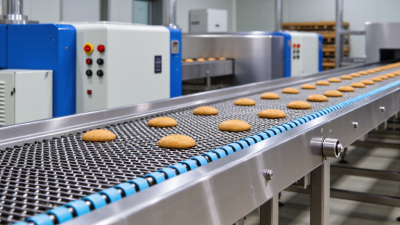
In a bakery, it can carry warm rolls toward cooling racks. In a vegetable line, it may move washed produce while water drains through small openings. The belt speed must match workers, cutters, fillers, and packing machines. Too much speed can damage soft food. Too little speed can create costly delays. This balance requires testing, not guesswork.

Hygiene is central to the design. Belts should resist moisture, oils, cleaning chemicals, and temperature changes. Open frames and easy-release parts help operators inspect hidden areas. Yet a conveyor is not automatically sanitary. Poor cleaning routines, trapped crumbs, or worn surfaces can still create risks. Regular inspections should check belt tension, seams, bearings, and unusual noise. Materials and cleaning methods must also suit the food type and local production requirements. A reliable conveyor supports global production, but its performance depends on careful installation, trained operators, and honest maintenance records.

How Food Conveyor Belts Support Global Production

Food conveyor belts support global production by creating a steady, controlled movement of ingredients and finished goods. Food On Conveyor Belt can pass through washing, cutting, weighing, cooling, and packing stages with fewer manual transfers. This reduces handling points and helps teams maintain consistent processing conditions. In real facilities, belt selection depends on product weight, moisture, temperature, and cleaning routines. A belt designed for dry snacks may not perform well with sticky fruit or frozen products.

Reliable production also requires practical monitoring. Operators should inspect belt tension, tracking, joints, and surface wear during scheduled checks. Small cracks can hold residue. They may also cause unexpected downtime. Sanitary construction, accessible frames, and documented cleaning procedures support safer operations across different facilities. However, equipment alone cannot guarantee food safety. Training, verification, and accurate records remain essential. No line is perfect, and overlooked maintenance can weaken an otherwise strong system.

Tips: Match the belt surface to the product. Confirm temperature limits before installation. Keep spare components available near critical lines. Use clear inspection records, especially when production teams work across time zones. Test cleaning methods on a small section first. It may reveal problems earlier.

Key Materials and Hygiene Standards

Choosing a Food Grade Conveyor Belt for global production requires more than checking load capacity. Material safety often determines product quality, cleaning time, and inspection results. Thermoplastic polyurethane suits many applications because it resists oils, abrasion, and moisture. Silicone can handle higher temperatures, but it may not fit every heavy-duty line. Stainless steel components should resist corrosion, especially near washdown areas.

The belt surface should be non-porous, smooth, and free from deep joints. Rough textures can trap flour, meat particles, or sugary residue. Welded edges reduce hidden contamination points. In practice, hygienic design matters as much as the belt material. A belt may meet food-contact requirements, yet poor installation can create unsafe gaps. That detail is often overlooked.

Cleaning procedures need clear evidence. Operators should verify chemical compatibility, water temperature, contact time, and drying conditions. Materials should support the required cleaning method without swelling, cracking, or releasing particles. Food-contact documentation may reference standards such as FDA requirements or European framework rules, depending on the destination market. Requirements differ globally. Records should include batch traceability, supplier declarations, and replacement history. HACCP and ISO 22000 systems can strengthen control, but certification alone cannot replace daily checks. No belt stays hygienic automatically. That is the uncomfortable part. Regular inspections should examine frayed edges, damaged sprocket holes, discoloration, and unusual odors before production begins.

How Conveyor Belts Improve Production Efficiency

A Food Industry Conveyor Belt improves production efficiency by keeping products moving at a controlled, continuous pace. It reduces lifting, carrying, and repeated manual handling between washing, cutting, inspection, and packing. MHI’s 2024 Annual Industry Report found that 73% of supply-chain professionals planned to adopt robotics and automation within five years. Conveyors support this shift by creating predictable product flow and clearer machine connections.

In a chilled vegetable line, a belt can carry sealed trays directly toward vision inspection, reducing queue time beside operators. Sensors can detect gaps, while variable-speed drives adjust flow without stopping the entire line. The Food Waste Index Report 2024 from UNEP estimated 1.05 billion tonnes of food were wasted in 2022. Better movement cannot solve waste alone, but fewer drops, delays, and temperature exposures can help. Still, a belt is not magic. Poor layout, incorrect belt tension, or difficult cleaning can reduce efficiency quickly. One missed washdown may create a serious quality risk.

Tips: Choose food-contact materials with documented compliance. Check belt speed beside real worker movements, not only machine capacity. Leave access around scrapers and transfer points. Track changeover time, stoppages, product damage, and cleaning minutes before judging results. The numbers may disappoint at first, which is useful. They reveal where the process actually fails.

Choosing Belts for Different Food Processing Needs

Why Choose a Food Conveyor Belt for Global Production?

Choosing a belt for food processing needs requires more than width and speed. Product texture, moisture, temperature, and cleaning chemicals all matter. A soft bakery item may need a low-tension belt with gentle transfer points. Frozen foods require materials that remain stable below zero. Sticky products need controlled release surfaces and careful scraper design.

Food loss makes this decision important. The FAO’s State of Food and Agriculture 2019 reported that about 14% of food is lost between harvest and retail. The UNEP Food Waste Index Report 2024 estimated 1.05 billion tonnes of food waste in 2022. A poorly selected belt can increase product damage, residue, and unplanned stoppages. That sounds obvious. It is often missed.

Tips: Match belt construction to the product first, then the machine. Check FDA food-contact requirements or equivalent regional rules. Review belt temperature limits, seam design, drainage, and cleaning time. In wet rooms, open-grid designs may improve drainage, but they can mark delicate products. In dry areas, solid belts often contain crumbs better. Test the actual product, not a substitute. A lab sample can behave differently on a fast production line. Maintenance teams should also inspect tracking, pulley diameter, and tension access. The perfect belt rarely exists. Selection is a compromise, and documenting that compromise improves reliability.

Maintenance, Safety, and International Compliance

A Food Freezing Conveyor Belt supports steady product flow in high-volume plants. Its value depends on maintenance, not speed alone. During routine inspections, technicians should check belt tension, drive rollers, welds, and seals. Small cracks can trap moisture and encourage bacterial growth. Cleanability matters. Operators need documented cleaning steps, approved detergents, rinse temperatures, and drying times. A frozen line may look clean while hidden ice remains beneath supports. That detail is easy to miss.

Guards should cover pinch points near rollers and transfer areas. Emergency stops must remain accessible, clearly marked, and tested at scheduled intervals. Workers need practical training, especially when clearing jams or handling sharp tools. Lockout procedures reduce unexpected movement during repairs. Temperature sensors should be checked against calibrated instruments. One inaccurate reading can affect texture, shelf life, and product safety. We once found that a loose sensor bracket caused unstable readings. The repair was simple, but the inspection process was not.

International production also requires clear compliance records. Food-contact materials should have supplier declarations and traceability documents. Cleaning logs, maintenance reports, allergen controls, and staff training records should be easy to retrieve. Requirements may differ between export markets, so one certificate rarely covers every situation. Independent audits can reveal weak points that internal teams overlook. Still, no checklist is perfect. Good systems leave evidence. Even a minor belt adjustment should record the date, technician, reason, and verification result.

FAQS

Which materials suit hygienic conveyor applications?

Thermoplastic polyurethane resists oils, abrasion, and moisture. Silicone handles higher temperatures. Stainless steel should resist corrosion near washdown areas.

What surface features improve conveyor hygiene?

Choose a smooth, non-porous surface without deep joints. Welded edges reduce hidden contamination points.

Why can a compliant belt still create hygiene problems?

Poor installation may leave unsafe gaps between components. Food-contact approval alone cannot correct weak design.

What should cleaning procedures document?

Record detergent compatibility, water temperature, contact time, rinsing, and drying conditions. Keep the evidence.

What inspections should happen before production?

Check frayed edges, damaged holes, discoloration, cracks, and unusual odors. Small cracks can retain moisture.

How can freezing lines hide contamination risks?

Ice may remain beneath supports after cleaning. Inspect hidden areas carefully and confirm complete drying.

Which safety controls are important around conveyor equipment?

Guards should cover pinch points near rollers and transfers. Emergency stops must remain visible, accessible, and regularly tested.

What records support international production?

Maintain traceability documents, cleaning logs, maintenance reports, allergen controls, and training records. Requirements differ across markets.

How should temperature sensors be maintained?

Compare sensors with calibrated instruments at scheduled intervals. One loose bracket caused unstable readings in one inspection.

Can certification replace daily hygiene checks?

No. Certification supports control, but routine inspections still matter. We sometimes miss obvious details. That deserves reflection.

Conclusion

A Food Conveyor Belt is a key component in modern food processing, designed to move ingredients, prepared products, and packaged goods smoothly between production stages. For global production, it supports consistent workflows, reduces manual handling, and helps facilities maintain stable output across different operating environments. Belts made from suitable food-grade materials can withstand moisture, temperature changes, cleaning routines, and frequent use while meeting essential hygiene and safety expectations.

Different processing needs require different belt surfaces, strengths, and configurations, whether products are wet, dry, delicate, frozen, or packaged. By improving transfer speed, reducing product damage, and minimizing production interruptions, conveyor systems can increase efficiency and support reliable quality control. Proper belt selection should also consider sanitation access, load capacity, operating temperature, and compatibility with international compliance requirements. Regular inspection, cleaning, tension adjustment, and timely replacement help extend service life, protect workers, and maintain safe, dependable performance throughout the production process.
Aria

Aria

Aria is a dedicated marketing professional at Jiangsu Huada Metal Mesh Belt Co., Ltd., a pioneering manufacturer of metal conveyor belts in China. With a deep expertise in the industry, Aria is committed to showcasing the precision-engineered wire mesh belts and chain-driven systems that the......
Previous What Are the 2026 Best Industrial Belting Types?