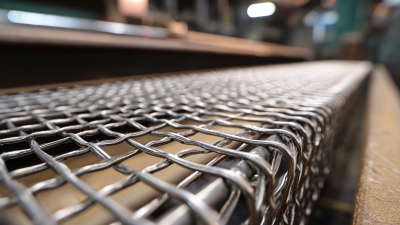
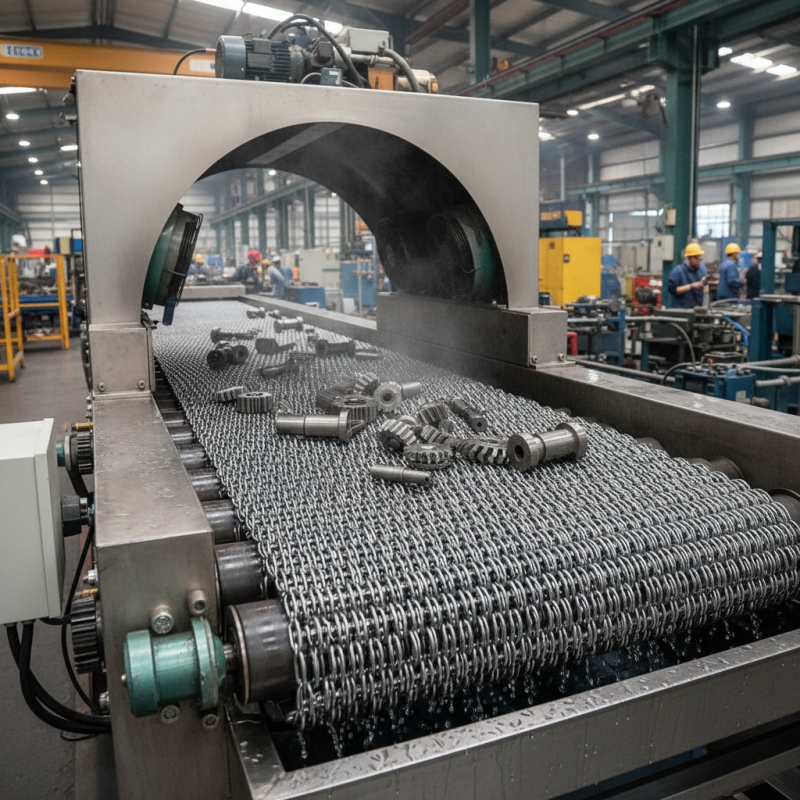
As industries keep changing and adapting, there's a real buzz around finding new solutions that boost efficiency and productivity. You know, Wire Belts have really carved out their spot—they’re tough, versatile, and just really dependable. You’ll see them everywhere, from food processing and packaging to automotive manufacturing. A report from MarketsandMarkets even predicts the global conveyor system market will hit around 9.2 billion dollars by 2025, with wire belts playing a big role in making things run smoother—handling materials, packaging, you name it.
What makes wire belts so great is their clever design. They allow air to pass through easily, resist heat like a champion, and are super easy to clean. That’s why they’re perfect for hot environments or places where keeping everything super hygienic is a must. Interestingly, a study from Grand View Research pointed out that the food and beverage industry is one of the fastest-growing areas using these belts. Companies are really seeing the benefits—improving workflow, speeding things up, and helping manufacturers stay ahead in this pretty competitive world.
In this article, we’re going to dive into the top 10 ways wire belts are used across different industries. We’ll look at what makes them so useful and how they actually help companies work better, cut down on downtime, and improve their bottom line. Basically, by taking advantage of what wire belts can do, businesses can get more done, faster, and smarter.
Overview of Wire Belt Technology and Its Benefits
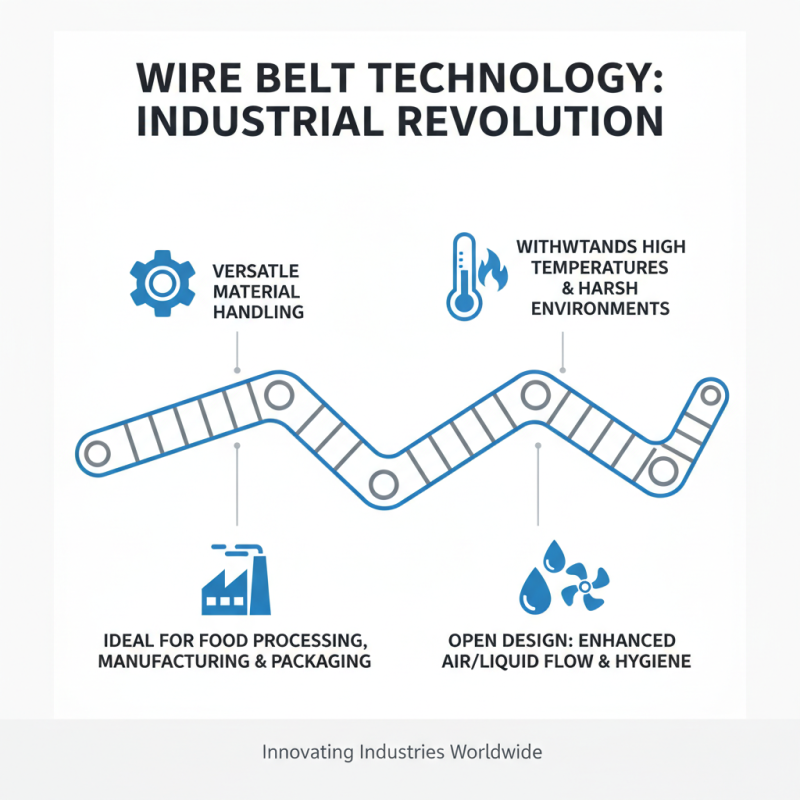
Wire belt technology has revolutionized various industrial processes by offering a versatile and efficient solution for Material Handling. Constructed from interconnected metal wires, these belts provide a robust framework that can withstand high temperatures and harsh environments, making them ideal for applications in food processing, manufacturing, and packaging. The open design of wire belts allows for excellent air and liquid flow, which enhances drying processes and promotes cleanliness—critical factors in industries such as pharmaceuticals and food production where hygiene is paramount.
The benefits of Wire Belt Systems extend beyond mere durability. Their lightweight yet strong construction reduces the energy required for operation, leading to lower operational costs. Additionally, wire belts are customizable, allowing businesses to tailor the width, length, and mesh size to their specific needs. This adaptability not only improves efficiency by facilitating seamless integration into existing systems but also enhances productivity, allowing for continuous processing and reducing downtime. By incorporating wire belt technology, industries can significantly enhance their operational efficiency and maintain high standards of quality and safety.
Key Characteristics of Wire Belts in Industrial Applications
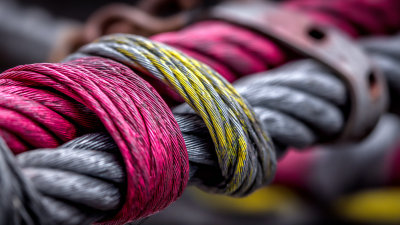
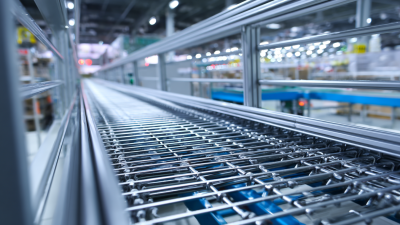
Wire belts have become an essential component in various industrial applications due to their unique characteristics. These belts are manufactured from woven metal strands, providing a strong yet flexible solution ideal for conveying materials in harsh environments. Their open design allows for excellent airflow and drainage, making them particularly suited for processes involving temperature control or the transportation of wet materials. Additionally, wire belts are durable and resistant to wear, ensuring a long lifespan even under demanding conditions.
When selecting a wire belt for your application, consider the following tips: First, assess the specific requirements of your operation, including temperature ranges, the type of materials being conveyed, and the environment in which the belt will operate. This evaluation will help you choose the right material and design for maximum efficiency. Second, regular maintenance is crucial to maintain optimal performance; ensure that you clean and inspect the belt periodically to prevent potential breakdowns. Lastly, explore different belt configurations, such as flat wire or pin-joined styles, to find the best fit for your specific transport needs, enhancing productivity across your operations.
Food Processing: Enhancing Hygiene and Productivity with Wire Belts
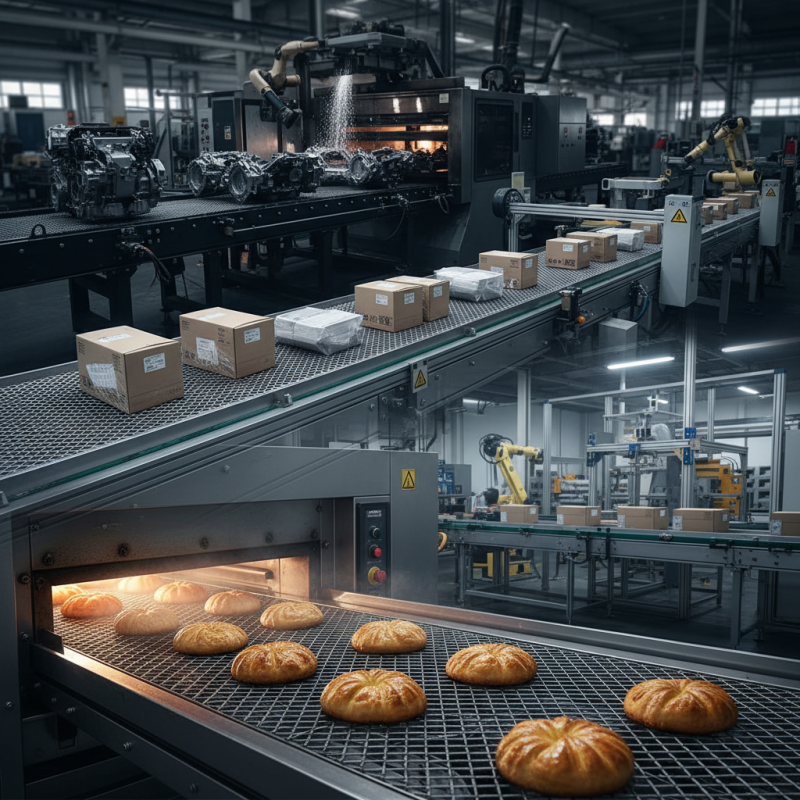
In the food processing industry, maintaining hygiene and productivity is paramount, and wire belts play a critical role in achieving these goals. The design of wire belts allows for superior airflow and drainage, reducing moisture retention and the risk of bacterial growth. This feature is particularly beneficial during processes such as baking, frying, and washing, where cleanliness is essential. By facilitating easy cleaning and minimizing contaminants, wire belts help to ensure compliance with stringent food safety regulations.
Moreover, wire belts significantly enhance operational efficiency by providing a reliable and durable conveying solution. They can withstand high temperatures and heavy loads, making them suitable for various applications within the food processing sector. Additionally, their flexibility and adaptability enable manufacturers to customize their conveyor systems to meet specific processing needs. As a result, businesses can improve throughput and reduce downtime, ultimately leading to increased productivity and profitability in a competitive market.
Material Handling: Streamlining Operations using Wire Belt Systems
Wire belt systems have become a pivotal component in material handling across various industries. With their unique design, they facilitate the efficient transport of products, leading to reduced operational costs and improved productivity. According to a report by the Material Handling Industry of America, the integration of advanced belt systems can enhance efficiency by up to 30%, making them an essential tool for businesses aiming to streamline their operations.
When implementing wire belt systems, companies should consider optimizing their layouts. Tip: Evaluate the flow of materials and design a system that minimizes unnecessary movements. This not only speeds up production but also reduces wear and tear on equipment. Additionally, incorporating adjustable speed drives can provide the flexibility needed to adapt to varying production demands without compromising efficiency.
Another crucial aspect is maintenance. Regular inspections and cleaning of wire belts can prevent unplanned downtimes. Tip: Implement a scheduled maintenance program, as studies show that consistent upkeep can extend the lifespan of conveyor systems by up to 50%. By paying attention to these details, industries can fully leverage the benefits of wire belt systems in their material handling processes.
Top 10 Wire Belt Applications: Efficiency in Material Handling
This chart illustrates the top 10 applications of wire belts in various industries and their corresponding efficiency improvements. Wire belts are essential in streamlining operations and enhancing productivity in material handling.
Automotive Industry: Improving Assembly Lines with Wire Belts
The automotive industry has consistently sought ways to enhance productivity on assembly lines, and wire belts have emerged as a pivotal solution. These belts are designed to streamline the flow of components, allowing for efficient transport of parts throughout the manufacturing process. Their open structure promotes optimal airflow and minimizes heat retention, which is crucial in environments that require precise temperature control. This characteristic is particularly beneficial in processes such as painting and drying, where maintaining consistent conditions is essential for quality.
Moreover, wire belts are exceptionally durable and capable of withstanding heavy loads, making them ideal for transporting larger automotive components. Their flexibility allows for customized configurations to fit various assembly line layouts, ensuring maximum efficiency. The ease of cleaning and maintenance that wire belts offer also contributes to reduced downtime, allowing manufacturers to focus on meeting production targets. As a result, the integration of wire belts into automotive assembly lines not only enhances operational efficiency but also improves the overall quality of the manufacturing process.
Top 10 Wire Belt Applications: Enhance Efficiency in Various Industries
| Application | Industry | Efficiency Gains | Remarks |
| Automotive Assembly | Automotive | Reduced assembly time by 20% | Enhances workflow |
| Food Processing | Food & Beverage | Improved sanitation and handling | Easier cleaning cycles |
| Packaging Lines | Packaging | Increased throughput by 30% | Streamlines packaging operations |
| Textile Production | Textile | Reduced material waste | Optimizes fabric handling |
| Electronics Manufacturing | Electronics | Enhanced precision in part placement | Supports automation |
| Pharmaceutical Production | Pharmaceuticals | Increased batch quality | Allows for precise dosing |
| Wire Rope Manufacturing | Manufacturing | Improved production speed | Reduces labor costs |
| Baking Industries | Food | Efficient cooling and transfer | Enhances product quality |
| Waste Recycling | Recycling | Improved sort accuracy | Supports environmental efforts |
| Material Handling | Logistics | Streamlined operations | Facilitates inventory control |
Mining and Quarrying: Durable Wire Belt Solutions for Heavy Loads
In the mining and quarrying industries, the demands placed on equipment are exceptionally high due to the heavy loads and challenging conditions. Durable wire belt solutions are essential for efficiently transporting materials such as ores, stones, and gravel. These wire belts are designed to withstand extreme weights and resist wear, ensuring reliable performance over extended periods. The flexibility of these belts allows them to navigate various angles and inclines, making them ideal for use in complex mining operations.
Moreover, wire belts provide superior drainage capabilities, vital in environments where moisture can compromise the quality and integrity of the materials being transported. Their open structure allows for easy cleaning and maintenance, which is crucial in preventing material buildup and ensuring optimal operation. The combination of strength, adaptability, and ease of maintenance makes wire belts an essential component in enhancing efficiency and productivity within the mining and quarrying sectors. Manufacturers are increasingly recognizing the critical role these durable wire belt solutions play in streamlining processes and reducing operational downtime.
Pharmaceutical and Chemical Industries: Precision and Safety with Wire Belts
In the pharmaceutical and chemical industries, the implementation of wire belts is transforming operational efficiency while prioritizing safety and precision. According to a report by the International Society for Pharmaceutical Engineering (ISPE), the global pharmaceutical market is projected to reach $1.57 trillion by 2023, underscoring the need for reliable production processes. Wire belts, known for their open design, facilitate thorough cleaning and minimize contamination risks, aligning perfectly with the strict regulatory standards set forth by organizations such as the Food and Drug Administration (FDA).
Moreover, the chemical processing industry, valued at over $4 trillion in 2021 according to the American Chemistry Council, benefits significantly from wire belts' durability and temperature resistance. These belts can operate effectively in extreme environments, enhancing conveyor performance and ensuring consistent material handling. Furthermore, with their ability to provide even heat distribution and support during drying processes, wire belts exemplify a solution that promotes safety while maximizing throughput, which is crucial in maintaining product integrity in both pharmaceuticals and chemicals.
FAQS
: Wire belts are manufactured from woven metal strands, providing a strong yet flexible solution ideal for conveying materials in harsh environments. Their open design allows for excellent airflow and drainage, making them suitable for temperature control and transportation of wet materials.
Wire belts improve hygiene by reducing moisture retention and the risk of bacterial growth due to their superior airflow and drainage design. This helps maintain cleanliness during processes like baking, frying, and washing, ensuring compliance with food safety regulations.
When selecting a wire belt, consider the specific requirements of the operation, including temperature ranges, the type of materials being conveyed, and the operating environment. This evaluation will help you choose the right material and design for efficiency.
Regular maintenance, including cleaning and inspections, is crucial to maintain optimal performance of wire belts. It helps prevent potential breakdowns and can extend the lifespan of the conveyor systems by up to 50%.
Wire belts streamline material handling by facilitating efficient product transport, leading to reduced operational costs and improved productivity. They can enhance efficiency by up to 30% when integrated properly.
Companies should evaluate the flow of materials and design their systems to minimize unnecessary movements. This optimizes production speed and reduces wear and tear on equipment.
Adjustable speed drives provide the flexibility needed to adapt to varying production demands without compromising efficiency, allowing for better management of operational workflows.
Different belt configurations, such as flat wire or pin-joined styles, can enhance productivity by meeting specific transport needs, enabling tailored solutions for diverse operational requirements.
Wire belts can withstand high temperatures and heavy loads, making them suitable for various applications within the food processing industry, thereby enhancing operational efficiency.
The easy cleaning and moisture-reducing features of wire belts help minimize contaminants, ensuring businesses comply with stringent food safety regulations while maintaining productivity.
Conclusion
Wire Belt technology plays a crucial role in enhancing operational efficiency across various industries. These precision-engineered systems boast key characteristics such as durability, versatility, and hygiene, making them ideal for diverse applications. In the food processing sector, Wire Belts improve productivity while ensuring compliance with stringent hygiene standards. Similarly, they streamline material handling processes, contributing to smoother operations.
In industries such as automotive, mining, and pharmaceuticals, Wire Belts provide robust solutions that accommodate heavy loads and maintain safety and precision. As recognized by JIANGSU HUADA Metal Mesh BELT CO., LTD., a leading manufacturer in this field, these wire mesh belts and chain-driven systems are designed to meet international standards, serving clients in over 20 countries. Embracing Wire Belt technology can significantly enhance efficiency and reliability across industrial applications.