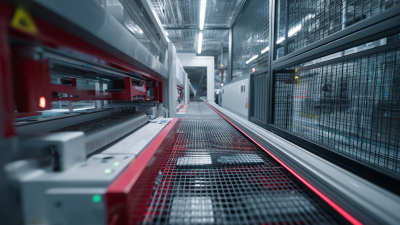
 Wire Mesh Belts are really astaple in so many industrial settings these days. You know, they’re appreciated for being tough and versatile at the same time. According to a recent industry report by Research and Markets, the global conveyor belt market is expected to hit around 6.4 billion dollars by 2026. And a big part of that growth? It’s thanks to wire mesh belts — they're valued because of how efficient and reliable they are.
In China, JIANGSU HUADA Metal Mesh Belt CO., LTD. stands out as a leading manufacturer of these belts, making stuff that’s super precise. Their wire mesh belts are used in all sorts of industries—think food processing, manufacturing, packaging—you name it. Plus, with ISO 9001 and CE certifications, their production is top-notch, meeting strict quality standards. They've even got a footprint in over 20 countries around the globe.
In this blog, I’ll dive into the different ways wire mesh belts are used and why they’re such a vital part of modern manufacturing. Trust me, once you get it, you’ll see just how essential they really are!
Understanding Wire Mesh Belts: Definition and Composition
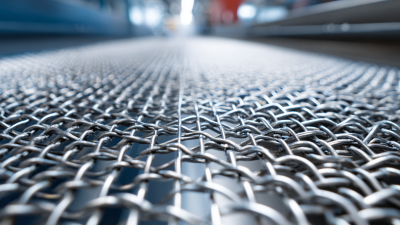
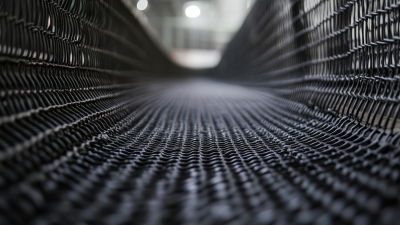
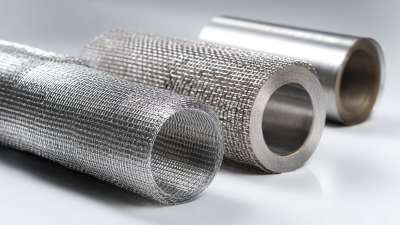
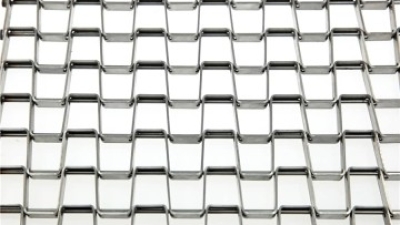
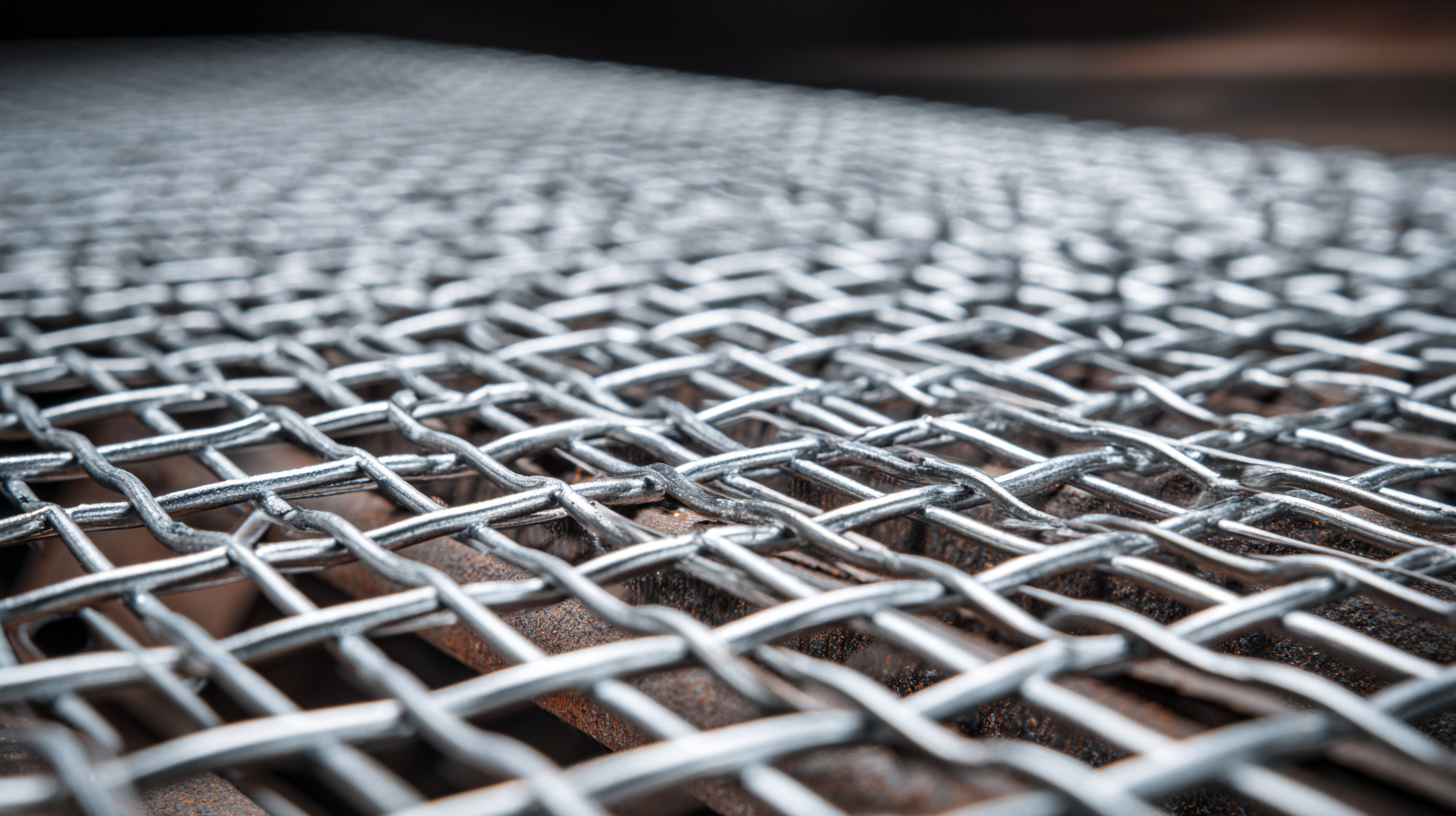
Wire mesh belts are pretty neat industrial components made from woven wire—usually stainless steel or some other tough, resistant material. They’re super strong and last a long time, which makes them perfect for all sorts of industries like food processing, pharma, and metalworking. What’s cool about their design is that they let air and liquids pass through easily, making them great for cooling or drying stuff. Plus, since they can be customized pretty easily, they help boost efficiency and productivity on the manufacturing line.
Interestingly, using advanced materials in these belts kinda ties into recent research on metals like AISI 321 steel, focusing on things like chemical composition and surface structure. As scientists look for ways to improve materials for better performance, the same ideas are affecting wire mesh tech too. For instance, choosing materials with better resistance to rust and oxidation means these belts can handle high temperatures much better—and last longer.
**A quick tip:** When you’re picking out a wire mesh belt, think about the environment it’s gonna be in—like, will it face high heat or harsh chemicals? Picking the right one for those conditions is key. Also, don’t forget that regular maintenance and inspections go a long way in keeping things running smoothly and avoiding unexpected breakdowns. Sometimes, a little extra TLC is all it takes to keep your system humming along smoothly.
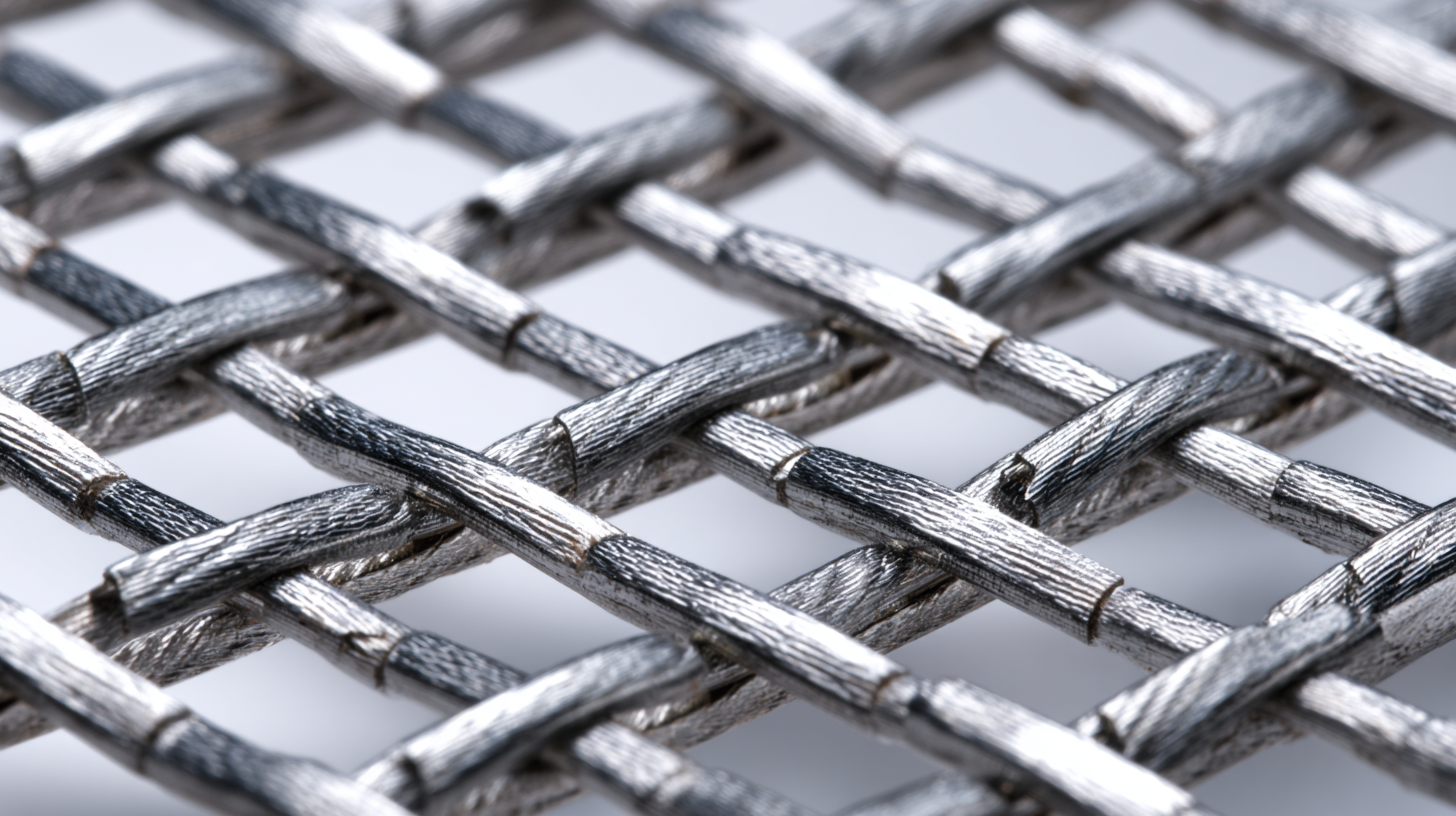
Key Applications of Wire Mesh Belts Across Different Industries
Wire mesh belts are really making their way into a bunch of different industries these days, thanks to their unique design and versatility. For example, in the food processing world, they're pretty much essential for moving baked goods around and helping them cool down. I came across a report from MarketsandMarkets that says the global market for food conveyor belts could hit around $4.1 billion by 2025. That just shows how much there's a need for efficient, hygienic ways to transport food. And because wire mesh belts have that open structure, they let air flow freely—which is great for cooling and making sure baked goods are evenly cooked. That kind of thing really helps keep the quality top-notch.
On the industrial side of things, like manufacturing and materials handling, wire mesh belts are favored because they’re so tough and can handle heavy loads without breaking a sweat. You’ll see them used in metal fabrication lines, where they move parts through washing, drying, or even heating processes. There's a study from Grand View Research that suggests the industrial conveyor system market is expected to grow at a compound annual growth rate of about 4.9% from 2021 to 2028. Basically, these belts are super important for keeping operations running smoothly and efficiently. Their strength and flexibility mean they last longer and save money on maintenance, especially in demanding environments. It’s pretty clear why they’re becoming so popular across industries.
Advantages of Using Wire Mesh Belts in Manufacturing Processes
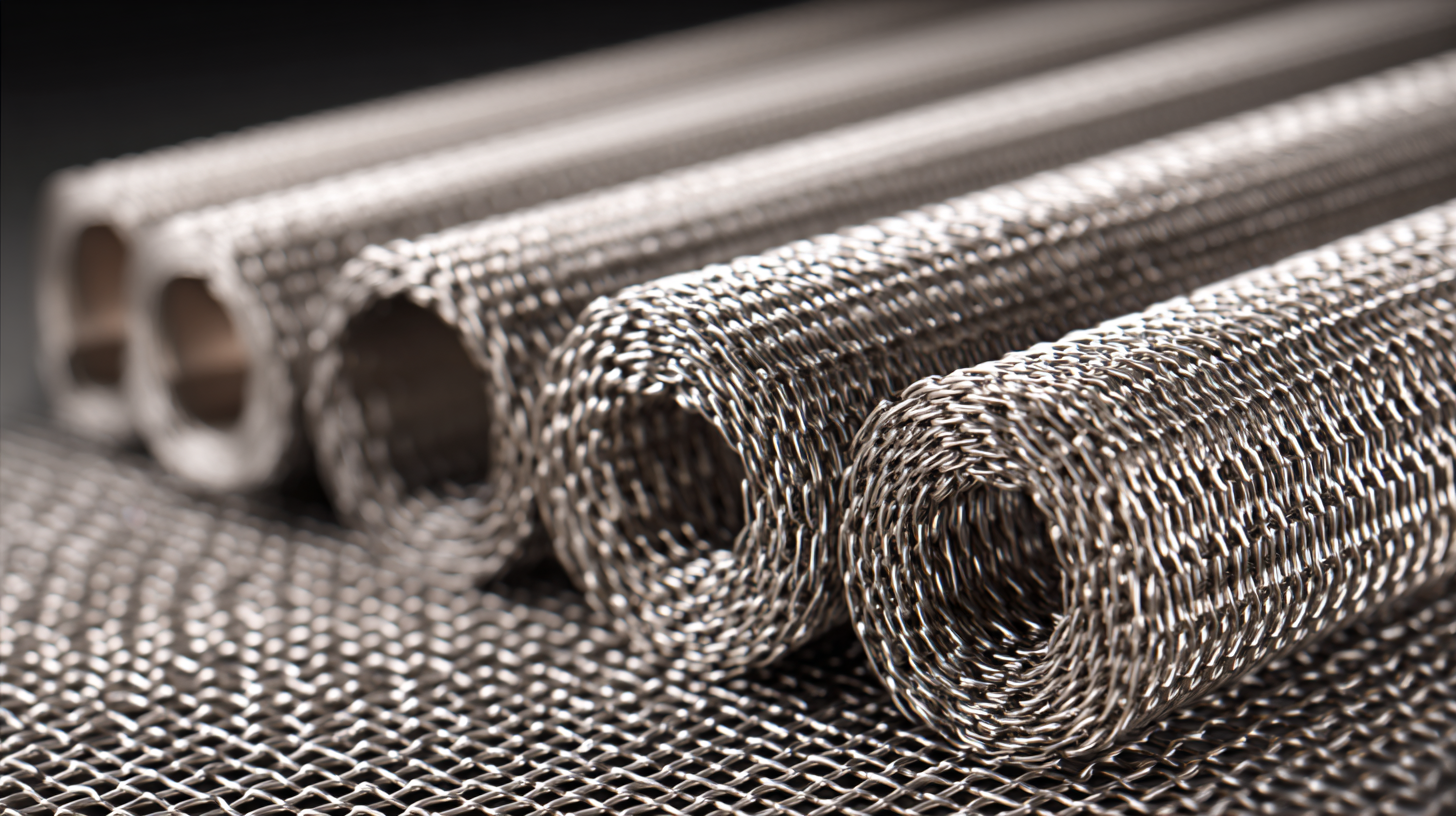 Wire mesh belts are pretty much a staple in a lot of manufacturing setups. They come with a bunch of perks that really boost efficiency and last longer. One thing I’d highlight is how great they are at providing ventilation and drainage during processing—huge plus, especially in industries like food processing or pharmaceuticals. The open design means air moves freely around your products, helping them dry faster and stay high quality. Plus, it makes it super easy to remove any leftover substances.
If you’re thinking about using wire mesh belts, keep in mind that picking the right mesh size makes a big difference. Smaller items usually need a finer mesh, while larger things might be better off with something coarser to give them more stability. Don't forget, regular cleaning is key to keeping everything in tip-top shape—it prevents buildup and helps your belts last longer.
And oh, pay attention to what your wire mesh is made of. Stainless steel, for example, is pretty much the go-to because it resists rust and holds up well—perfect if you're working in environments where hygiene and durability really matter. Sort of planning ahead on your choice and upkeep can really make a difference in how well these belts perform down the line.
Comparative Analysis: Wire Mesh Belts vs. Traditional Conveyors
You know, wire mesh belts are really starting to catch on as a pretty solid alternative to the traditional conveyor systems we've all been used to, especially in industries like food processing, pharma, and manufacturing. Unlike those old solid belts, these are made from interconnected metal strands, which actually bring some pretty noticeable benefits to the table. I read somewhere that, according to a report by Freedonia Group, the global market for conveyor systems is expected to hit around $9 billion by 2025, and wire mesh belts are definitely gaining ground 'cause they're so versatile and durable.
One of the big perks of wire mesh belts over the regular ones is how well they allow airflow and drainage—super helpful during drying or cooling processes. The open design of the mesh means heat transfer is way more efficient, which is a total win in food production, where keeping things high-quality is everything. In fact, a study in the Journal of Food Engineering pointed out that products processed on wire mesh belts dried about 20% faster than on traditional plastic conveyors — that’s a pretty big boost in efficiency.
Plus, these belts can handle some pretty tough environments. They’re resistant to harsh chemicals and extreme temps, so industries like mining and automotive manufacturing also find them useful. The International Journal of Advanced Manufacturing Technology mentions that these belts can last over a decade in operation, which means less money spent on maintenance and replacements compared to the old belts that might need to be swapped out every couple of years. All in all, as industries keep looking for more efficient, reliable solutions, wire mesh belts are definitely going to be a big part of the conveyor game moving forward.
Maintenance Tips for Maximizing the Longevity of Wire Mesh Belts
Wire mesh belts are pretty much essential in a bunch of industrial setups, you know? They bring durability and help keep things moving efficiently. But if you want them to last longer, proper maintenance is a must. Regularly checking them for signs of wear—like fraying or rust—can really save you some headaches down the line. It’s also super helpful to keep the belt clean and free of debris; a soft brush or even just blowing air on it can do wonders in removing buildup that might mess with its performance.
Another thing to keep in mind is the tension. If it's uneven, the belt can get stressed out quickly, leading to early wear or even breaking. So, keeping that tension just right is key. Also, don’t forget about lubrication—making sure the belt and its parts are well-oiled can cut down on friction, make everything run quieter, and boost overall efficiency. If you stick to these simple maintenance tips, you’ll get way more mileage out of your wire mesh belts, saving money on repairs and downtime. Pretty straightforward, right?
Applications of Wire Mesh Belts Across Industries
Innovative Developments in Wire Mesh Belt Technology and Design
Lately, the whole world of wire mesh belt tech has been really changing the game across different industries. It’s exciting to see how clever designs and new materials are pushing things forward. Companies aren’t just sticking to the usual manufacturing stuff anymore — they’re also diving into areas like food processing and pharma, where keeping things hygienic and durable is super important. Plus, with the new materials being used, these belts are holding up better against wear and tear, all while helping cut down costs. Pretty impressive, right?
And it gets more interesting! Wire mesh belts aren’t just for regular use anymore. Folks are now experimenting with combining them into composite materials, which are a big deal for things like filtering and separating stuff efficiently. This totally lines up with the industry’s focus on sustainability and smarter solutions. As demand for more innovative and efficient tech keeps growing, wire mesh belts are definitely in the spotlight — ready to help boost productivity and recover resources, especially in sectors that are all about growth and innovation.
What is a Wire Mesh Belt? Exploring Its Applications and Benefits in Various Industries
| Application Industry | Benefits | Innovative Developments | Common Materials |
| Food Processing | Hygienic transport of products | Antimicrobial coatings | Stainless Steel, Nylon |
| Automotive | High durability and strength | Lightweight design innovations | Carbon Steel, Aluminum |
| Packaging | Efficient product handling | Modular system designs | Plastic, Stainless Steel |
| Mining | Resistant to harsh environments | Enhanced wear resistance technology | Galvanized Steel, Alloy |
| Pharmaceutical | Compliance with industry standards | Clean design features | High-grade Stainless Steel |
Innovative Solutions for Industrial Efficiency: Exploring the Benefits of Flat Wire Belts
In the pursuit of industrial efficiency, the adoption of innovative solutions plays a crucial role. Flat wire belts have emerged as a key component in various sectors, offering distinct advantages that boost productivity and streamline operations. One of the standout features of these belts is their versatility, allowing them to adapt to diverse applications, from food processing to electronics assembly. A notable example is the Food-Grade Flat Wire Belt, made from FDA-compliant 316L stainless steel, which ensures both safety and durability in food handling environments.
Additionally, flat wire belts are designed to withstand extreme conditions, such as the High-Temperature Flat Wire Furnace Belt, which operates effectively at temperatures reaching 800°C. This belt type is essential for industries that require high-heat applications, ensuring consistent performance without compromise. Furthermore, the Anti-Static Flat Wire Belt is indispensable for electronics assembly lines, preventing static discharge that could damage sensitive components. The integration of these innovative belts not only enhances the efficiency of production lines but also contributes to the overall reliability of industrial operations.
For sectors focusing on hygiene and compliance, the Hygienic Flat Wire Belt, certified by EHEDG, exemplifies the commitment to cleanliness in food and pharmaceutical production. Custom solutions, like Custom-Width Flat Wire Mesh for Packaging Lines or Heavy-Duty Flat Wire Belts for Metal Stamping, ensure that specific operational needs are met, driving efficiency tailored to individual production objectives. By exploring these innovative flat wire belt solutions, industries can significantly improve their operational efficiencies and adapt to the demands of modern manufacturing.
FAQS
: Wire mesh belts are essential for the transportation and cooling of baked goods, allowing for excellent airflow that promotes quick cooling and even baking.
The global food conveyor belts market is projected to reach $4.1 billion by 2025.
They are favored for their durability and ability to handle heavy loads, making them ideal for transporting parts during various processes like washing, drying, and heat treatment.
The industrial conveyor systems market is expected to grow at a CAGR of 4.9% from 2021 to 2028.
Advancements are enhancing the performance of wire mesh belts through new materials that improve durability and reduce operational costs, allowing for broader applications beyond traditional sectors.
They are being reimagined as part of composite materials crucial for efficient filtration and separation processes, aligning with trends toward sustainability and efficiency.
Their strength and adaptability ensure longevity and reduced maintenance costs, which are critical for enhancing operational efficiency in demanding environments.
In these sectors, hygiene is paramount to ensure product safety and quality, making durable and hygienic wire mesh belts essential for operations.
Conclusion
Wire mesh belts are super versatile and pretty much essential when it comes to a bunch of manufacturing processes. They're known for being durable and efficient—no surprises there. You’ll notice that they're made from woven metal, which actually helps a lot with airflow and drainage. That’s why they’re commonly used in industries like food processing, packaging, and even automotive manufacturing. One of the biggest perks? They can handle extreme temperatures, are pretty easy to maintain, and tend to last way longer than those traditional conveyor systems.
Here at JIANGSU HUADA METAL MESH BELT CO., LTD., we take pride in crafting precision-engineered wire mesh belts that fit the unique needs of our clients all over the world—more than 20 countries, actually! We’re all about quality, which is why we have ISO 9001 and CE certifications. That just means our products meet—if not exceed—industry standards. As technology keeps moving forward, we’re always coming up with new designs and innovations to make our belts even better, helping manufacturers work more efficiently and effectively.
Hope that gives you a better idea of what we do and why our wire mesh belts are a game-changer in the industry!