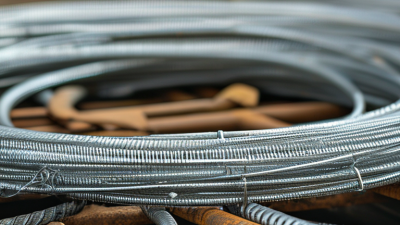
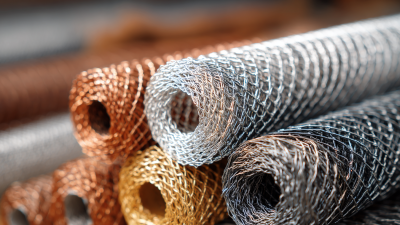
You can check out Wire Netting, which has really become a go-to material in a bunch of industries thanks to its versatility and the fact that it gets the job done efficiently. Basically, it's made by twisting wires together, giving it a great balance of strength and flexibility. Lots of different sectors like farming, construction, and gardening rely on Wire Netting to meet their specific needs and boost productivity.
You’ll find it being used for all sorts of things — from making animal pens to fencing gardens. And because the mesh can come in different sizes, it’s pretty adaptable depending on what someone needs. Farmers, for example, use it to keep their crops safe and protect their animals. On the other hand, builders might use it to reinforce concrete or prop up structures. Of course, even with all its benefits, folks should keep in mind things like how durable it is and whether it might rust over time.
Getting a good grip on what makes wire netting so useful is pretty important. Picking out the right type for your project really matters — you don’t wanna cut corners and end up with something that falls apart easily. Quality and trustworthiness are key here because a decent wire netting can make all the difference for your project’s success. On the flip side, opting for cheap or low-quality options could lead to regret later on. So, understanding these little details can really help you use wire netting in the most effective way and get the biggest benefits.
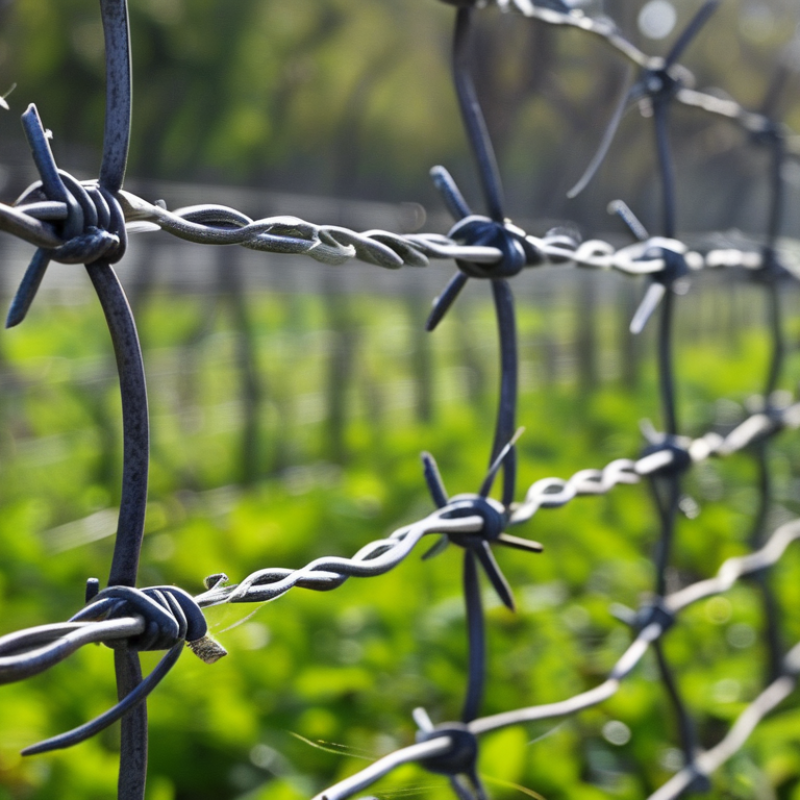
What is Wire Netting?
Wire netting serves various purposes in construction and agriculture. It is primarily made of metal wire and comes in several designs and meshes. This material plays a crucial role in fencing and reinforcement applications. According to a report from the International Wire and Cable Products Industry, the demand for wire netting is projected to grow steadily, driven by urbanization and infrastructure development.
In agriculture, wire netting finds utility in protecting crops from pests and animals. A study by the Agricultural and Biological Engineering Society indicates that wire netting reduces crop damage by about 30%. Its versatility extends to horticulture, where it supports climbing plants, ensuring healthy growth. The breathability of wire allows for air circulation, which benefits the plants while also presenting challenges. Users often face issues with rust, calling for regular maintenance.
The construction industry also benefits from wire netting. It strengthens concrete and masonry structures. However, improper installation can lead to performance issues. An industry survey highlighted that 15% of construction professionals faced challenges related to wire netting alignment. This underlines the need for expertise when installing wire netting to maximize its effectiveness.
History and Development of Wire Netting
Wire netting has a rich history that dates back to the 19th century. Initially developed for agricultural purposes, it offered a robust solution for fencing fields and protecting crops. The industrial revolution facilitated mass production, making wire netting widely accessible. Reports indicate that from 1850 to 1900, the use of wire netting grew by over 200%. This growth reflected not only increased agricultural demands but also rising industrial needs.
The transition from agricultural use to construction and landscaping marked the next phase in wire netting's evolution. By the mid-20th century, it found applications in various sectors, particularly in architecture. Today, less than 10% of manufacturers focus solely on agricultural applications, highlighting the shift in usage. In construction, wire netting is used to reinforce concrete structures, contributing to their durability. It is pivotal in steep slope stabilization, showcasing its versatility. Despite its benefits, some projects provide mixed results, raising questions about long-term performance in extreme environments. Therefore, careful assessment is crucial to maximize its advantages in construction practices.
Material Types Used in Wire Netting
Wire netting is made from various materials, each offering unique benefits and applications. The most common materials include stainless steel, galvanized steel, and plastic. Stainless Steel Wire Netting, often referred to asSs Wire Netting, is known for its strength and corrosion resistance. It is commonly used in environments that require durability, such as in construction and agriculture.
Galvanized steel is another popular choice. It is coated with zinc to prevent rust. This makes galvanization ideal for outdoor use. The longevity of galvanized wire netting is well-suited for fencing and animal enclosures. On the other hand, plastic netting is lighter and more flexible. It is useful for temporary structures, such as garden fencing or safety barriers.
Each material has distinct advantages but also requires careful consideration. Stainless steel may be expensive but ensures long-term investment. Plastic nets might fray or degrade under UV light. When choosing wire netting, assessing specific needs is crucial. Understanding the environment and purpose guides material selection effectively.
Benefits and Applications of Wire Netting
Benefits of Using Wire Netting
Wire netting offers several key benefits that make it an essential choice for various applications. One of the primary advantages is its durability. According to a report from the Association of Wire Producers, galvanized wire netting can last up to 30 years in outdoor conditions. This longevity reduces the need for frequent replacements, making it cost-effective over time.
In addition to durability, wire netting provides excellent protection. Whether in agriculture or construction, it creates secure barriers. Data from industry analyses indicate that using wire fencing can lead to a 40% reduction in livestock losses. This statistic highlights its effectiveness in safeguarding properties and ensuring safety.
Moreover, wire netting is versatile. It can be used for gardening, forming habitats, or even security fencing. The flexibility in use cases allows it to adapt to changing needs. However, not all wire netting is created equal. Users must choose the right type based on specific requirements, reflecting the importance of thorough research and expert advice. Thus, while wire netting presents many advantages, understanding its nuances is key for optimal application.
Common Applications of Wire Netting
Wire netting is a versatile material with numerous practical applications across various fields. One of its primary uses is in agriculture. Farmers utilize Wire Netting Mesh to safeguard crops from pests and birds. This protective barrier helps ensure healthy growth and higher yields. It's common to see it surrounding vegetable patches or fruit orchards.
In construction, Wire Netting Mesh is equally valuable. It providesstructural support for concrete and buildings. This mesh enhances the strength of plaster and prevents cracking in walls and ceilings. Its installation requires skilled labor to ensure durability and effectiveness. In some projects, miscalculations can lead to structural issues, reminding us of the need for careful planning.
Additionally, wire netting mesh finds its place in landscaping. Gardeners use it to create decorative fences, enclosures, or trellises. Practical and aesthetically pleasing, this mesh can delineate spaces while allowing plants to climb. However, the process of installation may reveal some imperfections that could benefit from further refinement. Balancing beauty and functionality is crucial, and the choices made may vary dramatically in effectiveness.
Installation Techniques for Wire Netting
Wire netting is a popular material known for its strength and versatility. Installing it correctly ensures maximum durability and effectiveness. When you prepare for installation, a few key steps are essential. Start by measuring the area where the netting will be applied. Accurate measurements prevent wasted materials and time.
Choose the right type of wire netting for your needs. Stainless Wire Netting is a great option due to its resistance to rust and corrosion. This choice adds longevity to projects in outdoor or humid environments. It’s important to use proper fence posts for support. Securely anchor the posts in the ground to withstand tension during installation.
Tips: Use protective gloves when handling wire to prevent cuts. A pair of wire cutters is essential for trimming the netting to size. Make sure you have a partner to help hold the netting as you secure it in place. This can ensure a tidy and straight installation. Reflecting on your process can help identify any adjustments needed for future installations. Monitor the stability of the netting over time, especially after heavy rain or wind. This awareness promotes long-lasting performance.
What is Wire Netting Benefits Uses and Applications? - Installation Techniques for Wire Netting
| Dimension | Details |
| Material | Galvanized steel, stainless steel, PVC coated |
| Benefits | Durability, corrosion resistance, versatile applications |
| Common Uses | Fencing, tree guards, animal enclosures, garden support |
| Applications | Construction, agriculture, landscaping, security |
| Installation Techniques | Post-and-rail method, tensioning, staple fastening |
| Maintenance | Regular inspections, rust prevention, repairs as needed |
| Cost Factors | Material type, gauge, mesh size, installation complexity |
Maintenance Tips for Wire Netting
Wire netting is widely used in various applications, from construction to agriculture. Yet, maintaining it properly is often overlooked. Regular maintenance can significantly extend its life, ensuring it serves its purpose effectively.
For Stainless Steel Wire Netting, corrosion resistance is a primary consideration. Studies show that nearly 70% of wire netting failures come from neglecting rust prevention. Regular inspections help identify early signs of wear and damage. Cleaning the netting with a mild detergent can remove debris, preventing buildup that accelerates corrosion.
Additionally, community experts recommend reapplying protective coatings every few years. This practice helps maintain structural integrity and visual appeal. However, not all environments are the same. In coastal areas, for instance, higher humidity levels increase the need for maintenance. Understanding the specific environment can guide a tailored maintenance approach. Businesses engaging in agricultural uses of wire netting should also consider the impact of exposure to chemicals and fertilizers. Balancing usage and maintenance demands attention to prevent costly replacements.
FAQS
: Common materials include stainless steel, galvanized steel, and plastic. Each material has unique benefits.
It's strong and resistant to corrosion. Ideal for construction and agriculture projects.
Coated with zinc, it prevents rust and is perfect for outdoor use, such as fencing.
It's lighter and flexible, useful for temporary structures like garden fencing.
It prevents wasted materials and ensures a proper fit for the netting.
Assess the specific environment and purpose to guide your material selection effectively.
Use wire cutters for sizing and protective gloves to avoid cuts during installation.
Having a partner can help secure the netting straight and tidy during installation.
Check stability after heavy rain or winds to maintain its long-lasting performance.
Identify any adjustments needed for future projects, improving overall installation processes.
Conclusion
Wire netting is a versatile and practical material used in various applications, ranging from construction to agriculture. Its history dates back to its development for security and protective purposes, evolving over the years with advancements in materials and manufacturing techniques. Wire netting is typically made from different types of metals, including galvanized steel and stainless steel, which offer durability and resistance to corrosion.
The benefits of using wire netting are numerous, including enhanced safety, effective containment, and the ability to create barriers without obstructing visibility. It is commonly employed in fencing, animal enclosures, and garden protection. Proper installation techniques are essential to ensure its effectiveness, and routine maintenance tips can prolong its lifespan and maintain its functionality. Overall, wire netting proves to be an invaluable resource across multiple sectors, showcasing its adaptability and significance in modern applications.