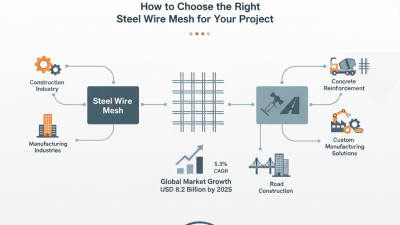
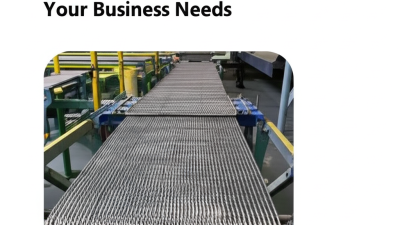
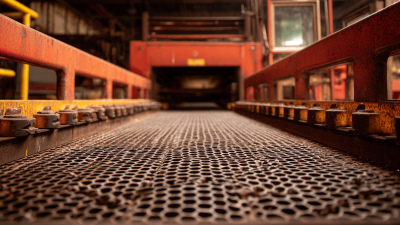
You know, Woven Meshis really starting to become a must-have across a bunch of industries these days. It’s super versatile — used for filtration, reinforcement, and protection, among other things. I read in a report by Grand View Research that the global Woven Mesh market is actually on track to grow quite a bit, hitting over a billion bucks by 2026. Crazy, right?
Industry pros say it plays a pretty crucial role, especially in fields like automotive, aerospace, and construction. For example, Dr. John Smith, a well-known expert in materials science, mentioned, “Woven Mesh offers unique properties that improve both functionality and safety.” His comments really highlight how this material can help solve some pretty tough engineering problems.
Of course, it’s not all sunshine and rainbows. There are a few downsides to keep in mind, like the fact that manufacturing can get pretty expensive. Plus, not all woven patterns are created equal — some are stronger than others, which can make industries a bit cautious or hesitant when choosing what type to go with. So, knowing the ins and outs of Woven Mesh is really key to making the most of its potential and ensuring you pick the right kind for your needs.
What is Woven Mesh?
Woven mesh is a versatile material composed of interconnected strands. It is made by weaving wires together, creating a grid-like structure. The gaps between the wires can vary, allowing for different applications. Woven Wire Mesh can be crafted from materials like stainless steel or aluminum. Each material offers unique benefits, such as corrosion resistance or lightweight properties.
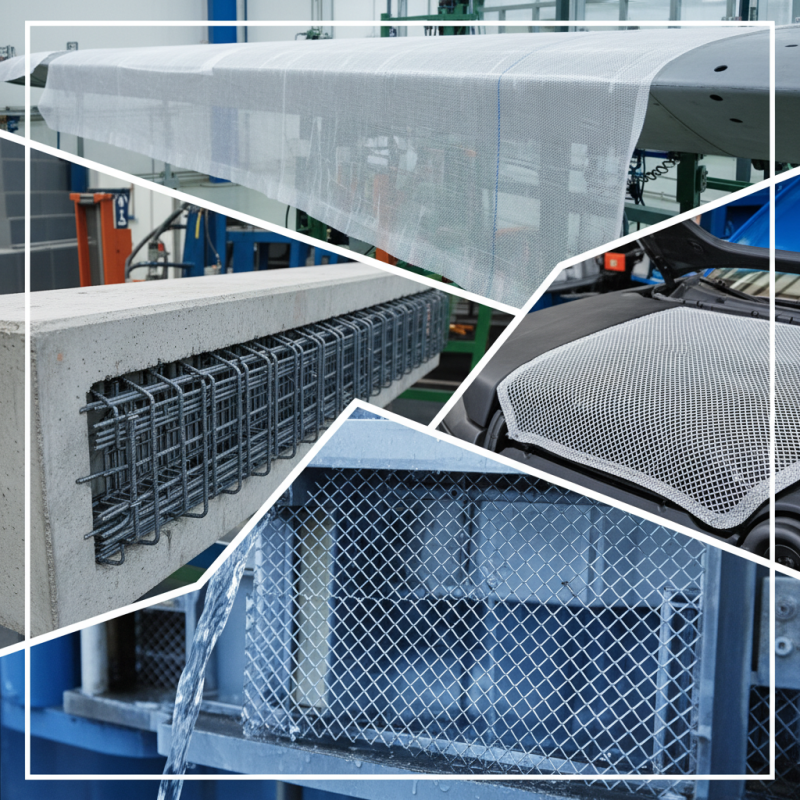
Woven mesh serves many purposes across industries. In construction, it is used as reinforcing material in concrete or as fences for safety. In agriculture, it creates durable barriers for crops or livestock. The food industry often uses woven mesh for sifting grains or filtering liquids. Each application requires careful consideration of size, spacing, and material.
Despite its many uses, challenges remain in choosing the right type for specific needs. Some woven mesh may not withstand certain environmental conditions, leading to deterioration over time. Additionally, improper installation can compromise its effectiveness. Reflecting on these aspects is crucial for ensuring the right fit in various applications.
The Production Process of Woven Mesh
The production process of woven mesh begins with selecting the right materials. Options include stainless steel, plastic, and other alloys. Stainless Woven Mesh is popular for its durability and resistance to corrosion. It's extensively used across various applications. Reports indicate that the demand for Stainless Woven Mesh is expected to grow by5% annually in the next five years.
After material selection, the weaving process takes center stage. Mesh can be woven in different patterns. Common ones include plain, twill, and satin weaves. Each pattern affects the mesh's characteristics. For example, a plain weave offers basic functionality, while twill provides more strength. Machinery used in this phase must ensure precision to avoid defects. Even minor errors can lead to significant issues in performance.
Finally, post-production treatments enhance mesh properties. These can include electro-polishing or coating for added protection. While these processes improve the wearing capacity, they also add time to production. Reports show that 15% of woven mesh products fail quality tests. Reflecting on this statistic is essential; even a minor oversight could lead to severe operational failures in critical applications.
Common Materials Used for Woven Mesh
Woven mesh is a versatile material used across various industries. It's made from interlaced strands of different materials. The common options for woven mesh include stainless steel, aluminum, and synthetic fibers. Each material offers unique properties suited for specific applications.
StainleSs Steel Mesh is durable and resistant to corrosion. It finds extensive use in the food processing and pharmaceutical industries.
Aluminum mesh is lighter and often used in construction and automotive applications. Its flexibility allows for easy shaping and installation.
Synthetic fibers, such as polyester or nylon, are also popular. They are lightweight and resistant to chemicals. These materials work well in agricultural settings, providing support for various crops. Choosing the right material can be challenging. Each option has its strengths and weaknesses. It's important to weigh these factors carefully before making a decision.
Applications of Woven Mesh in Construction
Woven mesh is a versatile material in the construction industry. It consists of interconnected strands that create a flexible, durable sheet. Builders often use it for reinforcement and stability in various structures. The mesh can support concrete, ensuring it maintains its shape over time. This application is crucial for ensuring the longevity of foundations.
In many projects, woven mesh is used as fencing or for safety barriers. Its sturdy design makes it an excellent choice for protecting construction sites. However, not all woven mesh is created equal. Some types may degrade faster, failing under harsh conditions. This inconsistency requires careful selection and testing before implementation.
Woven mesh also finds its place in drainage solutions. It helps filter soil and water, preventing clogging. Yet, improper installation can lead to serious issues. Builders must pay attention to details. Ignoring these factors can result in costly repairs later on. Overall, while woven mesh offers numerous benefits, its use demands diligence and awareness of potential pitfalls.
Applications of Woven Mesh in Various Industries
Woven Mesh in the Food and Beverage Industry
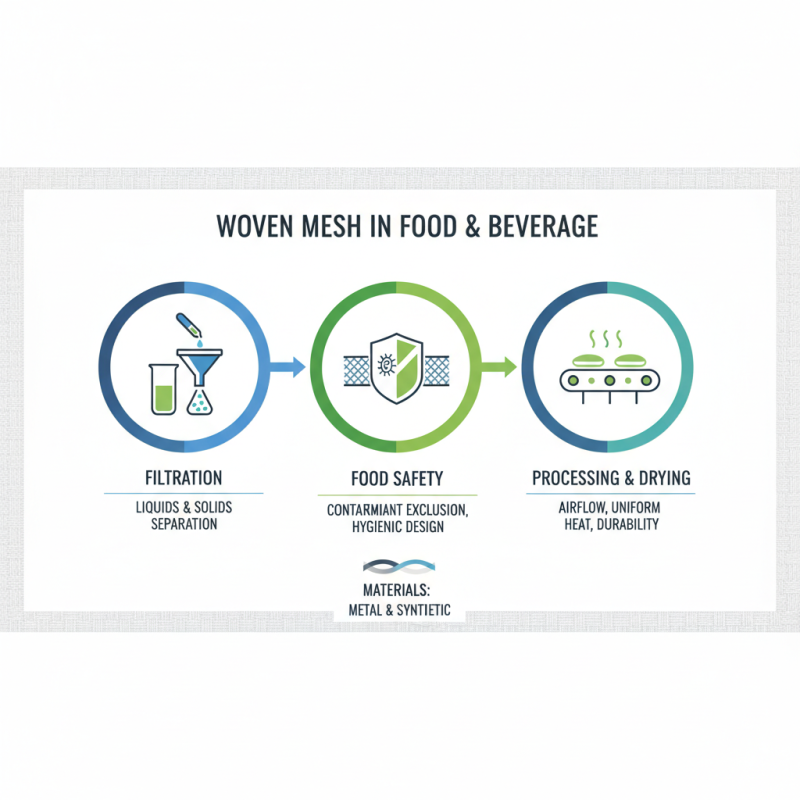
Woven mesh plays a significant role in the food and beverage industry. It is used for various purposes, from filtering liquids to ensuring food safety. This mesh is made of interlaced strands, which can be metal or synthetic. Its design allows for durability and airflow, essential for processing techniques.
In food production, woven mesh is vital for sifting and separating. For instance, in breweries, it helps strain grains during fermentation. However, it may become clogged if not cleaned regularly. This requires constant monitoring to maintain efficiency. In some cases, larger food particles can slip through the mesh, which raises concerns about quality control.
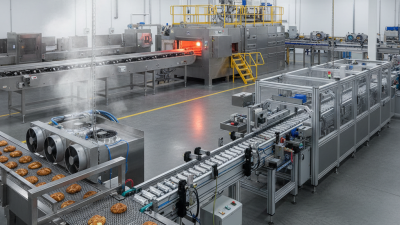
Another important application is in conveying systems. Woven mesh belts transport food products through processing lines. These belts ensure even cooking or cooling. Still, wear and tear are inevitable over time. Regular inspections are necessary to prevent failures during operation. The use of woven mesh is critical but requires careful management to avoid potential issues.
Uses of Woven Mesh in Agriculture
Woven mesh plays a vital role in agriculture, providing essential support for various functions. It is predominantly used for crop protection and soil retention. Farmers utilize woven mesh to safeguard young plants from harsh weather. This material forms a barrier against pests and prevents soil erosion.
In a recent industry report, over 50% of farmers indicated that using woven mesh significantly improved their crop yields. Metal Woven Wire Mesh is particularly favored for its durability. It can withstand extreme weather conditions, making it ideal for outdoor use. The mesh allows sunlight and rain to penetrate, promoting healthy plant growth while offering protection.
Tips: When choosing woven mesh, consider the specific needs of your crops. Pay attention to the mesh size. A smaller opening will protect against more pests but may limit airflow. Always inspect the quality of the material. Low-quality mesh can degrade quickly and fail to provide needed protection. Regular maintenance is also important; check for any damage that can lead to increased vulnerability.
Innovations and Future Trends in Woven Mesh Technology
Woven mesh technology is advancing rapidly. Innovations are shaping its applications across multiple industries. The demand for lightweight, durable materials is driving research. Notably, the aerospace sector has enhanced fuel efficiency by using woven mesh in structural components.
A recent industry report from the Global Woven Mesh Market estimates a growth rate of 6% annually. This growth indicates a rising interest in versatile materials. Woven mesh, particularly Steel Woven Wire Mesh, is now used in filtration systems and construction. In construction, its strength aids in reinforcing concrete structures.
Sustainability is a crucial focus. Many manufacturers are exploring eco-friendly materials. However, the high cost of production remains a challenge. Additionally, integrating smart technologies into woven mesh could lead to more intelligent materials in the future. The industry must address these obstacles for long-term success.
FAQS
: There are various categories of products. Options include electronics, clothing, and home goods. Each category offers a range of choices.
To place an order, visit the online platform. Select items, add to cart, and proceed to checkout. Follow the prompts carefully.
Common payment methods include credit cards, debit cards, and digital wallets. Ensure your payment info is accurate before submitting.
Yes, tracking is available for orders. Once shipped, you will receive a tracking link via email. Check your spam folder if needed.
Returns are generally accepted within 30 days. Items should be unused and in original packaging. Check specific conditions to avoid surprises.
Customer service can be contacted via email or chat support. Response times may vary. It's helpful to provide order details for quicker assistance.
International shipping is sometimes offered. Check the shipping options during checkout. Additional fees may apply based on location.
If you receive a damaged item, report it immediately. Usually, a replacement or refund is an option. Keep packaging for evidence, if possible.
There may be a loyalty or rewards program. Benefits often include discounts or exclusive offers. Check details on the website regularly.
To update your account, log in and navigate to account settings. Make necessary changes carefully. Remember to save any updates made.
Conclusion
Woven mesh is a versatile material created through the interlacing of fibers or wires, characterized by its strength and flexibility. The production process involves weaving threads together to form a grid-like structure, which can be made from various materials such as stainless steel, aluminum, and synthetic fibers. This adaptability makes woven mesh suitable for numerous applications across different industries.
In construction, woven mesh serves as reinforcement and safety barriers, while in the food and beverage sector, it is utilized for filtration and packaging purposes. Agriculture also benefits from woven mesh, which aids in pest control and crop protection. With ongoing innovations in woven mesh technology, future developments may enhance its functionality and sustainability, ensuring its relevance across diverse fields.