


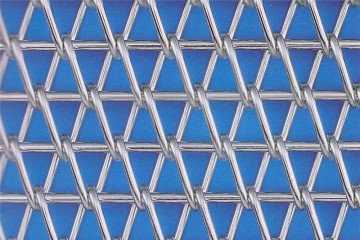
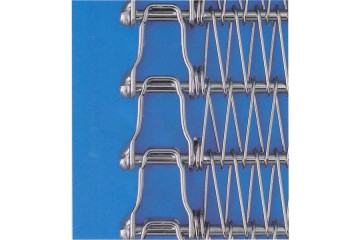


China Suppliers Factory for High-Performance Solar Thermal Oven Belts and Drying Conveyors for Module Assembly
Products Description
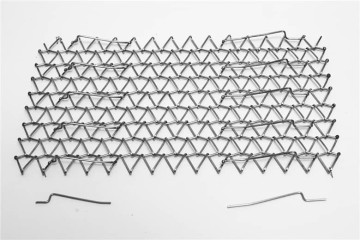
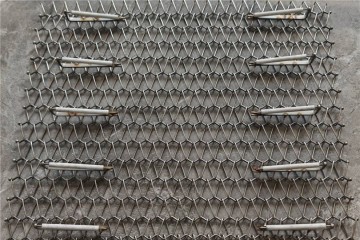
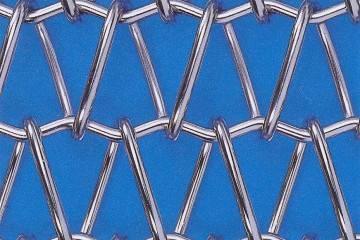
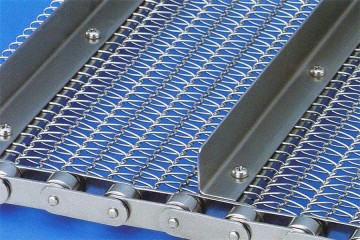
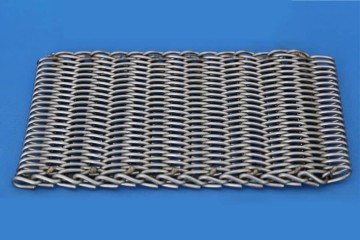
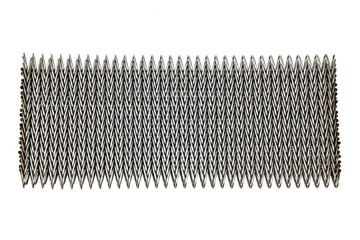
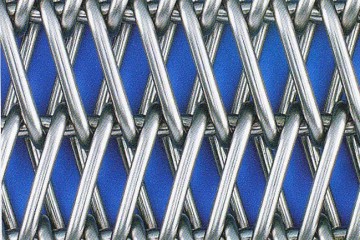
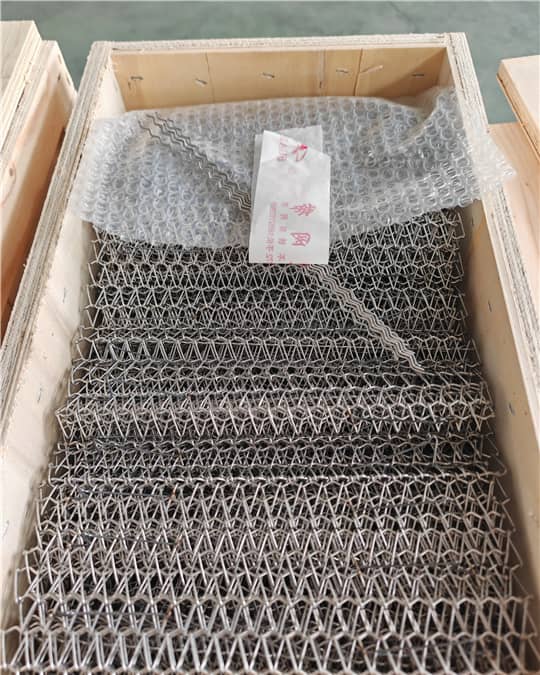
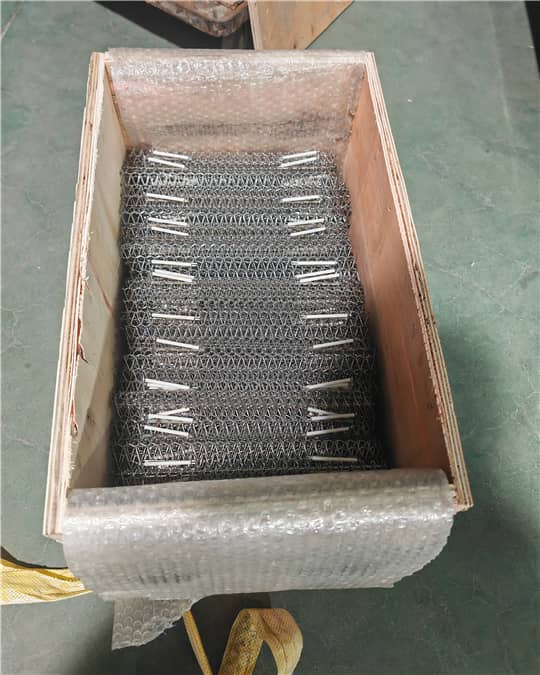
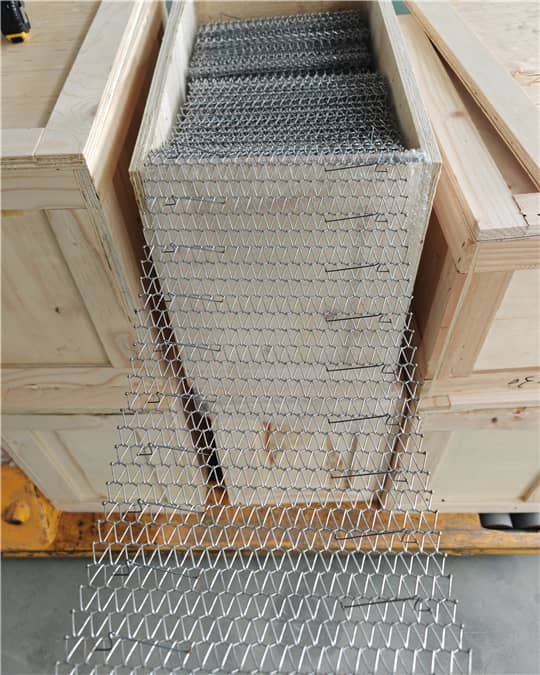
Our solar drying oven mesh belts use 316L stainless steel with anti-static coating, designed for PV backsheet E-coating and pre-lamination drying. Chemical-resistant structure withstands acid washdown.
Jiangsu Huada’s PV cell drying oven belts are engineered for critical moisture removal in monocrystalline/polycrystalline silicon production. Our 316L stainless steel conveyor systems deliver:
- < 5ppm residual moisture (verified by FTIR analysis)
- 30% faster drying cycles vs. conventional mesh belts
- Zero metal contamination (ICP-MS tested to <0.1ppb)
Key Applications:
- Post-texturing cleaning drying
- PSG removal rinse drying
- Edge isolation process drying
Technical Advantages
Superior Chemical Resistance
- Withstands 1-10% HF / HNO3 residuals
- Passes 1,000-hour salt spray test (ASTM B117)
Optimized Drying Performance
- 85% open area design for laminar airflow
- Mirror-polished surface (Ra ≤0.4μm) minimizes water adhesion
Thin Wafer Protection
- ESD-safe (surface resistance 10⁶-10⁹Ω)
- Rounded edge guides reduce breakage to <0.05%
Performance Comparison Table
| Parameter | Huada Drying Belt | Industry Standard |
|---|---|---|
| Acid Resistance | Up to 10% HF | ≤5% HF |
| Drying Uniformity | ±1.5% RH | ±5% RH |
| Breakage Rate (160μm) | 0.03% | 0.15-0.3% |
| Energy Consumption | 8.2 kW·h/m² | 12.5 kW·h/m² |
Application Spotlight
Challenge: Inconsistent drying on textured wafers causes efficiency loss.
Solution:
Material: 316L electropolished stainless steel
Structure: standoff design reduces contact area
Material: 316L electropolished stainless steel
Structure: standoff design reduces contact area
Validation:
- 22% faster drying (180s → 140s)
- Metal contamination <0.1ppb (ICP-MS)
Customer Case Study
TOPCon Cell Manufacturer Testimonial:
After switching to Huada’s drying belts, we achieved:
- "0.03% breakage rate (previously 0.18%)
- €75k/year LN2 cost savings
- Zero corrosion after 3-year DH2000 testing"
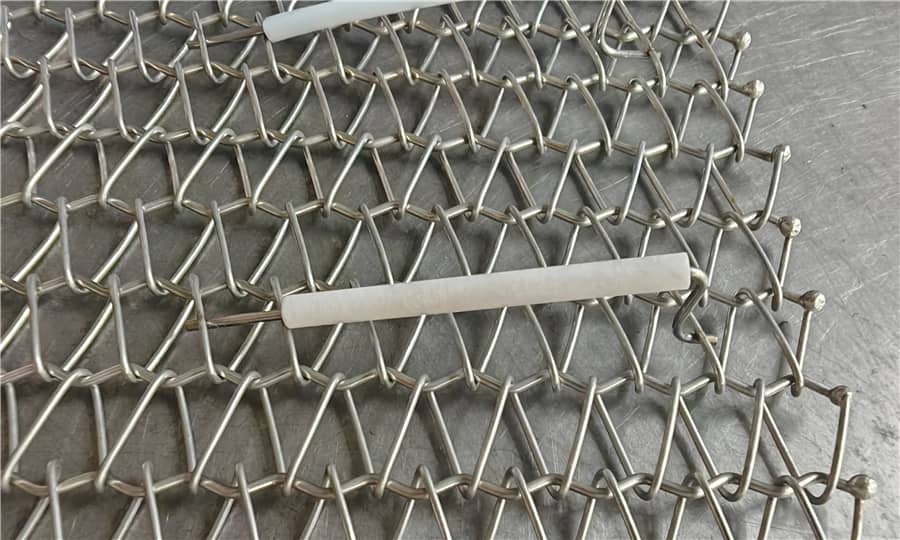
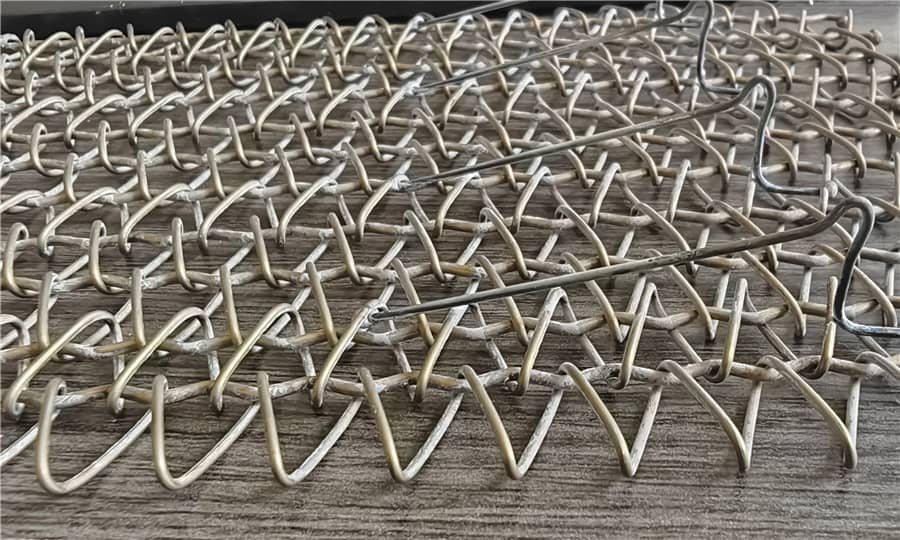
Detail Pictures
Frequently Asked Questions
What material is used for the solar drying oven mesh belts?
The belts are manufactured using 316L stainless steel with an anti-static coating, providing excellent durability and chemical resistance.
How much faster are the drying cycles with Huada's belts?
Our mesh belts offer 30% faster drying cycles compared to conventional mesh belts, reducing drying time from 180s to 140s in validated tests.
Are these drying belts chemically resistant?
Yes, they feature superior chemical resistance, easily withstanding 1-10% HF / HNO3 residuals and passing the 1,000-hour salt spray test (ASTM B117).
How do the belts protect thin wafers from breaking?
They are designed to be ESD-safe (surface resistance 10⁶-10⁹Ω) and feature rounded edge guides, which successfully reduce the breakage rate to less than 0.05%.
What is the energy consumption of the Huada Drying Belt?
The energy consumption is highly optimized at 8.2 kW·h/m², which is significantly lower than the industry standard of 12.5 kW·h/m².
What are the primary applications for this product?
Key applications include post-texturing cleaning drying, PSG removal rinse drying, and edge isolation process drying in solar cell manufacturing.