


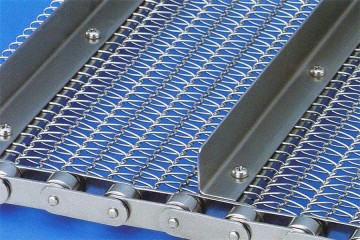
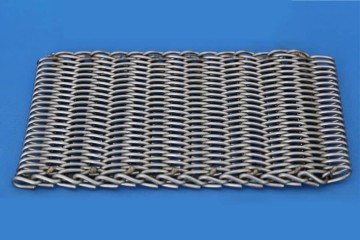
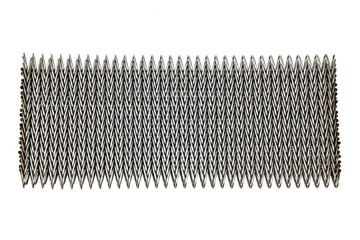
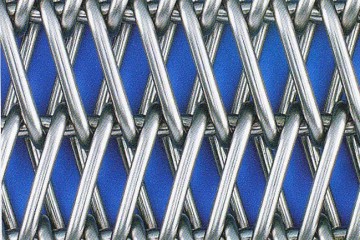
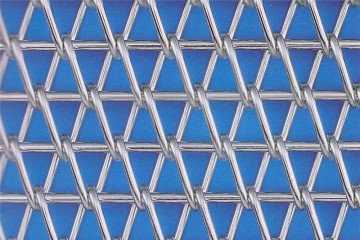
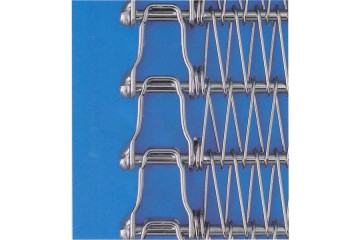


China Suppliers Factory for High-Quality Solar Thermal Oven Belts and PV Wafer Drying Solutions
Products Description
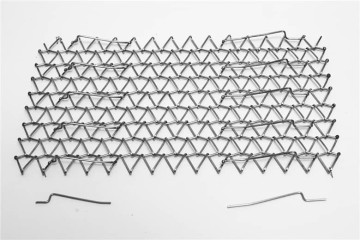
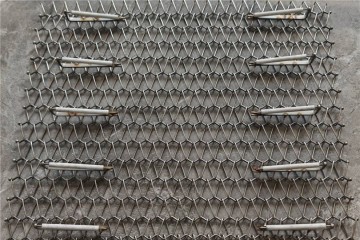
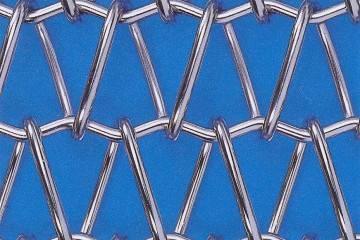
Our solar drying oven mesh belts use 316L stainless steel with anti-static coating, designed for PV backsheet E-coating and pre-lamination drying. Chemical-resistant structure withstands acid washdown.
Jiangsu Huada’s PV cell drying oven belts are engineered for critical moisture removal in monocrystalline/polycrystalline silicon production. Our 316L stainless steel conveyor systems deliver:
✔
< 5ppm residual moisture (verified by FTIR analysis)
✔
30% faster drying cycles vs. conventional mesh belts
✔
Zero metal contamination (ICP-MS tested to <0.1ppb)
Key Applications:
➔ Post-texturing cleaning drying
➔ PSG removal rinse drying
➔ Edge isolation process drying
Technical Advantages
🛡️ Superior Chemical Resistance
• Withstands 1-10% HF / HNO3 residuals
• Passes 1,000-hour salt spray test (ASTM B117)
⚡ Optimized Drying Performance
• 85% open area design for laminar airflow
• Mirror-polished surface (Ra ≤0.4μm) minimizes water adhesion
💎 Thin Wafer Protection
• ESD-safe (surface resistance 10⁶-10⁹Ω)
• Rounded edge guides reduce breakage to <0.05%
Performance Comparison Table
| Parameter | Huada Drying Belt | Industry Standard |
| Acid Resistance | Up to 10% HF | ≤5% HF |
| Drying Uniformity | ±1.5% RH | ±5% RH |
| Breakage Rate (160μm) | 0.03% | 0.15-0.3% |
| Energy Consumption | 8.2 kW·h/m² | 12.5 kW·h/m² |
Application Spotlight
Challenge: Inconsistent drying on textured wafers causes efficiency loss.
Solution:
Material: 316L electropolished stainless steel
Structure: standoff design reduces contact area
Validation:
• 22% faster drying (180s → 140s)
• Metal contamination <0.1ppb (ICP-MS)
Customer Case Study
TOPCon Cell Manufacturer Testimonial:
"After switching to Huada’s drying belts, we achieved:
• 0.03% breakage rate (previously 0.18%)
• €75k/year LN2 cost savings
• Zero corrosion after 3-year DH2000 testing"
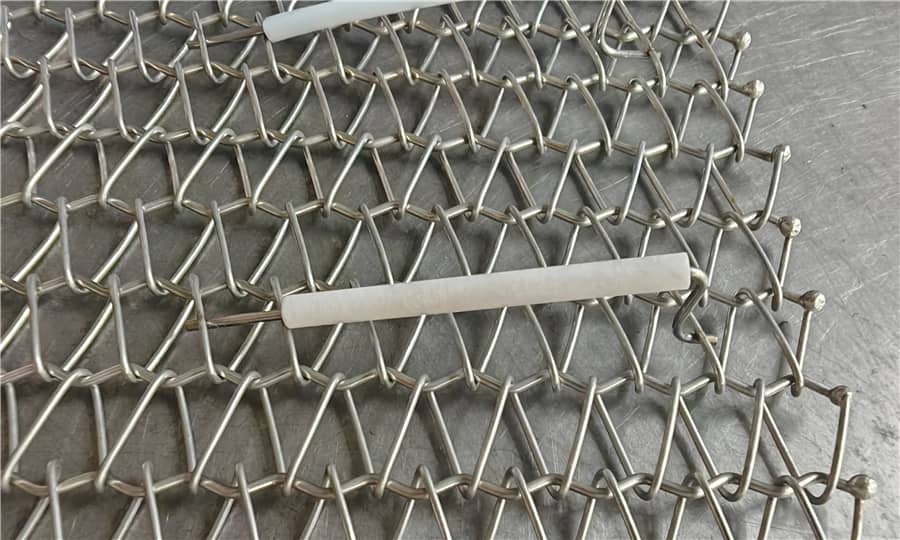
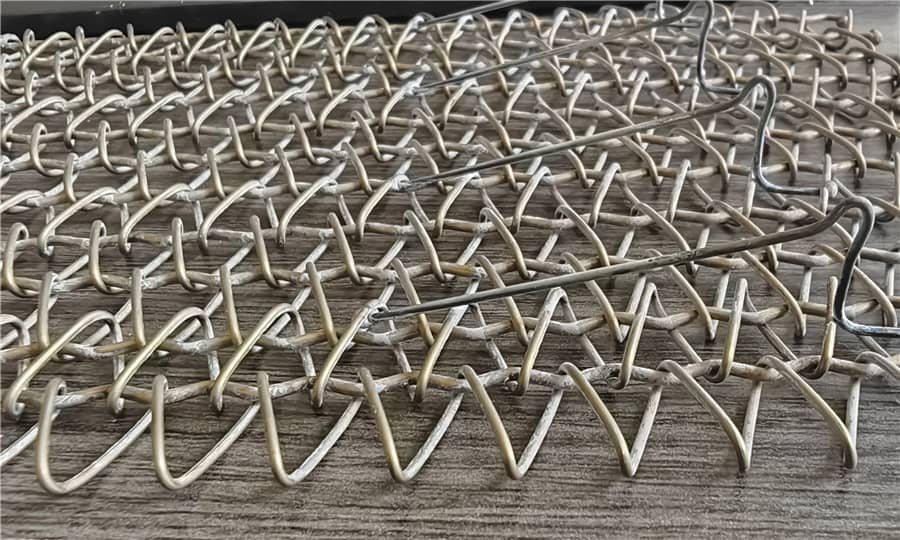
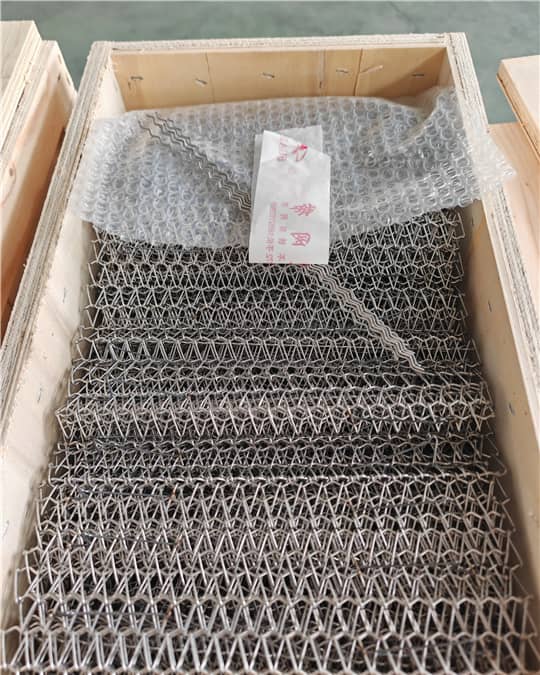
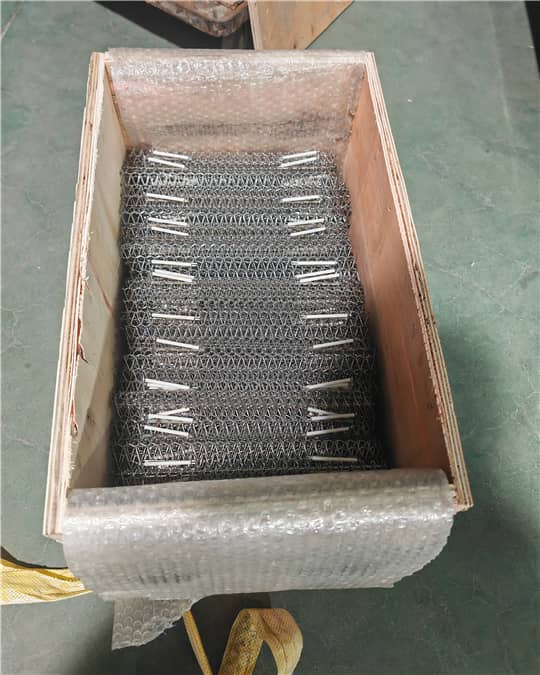
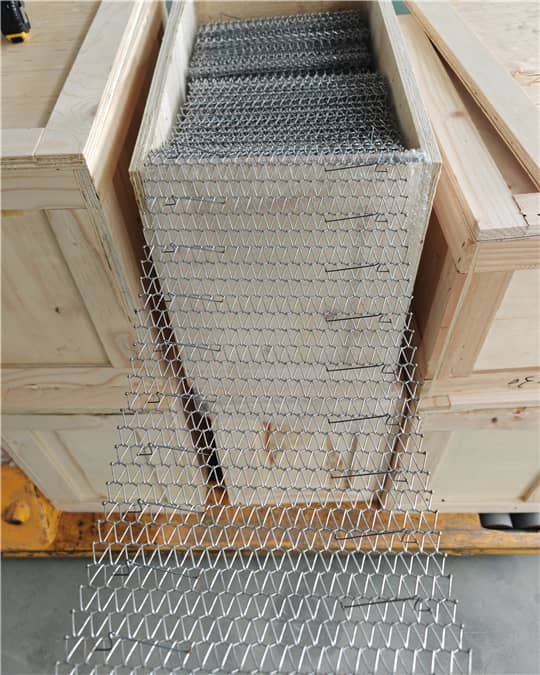
Detail Pictures
Frequently Asked Questions
Q1: What materials are used in Huada solar drying oven mesh belts?
Our belts are manufactured using high-grade 316L stainless steel with a specialized anti-static coating, ensuring maximum chemical resistance and durability in PV production environments.
Q2: How does the belt reduce wafer breakage rates?
The design features rounded edge guides and an ESD-safe surface (10⁶-10⁹Ω resistance), which protects thin wafers (down to 160μm) and reduces breakage rates to less than 0.05%.
Q3: Are these drying belts resistant to acidic cleaning agents?
Yes, the electropolished 316L structure is engineered to withstand 1-10% HF and HNO3 residuals, passing 1,000-hour salt spray tests for superior corrosion resistance.
Q4: What makes the drying process 30% faster than standard belts?
The 85% open area design allows for optimal laminar airflow, while the mirror-polished surface minimizes water adhesion, leading to significantly faster moisture removal.
Q5: Can these belts be used for TOPCon or monocrystalline cell production?
Absolutely. They are specifically engineered for high-efficiency cell lines like TOPCon, where zero metal contamination (