


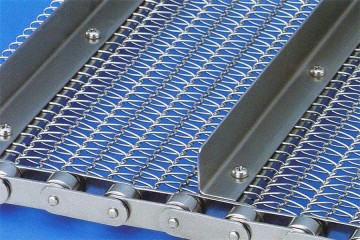
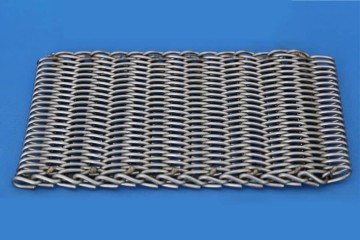
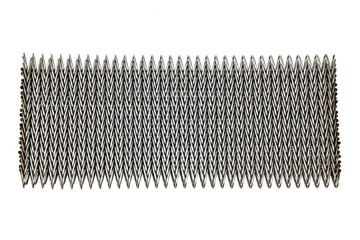
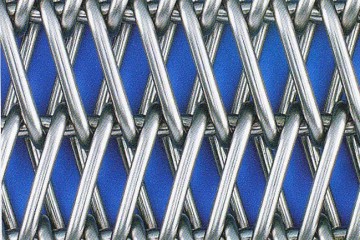
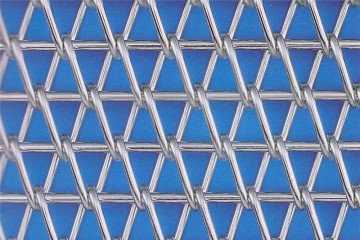
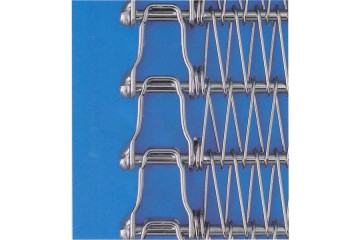


China Suppliers Factory for High-Temp Solar Cell Sintering Furnace Belts - Precision Solutions for PV Manufacturing
Products Description
- Silver paste curing in PERC/TOPCon cells
- Bifacial cell metallization
- HJT cell rapid thermal processing (RTP)
Why Choose Huada Sintering Belts?
Applications in Solar Cell Manufacturing
| Process | Key Requirements | Huada Solution |
|---|---|---|
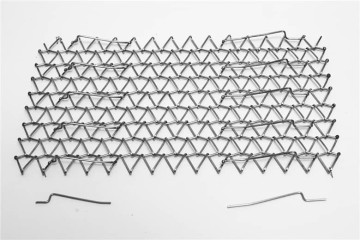
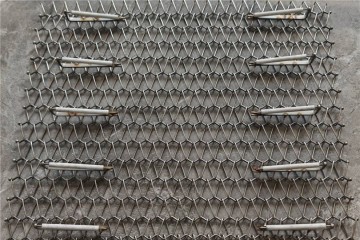
| Front-side firing | High thermal shock resistance | Cr20Ni80 with Titanium Coated standoff |
| Back-side doping | Low particulate generation | Electropolished surface finish |
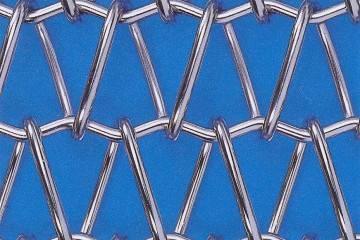
| Co-firing | Multi-zone temperature compliance | Customized porosity control |
Client Success
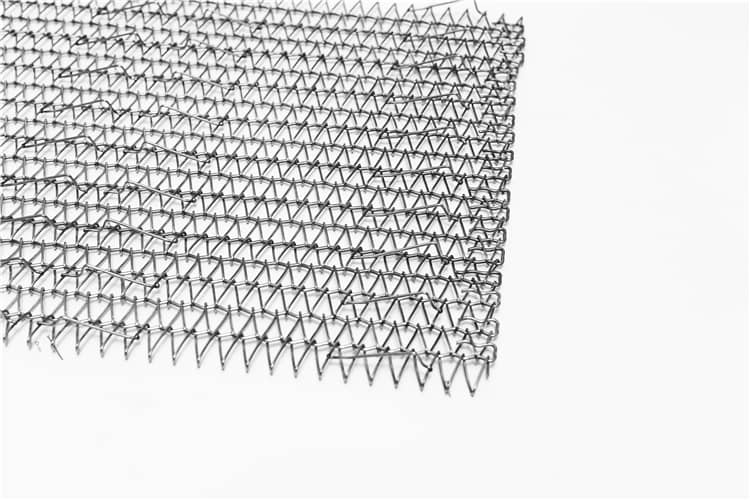
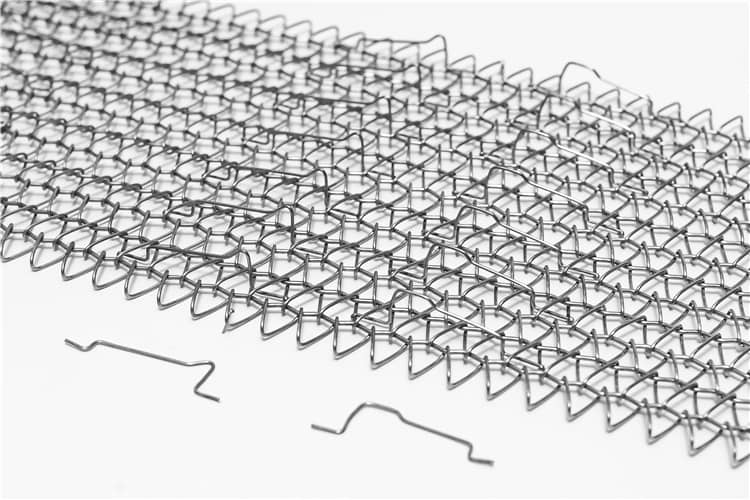
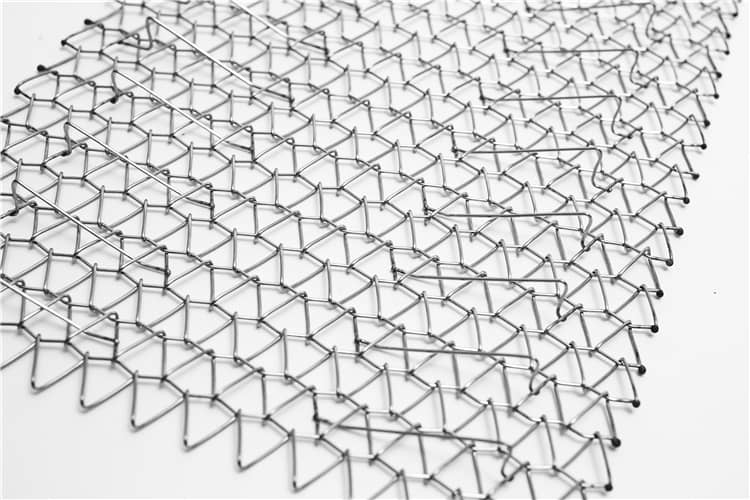
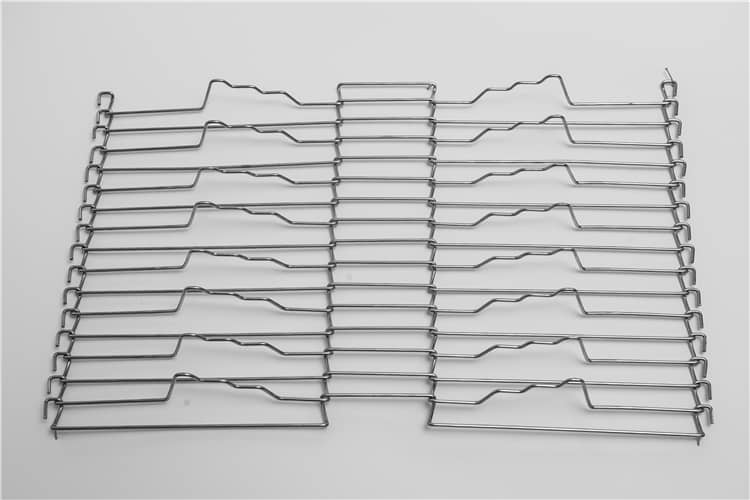
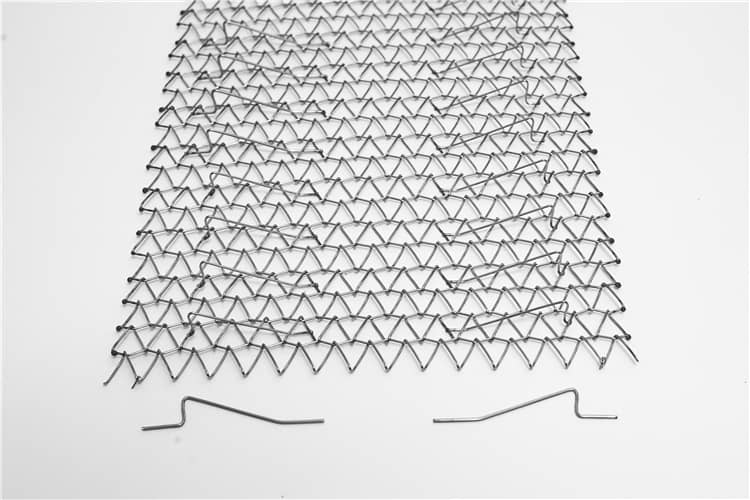
Detail Pictures
Frequently Asked Questions (FAQ)
Q: What is the maximum operating temperature for Huada solar sintering furnace belts?
Huada's solar sintering furnace belts are engineered to withstand extreme thermal cycles up to 1200°C. They are designed for continuous operation within the 800-1200°C range, maintaining a thermal expansion coefficient of ≤13×10⁻⁶/°C.
Q: Which materials are used to manufacture these sintering furnace belts?
We use premium high-temperature alloys including Cr20Ni80 and 314/310S Stainless Steel to ensure zero warping, high thermal shock resistance, and a 40% longer lifespan compared to traditional Inconel belts.
Q: Are Huada sintering belts compatible with TOPCon and HJT solar cells?
Yes, our sintering belts are fully compatible with TOPCon, HJT, and PERC cell production. They are widely used for processes such as silver paste curing, bifacial cell metallization, and rapid thermal processing (RTP).
Q: What quality certifications do your solar sintering belts carry?
All Jiangsu Huada solar sintering furnace belts are certified to ISO 9001 and the CE Machinery Directive, ensuring strict compliance with international manufacturing and safety standards.
Q: Can I request custom sizing for specific furnace models?
Yes, we provide custom sizing and OEM services tailored to major solar sintering furnace brands, including Despatch and BTU furnaces, with dimensional tolerances held under <0.1mm.