






0102030405
Industry News
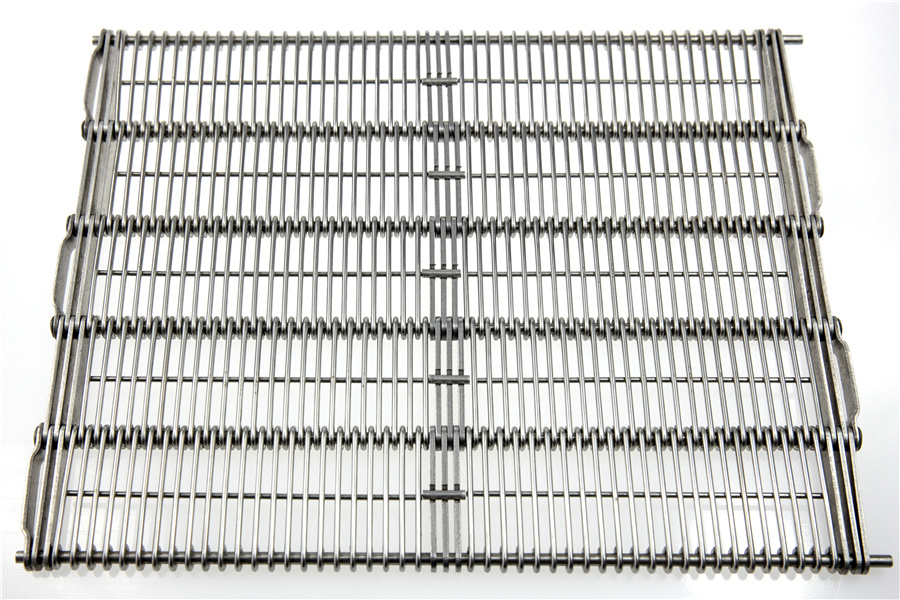
Stainless Steel vs Alloy Furnace Belts: Which Is Better?
2026-07-07
In high-temperature thermal processing, metal conveyor belts are subjected to extreme thermodynamic and mechanical stresses. Choosing the right material for continuous industrial furnaces—such as brazing, sintering, or heat-treating ovens—d...
view
detail

What Materials Are Used in Solar Sintering Furnace Belts?
2026-06-30
In photovoltaic (PV) cell manufacturing, the solar metallization firing process represents a critical stage that determines the conversion efficiency of silicon wafers. Within the solar sintering furnace, the mesh belt acts as the continuous thermodynami...
view
detail
Key Functions of Sintering Furnace Belts in PV Manufacturing
2026-06-24
In the solar photovoltaic (PV) manufacturing pipeline, the co-firing or metallization sintering process represents a critical juncture that directly defines the conversion efficiency of the final solar cell. Operating at extremely high temperatures within ...
view
detail
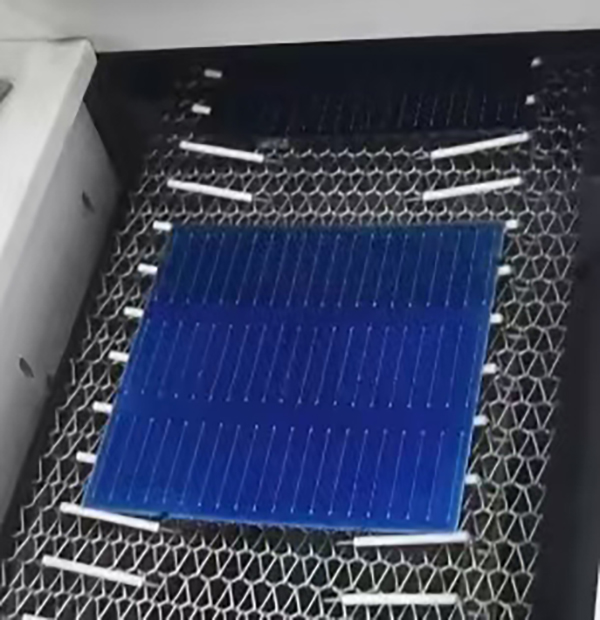
Why Furnace Belts Matter in Solar Cell Production: The Unsung Heroes of Photovoltaic Efficiency
2026-06-15
The global transition toward renewable energy has placed immense pressure on photovoltaic (PV) manufacturers to scale production while driving down the per-watt cost of solar cells. In the highly automated assembly lines of modern solar cell manufactur...
view
detail

What Is a Solar Sintering Furnace Belt and How Does It Work?
2026-06-09
The solar energy revolution is moving at a breakneck pace. As the global demand for high-efficiency photovoltaic (PV) cells skyrockets, solar manufacturers are constantly looking for ways to optimize production lines, increase throughput, and reduce wafe...
view
detail

Top Trends in Automated Food Processing: The Role of Spiral Mesh Belts
2026-06-01
The global food processing industry is undergoing a massive transformation. Driven by shifting consumer preferences, stringent food safety regulations, and a pressing need for higher operational efficiency, processing facilities are rapidly moving towa...
view
detail

Why 316 Stainless Steel is Essential for Corrosive Processing Environments
2026-05-27
When designing or maintaining industrial conveyor systems for harsh processing environments, material selection is the single most critical factor determining operating life, safety, and cost-efficiency. Among the various alloys available for metal mesh ...
view
detail

The Importance of Edge Finishes: Welded, Knuckled, or Clevis?
2026-05-19
When designing or ordering a stainless steel wire mesh belt, it is easy to get caught up in specifications like wire gauge, spiral pitch, and alloy selection. While these parameters are vital for load capacity and thermal resistance, there is one critica...
view
detail

Solving Common Issues: Why Your Wire Mesh Belt is Slipping or Stretching
2026-05-15
In a continuous production environment, a conveyor belt is often taken for granted—until it stops. For plant managers and maintenance engineers, few things are as frustrating as a wire mesh belt that refuses to track straight, begins to slip on...
view
detail

Maximizing Lifespan: Top 5 Materials for High-Temperature Furnace Belts
2026-05-12
In the demanding world of industrial heat treatment—where temperatures often soar above 1000°C—the conveyor belt is more than just a moving part; it is the heartbeat of the production line. However, high-temperature environments are notor...
view
detail