






Can Solar Sintering Furnace Belts Be Customized?
In high-efficiency silicon solar cell manufacturing, the firing and sintering process plays a decisive role in determining cell conversion efficiency and electrode contact resistance. As metallization pastes—such as silver and aluminum inks—are co-fired onto silicon wafers inside continuous solar sintering furnaces, precise thermal profiles must be maintained across extreme temperature ramp rates.
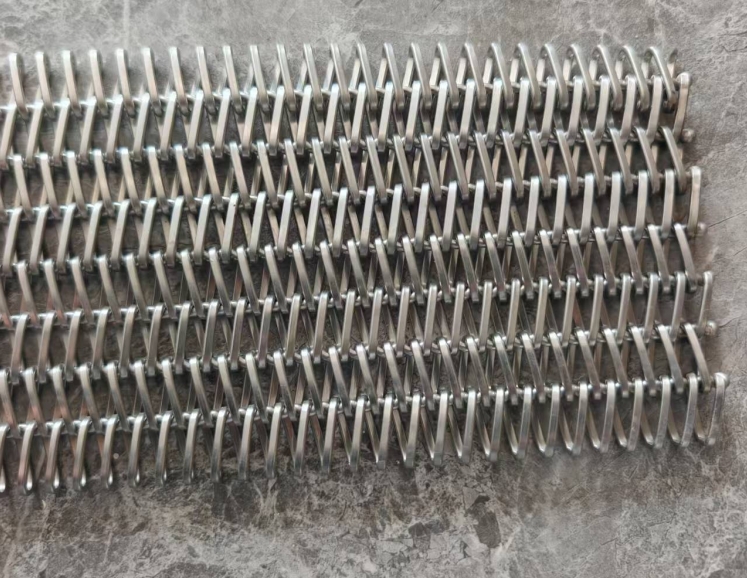
At the center of this thermal process is the high-temperature wOven Wire Mesh conveyor belt. Given that thermal zones, belt speeds, wafer dimensions, and furnace atmospheres vary across production lines, a common question raised by solar cell engineering teams is:Can solar sintering Furnace Belts be customized to fit specific thermal processing setups?
The short answer is yes—customization is essential. Off-the-shelf conveyor belts rarely meet the precise tension, thermal shock resistance, and pitch stability demanded by top-tier photovoltaic cell producers.
At Huada Metal Mesh Belt(www.globalmeshbelt.com), we engineer specialized, high-temperature wire mesh belts designed specifically for photovoltaic cell co-firing and fast firing furnaces. In this engineering guide, we explore the key customizable parameters of solar sintering belts and how tailoring these specifications directly improves line throughput and belt operational lifespan.
Modern solar cell manufacturing lines—whether producing TOPCon, HJT, or PERC architectures—require rapid heating cycles where temperatures climb above 800°C–900°C within seconds, followed by controlled cooling. Standard industrial wire mesh belts often struggle under these conditions due to:
Customizing the mesh design ensures that the belt matches your exact furnace gradient, drive mechanism, and wafer payload characteristics.
| Customization Vector | Engineering Options & Variants | Performance Impact on Solar Line |
|---|---|---|
| High-Temperature Alloy Selection | Nichrome Alloys (e.g., Cr20Ni80), Inconel 601, Incoloy 800H, SUS 314, FeCrAl (Kanthal) | Prevents oxidation scaling, preserves structural tensile strength, and stops thermal sagging up to 1150°C. |
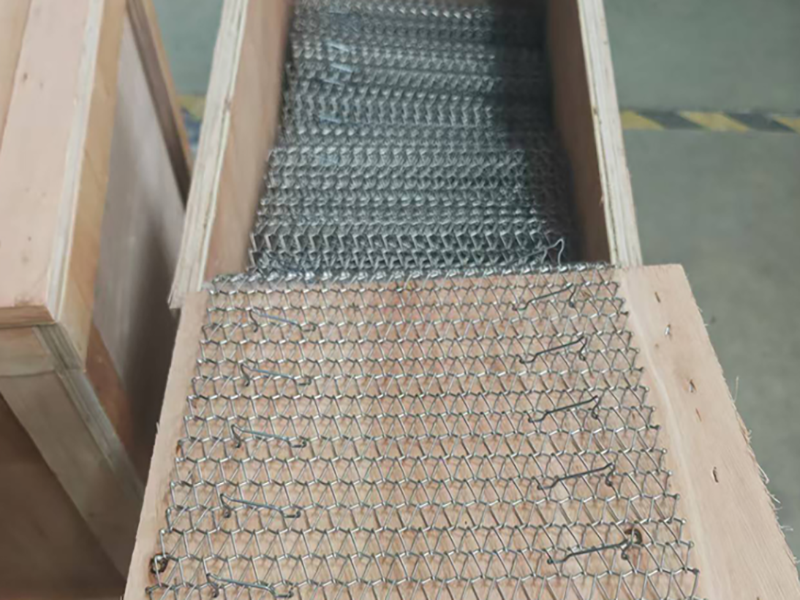
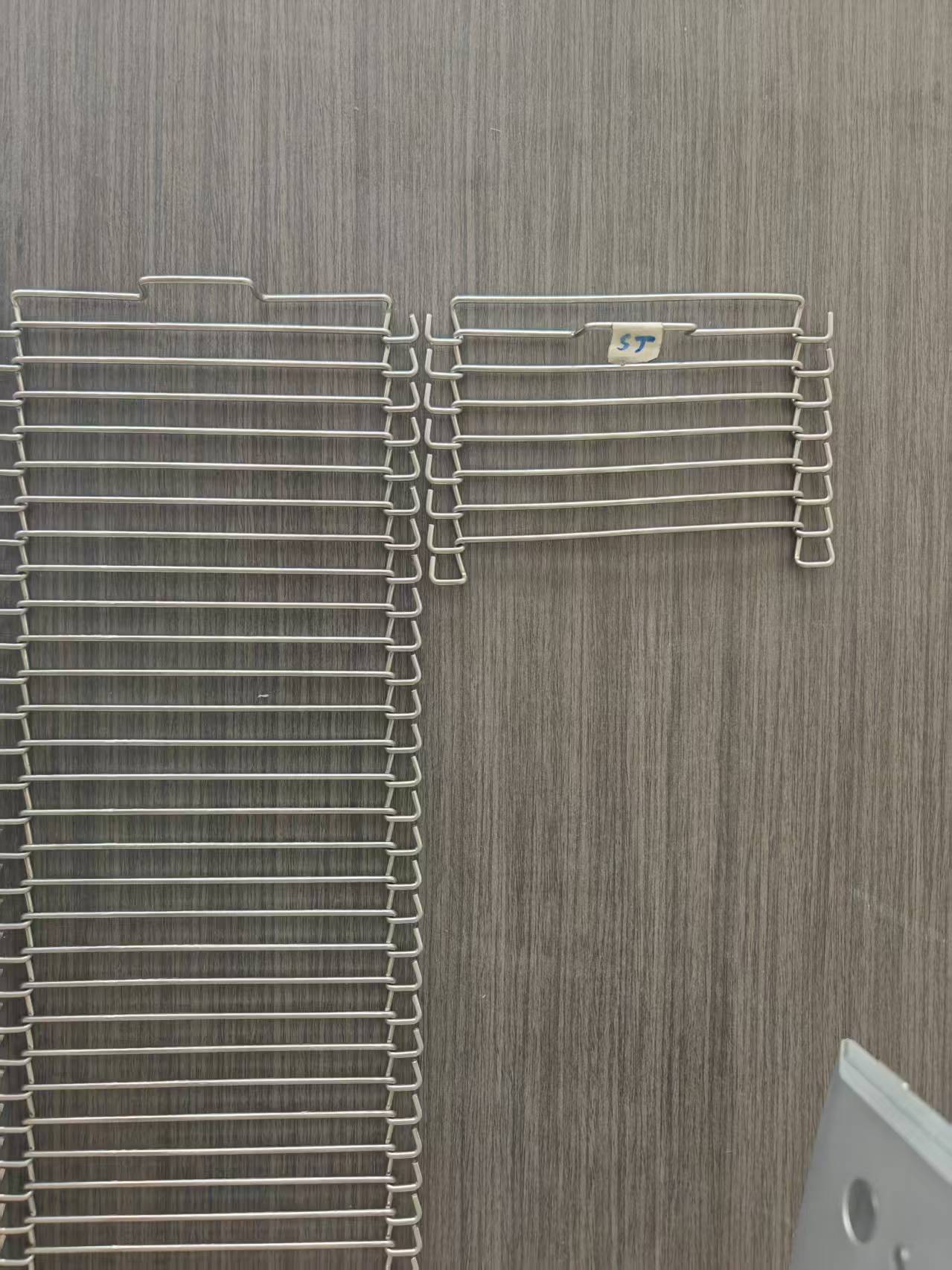
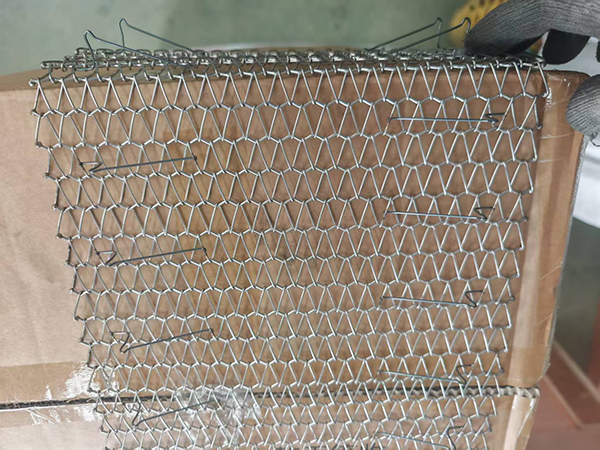
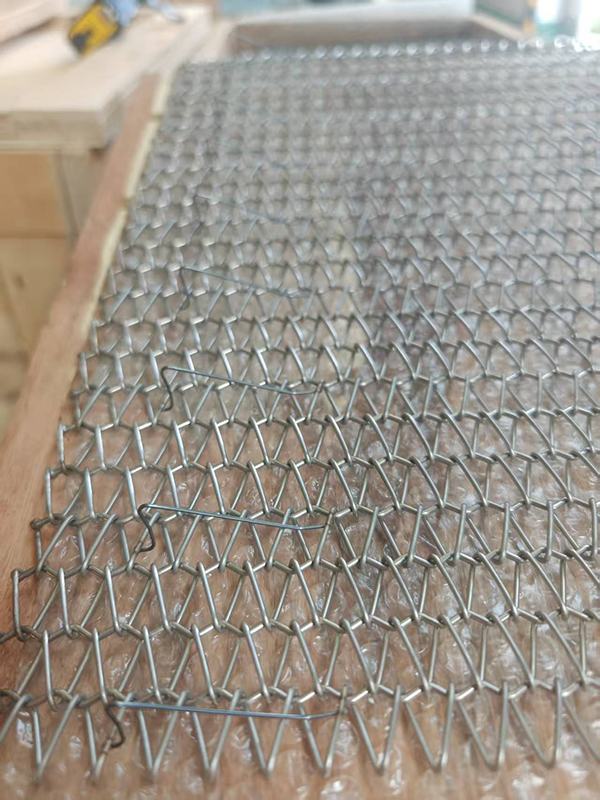
| Mesh Weave Geometry | Balanced Spiral Weave, Compound Balanced Weave, Double-Spiral Mesh with specific rod/wire pitches | Optimizes air circulation for binder burn-off while offering a smooth, flat seating surface to prevent wafer movement. |
| Edge Construction | Welded Edges, Knuckled (Bent) Edges, Reinforced Chain Link Borders | Eliminates edge fraying, enhances transverse stiffness, and maintains stable tracking across sprockets. |
| Wire Diameter & Pitch Precision | Custom spiral wire gauge (0.8mm to 2.5mm) and custom cross-rod spacing | Balances overall belt mass (reducing thermal energy consumption) against maximum tensile load ratings. |
Engineering Focus: Thermal Mass Optimization
A critical advantage of custom mesh belt design is optimizing belt mass. A belt that is too heavy acts as a thermal heat sink, forcing the furnace heating elements to consume excess power to maintain target temperature profiles. By customizing wire gauges and spiral density, Global Mesh Belt achieves maximum structural stability while minimizing thermal mass for fast, energy-efficient heating.
Not all high-temperature alloys perform identically inside solar sintering atmospheres. The ideal alloy depends on the furnace gas environment:
Customizing the metallurgical composition prevents thermal creep—the gradual deformation of metal under constant stress at high temperatures—thereby extending belt replacement intervals from months to years.
To engineer a custom replacement or upgrade belt for your solar furnace line, our technical team evaluates five core parameters:
Conclusion
Tailoring solar sintering furnace belts to match your exact processing conditions is not just possible—it is a proven strategy for maximizing photovoltaic cell yield and minimizing downtime. By customizing alloy selection, weave density, and edge reinforcement, PV cell manufacturers ensure ultra-smooth wafer transport and superior thermal efficiency.
At Huada Metal Mesh Belt, we bring decades of specialized manufacturing experience to the solar thermal processing sector. Whether you operate high-speed firing furnaces, annealing lehrs, or drying ovens, our engineering team manufactures custom high-temperature mesh belts tailored to your exact operational requirements. Visit us at www.globalmeshbelt.com to discuss your custom belt specifications and request a technical consultation today.