


Chain Drive vs. Friction Drive: Which One Does Your Conveyor Need?
In the complex world of Industrial Conveyor systems, selecting the right drive mechanism for your wire mesh belt is more than a technical detail—it’s a fundamental decision that impacts the longevity of your equipment, the quality of your product, and the overall efficiency of your production line. AtJiangsu Huada Metal Mesh Belt (Global Mesh Belt), we’ve spent over 30 years engineering solutions for industries ranging from solar energy to food processing. One of the most frequent questions we encounter from our global partners is: "Should we go with a Chain Drive or a Friction Drive?"
Both systems have their merits, but they operate on vastly different mechanical principles. Understanding these nuances is key to avoiding premature belt failure and costly downtime. This guide will dive deep into the mechanics, pros, and cons of each to help you make an informed investment.
The Mechanics of Friction Drive Systems
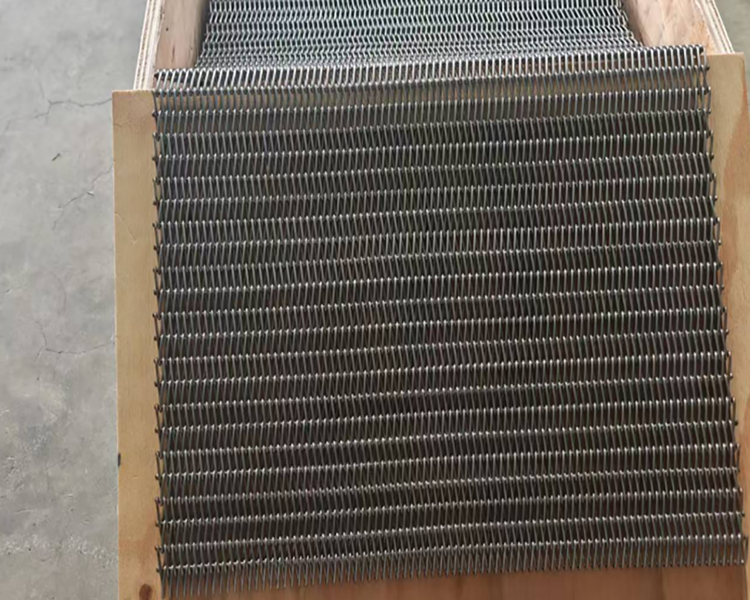
Friction drive is the most traditional method for powering a wire mesh belt. In this setup, the belt is wrapped around a drive drum (or pulley). As the drum rotates, the friction between the surface of the drum and the underside of the mesh belt pulls the belt forward. Common examples include our Balance Weave Belts and Compound Balance Weave Belts.
Key Advantages:
- Cost-Effectiveness: Friction drive systems are generally simpler to design and manufacture, requiring fewer specialized components like sprockets or chains.
- Smooth Operation: Because the drive force is distributed across the width of the drum, the movement is typically very smooth, which is ideal for delicate products like glassware or small electronic components.
- Self-Correction Potential: In some designs, if the belt encounters a major obstruction, it can "slip" on the drum, potentially preventing catastrophic mechanical damage to the motor or frame.
Critical Challenges:
The biggest hurdle with friction drives is Tracking. Since there is no mechanical interlock between the belt and the drive, the belt can drift to the left or right. This requires the use of sophisticated tracking rollers or manual adjustments. Furthermore, in high-temperature environments—such as our AshPro High-Temp Belts used in firing furnaces—the metal expands, which can reduce tension and lead to slippage if not managed by a weighted take-up system.
The Mechanics of Chain Drive Systems
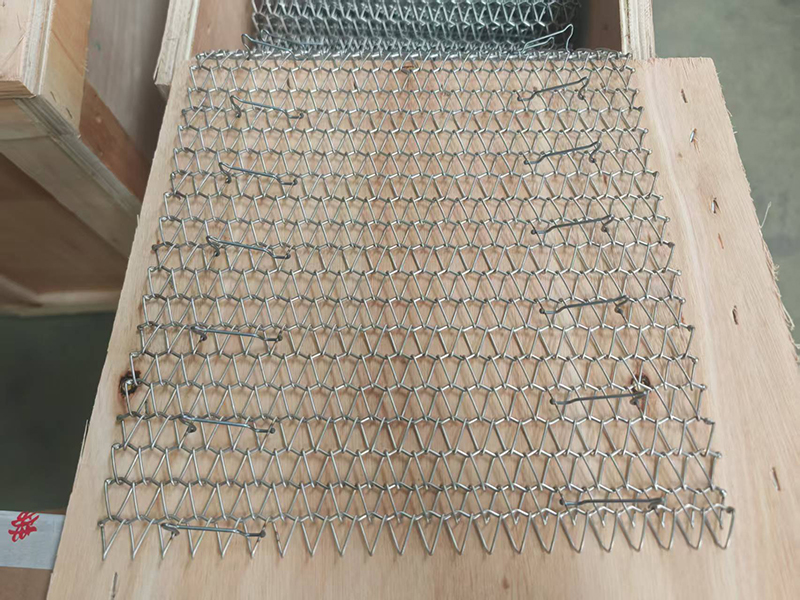
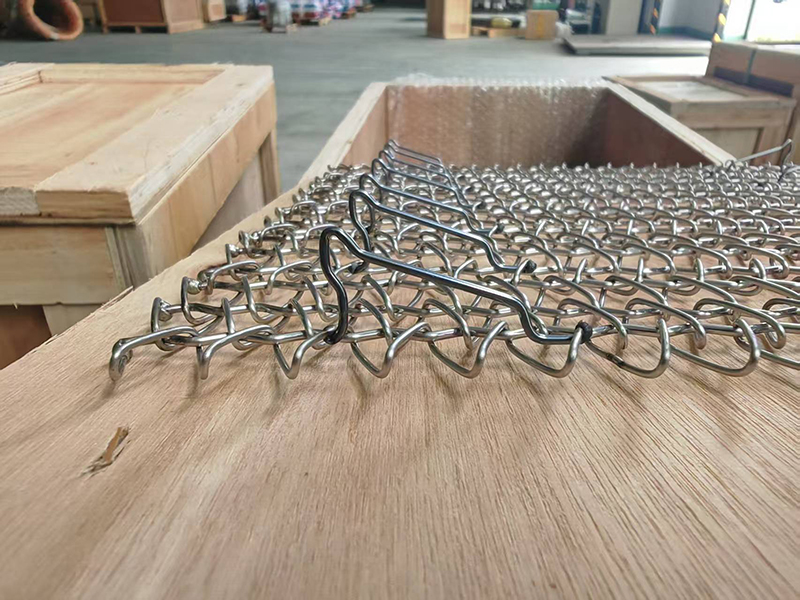
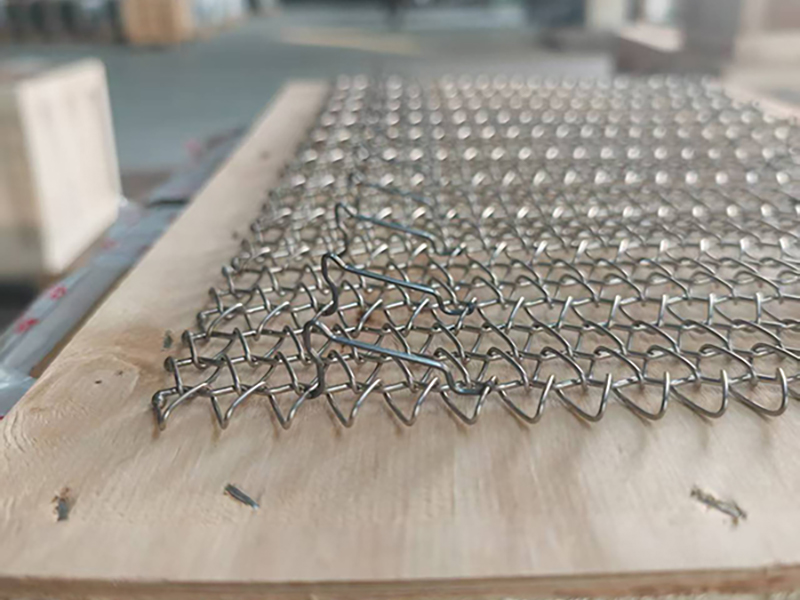
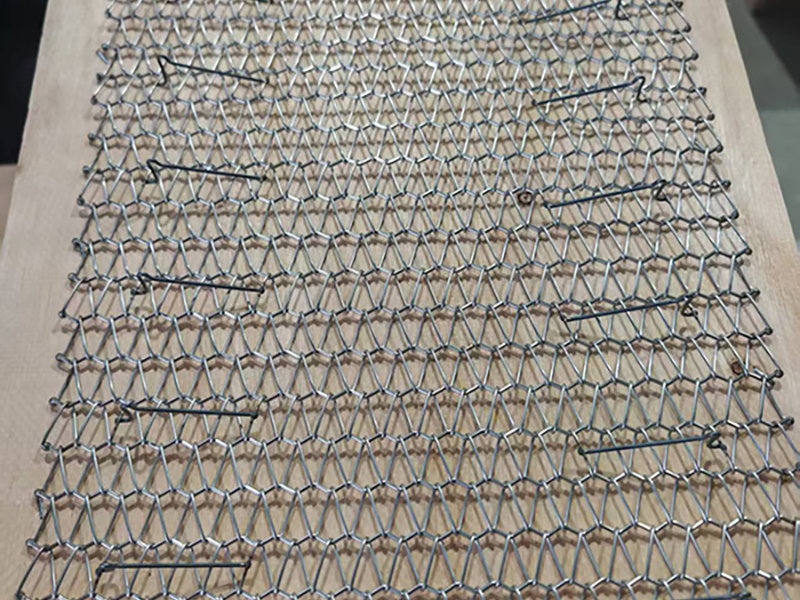
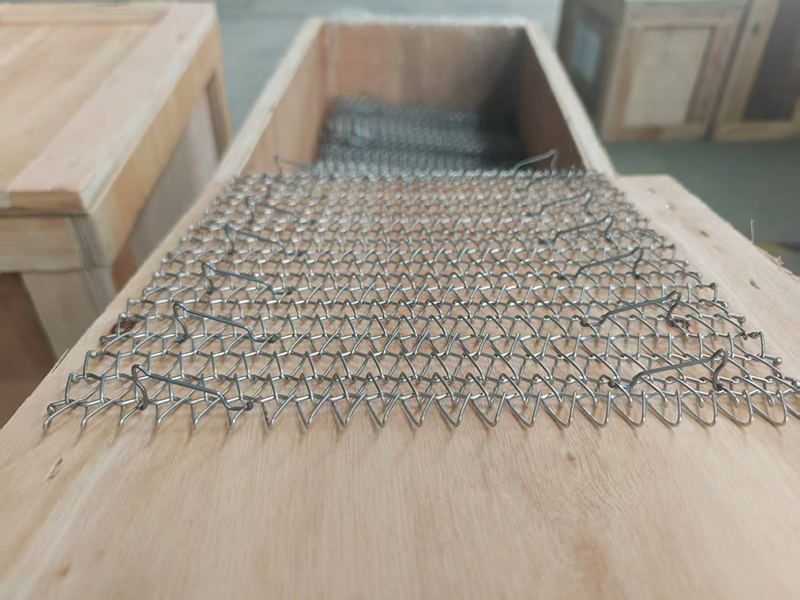
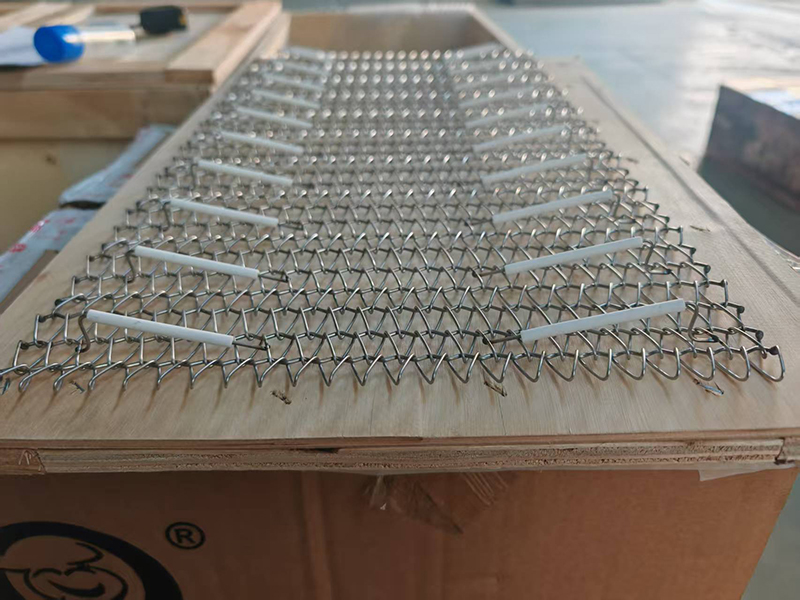
A Chain Drive system removes the reliance on friction by integrating side chains onto the mesh belt. These chains are engaged by sprockets mounted on the drive shaft, creating a Positive Drive mechanism. This is a robust solution frequently utilized in quenching tanks, heavy-duty ovens, and incline conveyors.
Key Advantages:
- Zero Slippage: Because the sprockets mechanically lock into the chain links, the belt cannot slip, regardless of the load or the presence of lubricants (like oil or water).
- Perfect Alignment: The side chains act as guides, ensuring the belt stays perfectly centered on the conveyor frame. This eliminates the "edge wear" often seen in friction-driven systems.
- High Load Capacity: Chain drives are the go-to for heavy industrial loads. The tension is carried primarily by the chains rather than the delicate mesh, extending the life of the wire weave.
Critical Challenges:
The complexity of a chain drive means a higher initial capital expenditure. Additionally, maintenance becomes more involved; the chains must be synchronized perfectly to prevent "racking" or twisting of the belt. Lubrication is also a factor, particularly in high-heat or food-grade environments where traditional oils cannot be used.
A Direct Comparison: Which Fits Your Industry?
| Feature | Friction Drive | Chain Drive |
|---|---|---|
| Drive Principle | Friction between drum & mesh | Sprocket engaged with side chains |
| Tracking Control | Requires tracking rollers/ guides | Self-guiding via chains |
| Slippage Risk | High (if tension is low) | None (Positive Drive) |
| Feature | Friction Drive | Chain Drive |
|---|---|---|
| Load Capacity | Light to Medium | Heavy Duty |
| Initial Cost | Lower | Higher |
| Best For | Baking, Drying, Light Sorting | Quenching, Freezing, Incline, Heavy Heat |
Decision Factors: The Global Mesh Belt Perspective
When we consult with our clients at www.globalmeshbelt.com, we look at three specific variables to make the final recommendation:
- Temperature Cycling
In high-temperature applications (up to 1150°C), friction drives can be tricky because metal expansion significantly alters belt tension. For our Photovoltaic Conveyor Systems, we often engineer specialized friction drives with precision take-up units, but for heavy quenching, we almost always recommend a chain drive to handle the sudden thermal shock.
- Environmental Contaminants
If your process involves oil, water, or chemical coatings, a friction drive will likely fail due to loss of traction. A chain drive is non-negotiable in these "wet" or "slick" environments to ensure consistent throughput.
- Conveyor Length and Incline
For very long conveyors or those moving product uphill, the tension required for a friction drive can become so high that it crushes the mesh. In these cases, a chain drive is superior because it transfers that tension to the high-strength chain components, leaving the mesh to simply act as a product carrier.