


How to Choose the Right Stainless Steel Wire Mesh Belt for Your Application?
In the realm of industrial thermal processing and Material Handling, the conveyor belt is often the most critical—yet most stressed—component of the entire production line. Whether you are operating a high-temperature solar cell firing furnace or a hygienic food processing tunnel, the choice of a wire mesh belt dictates your throughput, energy efficiency, and operational downtime.
Selecting the "perfect" belt isn't just about picking a material; it’s an engineering decision that balances mechanical tension, thermal cycling, and environmental chemistry. At Jiangsu Huada Metal Mesh Belt (Global Mesh Belt), with over 30 years of manufacturing expertise, we have identified the primary factors that determine belt performance.
This guide breaks down the essential criteria for choosing a stainless steel wire mesh belt tailored to your specific application.
1. Analyze Your Thermal Environment
Temperature is the single most influential factor in belt selection. Stainless steel is not a "one size fits all" solution.
- Ambient to Mid-Range (Up to 400°C): Standard 304 or 316 grade stainless steel is usually sufficient. These offer excellent corrosion resistance and hygiene for food and chemical processing.
- High-Temperature Processing (600°C - 1150°C): This is where specialized alloys like AshPro High-Temp Belts come into play. For applications like solar cell sintering or powder metallurgy, you need materials that resist oxidation and "creep" (the tendency of metal to slowly deform under stress at high heat).
- Cryogenic/Freezing: If your belt operates in a spiral freezer, the metal must maintain ductility at sub-zero temperatures to prevent brittle fractures.
2. Match the Weave to Your Product
The "weave" or pattern of the mesh determines how the product sits on the belt and how air or liquid flows through it.
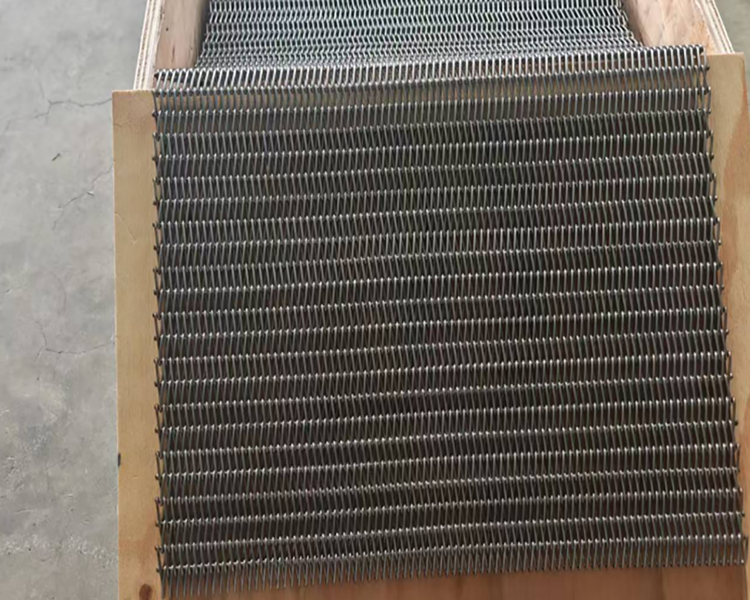
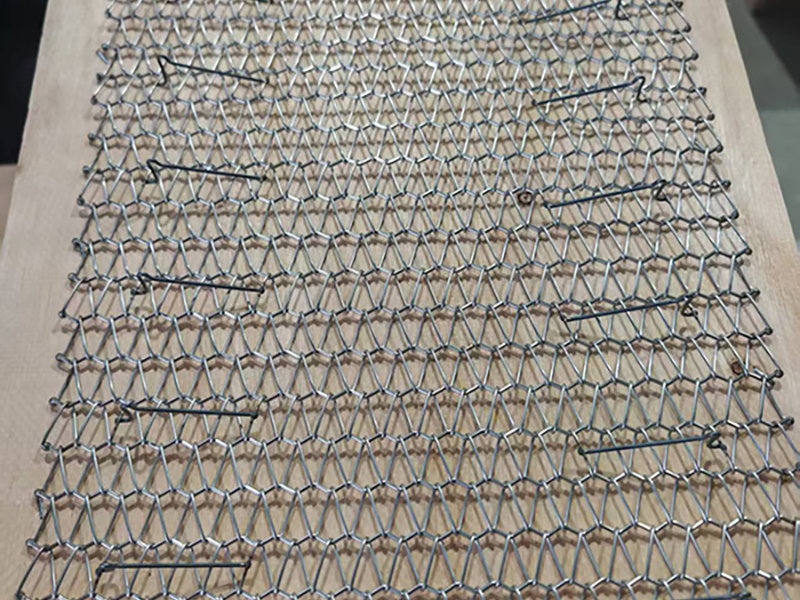
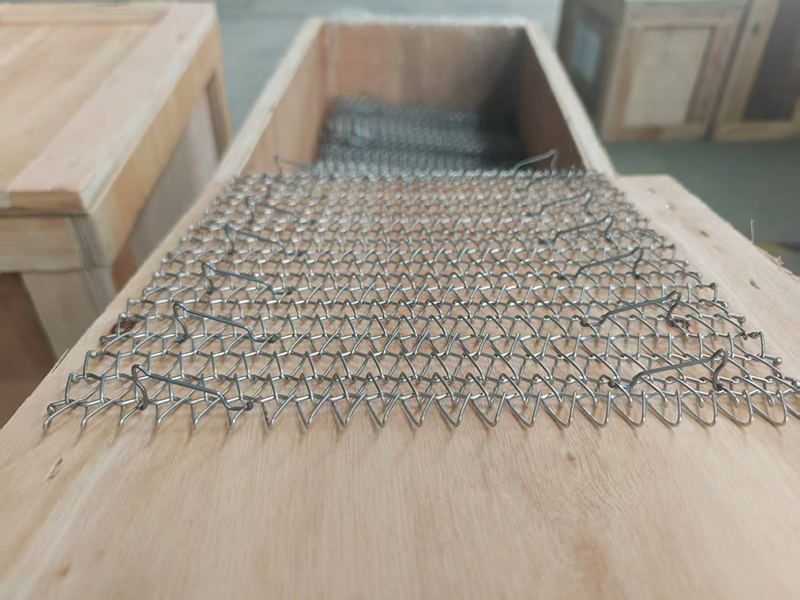
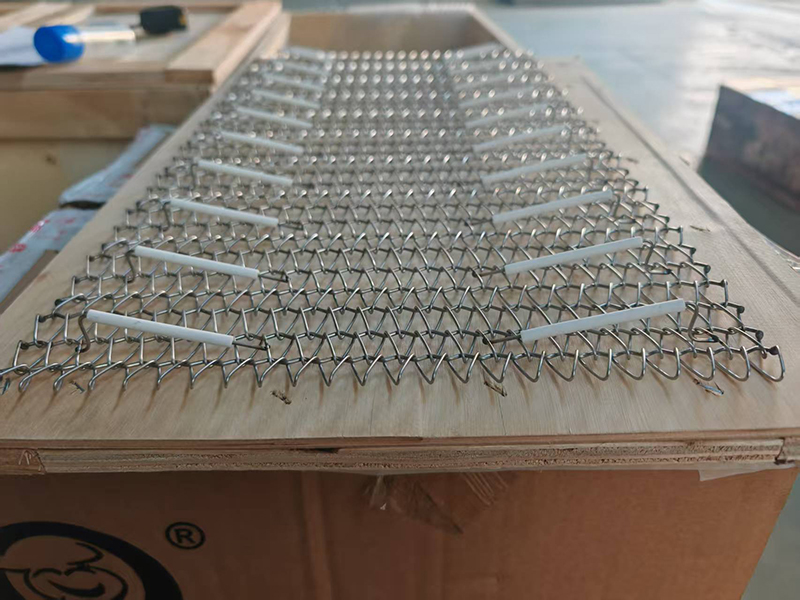
- Balance Weave Belts: The workhorse of the industry. Its alternating left and right-hand spirals make it track straight and provide a stable surface for everything from glass jars to heavy automotive parts.
- Compound Balance Weave (XT): If you are conveying tiny components or seeds, the XT weave offers a high-density, closed surface that prevents small items from falling through while still allowing heat transfer.
- Flat Flex Belts: Ideal for light-weight products. Its high open-area ratio is perfect for coating, breading, or cooling applications in the food industry.
3. Define the Drive Mechanism
How the belt moves is just as important as the belt itself.
- Friction Drive: The belt is driven by the friction between the mesh and a drum. This is cost-effective and common but can lead to "tracking" issues if not tensioned correctly.
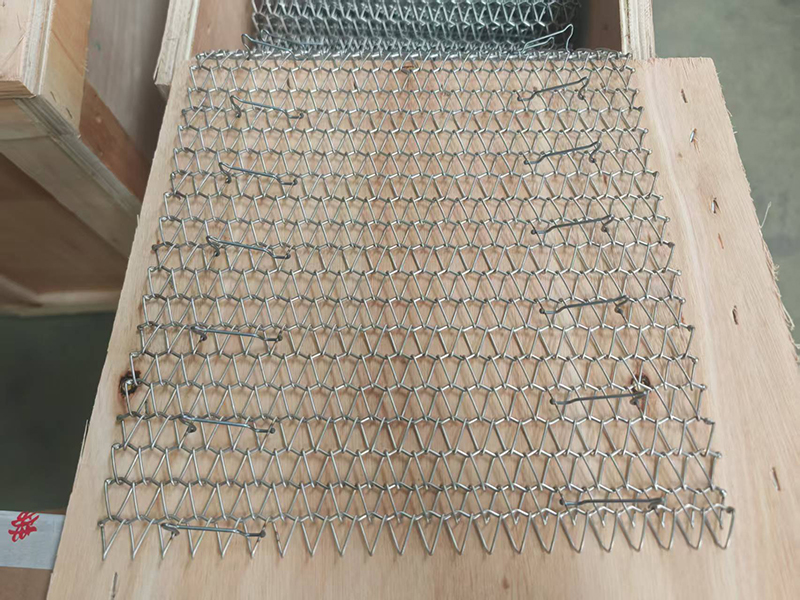
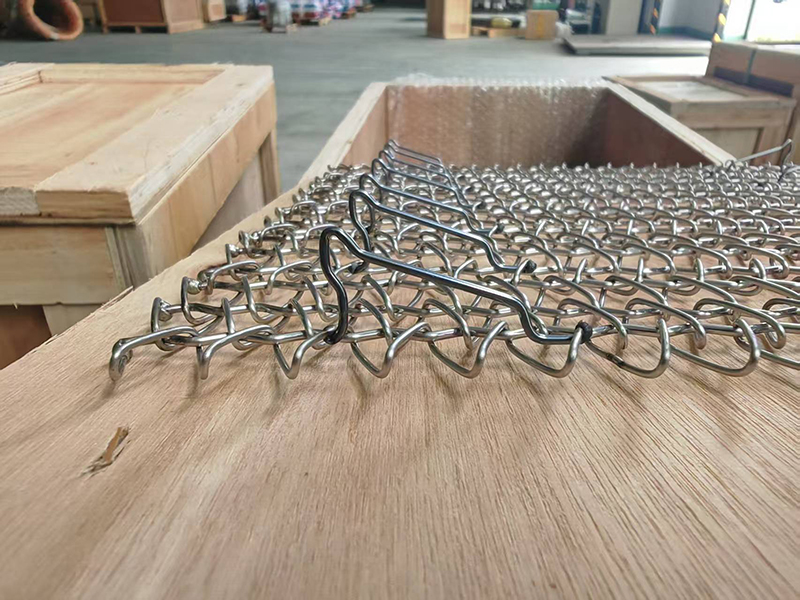
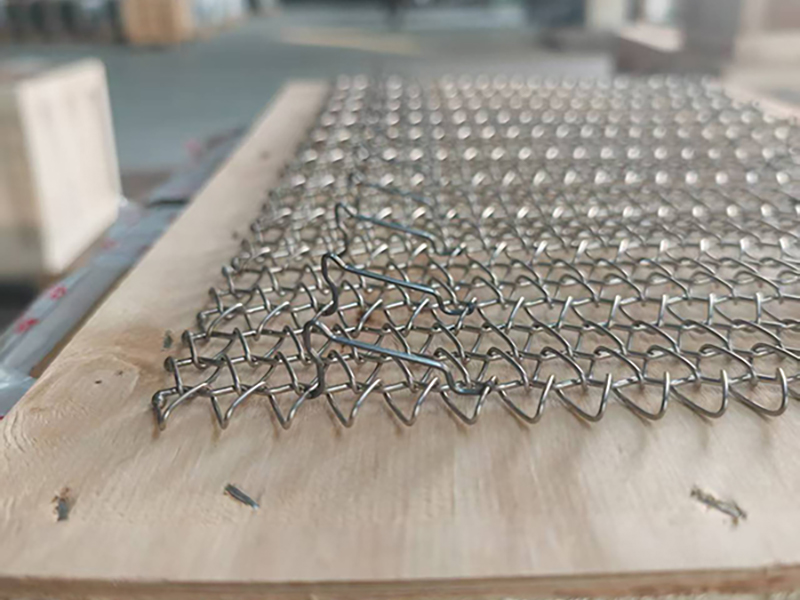
- Chain Drive Belts: By integrating side chains, the drive becomes positive and synchronous. This is essential for heavy loads, inclined conveyors, or processes where precise timing is required (e.g., quenching tanks).
- Positive Drive (Sprocket Driven): Used for belts like the Flat Wire Belt, where sprockets engage directly with the mesh to ensure zero slippage.
4. Edge Treatment: More Than an Aesthetic Choice
The edges of a wire mesh belt are its most vulnerable points. Choosing the right finish prevents snagging and structural failure.
- Welded Edge: The most common and economical. Spiral wires and cross rods are welded together.
- Knuckled (Clinch) Edge: Excellent for applications where the belt needs to flex significantly or where thermal expansion might cause welds to crack.
- Side Plate/Chain Edge: Adds structural rigidity and helps contain the product on the belt surface.
5. Load and Tension Calculations
A common mistake is underestimating the "live load" (product weight) plus the "dead load" (belt weight). When a belt is heated, its tensile strength drops significantly. For instance, a belt that can carry 50kg/㎡ at room temperature might only support 5kg/㎡ at 1000°C.
Our engineering team at Jiangsu Huada Metal Mesh Belt utilizes ISO 9001-certified processes to calculate the specific safety factors required for your tension-to-weight ratio, ensuring the belt doesn't stretch prematurely.
Why Huada Metal Mesh Belt?
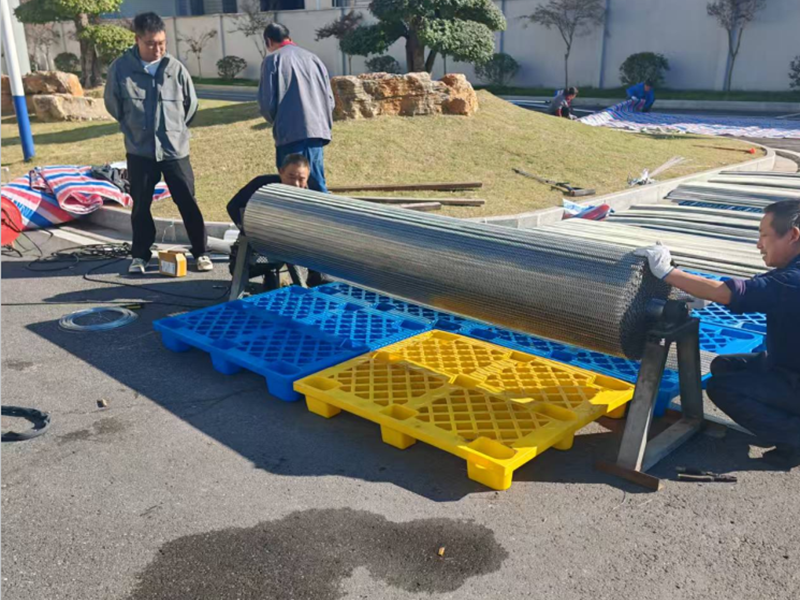
Choosing a supplier is the final, crucial step. Jiangsu Huada Metal Mesh Belt Co., Ltd. isn't just a factory; we are an innovation partner. With over 1,000 configurations and a footprint in 20+ countries, we specialize in high-precision systems for:
- Photovoltaic Energy: Specialized belts for LID furnaces and dryer ovens.
- Food Processing: FDA-compliant, easy-to-clean stainless systems.
- Heat Treatment: High-durability alloys for industrial furnaces.
Our AshPro series and Rodlock Weave designs are patented innovations specifically engineered to solve the most common failure points in high-temp environments—tracking issues and rod distortion.