


Cost vs. Performance: Choosing the Best Furnace Belt for Your Thermal Processing Line
In high-temperature thermal processing—such as continuous sintering, industrial annealing, powder metallurgy, or glass tempering—procurement teams and plant engineers face a perpetual trade-off: upfront purchasing cost versus long-term belt performance.
It is tempting to opt for lower-cost replacement Mesh Belts to minimize short-term capital expenditures. However, in continuous high-heat environments exceeding 900℃, an under-specified conveyor belt quickly becomes an operational liability. Unexpected stretching, edge fraying, thermal distortion, or premature belt breakage can halt an entire production line, leading to costly downtime and lost throughput.
Finding the optimal balance between initial investment and operational lifespan requires evaluating four critical engineering parameters before placing your order.
1. Initial Material Unit Price vs. Total Lifecycle Cost
When comparing quotes from Industrial Mesh belt suppliers, looking solely at the price per meter is misleading. The true cost of a furnace belt is measured in operating hours per dollar invested.
- The Low-Initial-Cost Trap:Standard grade alloys (such as basic 304 or 316 stainless steel) carry a lower purchase price. However, if installed in an atmosphere running at 1050℃, rapid oxidation and thermal creep will deform the mesh within months, forcing frequent changeouts and lost production shifts.
- High-Performance Alloys:Premium alloys like AISI 314, 310S, or Nickel-Chromium Inconel (600/601) carry higher raw material costs. Yet, their superior resistance to creep, carburization, and thermal shock delivers 3× to 5× the service life of lower-grade alloys—significantly reducing your cost per operating hour.
2. Alloy Metallurgy: Matching Chemical Resistance to Process Dynamics
Operating temperature dictates the baseline material, but the process atmosphere determines long-term chemical survival. Selecting the wrong alloy leads to chemical embrittlement regardless of structural thickness.
- Oxidizing Air Atmospheres:High-chromium alloys (e.g., AISI 314 or 310S) form a protective surface oxide scale, offering high temperature resistance up to 1150℃ at a manageable price point.
- Reducing / Carburizing Atmospheres:Sintering and heat-treating furnaces using endothermic gas or hydrogen require high-nickel content alloys (such as Inconel 601 or Alloy 330). These materials resist internal carburization and "green rot" corrosion, preserving flexibility and structural strength over thousands of thermal cycles.
3. Structural Weave Selection: Load Density vs. Material Volume
Conveyor belt geometry directly influences heat transfer efficiency and load carrying capacity. Choosing the right weave design prevents over-engineering while securing required strength.
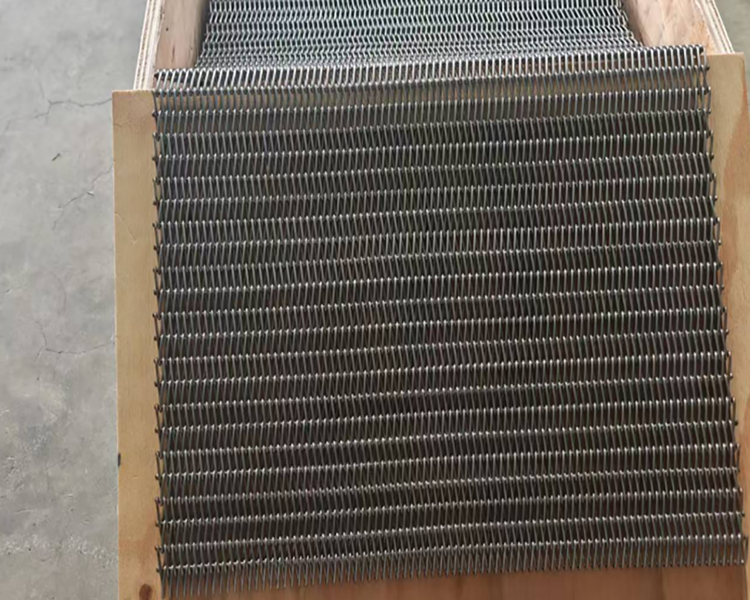
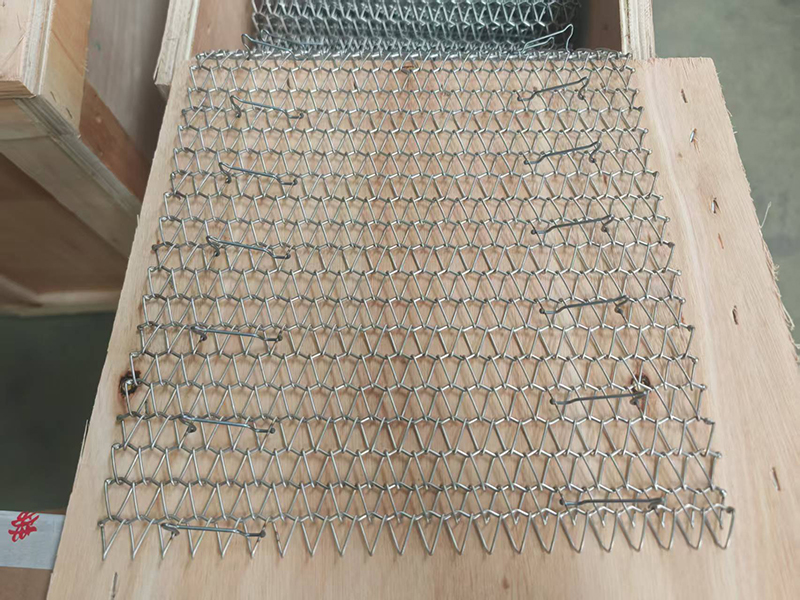
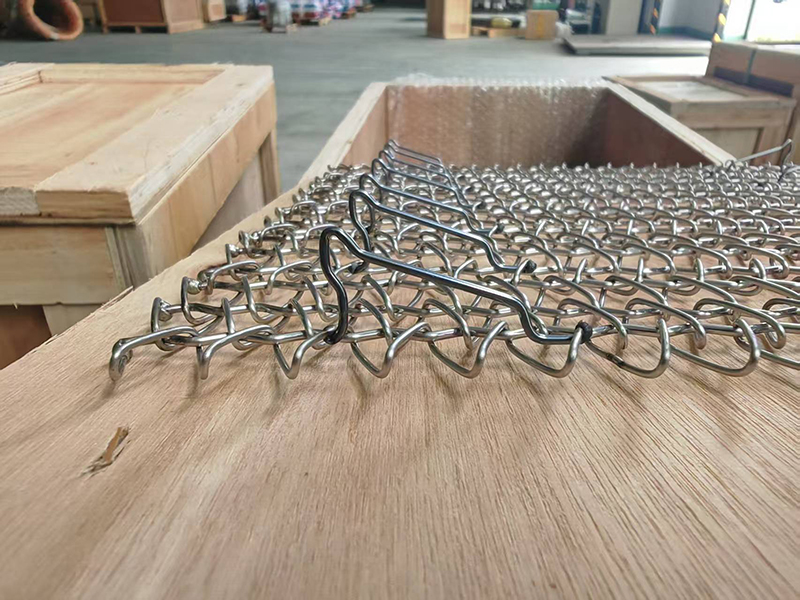
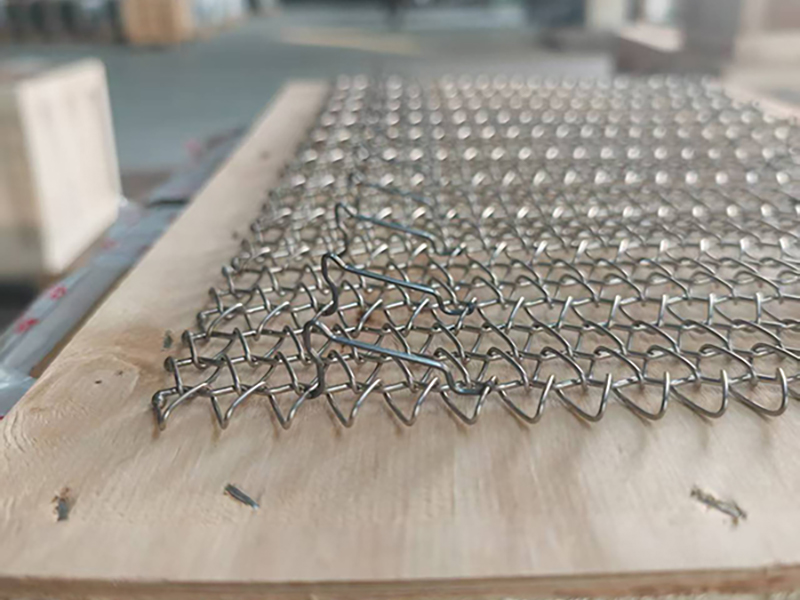
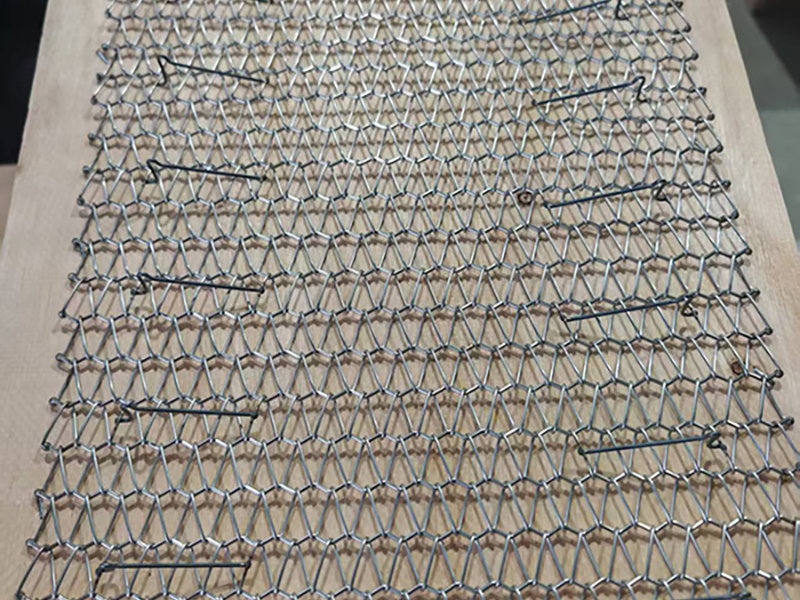
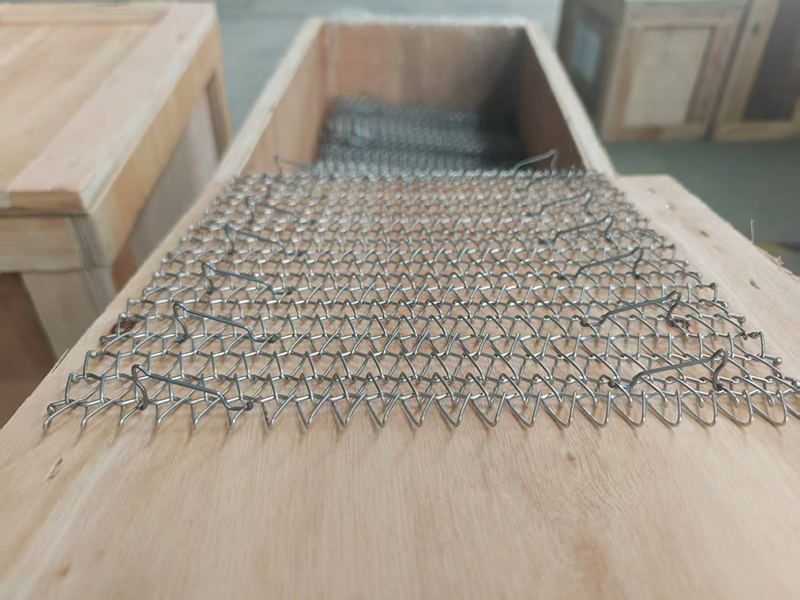
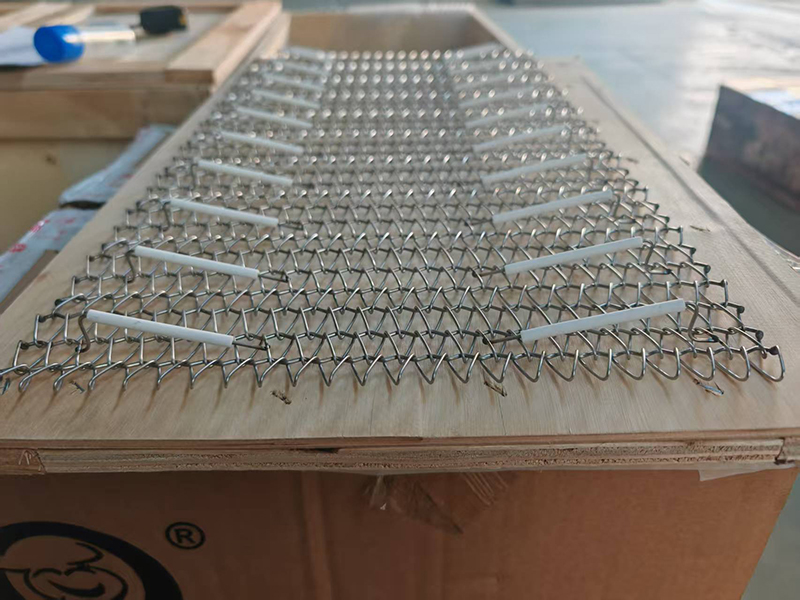
- Standard Balanced Weave:Alternating left- and right-hand spirals joined by cross-rods. It provides excellent tracking stability and open area for gas circulation at a cost-effective price. Ideal for light to medium payload applications.
- Compound Balanced (Dense) Weave:Features closely nested spirals creating a smooth, flat carrying surface. While requiring more wire weight per meter (increasing initial material cost), it is essential for supporting small components, heavy powder metal parts, or high-density batch loading without surface sagging.
- Reinforced Weaves:Integrating double cross-rods or side chain drives adds mechanical support for extreme heavy-duty loads, preventing belt necking under high continuous tension.
4. The Hidden Costs of Unscheduled Furnace Downtime
When calculating ROI on furnace belt upgrades, evaluate the real cost of furnace stoppage:
- Energy Losses:Cooling down a continuous furnace for belt replacement and ramping it back up to operating temperature consumes massive amounts of natural gas or electrical power.
- Labor & Scrap:Replacing a jammed or broken mesh belt requires emergency maintenance hours and frequently ruins in-process material batches inside the heating chamber.
- Production Backlogs:Unplanned line stoppages delay customer delivery schedules, damaging commercial relationships.
Investing an additional 20% to 30% upfront in custom-engineered mesh geometry, precision-welded edges, and process-matched alloys often pays for itself after preventing just a single unscheduled shutdown.
Summary: How to Optimize Your Furnace Belt Procurement
To maximize belt performance without overspending:
1.Audit your thermal profile: Map your exact operating temperatures, heating/cooling ramp rates, and atmosphere chemistry.
2.Calculate payload density: Select a mesh density (GSM and wire gauge) that supports your product weight without paying for unnecessary excess metal mass.
3.Work with an integrated specialty weaver: Partner with manufacturers capable of customizing wire tensile strength, spiral pitch, and edge finishes to your specific furnace dimensions.
At Huada Metal Mesh Belt, we engineer and manufacture high-temperature furnace belts, balanced weave conveyor systems, and heat-resistant Wire Meshes designed to deliver maximum lifespan under harsh industrial conditions.
To request technical consultation, compare alloy datasheets, or get a custom quote tailored to your thermal processing equipment, visit Huada Metal Mesh Belt.