


Common Causes of Furnace Belt Failure and How to Prevent Them
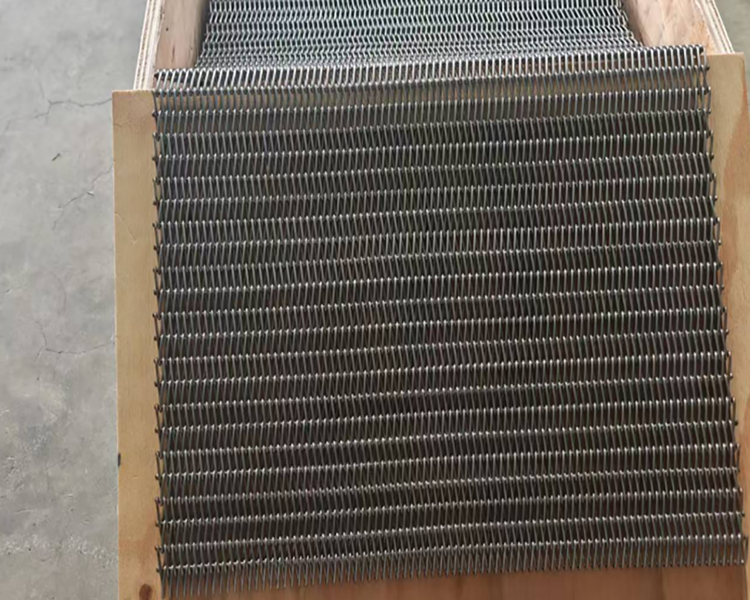
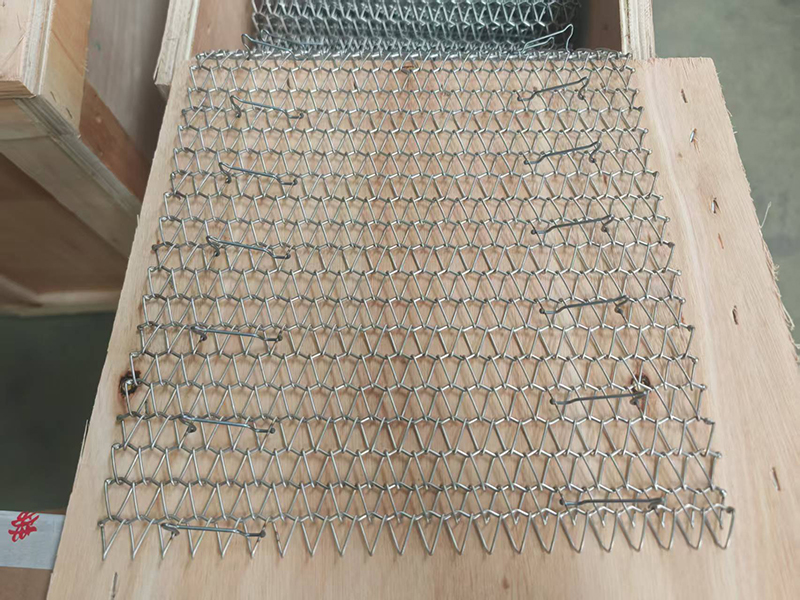
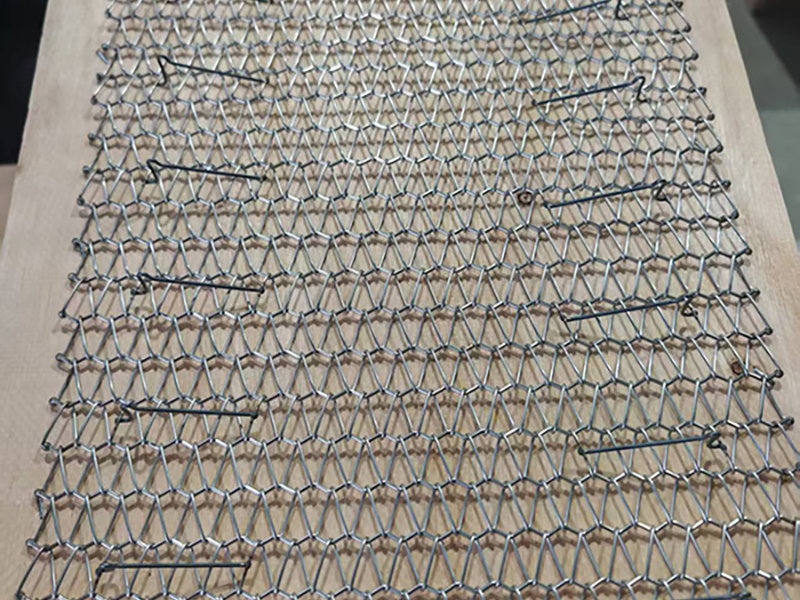
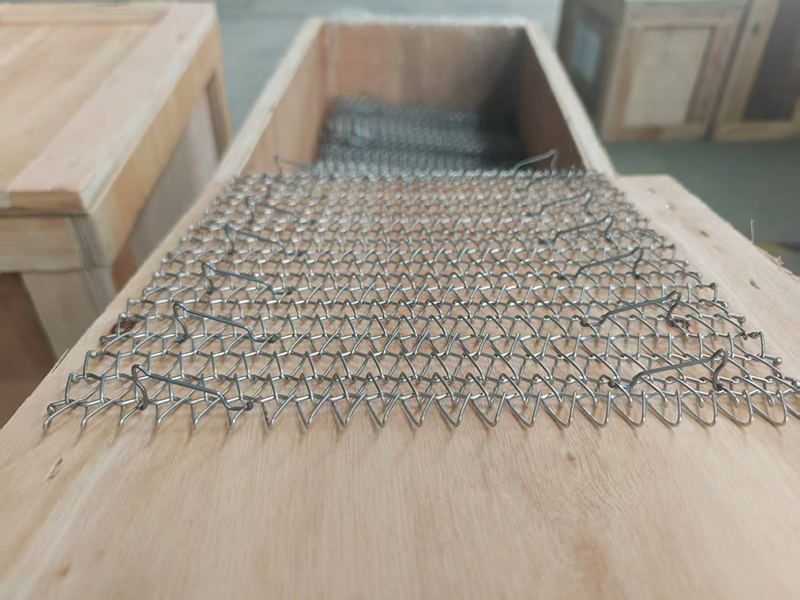
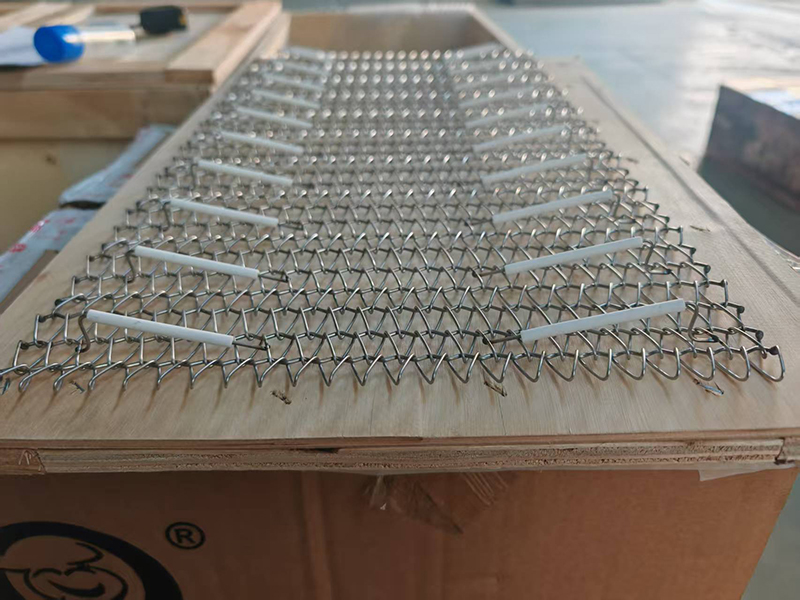
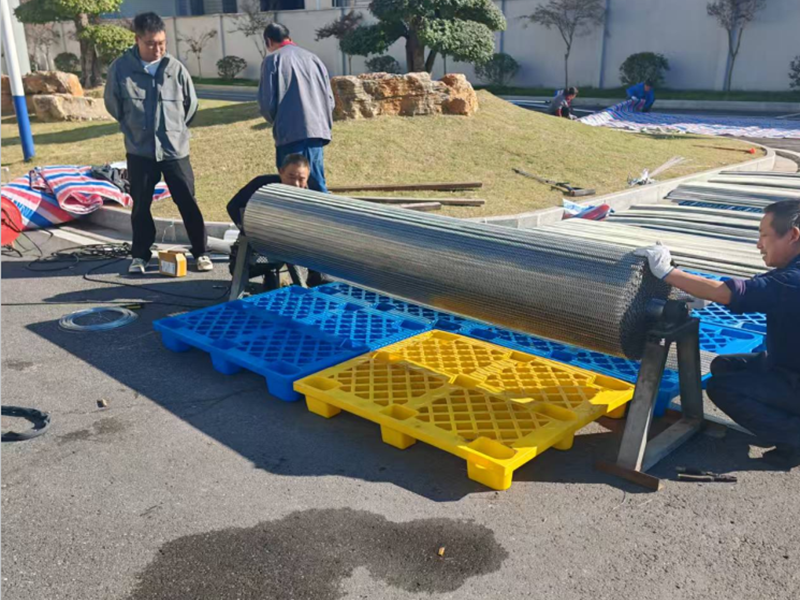
In high-temperature thermal processing operations—such as sintering, brazing, annealing, and tempering—the wOven Wire Mesh belt is the literal heart of your conveyor system. When a furnace belt fails unexpectedly, the consequences are immediate: halted production lines, damaged heat-treated components, lost energy, and costly emergency replacement orders.
While high-temperature Furnace Belts are engineered to endure extreme thermal loads and mechanical stress, they operate near their physical material limits. Understanding the primary root causes of furnace belt failure empowers plant engineers and maintenance managers to take proactive measures before catastrophic tears occur.
1. Thermal Fatigue and Cyclic Oxidation
Industrial furnace belts undergo continuous heating and cooling cycles as they traverse the hot zone and return through ambient room temperatures.
Repeated thermal expansion and contraction weaken the metallic crystal structure of the wire alloy. Over time, micro-cracks form along the cross-rod welds or spiral wire turns, leading to brittleness and eventual snapping. High operating temperatures also accelerate oxidation (scaling), which thins the wire gauge and reduces tensile load capacity.
Match the belt alloy specifically to your operating temperature and furnace atmosphere. High-nickel, high-chromium alloys (such as Inconel 600/601 or 314 Stainless Steel) resist scaling and creep far better than standard heat-resistant grades. Furthermore, avoid sudden thermal spikes by ramping furnace temperatures gradually during startup and shutdown sequences.
2. Incorrect Belt Tension and Drive Mechanical Stress
Tension is one of the most delicate balances in continuous furnace operation.
Excessive mechanical tension stretches the spiral loops out of shape, causing the belt width to narrow (a phenomenon known as "necking down"). Conversely, insufficient tension leads to drive drum slippage, jerky movement, and localized thermal distortion.
Install weighted counter-balance or pneumatic take-up systems that automatically adjust tension as the belt expands at operating temperature. Regularly inspect drive sprockets and friction drums for uneven wear or misalignment.
3. Belt Camber and Tracking Misalignment
Belt camber refers to a lateral curvature along the length of the belt. When a mesh belt does not run straight, it rubs forcefully against the furnace wall or internal refractory linings.
| Cause of Cambering | Operational Impact | Prevention Strategy |
|---|---|---|
| Uneven Heat Distribution | Cold spots on one side of the hearth cause uneven expansion. | Calibrate heating elements and gas burners to maintain uniform cross-hearth temperature. |
| Improper Initial Seaming | Off-square mesh joining introduces permanent lateral pull. | Ensure cross-rod welds and spiraling joints are cut and spliced strictly square ($90^\circ$). |
| Worn Support Skids | Grooved or uneven hearth hearth plates drag one side of the belt. | Routinely inspect and level internal support wear strips and roller beds. |
4. Product Overloading and Chemical Contamination
Placing payloads that exceed the rated capacity per square meter creates excessive drag forces across the hearth. Additionally, lubricants, quenching oils, or aggressive chemical residue left on incoming metal parts can react aggressively with alloy metals at high temperatures, causing severe intergranular corrosion and rapid localized failure.
Ensure parts are properly degreased before entering the pre-heat zone and adhere strictly to maximum load weight guidelines for your specific weave pattern (e.g., balanced weave vs. compound weave).
Maximize Service Life with Global Mesh Belt
Preventing premature furnace belt failure starts with selecting high-precision, heat-resistant woven wire mesh engineered specifically for your thermal environment. Huada Metal Mesh Belt specializes in custom-designed industrial conveyor belts built to withstand rigorous high-temperature applications.
Why Leading Manufacturers Rely on Huada Metal Mesh Belt:
- Premium High-Temp Alloys: Precision-woven using premium stainless steel, Incoloy, Inconel, and specialized high-nickel alloys tailored for temperatures up to 1200℃ (2190℉).
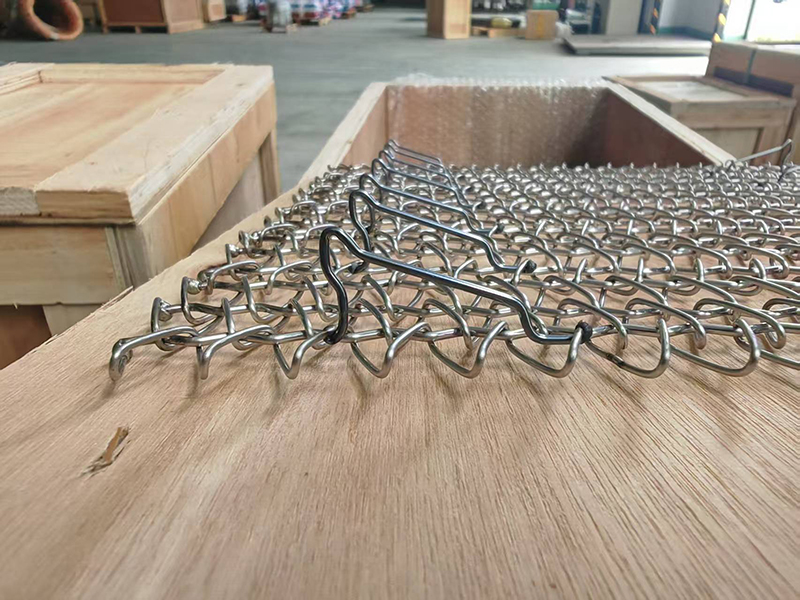
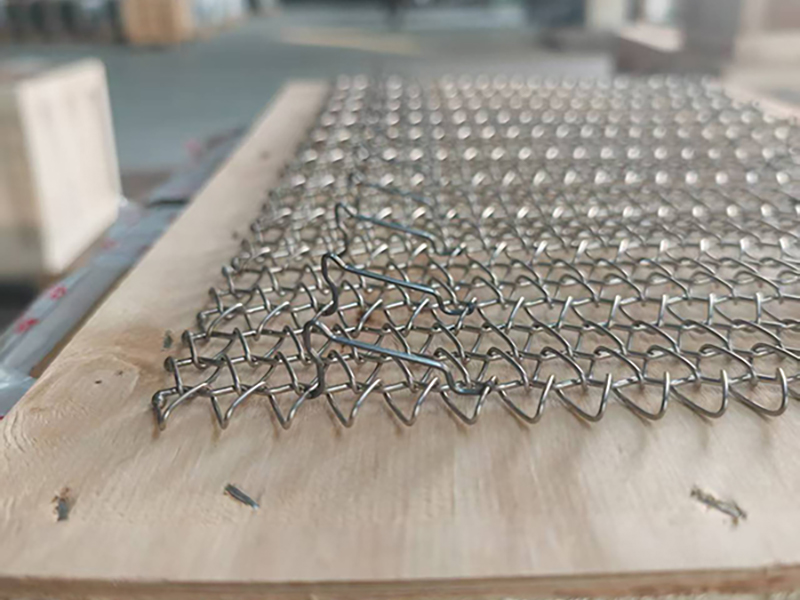
- Engineered Mesh Structures: From balanced weave and double-balanced weave to rod-reinforced and ladder belts, matching your exact payload density and drive configuration.
- Strict Dimensional Consistency: Uniform spiral pitch and straight cross-rod geometry minimize cambering risks and guarantee smooth tracking.
- Custom OEM Fabrication: Specialized edge finishes (welded, knuckled, or chain-driven borders) designed to prevent fraying and mechanical snagging.
Maintenance Summary Checklist
To protect your continuous furnace belt investment: