






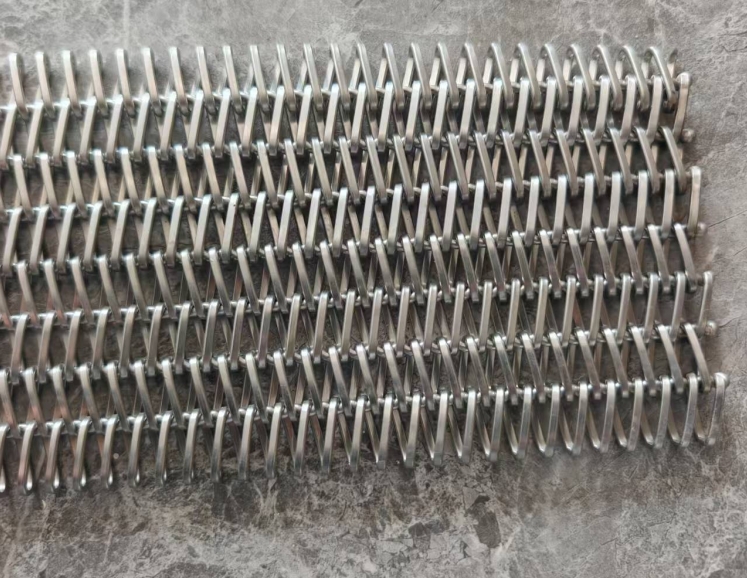
Energy Efficiency Improvements in Modern Furnace Belt Systems
In high-temperature industrial processing—such as sintering, brazing, annealing, heat treating, and powder metallurgy—furnaces consume massive amounts of energy. While plant engineers traditionally focus on burner tuning, heating element placement, and insulation refitting to lower energy consumption, one crucial factor is frequently overlooked: the Conveyor Belt System itself.
The Metal Mesh Belt inside a continuous furnace acts as a thermal heat sink. Every time the belt enters the heating zone, it absorbs energy; as it exits into the cooling chamber or returns externally, that absorbed energy is lost.
Optimizing Furnace Belt design, alloy selection, and structural geometry offers a direct pathway to slashing energy bills, accelerating thermal response times, and maximizing throughput. Below, we examine key strategies driving energy efficiency in modern furnace belt systems.
1. Minimizing Thermal Mass (The Mass-to-Payload Ratio)
The fundamental formula governing furnace belt thermal energy consumption is straightforward:
Where:
- Q = Heat energy required
- m = Mass of the belt
- cp = Specific heat capacity of the belt alloy
- ΔT = Temperature differential between ambient and zone temperature
For every kilogram of belt weight passing through the furnace, you spend valuable kilowatt-hours or fuel cubic meters simply heating the conveyor instead of your product payload.
Engineering Solution: High-Strength Fine-Wire Weaves
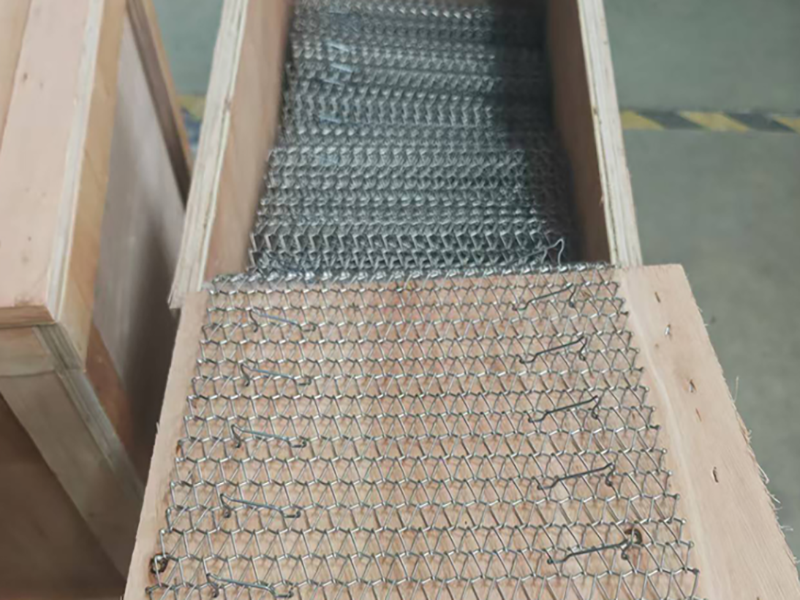
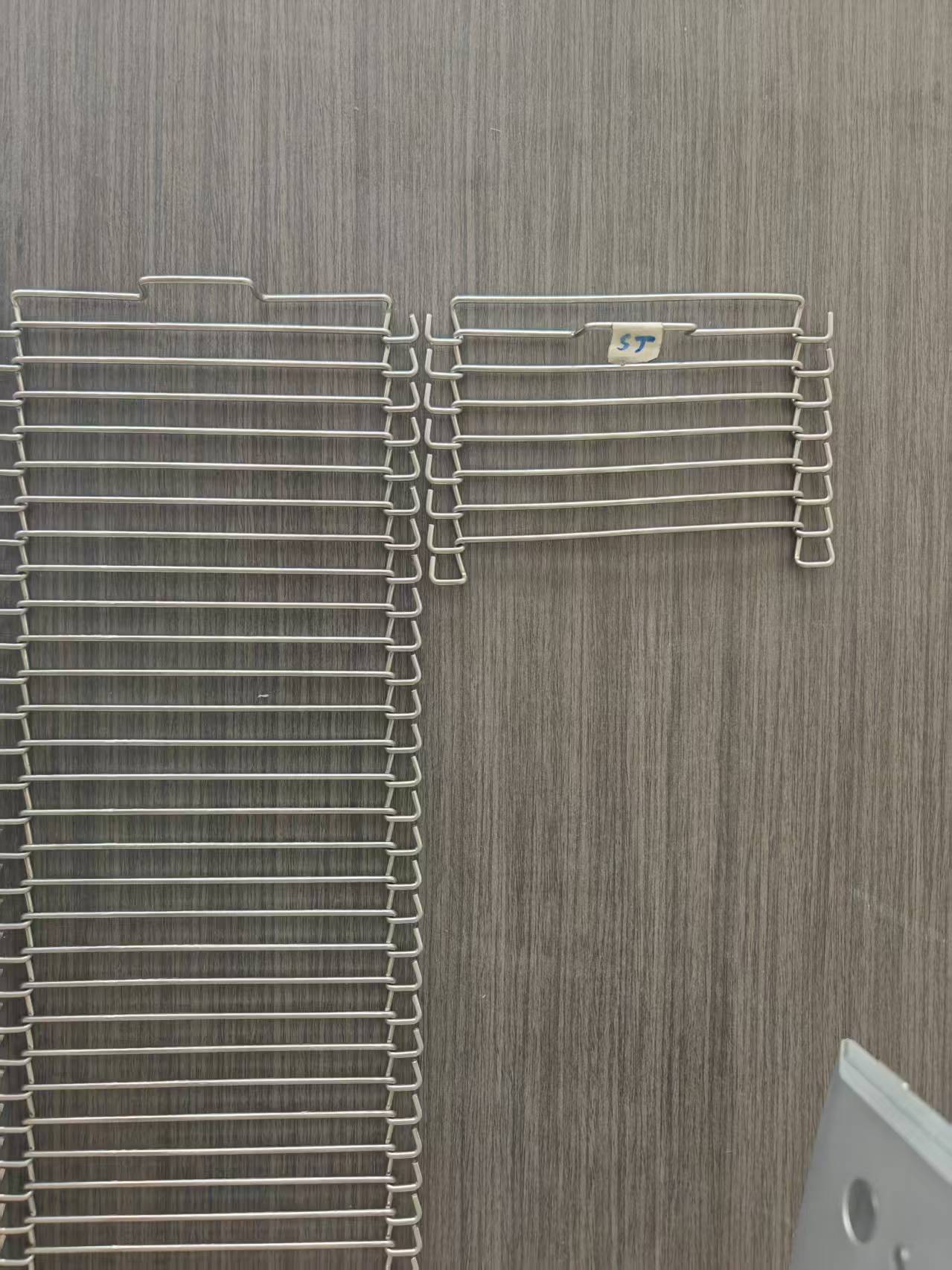
Modern mesh belt manufacturing focuses on maximizing load capacity while minimizing linear belt weight. By replacing heavy, thick-gauge conventional weaves with high-tensile, thin-wire spiral weaves or precision ladder-link configurations, facilities can reduce belt thermal mass by 15% to 30%.
A lighter belt reaches target operating temperatures faster and extracts significantly less thermal energy from the heating zone, resulting in immediate fuel savings.
2. Advanced High-Temperature Alloy Selection
Running a belt at temperatures exceeding 800°C to 1150°C (1470°F to 2100°F) subjects metal to thermal creep, oxidation, and structural stretching. When belts stretch or warp, operators often over-compensate by increasing belt wire diameter—inadvertently adding unwanted thermal mass.
By specifying specialized high-nickel and chromium alloys tailored to specific atmosphere types, you achieve higher yield strength at elevated temperatures without adding physical mass:
- Inconel 600 / 601: Exceptional oxidation resistance and mechanical strength up to 1150°C; prevents thermal fatigue.
- 314 Stainless Steel: Ideal for high-temperature oxidizing atmospheres, offering superior scaling resistance.
- Specialized Fe-Cr-Al Alloys: Offer excellent resistance to carburization and high-temperature oxidation in demanding atmosphere furnaces.
Using high-grade alloys allows for slimmer wire profiles that maintain dimensional stability, preventing the need for oversized, heat-draining belt structures.
3. Optimizing Open Mesh Area & Airflow Dynamics
In convection heating, forced-air drying, or atmosphere-controlled processing, the airflow pattern through the conveyor directly impacts heat transfer rates.
- Closed Weaves: Block natural convection currents, creating thermal shadows beneath the product. This forces operators to run the furnace at higher setpoints or lower line speeds to ensure uniform heat penetration.
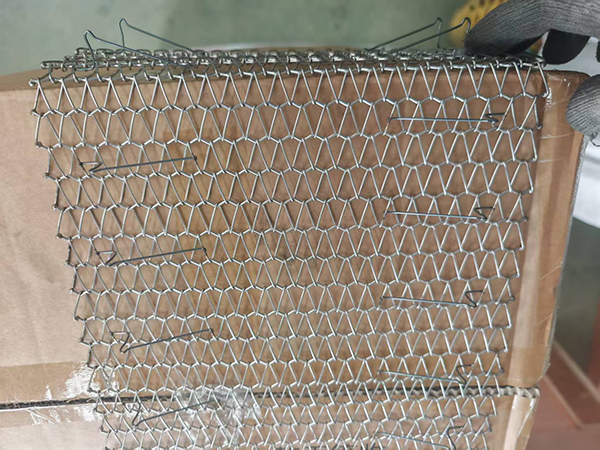
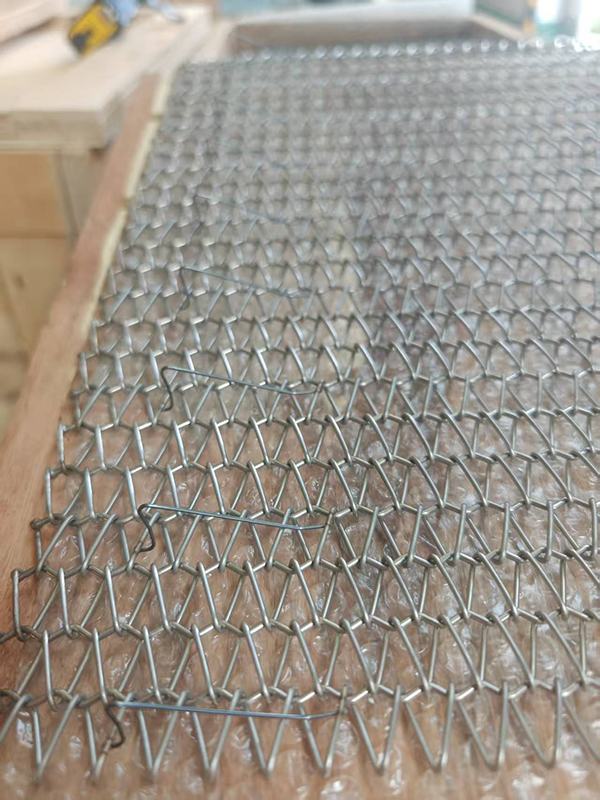
- Engineered Open Weaves: Balanced spiral weaves and compound mesh designs engineered with high open-area ratios facilitate unimpeded gas or hot air circulation around the payload.
Enhanced heat transfer efficiency means products reach soaking temperatures faster, enabling higher belt speeds and reduced total dwell time in the furnace.
4. Tension Control and Drive System Mechanics
A slipping or surging furnace belt causes uneven heating, product distortion, and excessive motor load. When drive friction is inefficient, additional counterweights or mechanical tensioning are applied, increasing structural stress and wearing out drive sprockets prematurely.
Modern energy-efficient furnace belt installations incorporate:
- Precision-Pitched Sprocket Drives: Positive drive mesh belts eliminate slippage entirely, reducing friction drag and motor torque demands.
- Variable Frequency Drives (VFDs): Allow precise speed adjustments to match exact heat cycle requirements, avoiding energy waste from over-baking products.
- Smooth Return Runs: Minimizing drag along return support rails reduces mechanical resistance, allowing smaller drive motors to operate at peak electrical efficiency.
Technical Summary for Energy Optimization
To audit your current continuous furnace operation for energy efficiency, use this evaluation checklist:
| Focus Area | Optimization Goal | Operational Benefit |
| Belt Weight | Reduce wire diameter using high-tensile alloys | Lowers parasitic thermal mass ($Q$ absorption) |
| Open Area | Maximize airflow transparency around parts | Improves convection heat transfer rates |
| Drive Mechanics | Implement positive sprocket drives | Eliminates slippage and reduces motor load |
| Material Quality | Match alloy grade precisely to temperature & gas | Prevents creep, stretching, and early belt replacement |
Partner with Global Mesh Belt for Engineered Thermal Solutions
Upgrading your furnace belt system is one of the quickest industrial retrofits for achieving measurable energy reduction and lower cost-per-part production.
At Huada Metal Mesh Belt (www.globalmeshbelt.com), we specialize in designing and manufacturing high-temperature metal conveyor belts, including balanced spiral belts, compound weave belts, and positive drive mesh solutions for annealing, sintering, brazing, and food processing lines. Our engineering team works directly with plant managers to select optimal wire gauges, mesh pitches, and high-temp alloys that maximize thermal efficiency and service lifespan.
Explore our custom belt catalog at Huada Metal Mesh Belt or contact our technical engineers today at sales@globalmeshbelt.com to discuss optimizing your furnace throughput.