






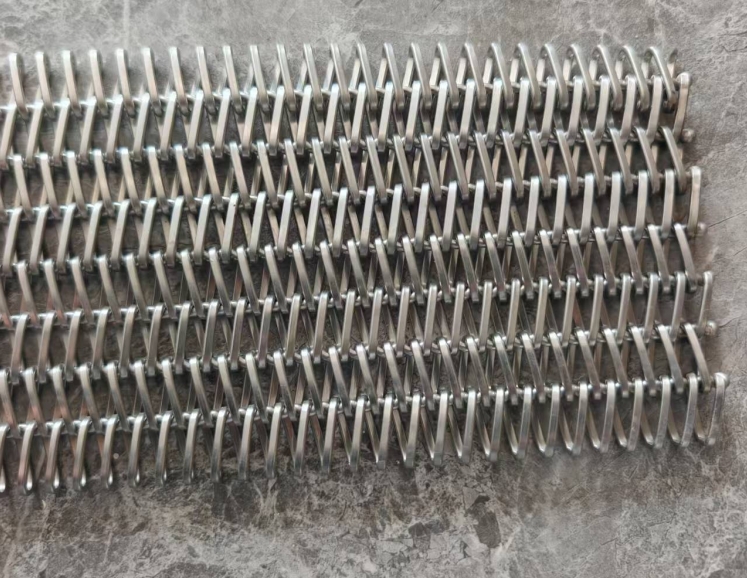
Maximizing Lifespan: Top 5 Materials for High-Temperature Furnace Belts
In the demanding world of industrial Heat Treatment—where temperatures often soar above 1000°C—the conveyor belt is more than just a moving part; it is the heartbeat of the production line. However, high-temperature environments are notoriously brutal on metal. Between oxidation, "creep" (permanent deformation under stress), and thermal fatigue, a low-quality or incorrectly specified belt can fail in weeks, leading to catastrophic downtime.
At Jiangsu Huada Metal Mesh Belt (Global Mesh Belt), our thirty years of metallurgical expertise have taught us that maximizing belt lifespan begins and ends with material science. If you are operating sintering, brazing, or annealing furnaces, choosing the right alloy is the single most effective way to protect your ROI.
Here are the top 5 materials we recommend for high-temperature Furnace Belts, based on our specializedAshPro and Photovoltaic Conveyor engineering standards.
1. Grade 314 Stainless Steel: The High-Heat Workhorse
While 304 and 316 are household names in the food industry, Grade 314 is the true entry-level hero for heat treatment.
Composition & Capability: Grade 314 contains higher silicon content, which significantly improves its resistance to high-temperature oxidation.
Best For: It is ideally suited for furnace environments reaching up to 1000°C.
Why it lasts: The silicon forms a protective layer that prevents the metal from "scaling" or flaking off when exposed to repeated heating cycles.
2. Incoloy 800/800H: Stability Under Pressure
When your process involves high mechanical tension at elevated temperatures, standard stainless steels often suffer from "creep". This is where Incoloy 800 (and its high-carbon variant 800H) excels.
- Composition & Capability: These are nickel-iron-chromium alloys designed to resist carburization and oxidation.
- Best For: Continuous annealing furnaces and heavy-load heat treatment lines.
- Why it lasts: Incoloy 800 maintains its tensile strength at high temperatures far better than the 300-series stainless steels, ensuring that your Balance Weave Belt doesn't stretch or warp out of shape.
3. Inconel 601: The Champion of Oxidation Resistance
For industries like Photovoltaics (PV) and solar cell sintering—where precision is non-negotiable—Inconel 601 is the industry gold standard.
- Composition & Capability: A nickel-chromium alloy with an addition of aluminum.
- Best For: Sintering, LID furnaces, and dryer ovens in the PV industry.
- Why it lasts: The aluminum addition creates an extremely tightly adherent oxide scale that resists "spalling" (chipping), even under severe thermal cycling. This is a core material used in our AshPro High-Temp Belts to ensure zero contamination of sensitive solar wafers.
4. 35-19 Si (Fe/Ni/Cr Alloy): The Specialized Solution
Often referred to as the "workhorse" of the heat-treating industry, 35-19 Si offers a balanced performance profile between cost and extreme durability.
- Composition & Capability: With 35% nickel and 19% chromium, this alloy is specifically formulated for atmospheres that cycle between oxidizing and reducing.
- Best For: Brazing furnaces and carbonitroling applications.
- Why it lasts: It is virtually immune to "green rot" (a specific type of internal oxidation) and handles the thermal shock of quenching better than almost any other material.
5. Type 310S: The Versatile All-Rounder
If your application hovers around 1050°C and requires a mix of corrosion resistance and heat stability, 310S is the go-to choice.
- Composition & Capability: High chromium and medium nickel content make it highly resistant to oxidation in slightly cyclic conditions.
- Best For: Glass tempering, powder metallurgy, and ore processing.
- Why it lasts: It provides a significantly longer service life than 304 or 314 in sulfur-bearing atmospheres, making it a versatile choice for diverse industrial chimneys and kilns.
Pro-Tip: It’s Not Just the Material, It’s the Weave
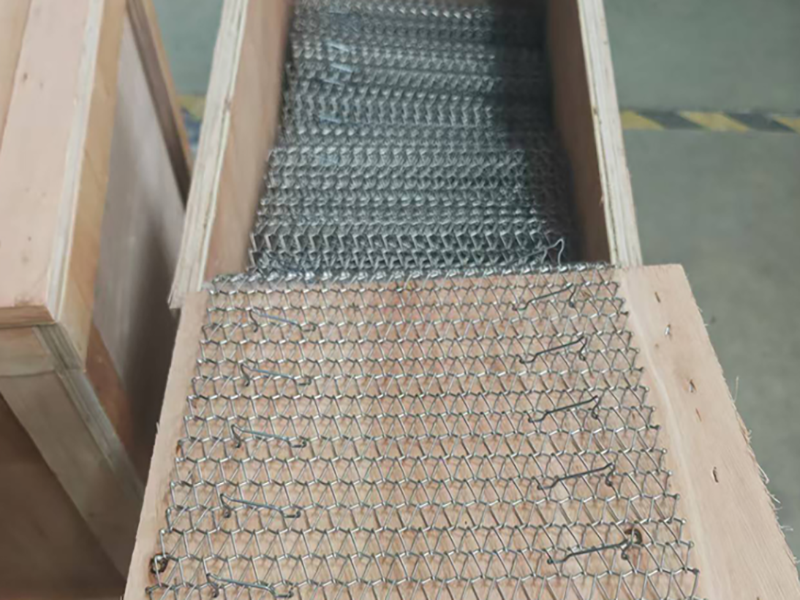
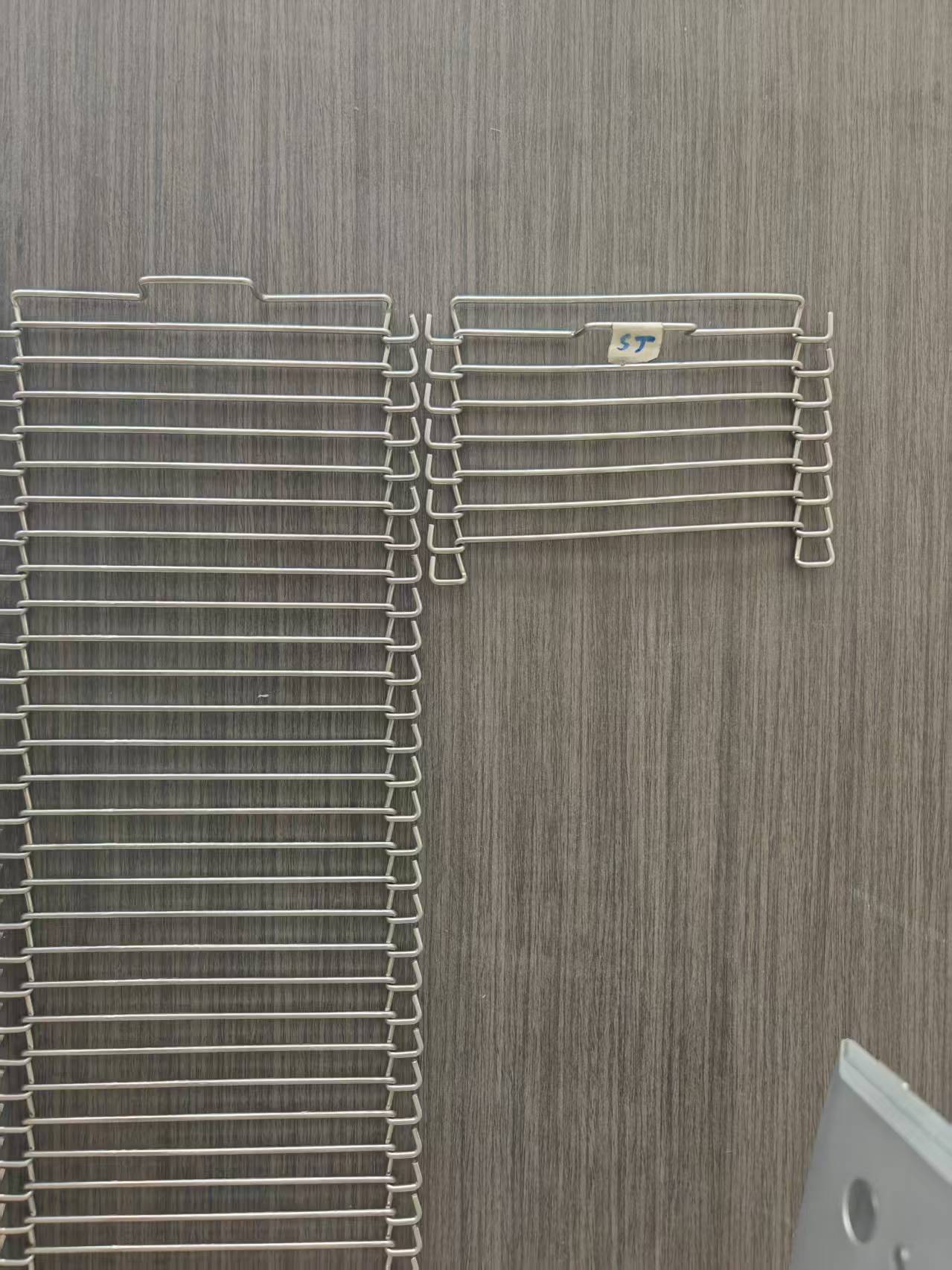
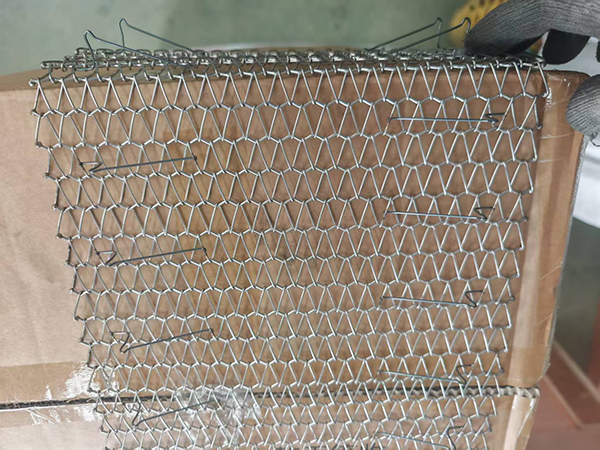
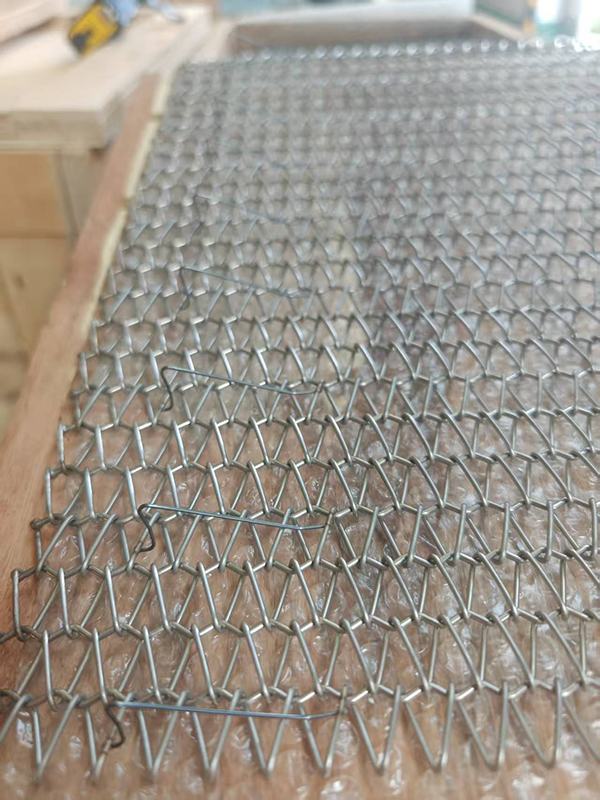
While selecting the right alloy is 50% of the battle, the mechanical design of the belt ensures that the material can "breathe" as it expands. At Global Mesh Belt, we combine these high-performance materials with advanced engineering:
- AshPro Technology: Specifically designed to minimize rod distortion in high-heat zones.
- Precision Tracking: Ensuring that even as the metal expands at 1000°C, the belt stays perfectly aligned on your friction or chain drive system.